By Cathy Watson | Senior Advisor, ICRAF
Never before have I been late with a report. With over 25 in the bag since we started fundraising on GlobalGiving in November 2018, I've always been on time. But we are so busy organizing our workshop that I slipped. Here is what is happening.
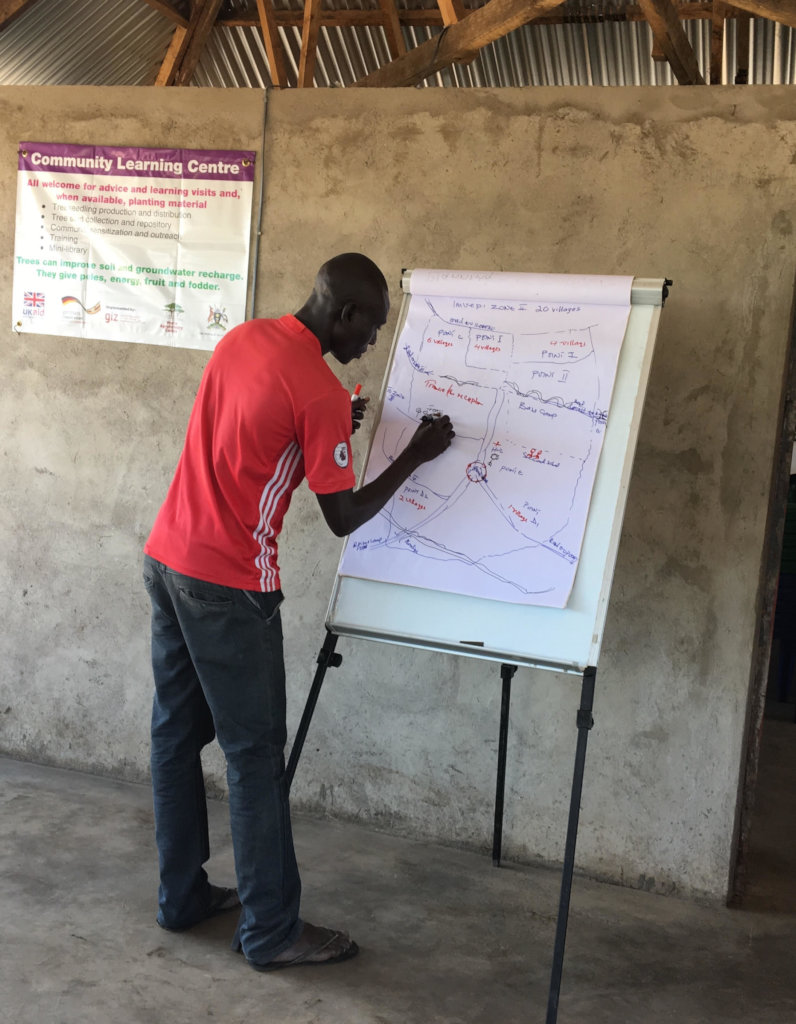
Next month, before the Christmas holidays, we are going to disseminate our "learnings" from seven years in the refugee settlements in NW Uganda. The workshop will take place in Kampala, the capital of Uganda. And we are inviting the great and the good from the donor, NGO and government who, alongside us, are addressing the existential issues of "displacement".
We will be hearing from a senior government official in charge of refugees. Uganda has an exceptionally generous refugee policy: refugees are allocated land, can work and move around the country.
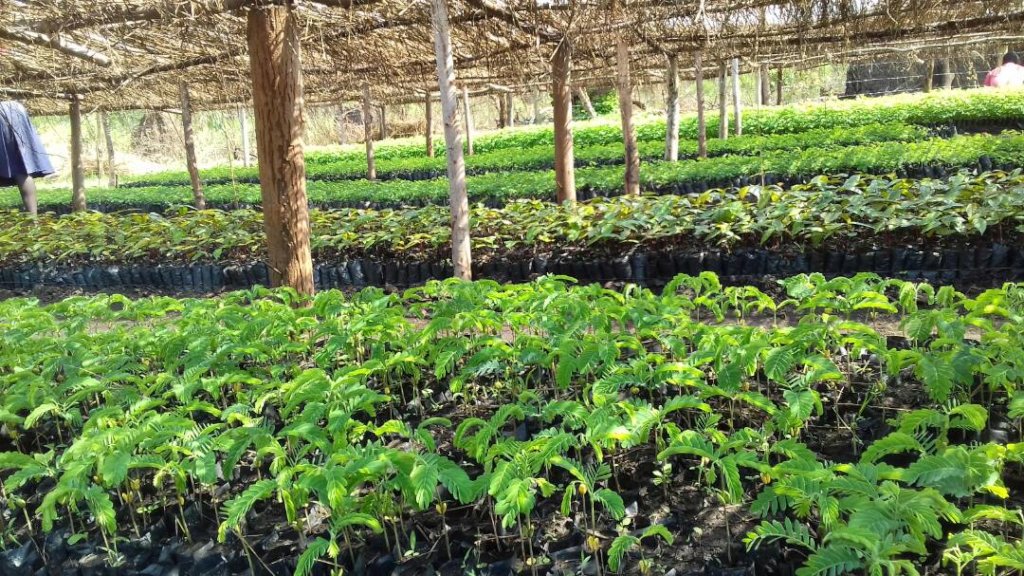
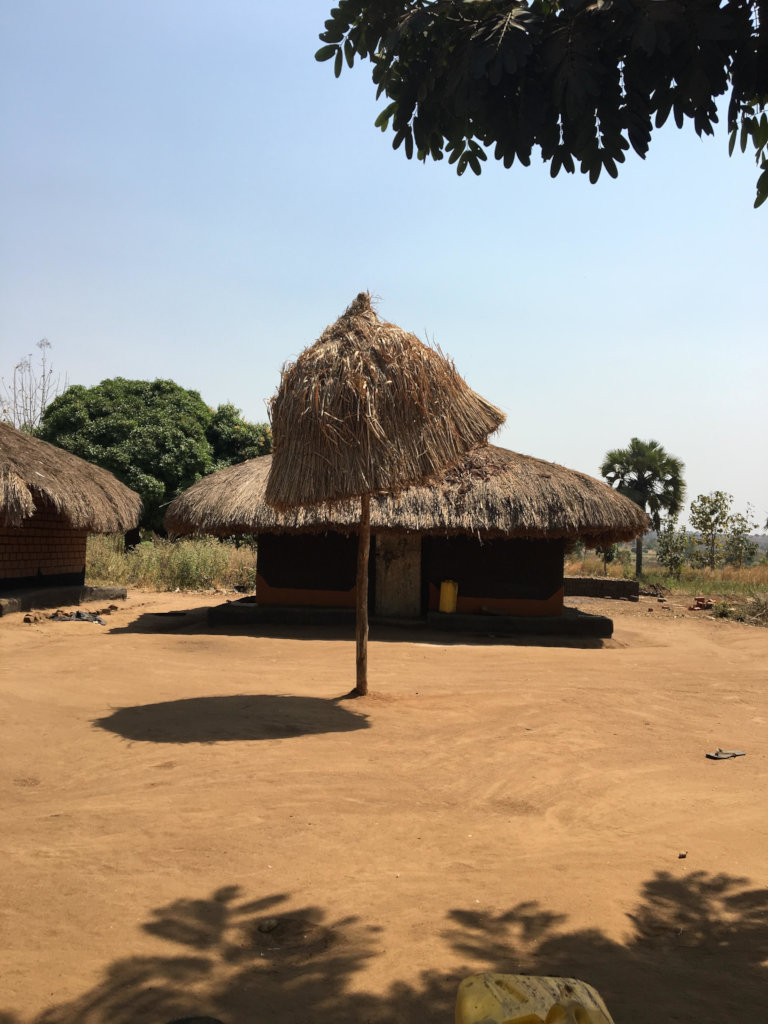
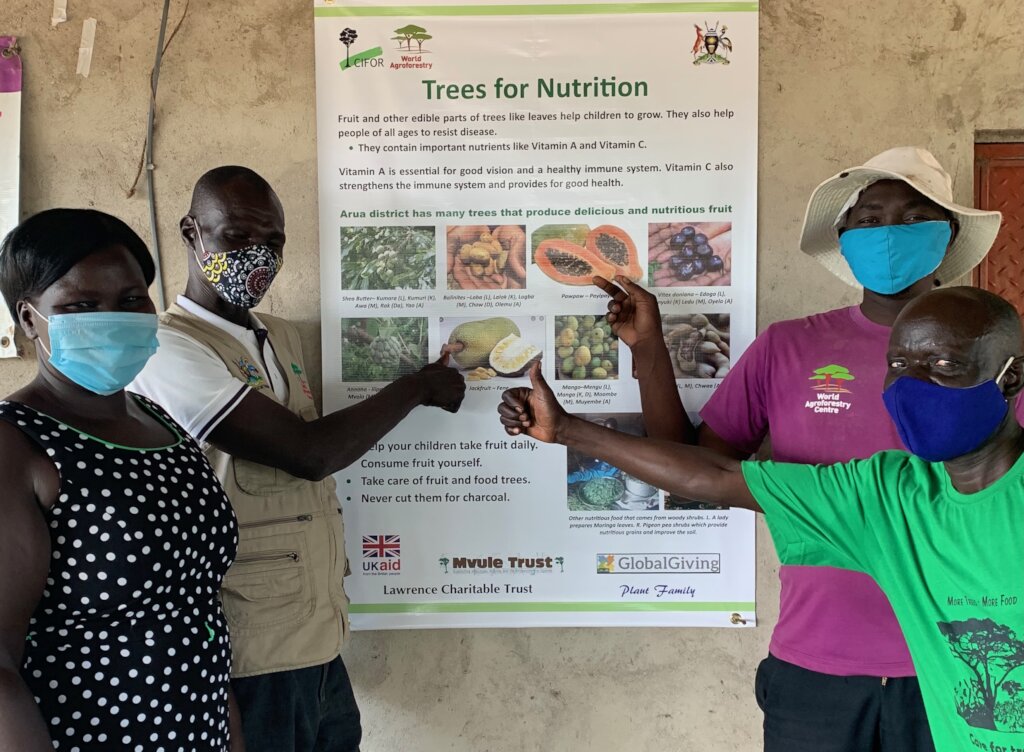
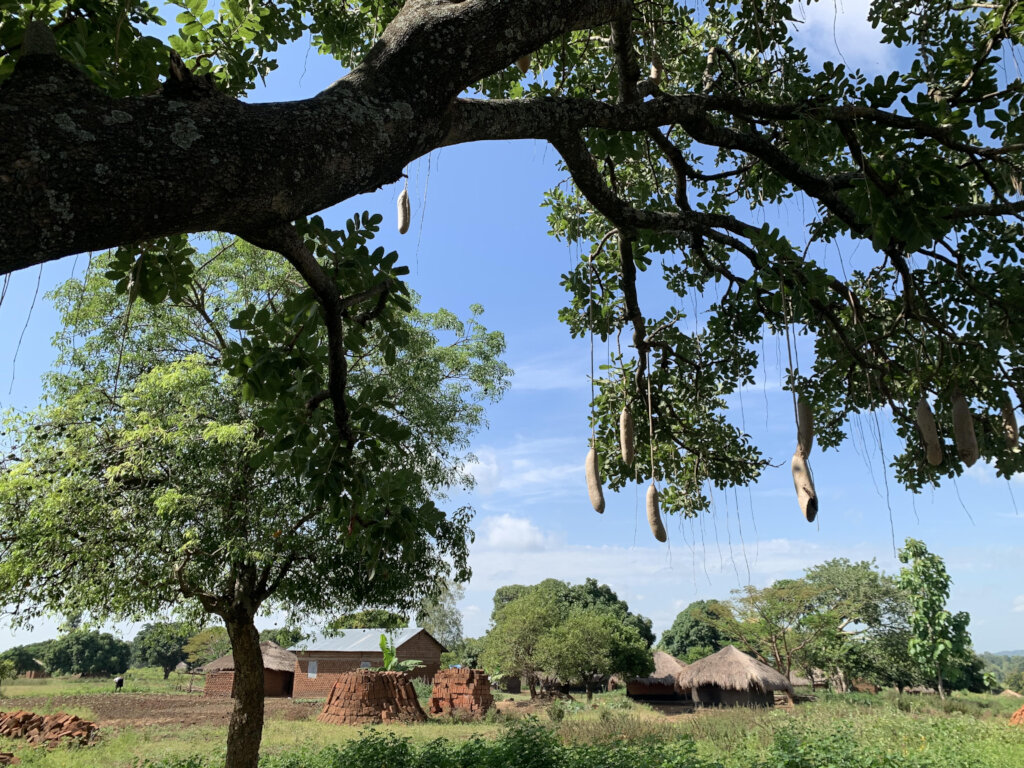
We will also be hearing from a senior official in the Ministry of Forestry, Water and Environment. Refugees depend on trees to build their homes, cook, hold their plots together, for windbreak and shade -- to mention just a few of the reasons why trees matter so utterly.
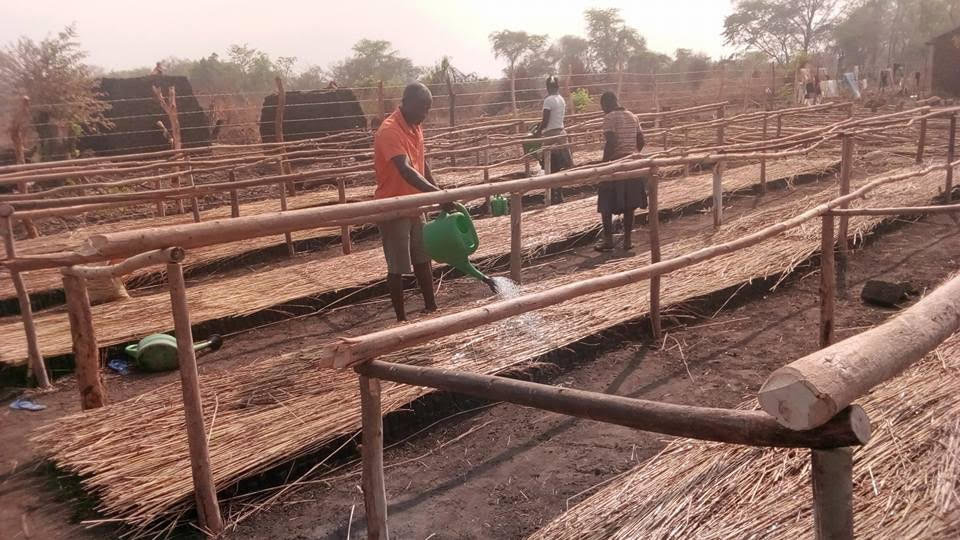
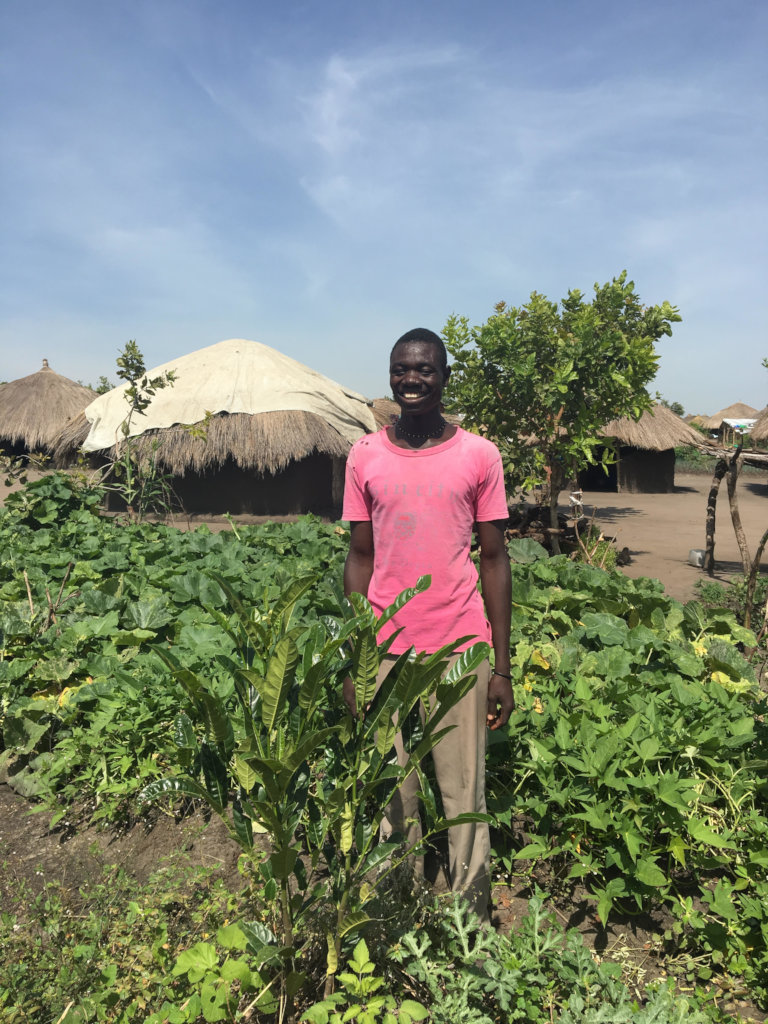
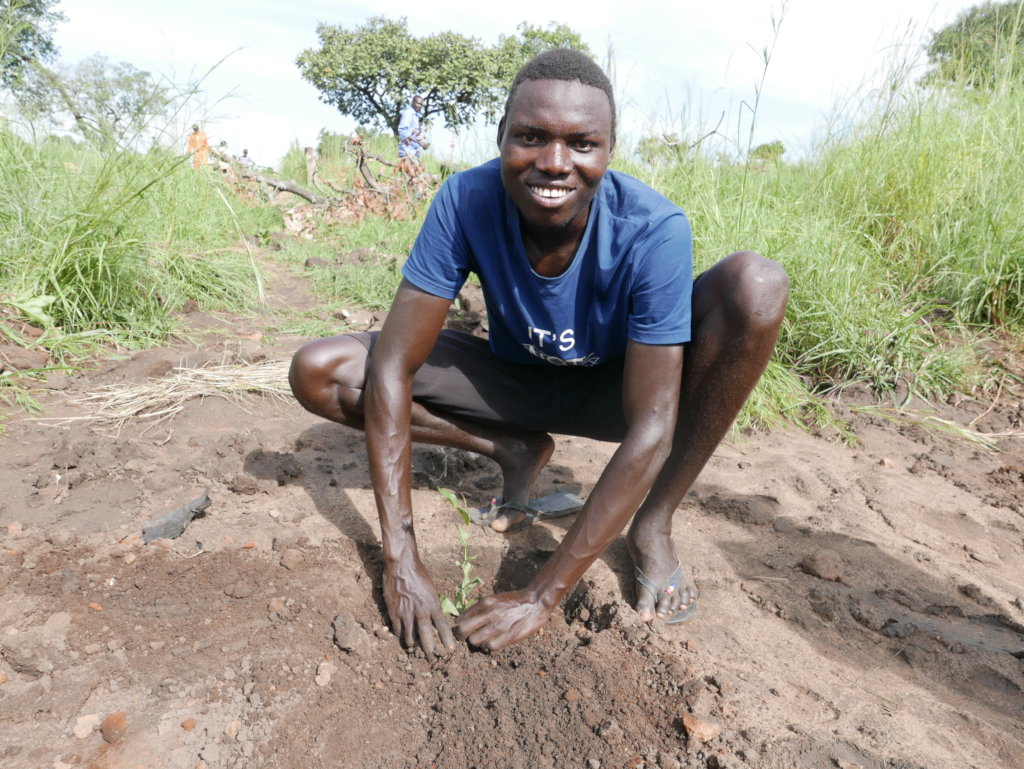
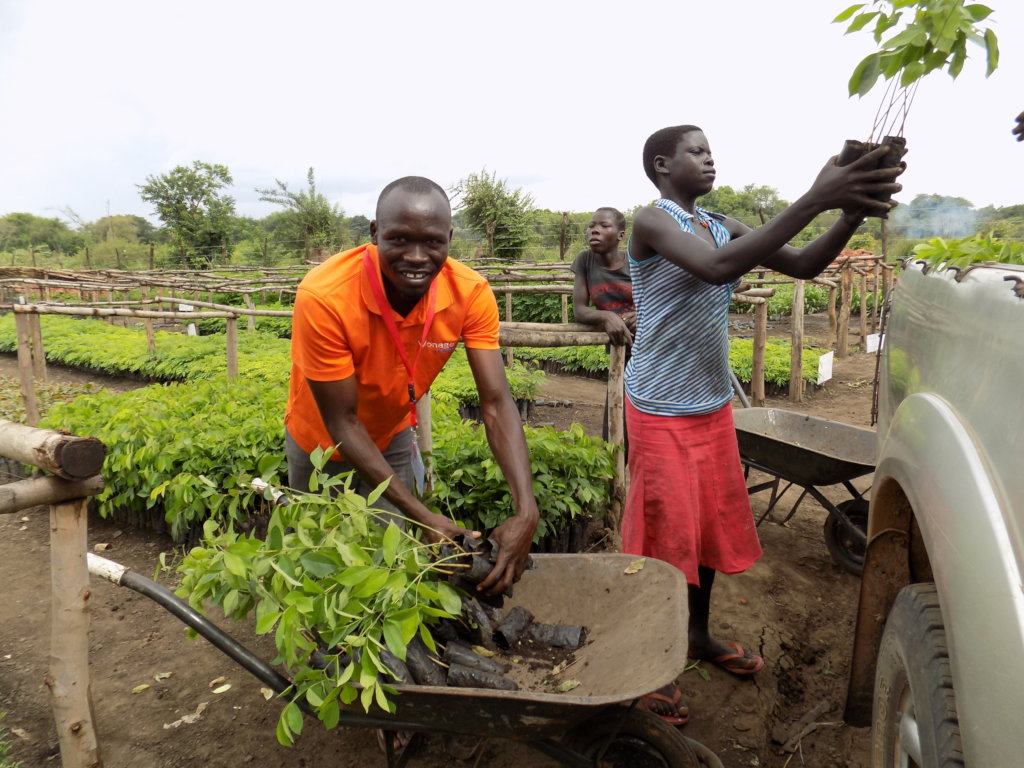
Then, we will talk. First me, on how, defying all expectations, refugees planted and grew up to 57 trees of 12 species on a 30x30 plot: refugees will plant and care for trees. Then Sola will talk about where and how they planted and how we brought about "uptake (our model of hiring South Sudanese community-based facilitators to visit homesteads). Finally, Sarah will talk about her staggering enthnobotanical finding that refugees collect, rely on and use parts of 141 wild plants for food, fibre, medicine. The learning here is that the "bush" or wild apparently unused areas are not wasted areas but rather irreplaceable repositories of valued products.
Then, of course we will have coffee and make new friends and contacts. But, the subtext is that we want to get the word out: we need more boots on the ground, particularly engaged refugees and loclal foresters (you can't just hand out seedlings and expect that they will be grown); more species of trees (no monocultures please); do not cut indigenous trees to plant exotic woodlots (no, no, no, please); and raise indigenous trees: refugees (and hosts) will plant them, even if not always in the numbers we might like to see..
But we are not going to hammer the invitees on the head with our findings. We will have two panels of third party commentators including staff from the UN High Commission for Refugees, the big NGOs carrying out tree-based interventions, and the donors that fund them.
We hope that this workshop will win hearts and minds. Our invitation letter reads: "We welcome you to come and hear about our pragmatic, hard-headed, but also nature-based model to avail badly needed trees for refugees and hosts -- how it rolled out, its ups and downs".
It goes on to say: "Though enormous advances have been made in incorporating the environment in the humanitarian agenda, we will discuss with you and a multitude of speakers and panelists, how and why we need to progress an ever more tree- and nature-positive approach to refugee-hosting areas and how this can be doable and cost-effective".
Wish us luck! You will get a report on how it goes down. We could not love this project more if we tried! And thank you so much for your unbelievable support, without which we would have closed our doors in 2018.
Links:
Project reports on GlobalGiving are posted directly to globalgiving.org by Project Leaders as they are completed, generally every 3-4 months. To protect the integrity of these documents, GlobalGiving does not alter them; therefore you may find some language or formatting issues.
If you donate to this project or have donated to this project, you can receive an email when this project posts a report. You can also subscribe for reports without donating.