By Cathy Watson | Chief of Partnerships
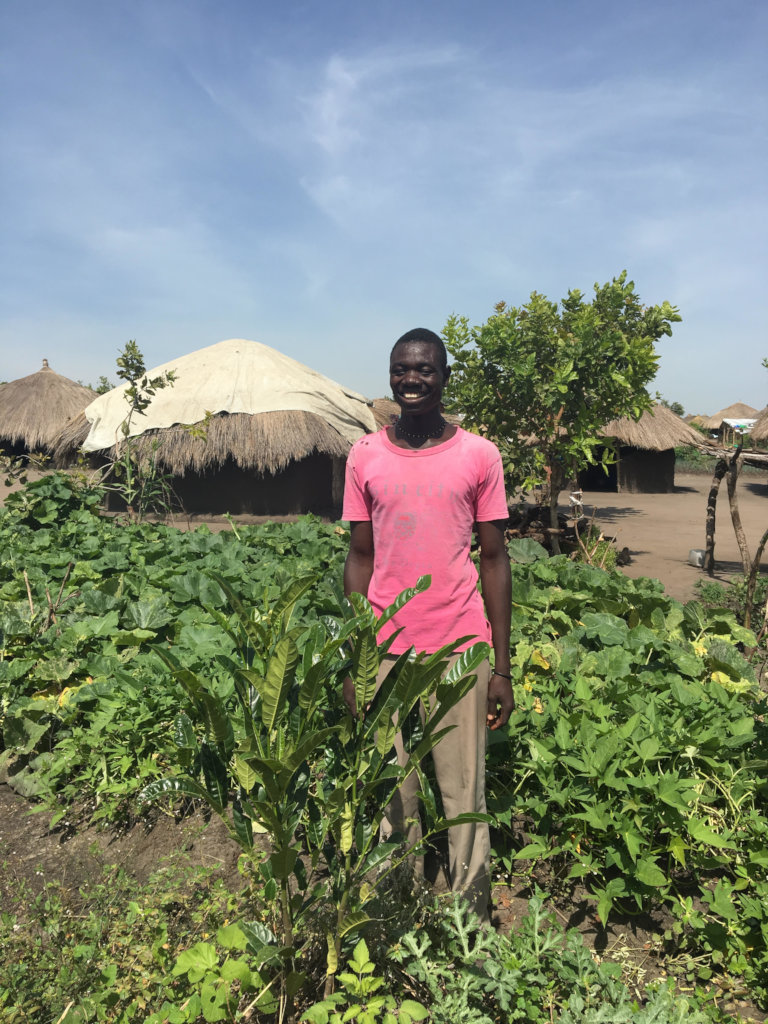
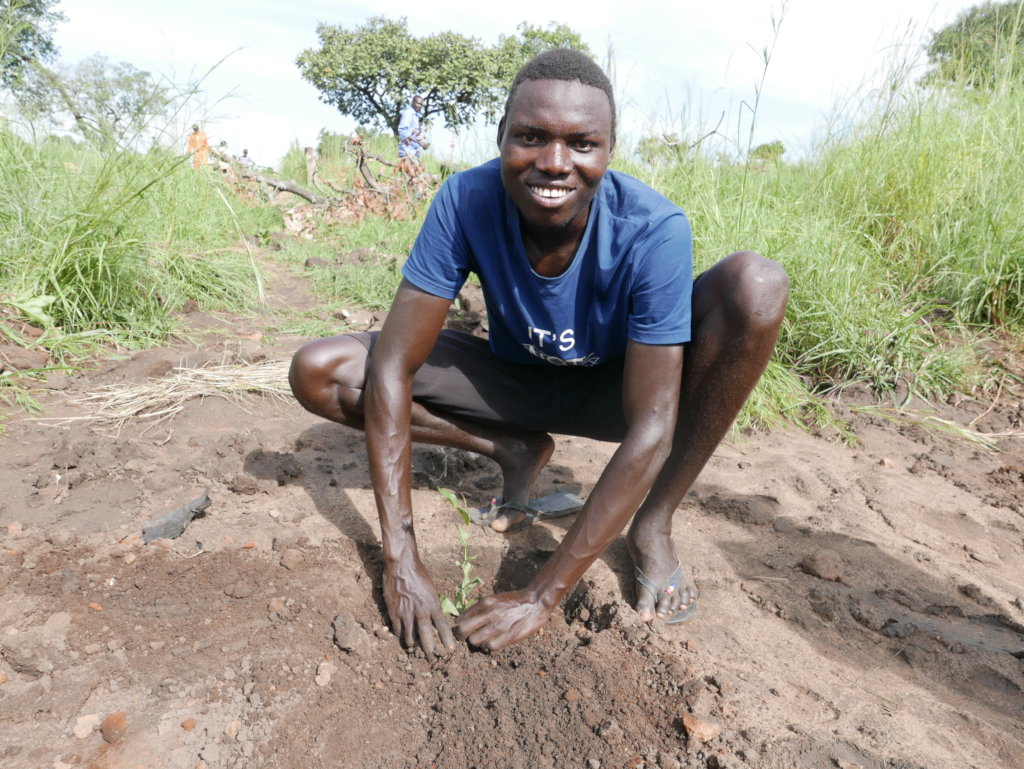
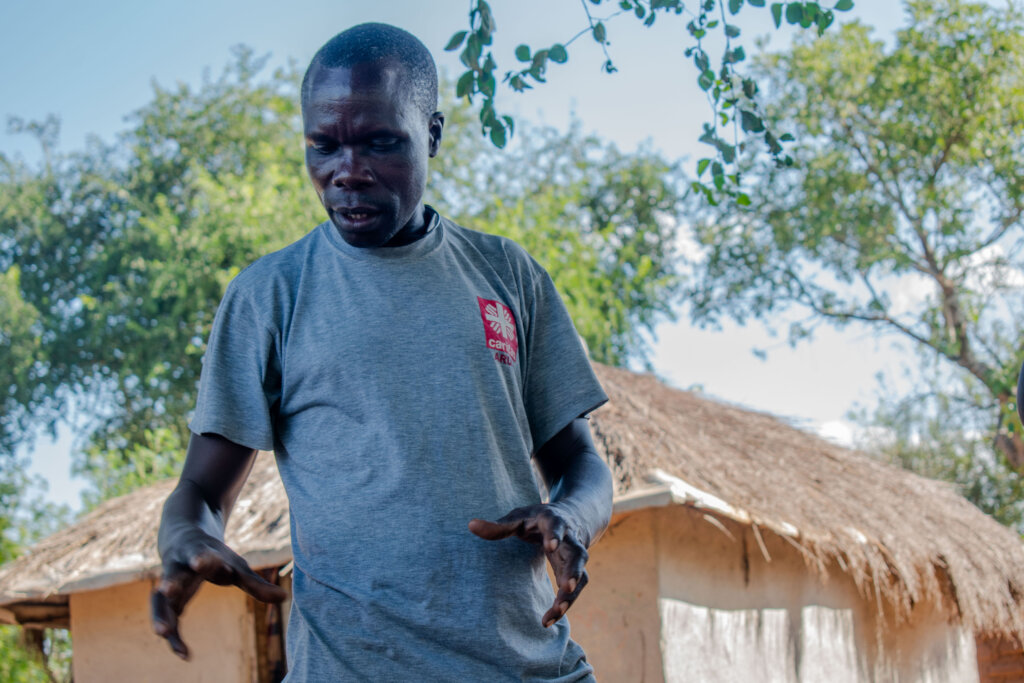
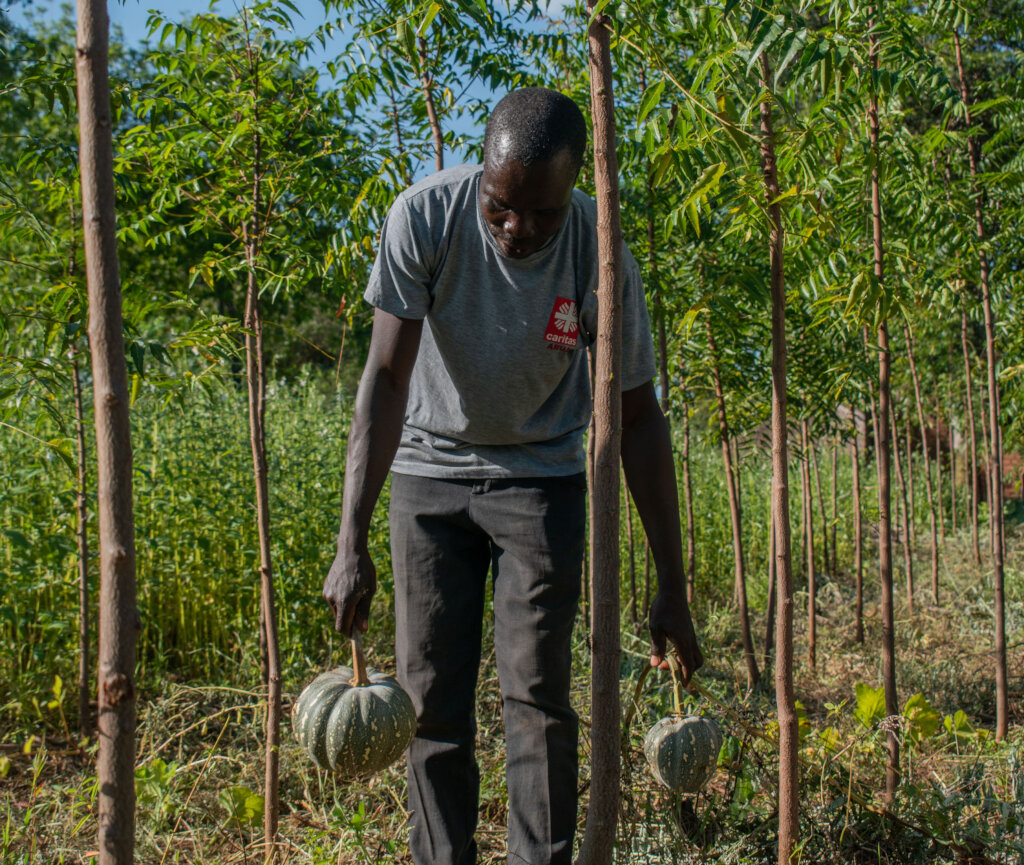
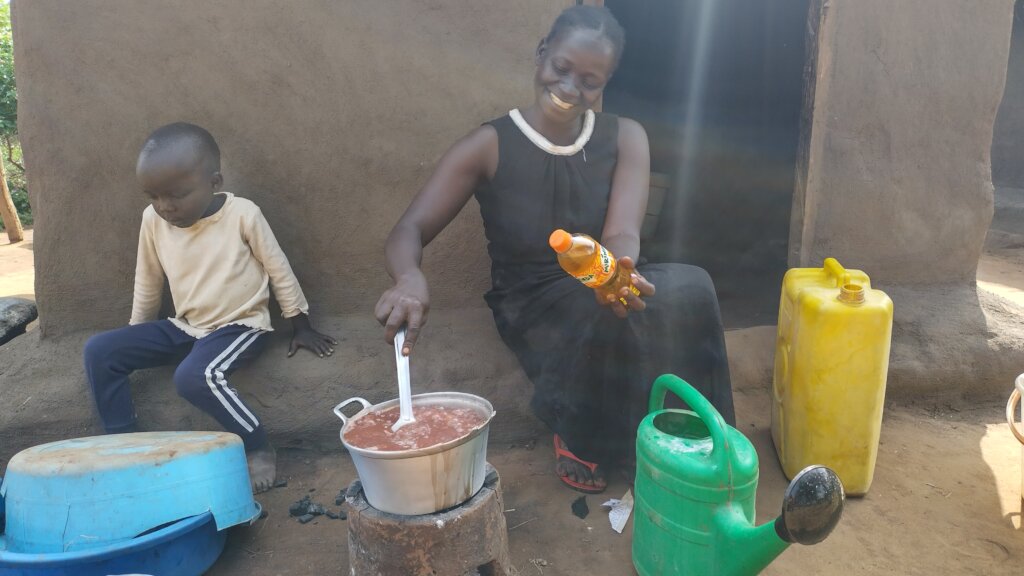
Isaac David, 35, and Betty, 30, are a hardworking married couple. Refugees since 2017, they have been in our agroforestry program since 2018. They currently tend a whopping 534 trees – a figure way beyond our expectations.
Our early research showed refugees willing to plant up to 55 trees on the 50 x 50-meter plot allocated to them by the Ugandan government and UN. Isaac and Betty have far surpassed this by absorbing the 50 x 50 m2 plot of Isaac’s brother who returned to South Sudan and by renting from Ugandan villagers nearby (a quarter acre costs the equivalent of $27 a year).
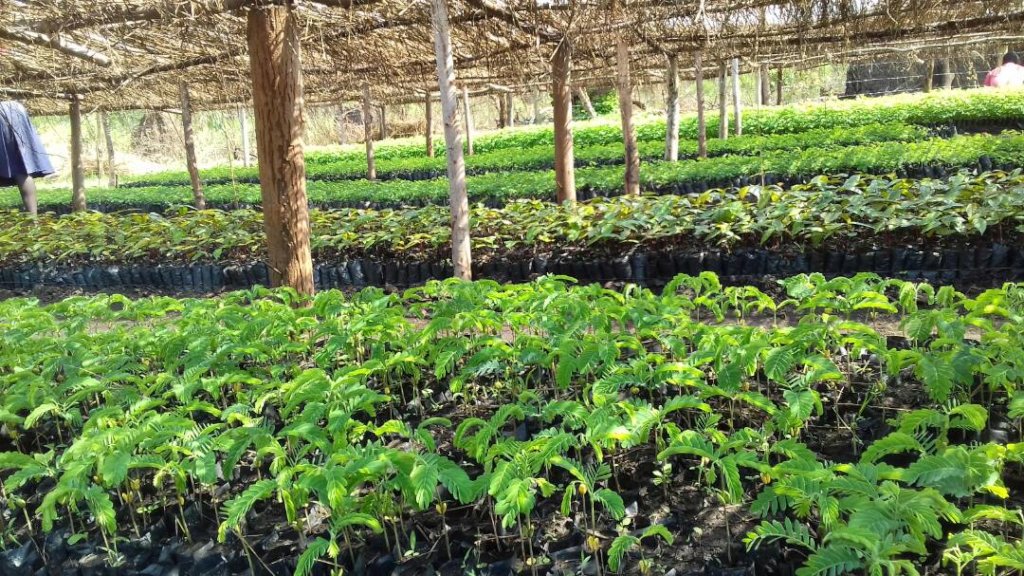
From the start, they needed trees. “Our plots were earlier occupied by refugees who were repatriated. They left the area depleted of natural resources” says Betty.
But the family has also showed huge vitality and get go. “This is a very active family where every member of the family participates,” says ICRAF forester and field assistant Joel Adriko who has worked with them for four years.
The team work has paid off. The Amule household has an impressive 14 species of trees.
- seven species of fruit/food trees (mango, papaya, guava, Annona or soursop, avocado, jackfruit, and moringa, which has edible leaves, for a total of 95 trees);
- two species of nitrogen-fixing soil-improving woody fodder shrubs (Calliandra calothyrsusand Sesbania sesbans, for a total of 29 trees);
- two exotic timber species (Gmelina arborea and Azadirachta indicaor Neem, which is also medicinal, for a total of 167 trees) mostly in woodlots at 1 to 2 meters spacing;
- one fast-growing timber tree native to Ethiopia, Kenya, Somalia and Tanzania but not Uganda (Melia volkensii, for a total of 171 trees) also largely in woodlots;
- and two indigenous timber trees (40 fast-growing, bee-friendly, yellow-flowering and largely termite resistant Markhamia lutea and five African mahogany – Khaya grandifoliola - for a total 45 trees)
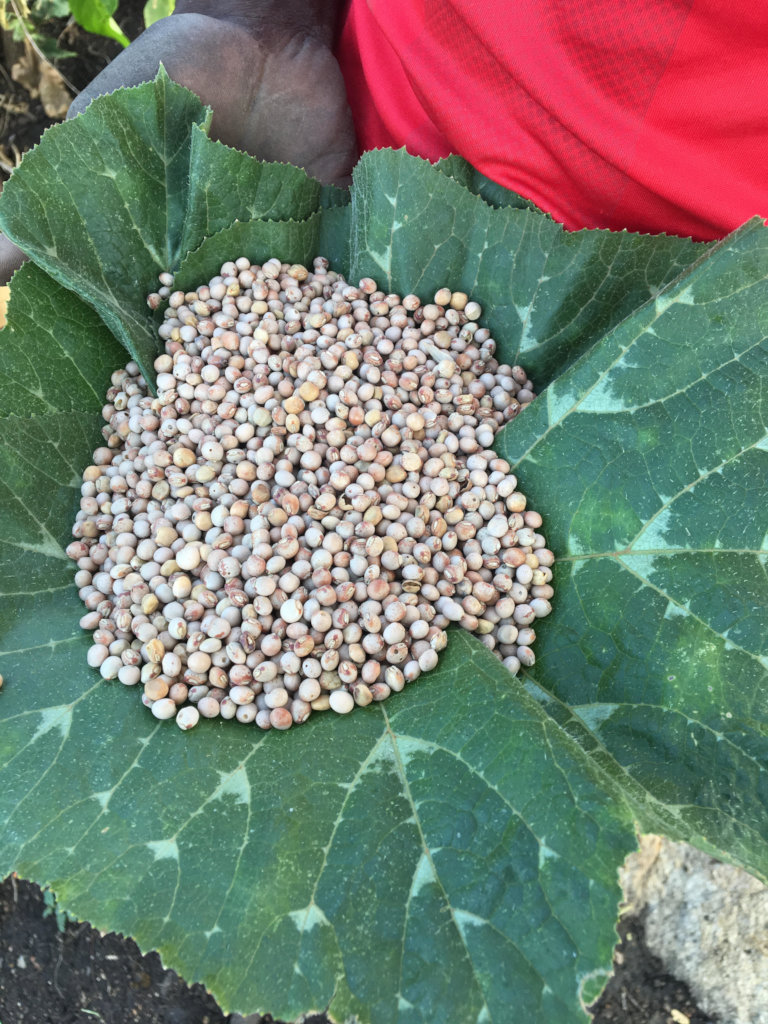
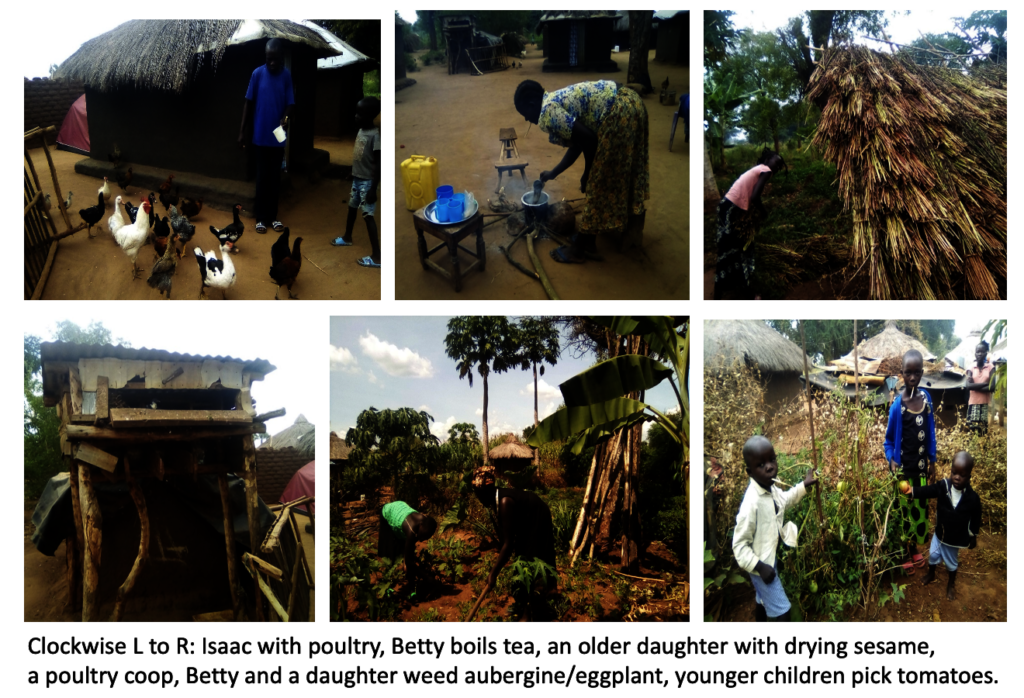
It is still a hard life. But all the school-aged children are in enrolled, and the family can feed itself and buy some of the items it needs. Among their trees, they cultivate tomatoes, eggplant, onions, pumpkin, pigeon peas, okra, broad beans, maize, groundnuts (peanuts), cassava and sweet potatoes.
We believe their success is in large part due to the backbone of trees.
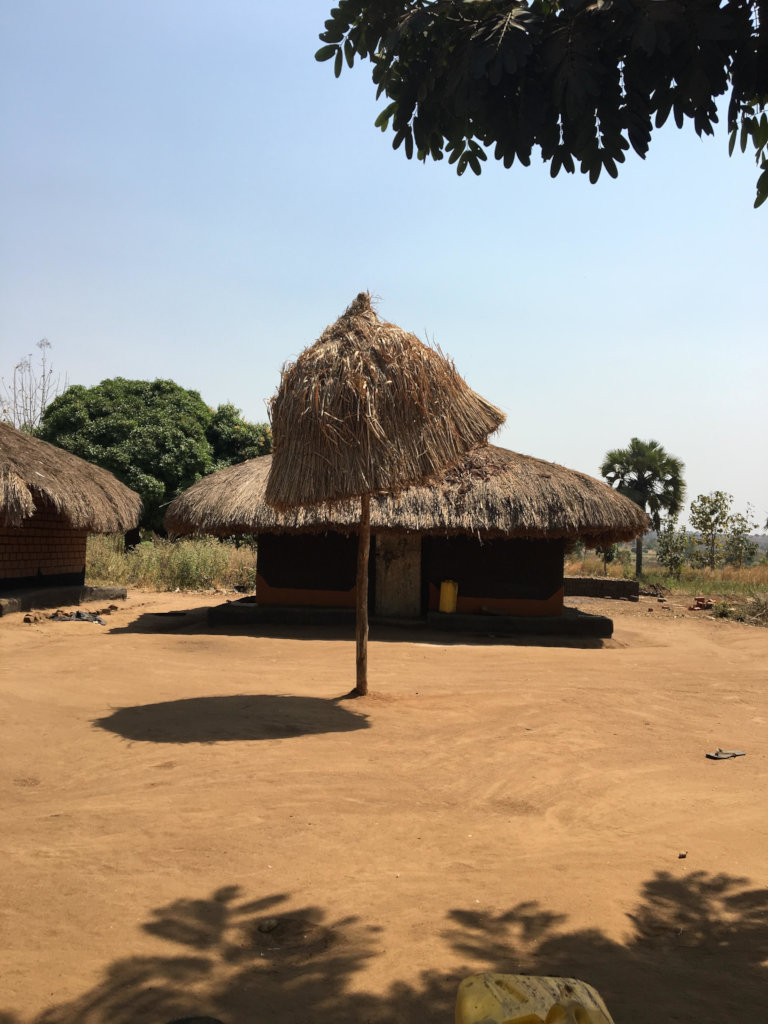
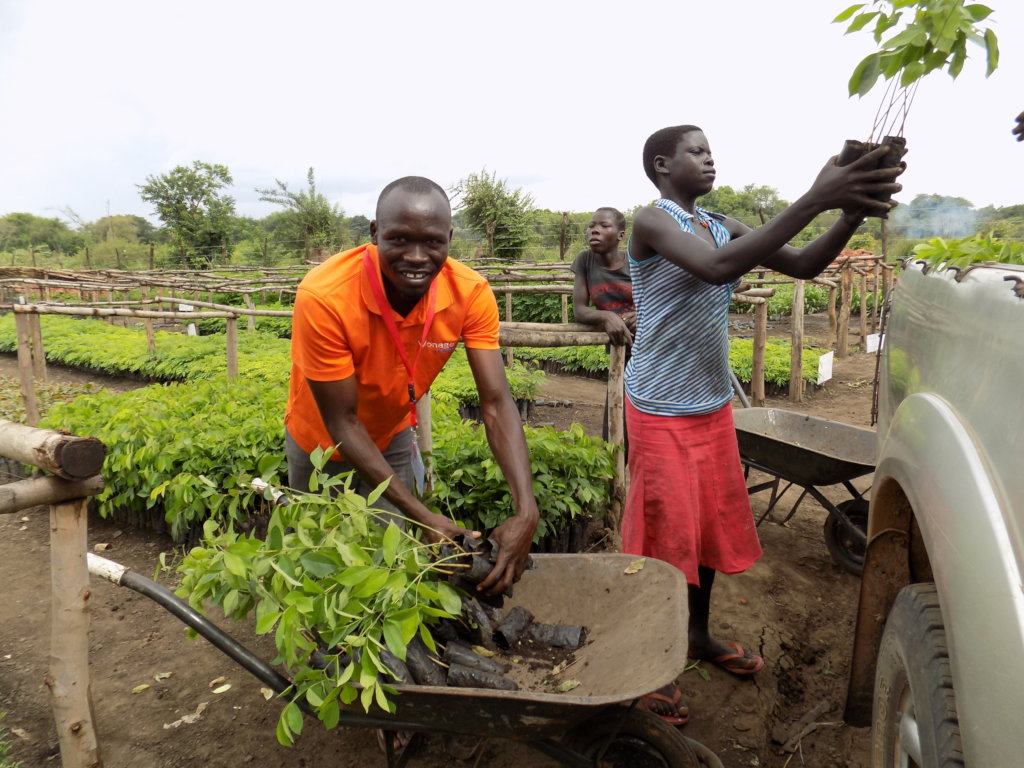
Every construction in the homestead is hammered together from wood. Its livestock - goats, sheep, pigs, ducks, chicken, and pigeons - flourish in tree shade (less heat stress, more weight gain). The poultry is safe at night from wild animals such as civets in a wooden coop. The goats and sheep munch on the protein-rich leaves of fodder trees.
Betty and her adolescent daughters rarely have to venture into the bush for firewood, and Isaac industriously makes wood items for sale such as beds and tables. His poles of Neem and Melia volkensii sell each for 7,000/=, about $2, while fruit of papaya sell for $0.75-$1 each, and its leaves mixed with chili make a local insecticide.
We would like to see more indigenous trees on the land they work: eleven of the 14 tree species that the household is raising are exotics. We did not find any of the indigenous fruit trees that we promote, like Vitex doniana and Balinites aegyptiaca. We would also like to see more of the threatened keystone species that we raise, such as Afzelia africana and Milicia excelsa (Mvule), on and around refugee plots,
We need to do more to explain to the households we work with how indigenous trees and biodiversity benefit people, and more generally why tree diversity is important. Here are some of the arguments.
- Native fruit species are often exceptionally nutritious, and the more diverse the portfolio of fruit trees, the more likely it is to provide year-round nutrition and income.
- Planting monocultures is a disease risk, reducing native vegetation that is crucial for healthy populations of natural pest controllers such as birds and beneficial insects. Mealybug Paracoccus marginatus has already caused losses of refugees’ papaya trees.
- Planting monocultures of exotic trees threatens pollination services by reducing bees’ access to the nectar and pollen-rich flowers of native trees. It also threatens honey production, an important traditional practice, income source and dietary delight.
- Tree diversity is at the heart of resilience since different tree species use resources differently. So, in one example, an area with a diversity of trees that use water differently will suffer less impact from drought.
Some of us lose sleep about this how to explain this. But project lead, Dr Phosiso Sola, says that we will get there. “It’s economics. Indigenous trees are by and large slower growing and do not seem to give the short-term returns needed for refugee survival.”
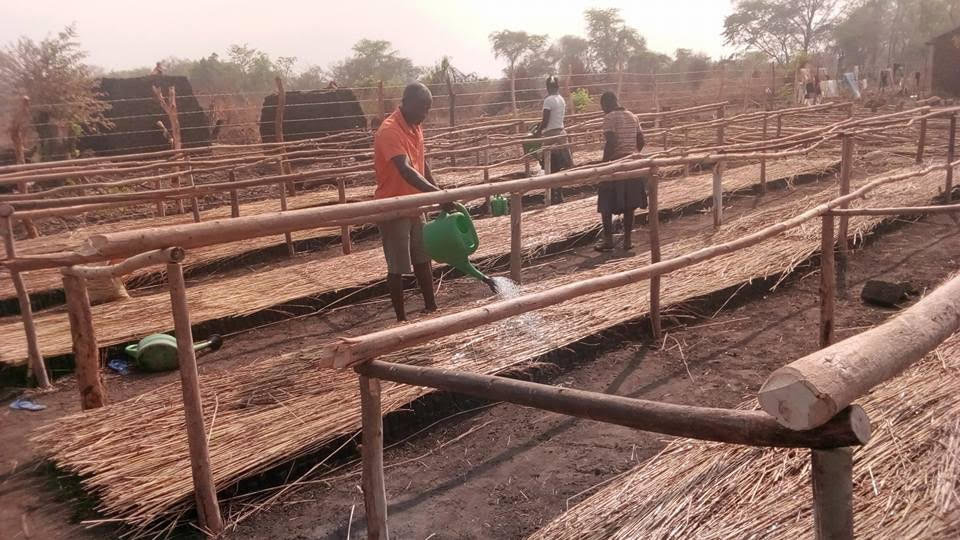
As 2022 ends, we give ourselves a pat on the back. We more engaged than ever with the UN refugee agency, World Food Programme, and the European Commission’s ECHO office, which just issued landmark requirements to reduce the environmental footprint of EU-funded humanitarian operations.
“Through community nurseries, the local population has access to the many goods and services that trees provide, including food through fruit forests and agroforestry,” the document says. Growing trees also “helps address shortages of firewood and construction material”.
Such ideas have become mainstream within just the past three or four years, as the climate and biodiversity crises bear down on us. We are proud of the outsized impact this small project has had on thinking.
“We have nature-based solutions for refugee-hosting areas and displacement settings that can be scaled,” states Sola.
And to all of you who have donated, she says, “We are deeply grateful. We could not do this without you. It has been a successful year.”
Links:
Project reports on GlobalGiving are posted directly to globalgiving.org by Project Leaders as they are completed, generally every 3-4 months. To protect the integrity of these documents, GlobalGiving does not alter them; therefore you may find some language or formatting issues.
If you donate to this project or have donated to this project, you can receive an email when this project posts a report. You can also subscribe for reports without donating.