By Cathy Watson | Chief of Partnerships
As summer draws to an end in the northern hemisphere and the rains begin in our part of the southern hemisphere, we are glad to be back in touch with our third report of the year.
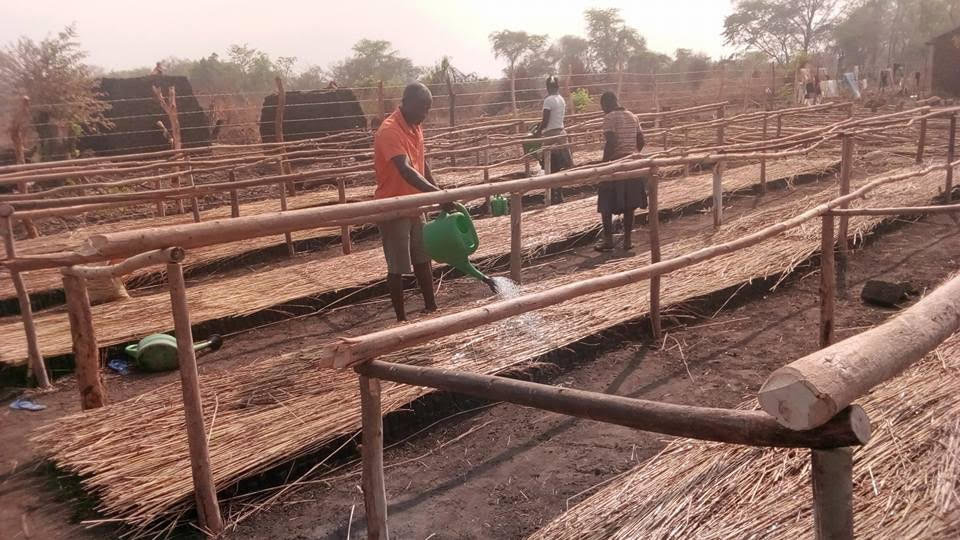
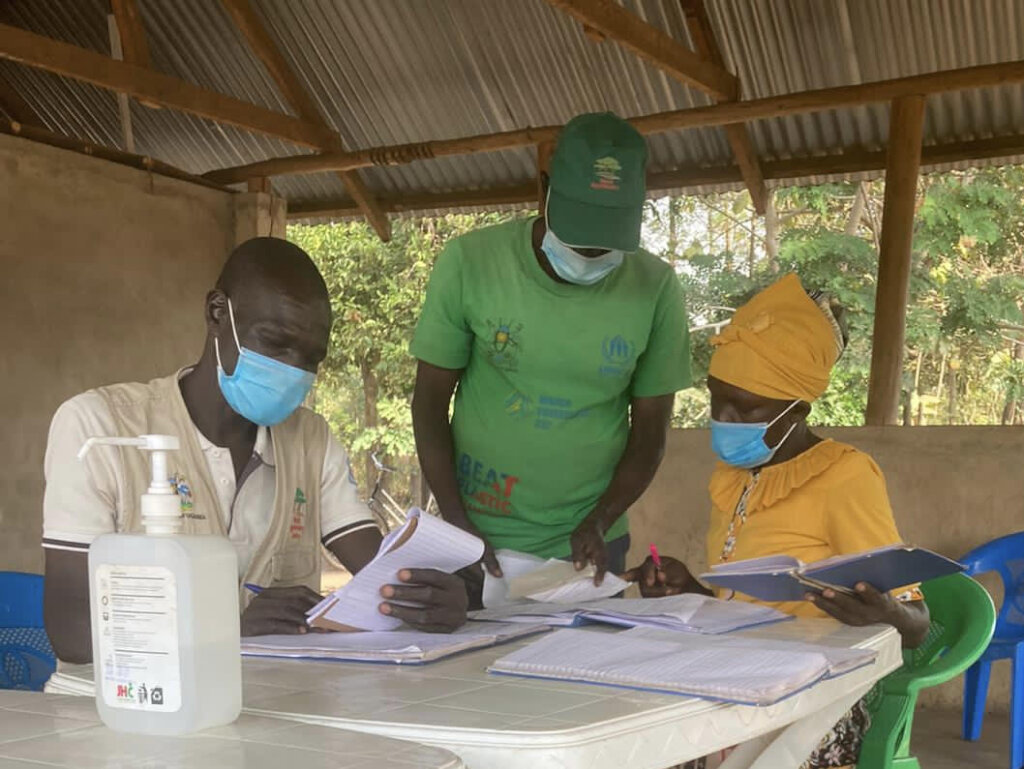
This time we want to give a particular shout to Sarah, who volunteered from February through April at the agroforestry learning center and conducted a long-awaited survey. Helped by Erik on her survey tool and our community-based facilitators who translated and supplied lists of beneficiaries, she sampled 80 households, 70% belonging to refugees, 30% to Ugandan nationals.
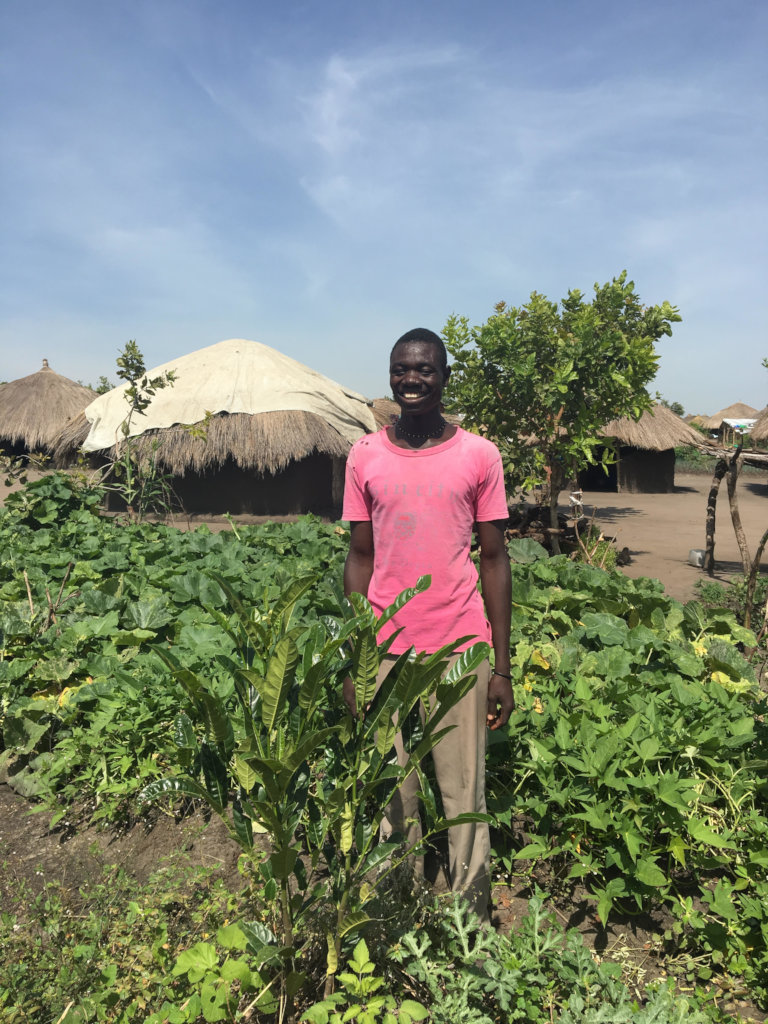
Her survey counted total trees, surviving trees, and trees with edible parts, and asked qualitative questions. Seventy per cent of the interviewees had had one or more years of experience with ICRAF while 30% were newer participants. Her findings were cheering. Here are some of them:
The last finding was particularly music to our ears. We had hoped that we were lessening pressure on natural vegetation and lightening the burden of firewood collection for women. It seems that we may be!
Sarah also found that refugee respondents involved for one or more years earned about $13 more per year from sale of tree products than respondents involved for less time, a considerable sum in the local economy. Poles and fruits were the most commonly sold products, the income usually used to buy soap, medicine, school uniforms and extra food items.
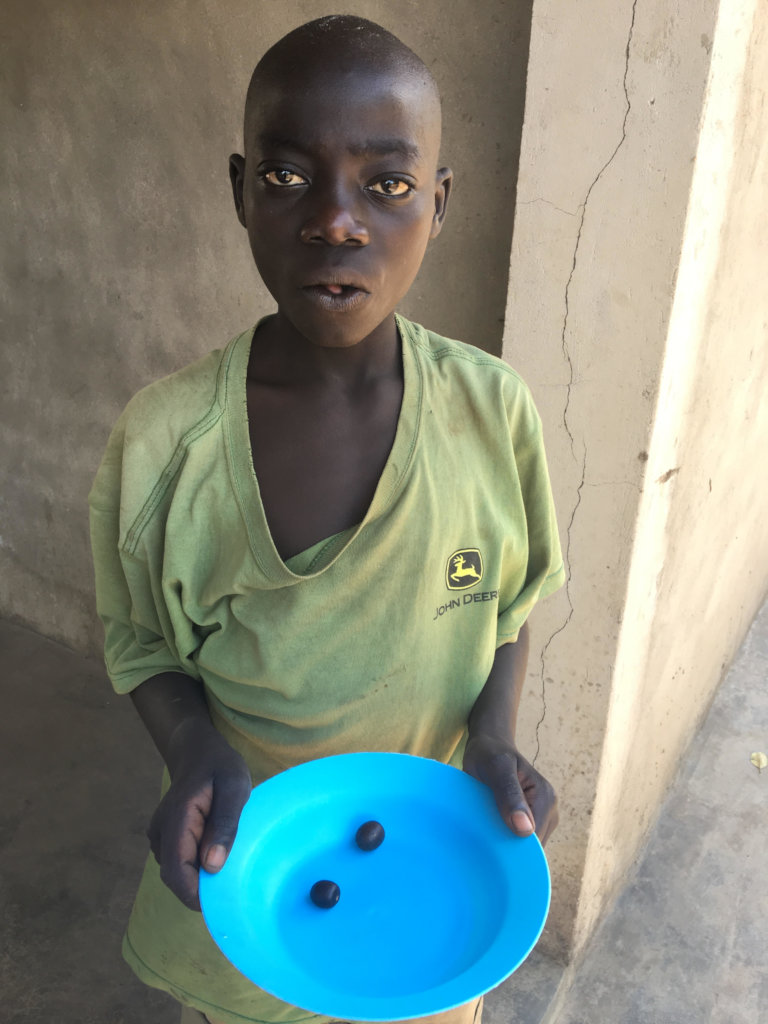
On food security, refugees with less than one year of participation had approximately 3 fewer fruit or “food” trees than those with a longer involvement. “Papaya, mango and tubers of indigenous Borassus palm were described as useful for relieving hunger among children during the food insecure months of May and June,” her report said.
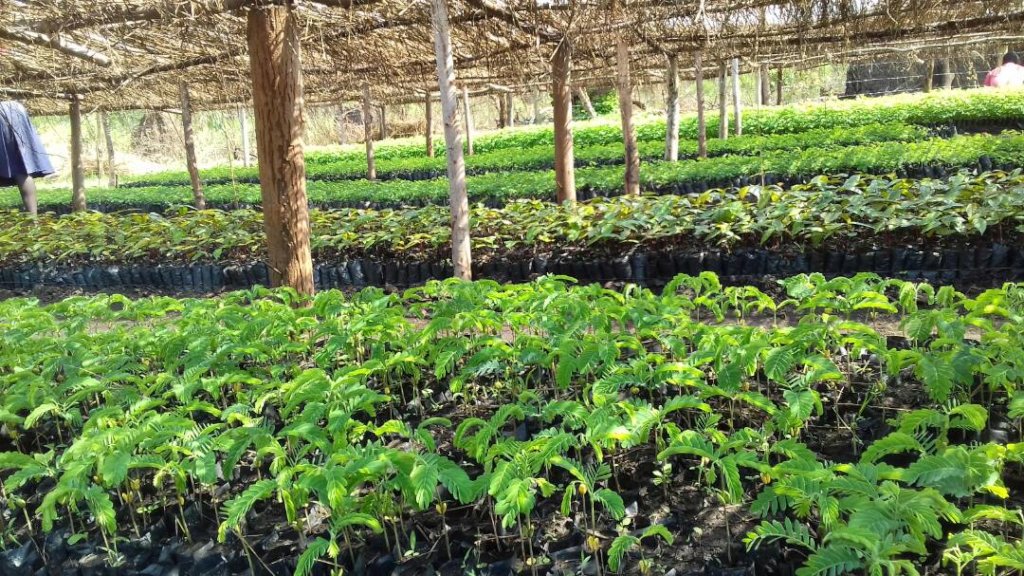
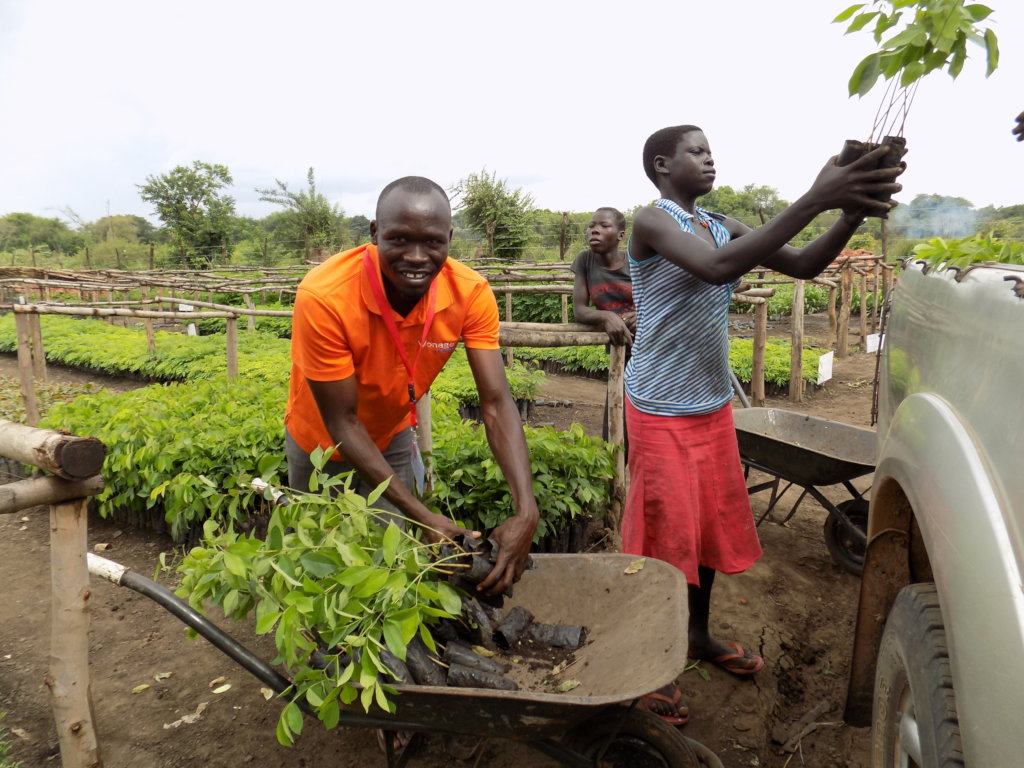
Finally, our survival rate is 53.1% for seedlings provided to refugees and 81.3% for seedlings supplied to hosts. Let’s be entirely frank. We have to improve that figure for refugees with better training and more homestead visits.
We don’t take these findings as gospel. But they are hugely encouraging. We wish Sarah all the very best in her PhD studies. In her last email, she said she had loved her time in the settlement. We have supported her in a grant application to return.
Thank you so much for contributing. Kindly make you next donation recurring. GlobalGiving advises us to convert as many of our followers to monthly as we can. Even $10 a month will give us more financial predictability. Thanks!
Links:
Project reports on GlobalGiving are posted directly to globalgiving.org by Project Leaders as they are completed, generally every 3-4 months. To protect the integrity of these documents, GlobalGiving does not alter them; therefore you may find some language or formatting issues.
If you donate to this project or have donated to this project, you can receive an email when this project posts a report. You can also subscribe for reports without donating.