By Cathy Watson | Chief - Program Development at World Agroforestry
We have now been running this fundraising campaign on GlobalGiving since November 2018 and have raised $6257 from 53 donations. We are grateful for every one of them. As I write, we are completing a project at our center with Mercy Corps, a large US humanitarian organization, and entering five lean months as we wait for another agreement with a Danish NGO.
During those five months, we will keep the center running, mostly using funds from a small British NGO called Mvule Trust (their newsletter is attached below) as well as funds from you. Not all the $6257 has been spent and we will eke out what remains and what comes in.
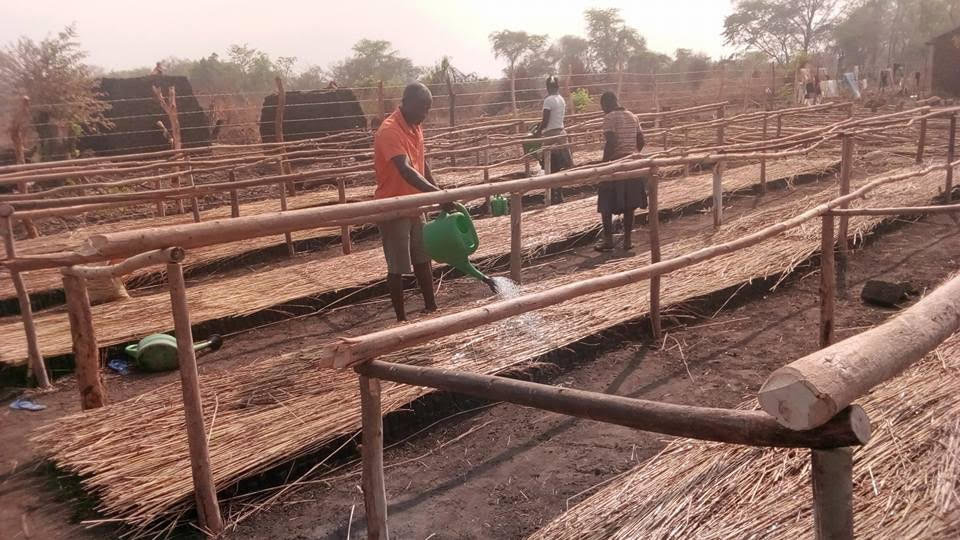
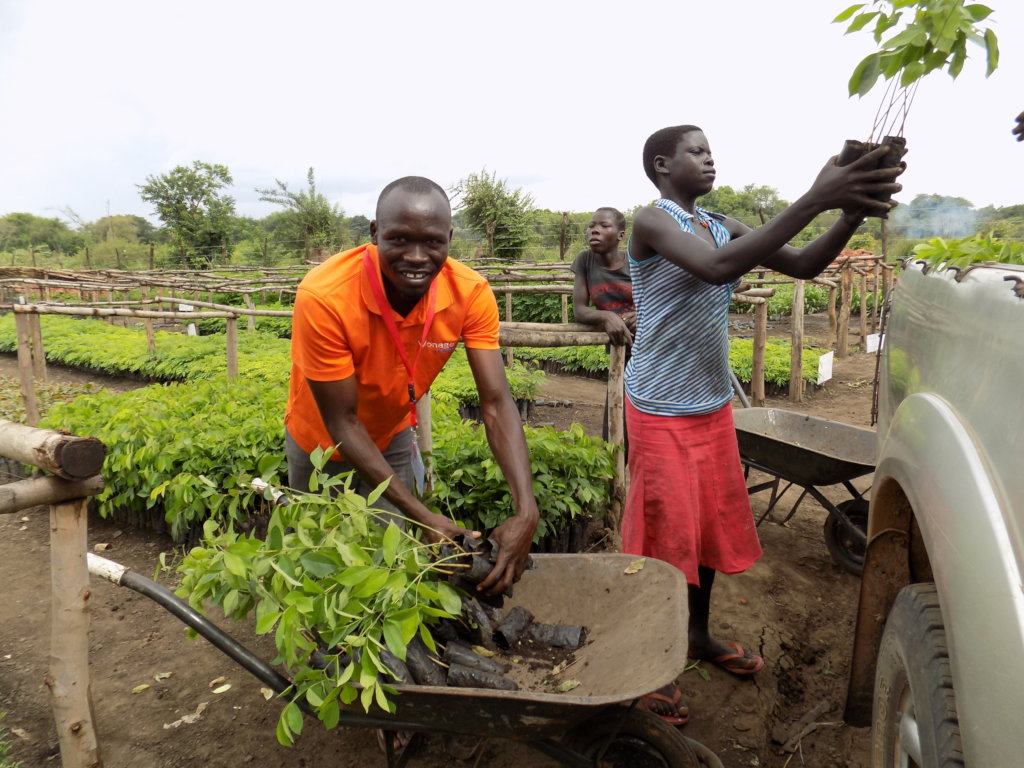
All of this fills us with joy. Tree projects are never short term, and it is amazing for us to see trees planted in 2017-2018. We have provided a steady constant presence for other NGOs needing seedlings and technical advice on tree growing, which includes natural regeneration of vegetation.
Since I last published a report on 11 November 2019, we have:
During the lean months, Adriko, a seasoned forester and agroforester, will be in charge. We have every confidence in him.
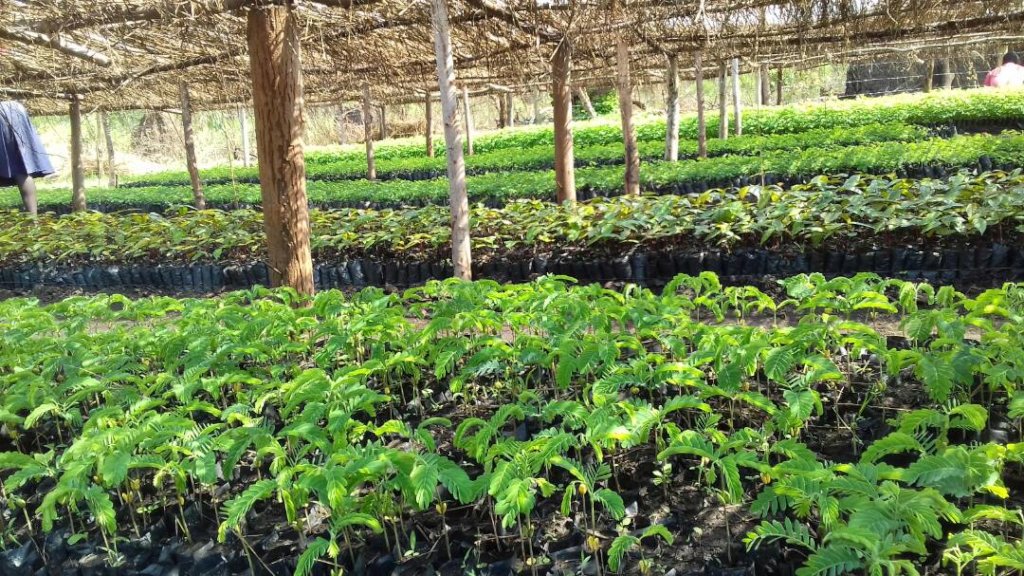
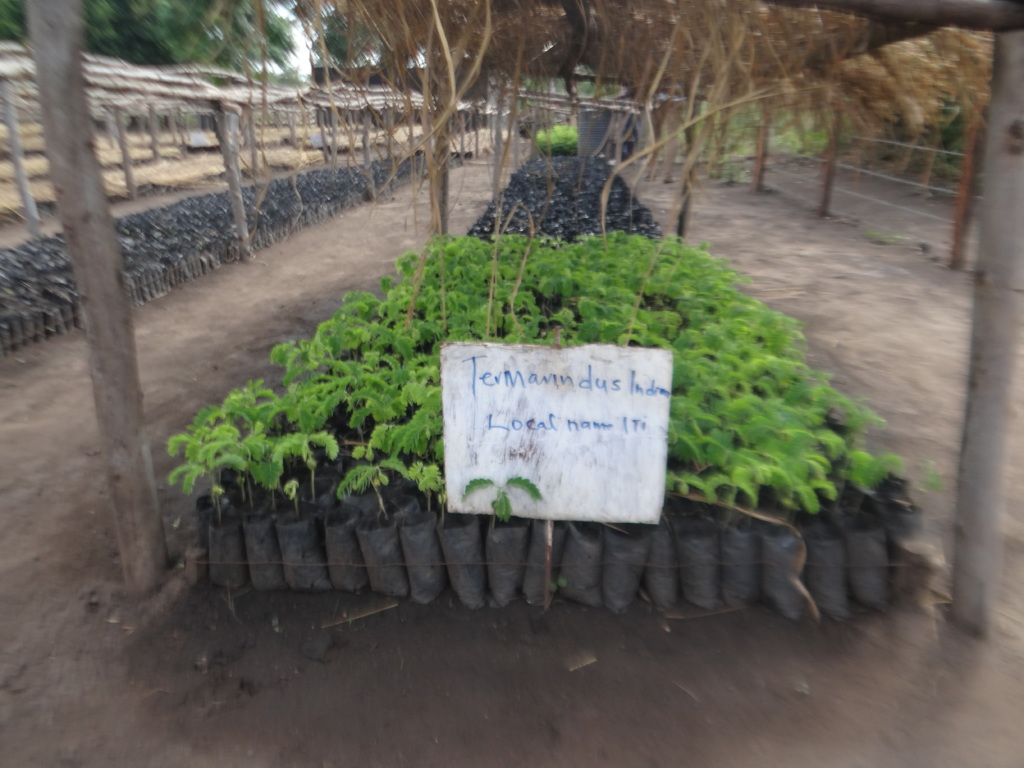
So far in 2020, we have sown seeds for 110,000 seedlings. These include Tamarind (which many of you will know from cooking), Shea (which produces the oil eaten locally but also exported as a cocoa butter substitute and for cosmetics), and the endangered hardwood Afzelia africana. We have grafted 2,000 mangoes for planting by the host community in Rhino Camp in April 2020.
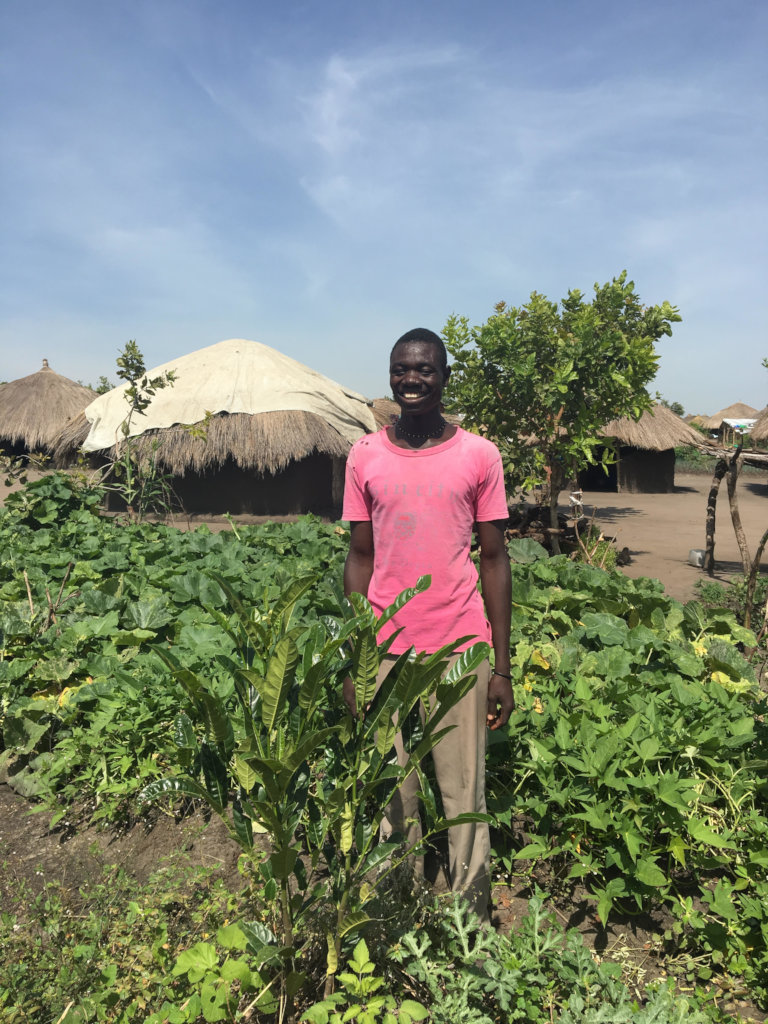
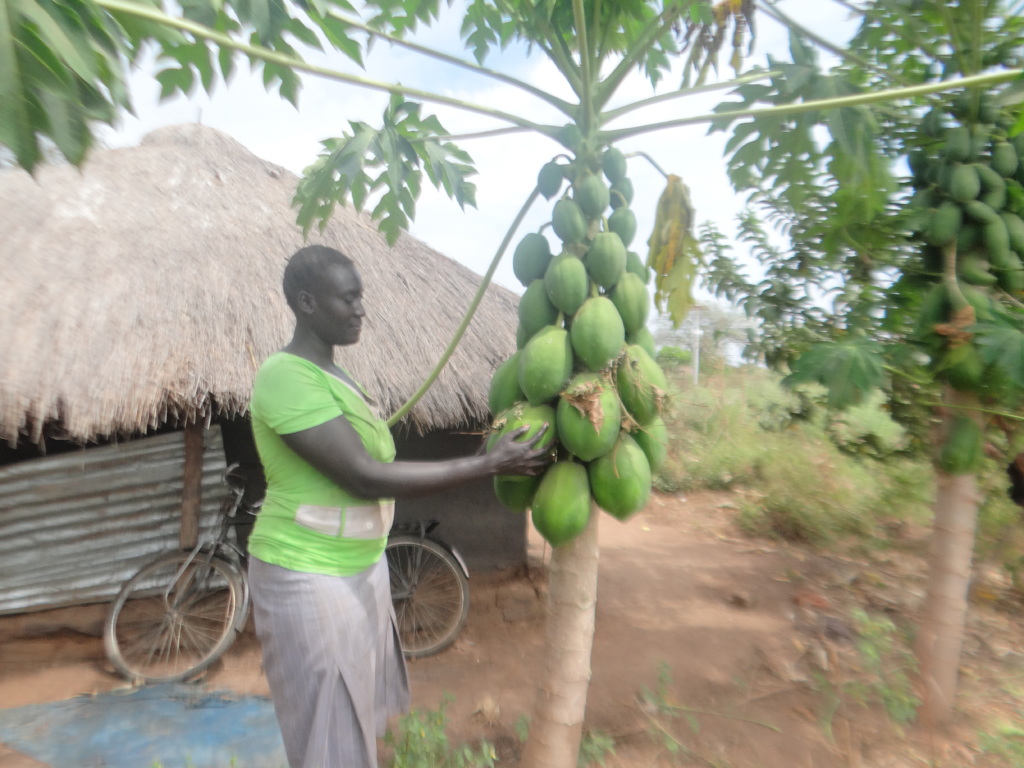
We also have many pawpaw (papaya) seedlings to give away. Pawpaw is the most sought after and planted exotic fruit tree. The fruits can be harvested just after 8 months. And each fruit can be sold at Uganda shillings 2,000 (equivalent to 60 US cents). Each pawpaw tree produces an average of 17 fruits in a season, making them a good income earner, although they are also important for household nutrition and we hope that households keep some for themselves.
The dilemma of what to sell and what to keep for home consumption is very real for small farmers, a category into which the refugees we work with fall. I attach one or two papers below, however, on the positive effects of trees and forests on dietary diversity, which is a proxy for dietary quality. Fruits and other tree products are rich in micronutrients which are critical for healthy growth and a lack of which causes stunting. You can read more about this here http://www.worldagroforestry.org/blog/2019/11/29/year-round-micronutrients-ten-species-fruit-trees-are-better-just-few
We have not sat on our hands in trying to raise funds for the refugee work and specifically for the nutrition work. We entered the area and our work for the Food System Vision Prize run by Rockefeller. We will keep you posted. We never sit still!
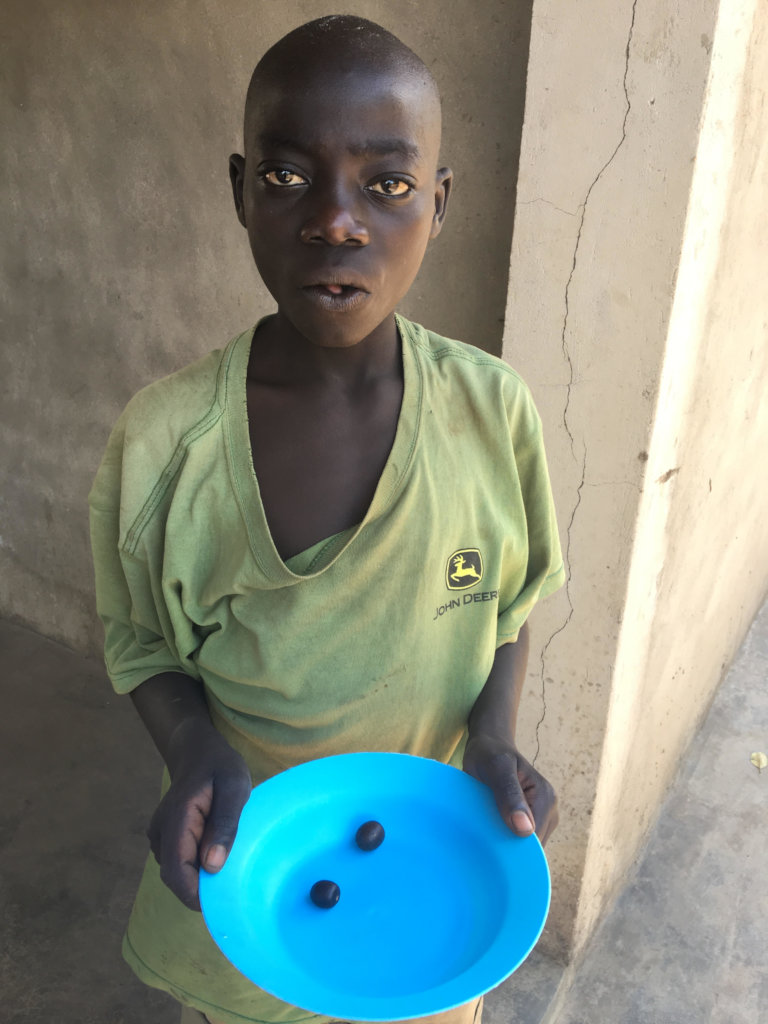
Peace still does not reign in South Sudan so we thank you for your support to the refugees, and were they to return home, we would continue to work with the host community, which has one of the highest levels of stunting in Uganda.
Thank you for your support from me and the team!
Links:
Project reports on GlobalGiving are posted directly to globalgiving.org by Project Leaders as they are completed, generally every 3-4 months. To protect the integrity of these documents, GlobalGiving does not alter them; therefore you may find some language or formatting issues.
If you donate to this project or have donated to this project, you can receive an email when this project posts a report. You can also subscribe for reports without donating.