By Cathy Watson | Chief - Program Development at World Agroforestry
Dear supporters,
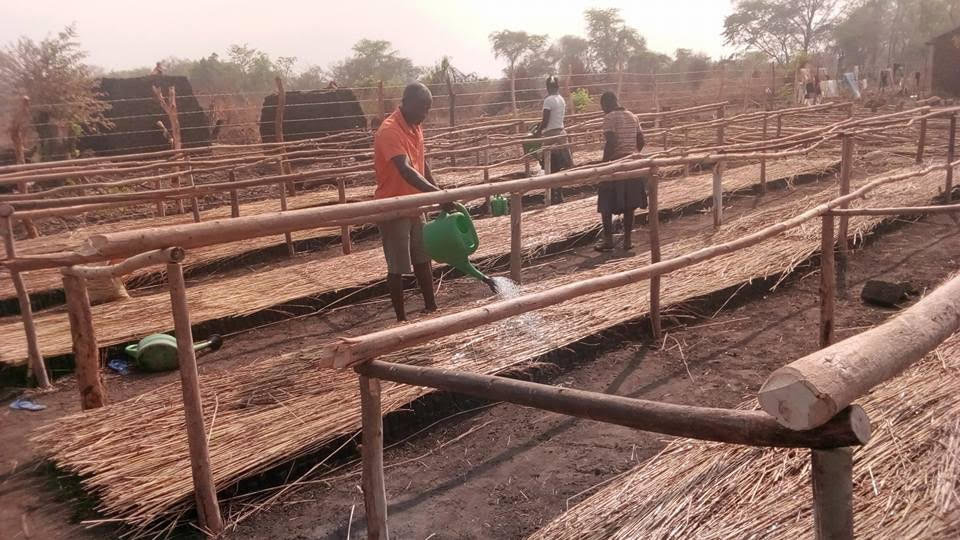
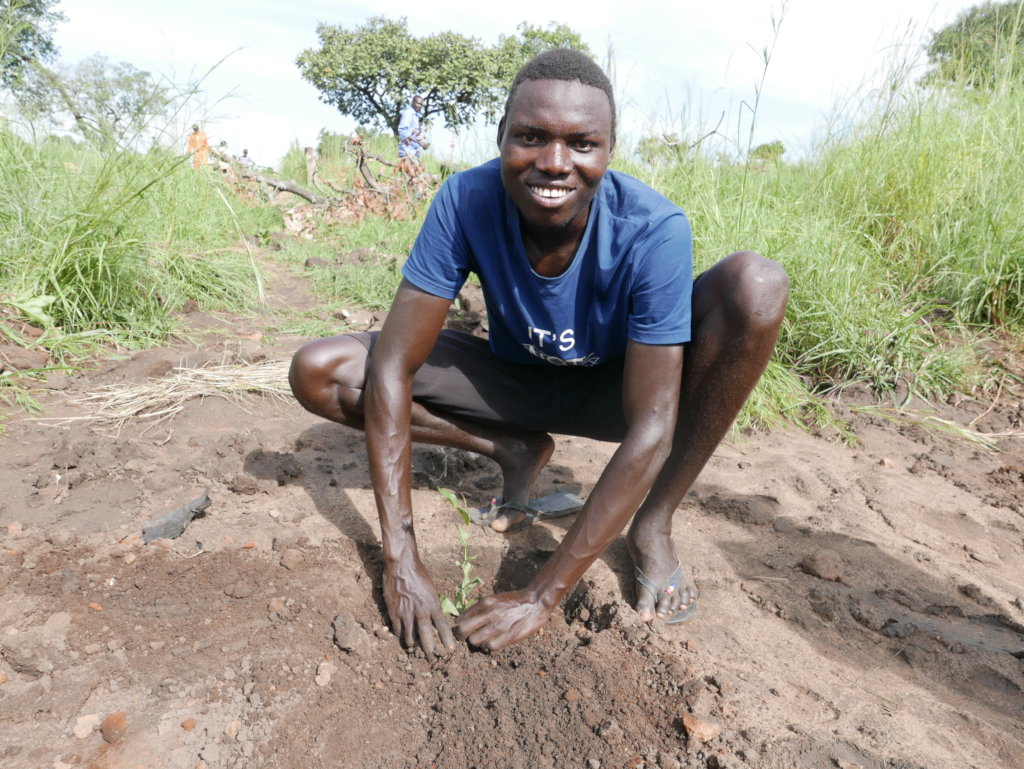
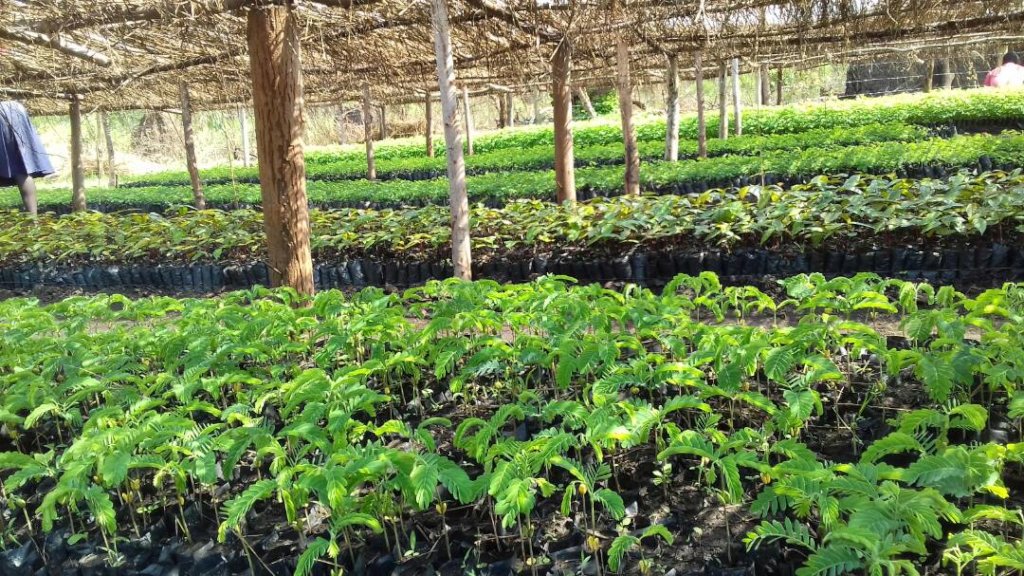
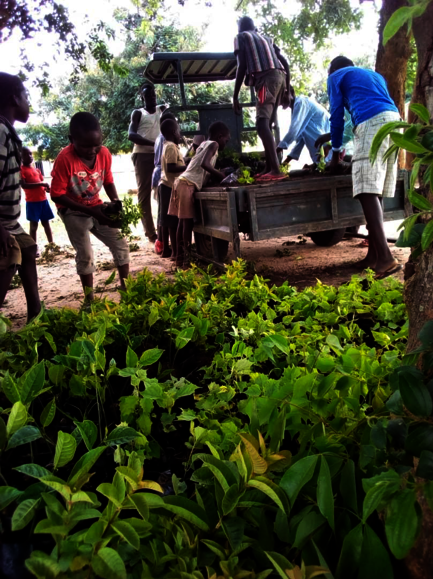
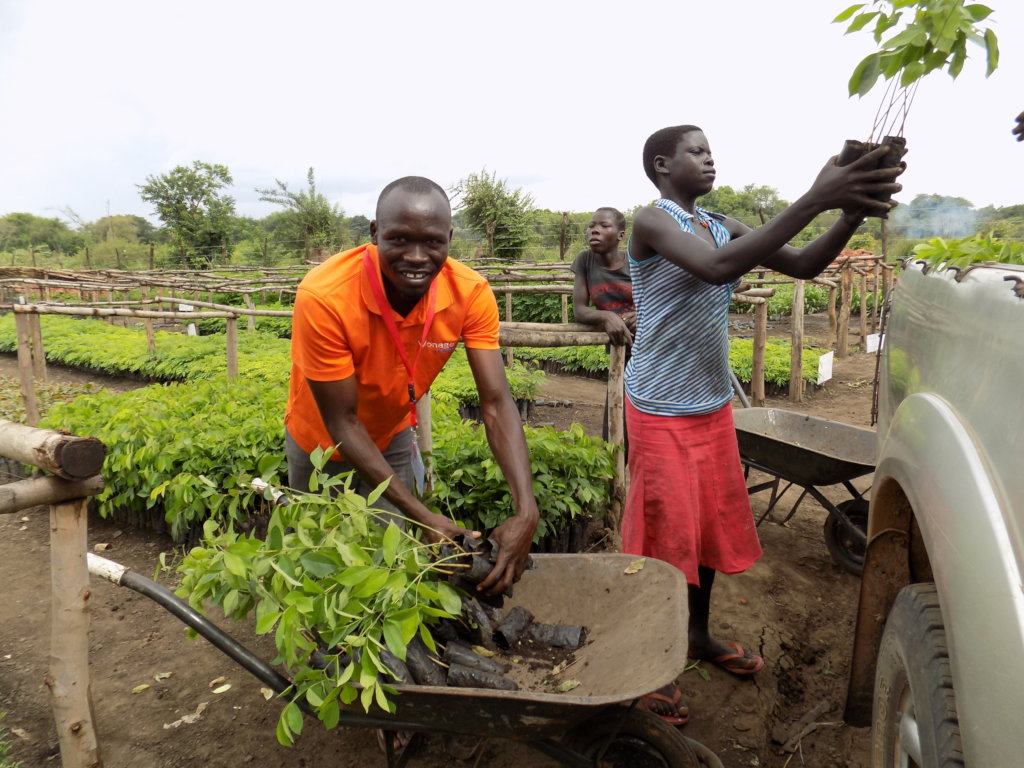
It is with quiet satisfaction that we continue quarter after quarter. Your funds via the Global Giving appeal allowed us to raise slightly more than 20,000 seedlings in the last quarter and get them out to beneficiaries in the trusty motorbike trailer that was entirely purchased with Global Giving funds previously.
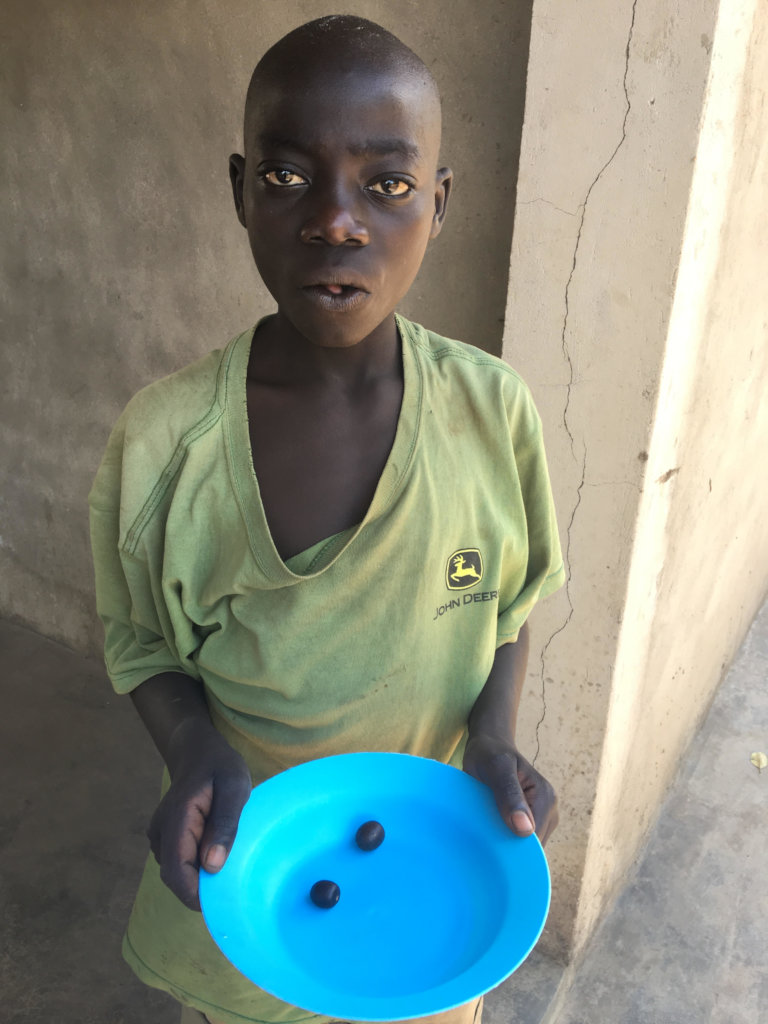
These included five fruit tree species: jackfruit, a tree with huge delicious bumpy fruits; guava; pawpaw (papaya), the desert date tree with its fruit pulp high in Vitamin C; and shea with its fruit enclosing the oil-rich seed. Important longer-term timber trees raised and distributed were mahogany, teak and a mahogany relative called Melia volkensii. The endangered African hardwood Afezelia africana was also given out.
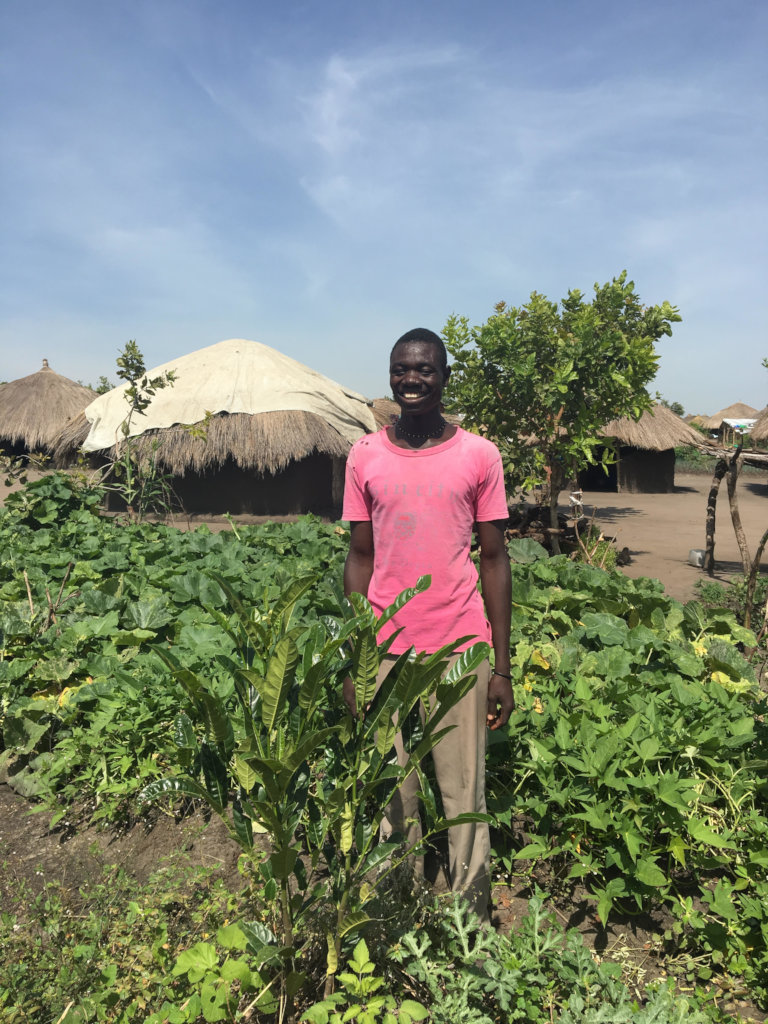
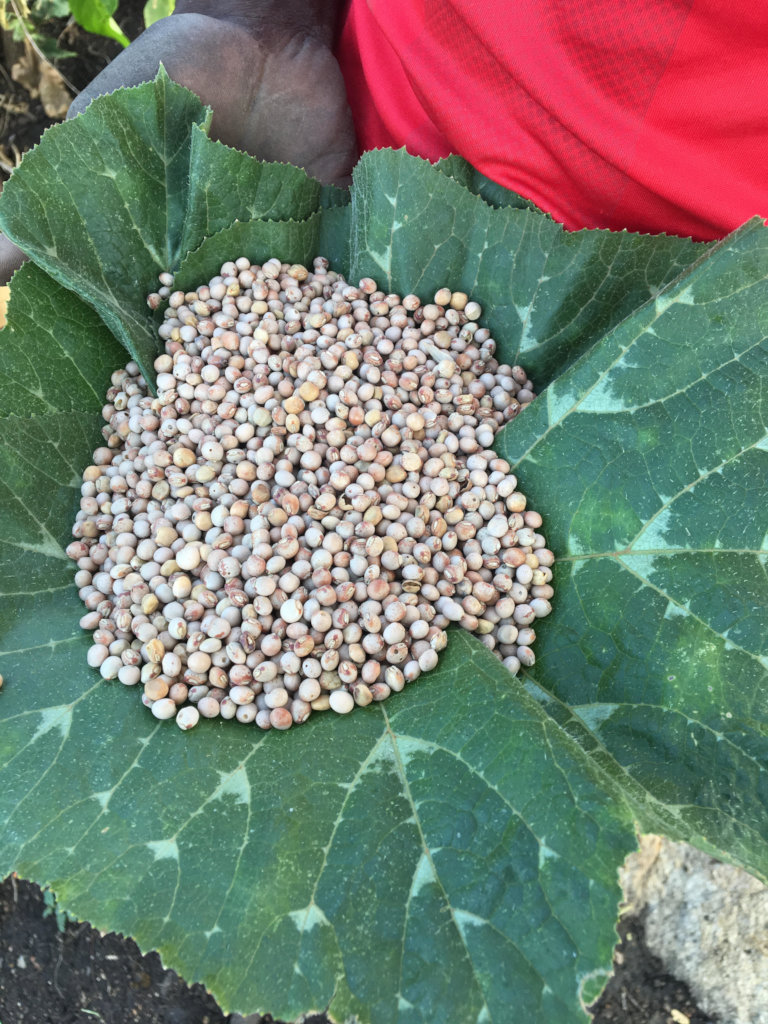
Further deploying the Global Giving funded motorbike trailer (what-would-we-do-without-it?!), the project distributed 1500 grafted mangoes to improve household nutrition and incomes and promoted pigeon pea agroforestry in Siripi and Ofua 6; a total of 508 farmers; 135 nationals and 373 refugees planted them in their vegetable gardens. Pigeon peas are leguminous plants that fix nitrogen into the soil, thus improving soil fertility. Their leaves also add carbon. And the pea seeds can be eaten by people - not to mention, their stems which become woody after two or three seasons and can be used to cook with. What a lot of benefits!
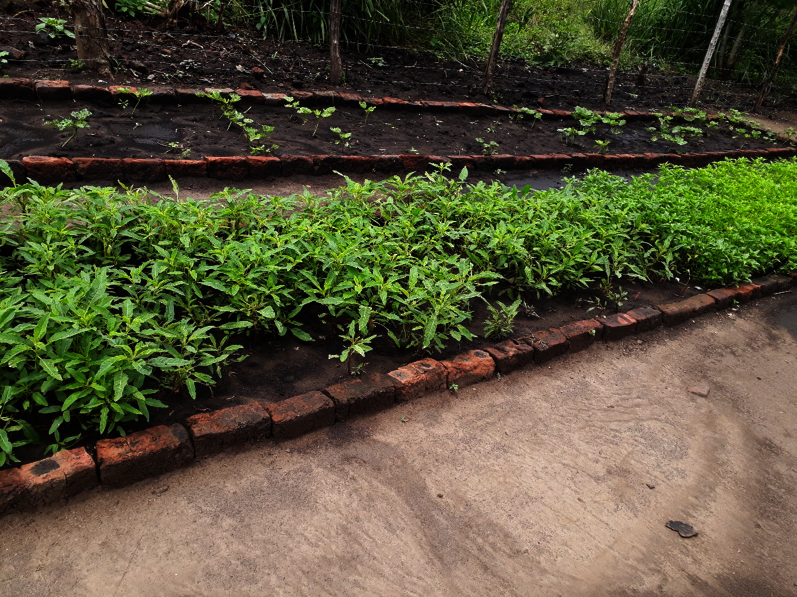
Finally, the seed for indigenous vegetables, which we had not been able to resist buying in Arua market, germinated nicely and is now flourishing in beds in the agroforestry center, adding to the nutrition in the midday meal provided to the workers who are raising and caring for seedlings.
We trained all community members on how to protect the young trees and their crops, the main threat being free-ranging livestock. This thorny issue has no easy solution. But some farmers and some refugees use old mosquito nets as a deterrent!
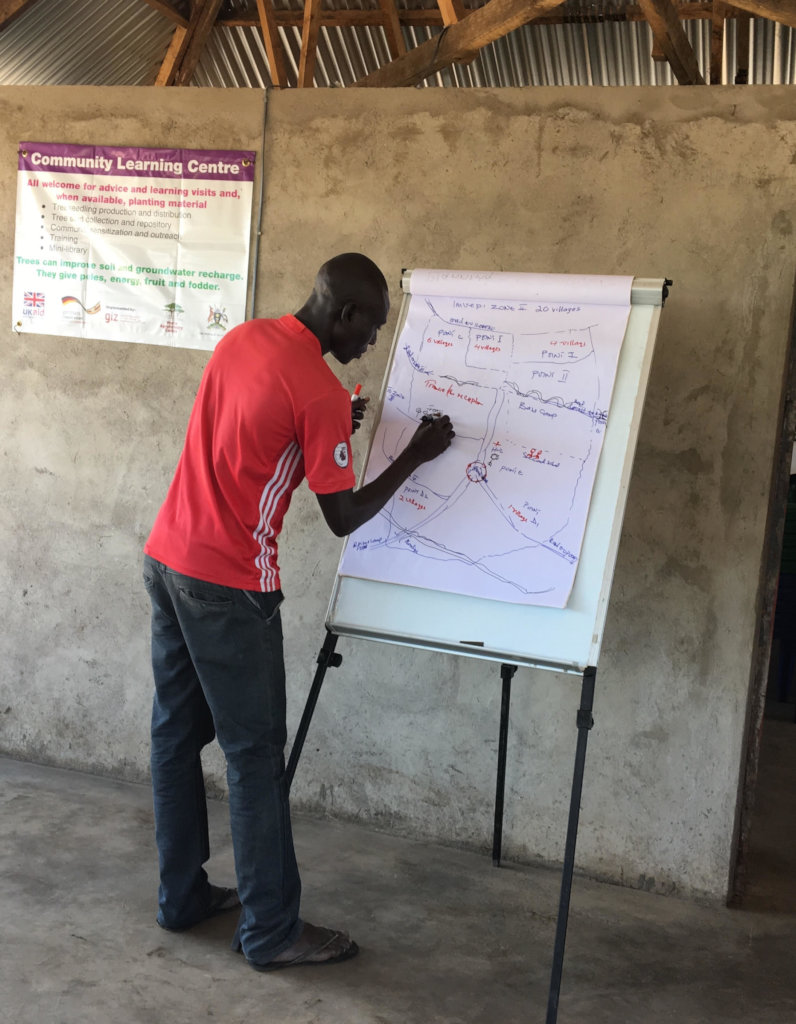
Our final news is that a new project has started based out of the agroforestry learning center. This will help activities you support but focus in addition on the circular bioeconomy of the area. This is a fancy term for reusing all agricultural, home and market waste to compost and build soil, or to make briquettes to cook with, a substitute for wood. It will also promote the reuse of greywater to irrigate crops. It is run by Kenyan researcher Mary Njenga and Ethiopian researcher Solomie Gebrezghaber. Ruth Mendum of Penn State also has a role. See the blog below.
Thank you all for your help to the refugee and host community in NW Uganda.
Links:
Project reports on GlobalGiving are posted directly to globalgiving.org by Project Leaders as they are completed, generally every 3-4 months. To protect the integrity of these documents, GlobalGiving does not alter them; therefore you may find some language or formatting issues.
If you donate to this project or have donated to this project, you can receive an email when this project posts a report. You can also subscribe for reports without donating.