By Cathy Watson | Chief - Program Development at World Agroforestry
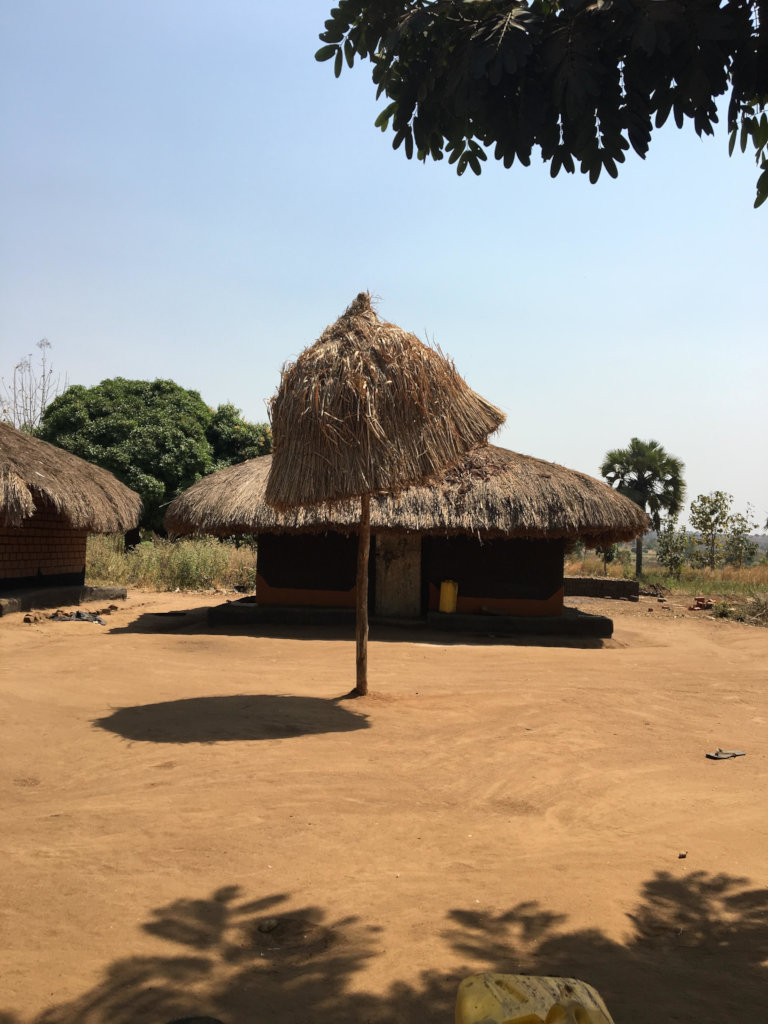
Uganda has two rainy seasons a year, the most important one of which should have started in March and be ending about now. But according to the Famine Early Warning Systems Network, the rain this year has been below normal with serious implications for the refugees and host communities in West Nile, NW Uganda, that this project is working with.
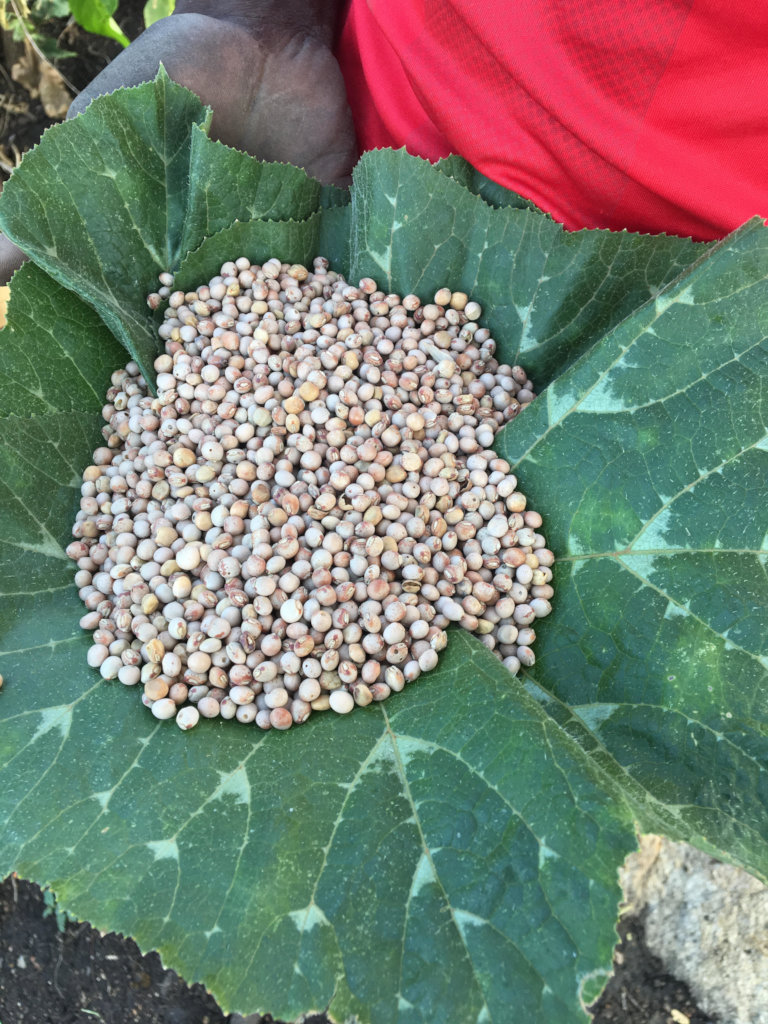
Due to the resultant "reduced growing period, the first season production of cereals and legumes is most likely to be at least 50 percent below average," says FEWS. We certainly noticed this.
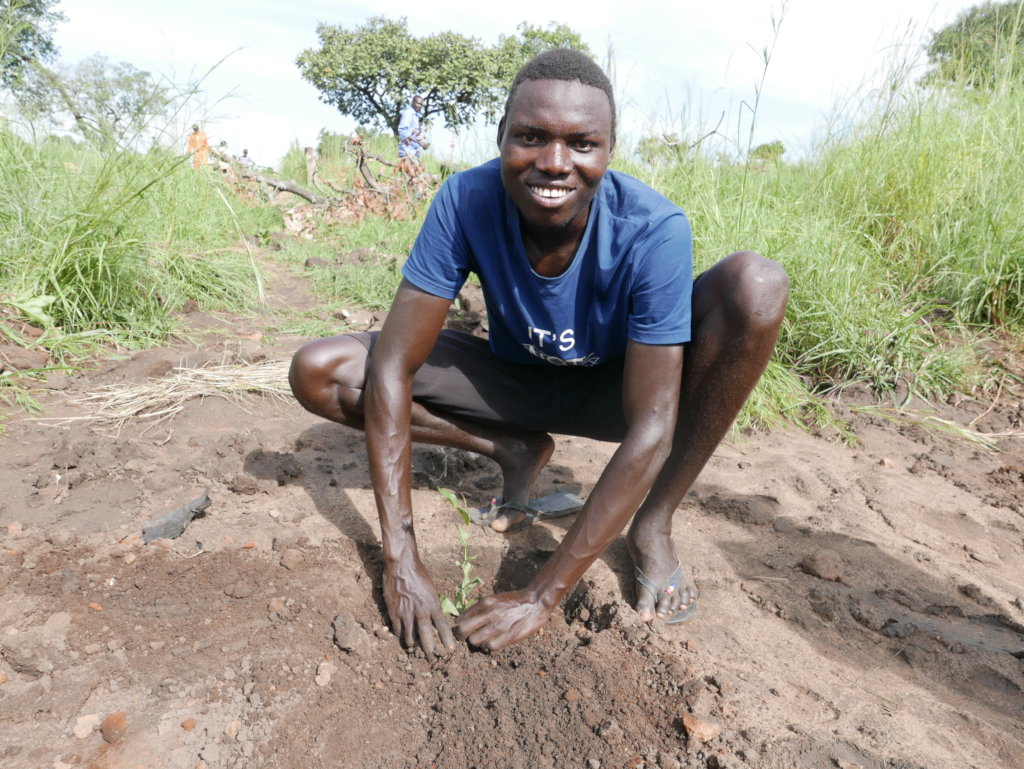
This bad situation is a symptom of the on going climate breakdown which hits natural resource-dependent populations the hardest. But the communities we are working with are resilient and, whenever rain seemed enough in the past three months, they planted seedlings.
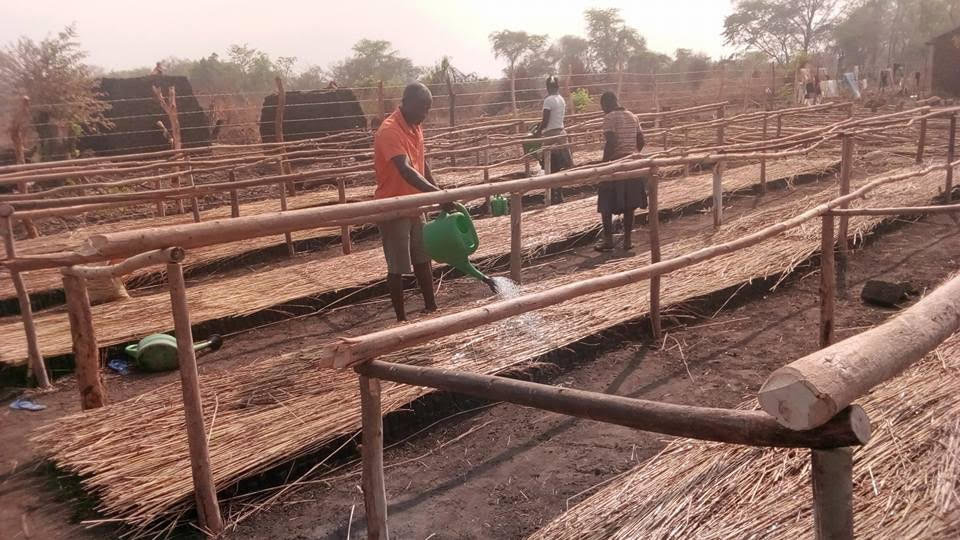
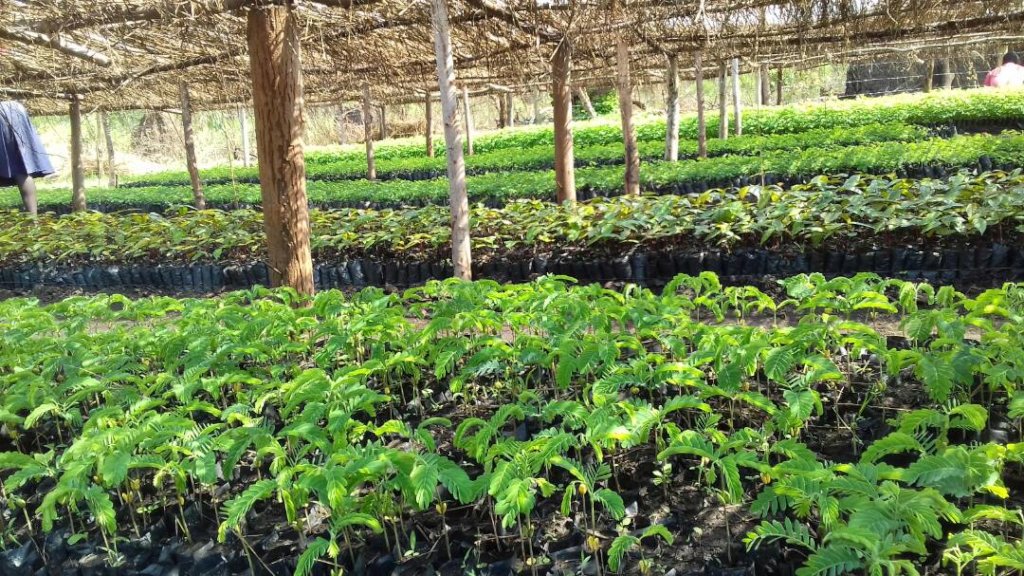
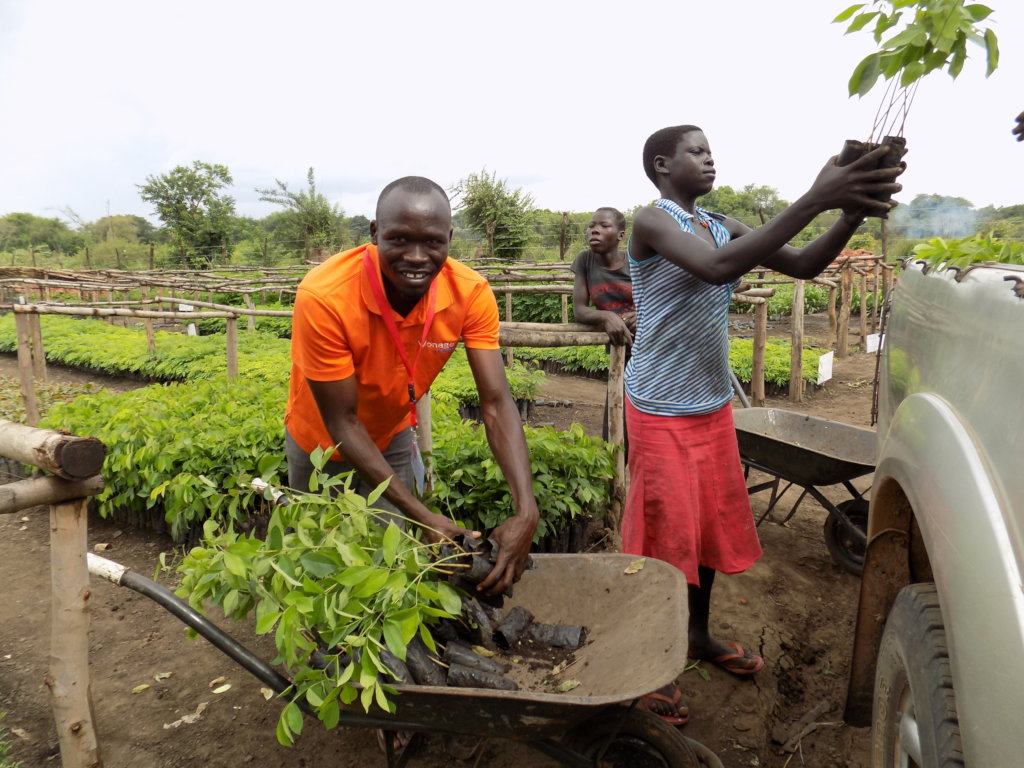
This season we managed to raise 140,000 seedlings - almost as good as the first season of the project in which we raised 156,000. However, we raised fewer species -- 17 rather than the 26 we focused on when the project began in 2018.
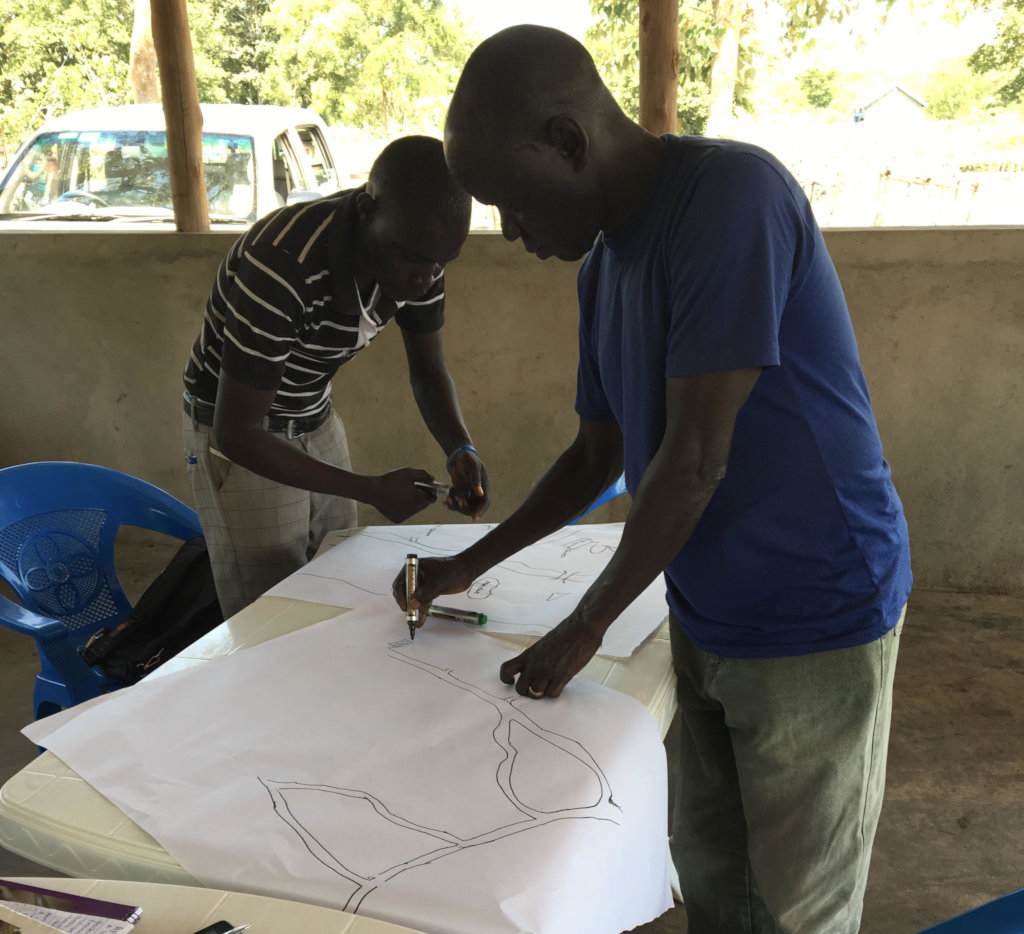
We are learning what is best regenerated from stumps in fields versus those types of trees that are best raised in the nursery. We are also listening to the preferences of the refugees and host communities while being cognizant that we need to focus on rapidly disappearing species of important ecological significance.
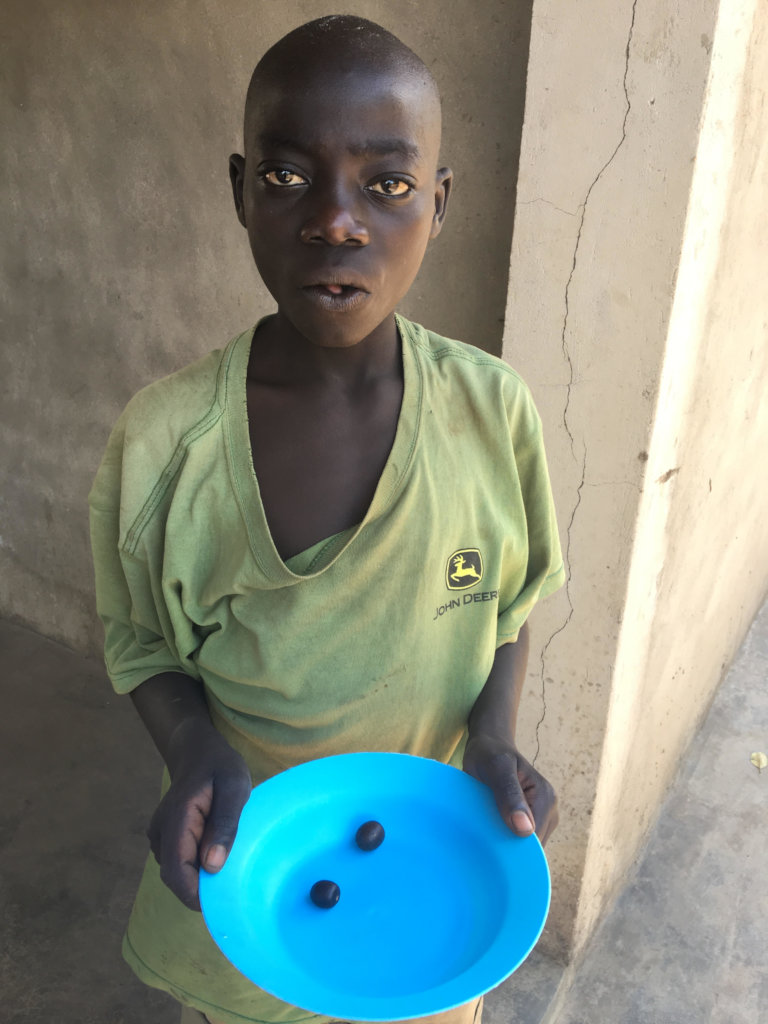
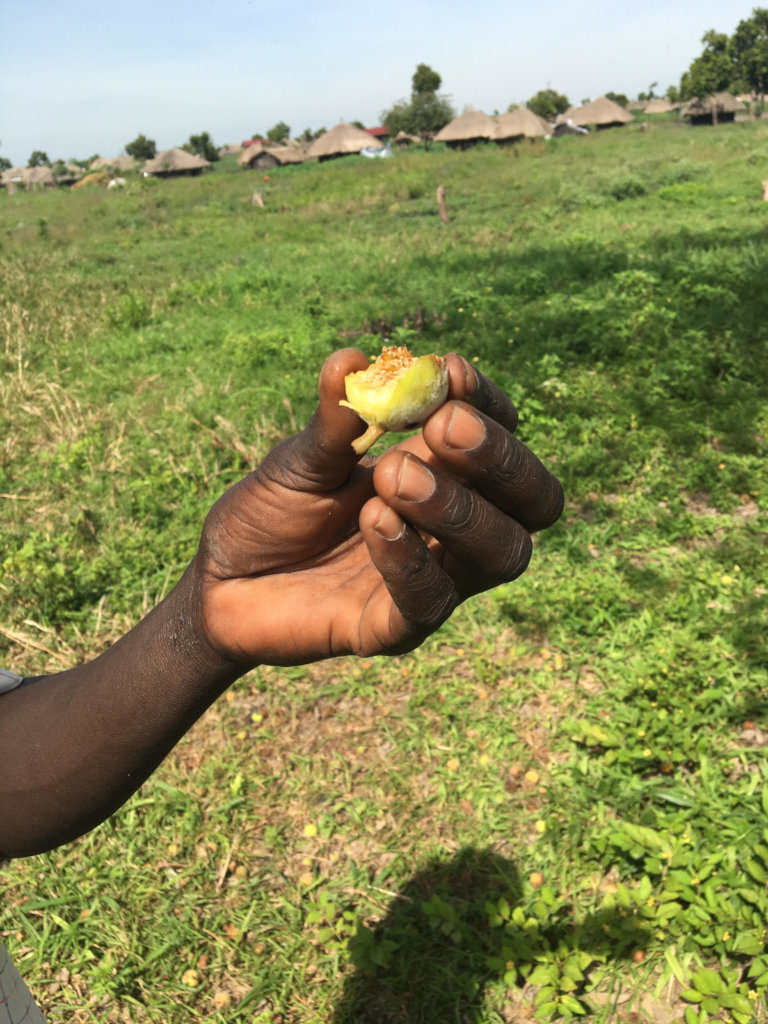
We were happy to enter into an agreement with the UN Food and Agricultural Organization (FAO) to work on value chains that can bring revenue to the refugee and host communities. We have chosen honey, shea butter (which is both edible and used on the skin) and possibly the products of the Balinites aegyptiaca tree. This tree is found in a band across Africa from Somalia to Senegal, and its fruit is high in Vitamin C and other micronutrients. Its leaves are also a prized dry season vegetable by many ethnic groups, and the kernel of the fruit has a valuable oil.
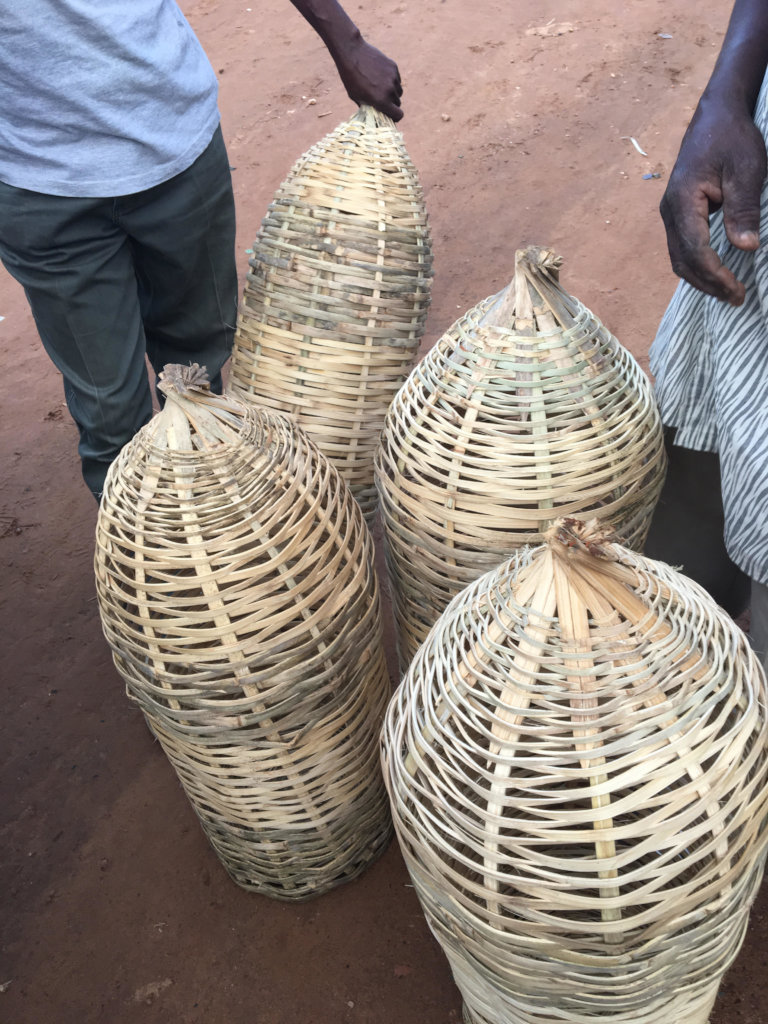
Working with communities, we have installed many traditional bamboo beehives in trees as well as set up more "modern" wooden hives. Honey is a nature-friendly commodity which finds a ready market.
We are also happy to report that we have been able to buy means to transport the seedlings - this is a wagon pulled by a motorbike. Since we don't have a project vehicle, this sturdy vehicle means we can get around the rugged terrain without having to look for funds to rent a pickup. It sounds a small thing but having the means to be mobile is huge!
At the World Congress on Agroforestry 2019, which is held every five years, this May in Montpellier, France, our poster about this refugee project won a prize. We are deeply grateful to all of you who have donated and made it possible for us to get through the long dry season and into the rewarding time of planting. We have also been busy monitoring the survival and growth rates of the 2018 trees.
We are a little sad to report -- though in a way we are not surprised -- that many of the trees that we planted along the riverbanks and told you about in the last report did not make it. They were browsed by goats or caught in bush fires. Both of these are major threats to forest and tree restoration projects all over the world, especially where livestock is free roaming and setting fire to land to get fresh grass is a custom. We need to work more with communities so that they draw up their own regulations to safeguard the trees they want so badly.
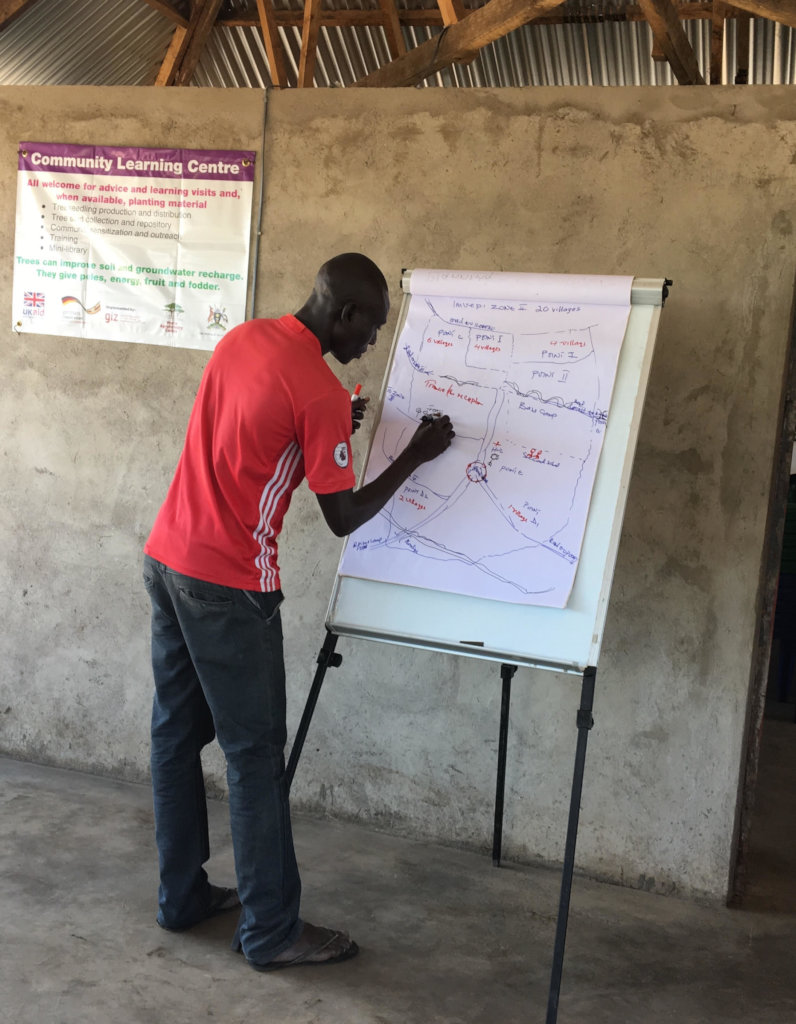
Finally, we are happy to report that we will be working with the NGO Mercy Corps for the next nine months or so to turn our learning center into an innovation hub where the community can get involved in various training and enterprises. This will be an intensification of what we are already doing. I personally hope to see soap making from tree seeds. Thanks again for your huge support.
Links:
Project reports on GlobalGiving are posted directly to globalgiving.org by Project Leaders as they are completed, generally every 3-4 months. To protect the integrity of these documents, GlobalGiving does not alter them; therefore you may find some language or formatting issues.
If you donate to this project or have donated to this project, you can receive an email when this project posts a report. You can also subscribe for reports without donating.