By Essameldeen Abdalmoniem | Project Manager
Report Focus: This report will analyzes community-based solidarity interventions implemented during April-May 2026 across North Kordofan, West Kordofan, and North Darfur, focusing on how local initiatives responded to urgent humanitarian needs related to displacement, food insecurity, disrupted education, health emergencies, protection risks, and inadequate shelter.
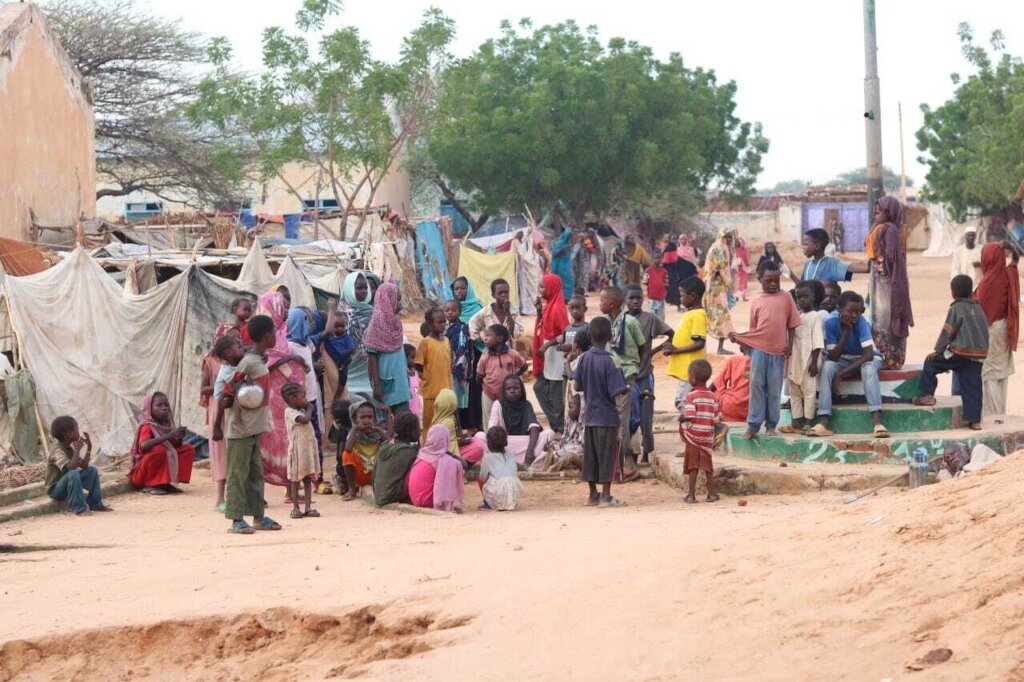
Geographical Coverage: Interventions were implemented in three main states: North Kordofan, particularly Sheikhan Locality / El-Obeid; West Kordofan, particularly Al-Fula Locality / Abu Ismail neighborhood; and North Darfur, particularly Tawila Locality / Dabba Al-Nayra camp.
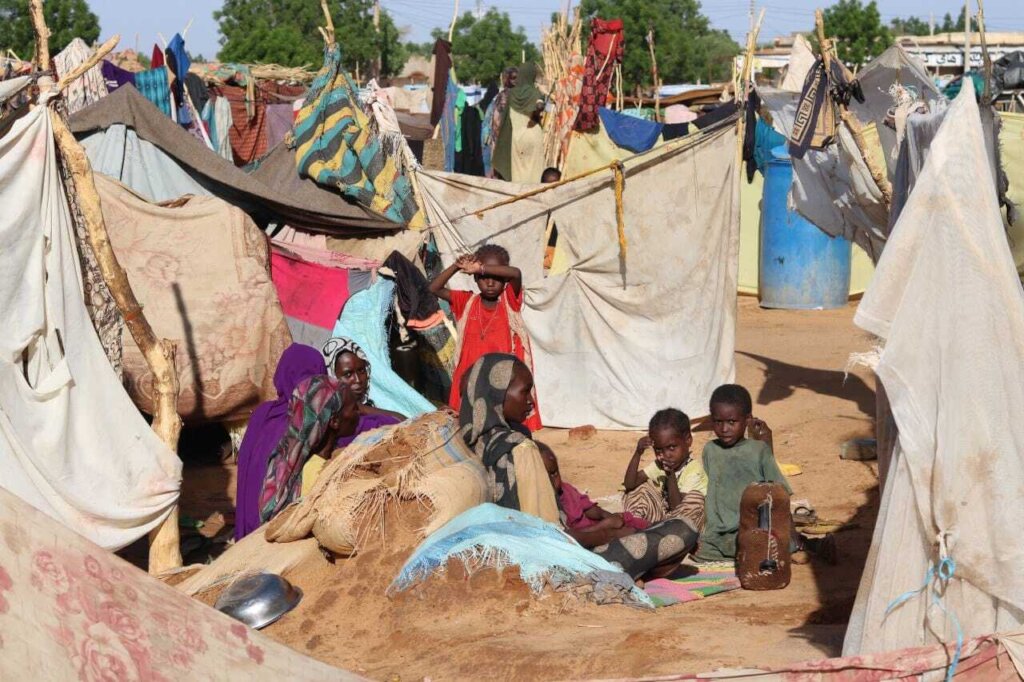
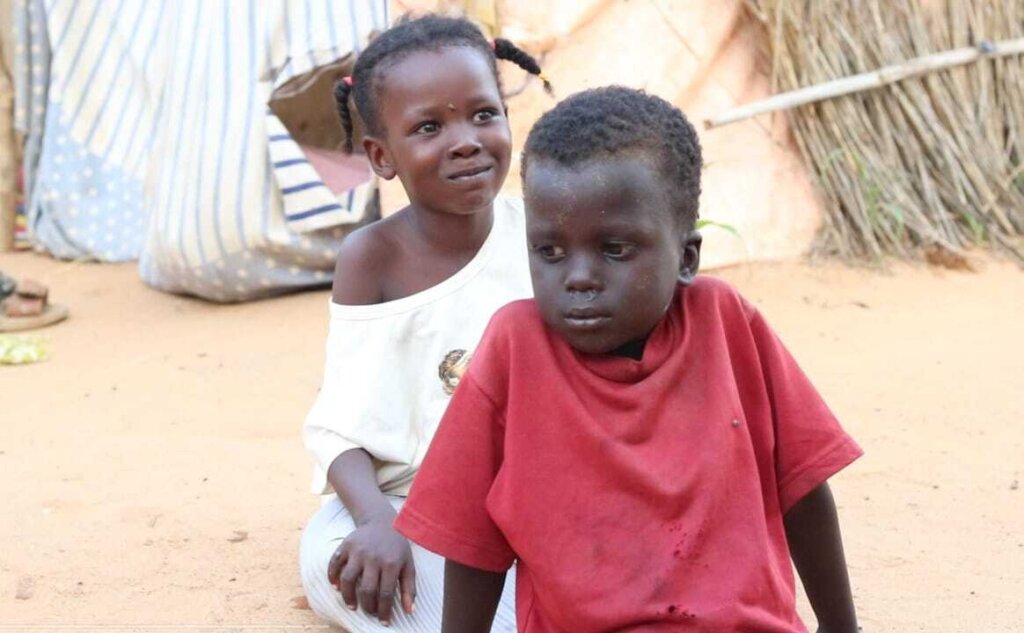
Main Target Groups: Response targeted internally displaced persons, vulnerable host communities, displaced families, women and girls of reproductive age, students, volunteers, humanitarian workers, and conflict-affected households, with particular attention to communities living in shelters, camps, and crisis-affected neighborhoods.
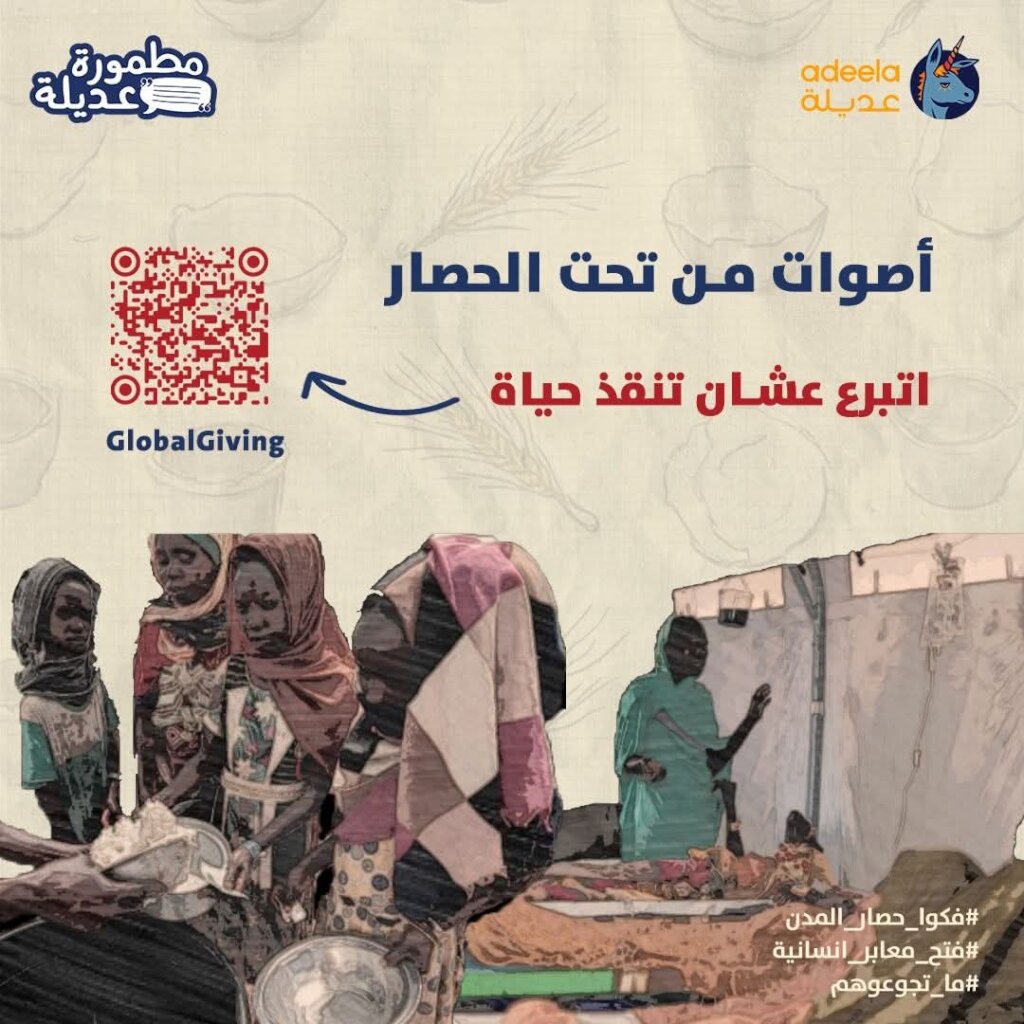
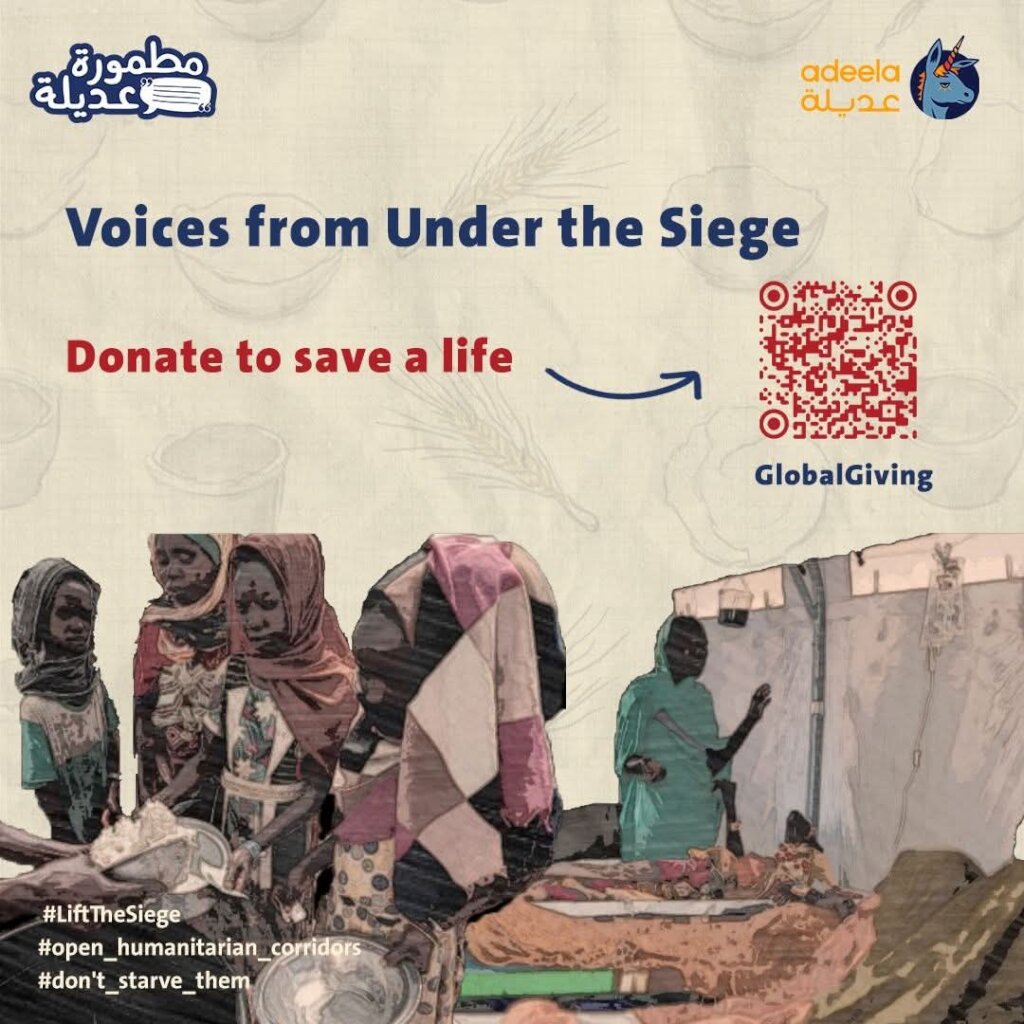
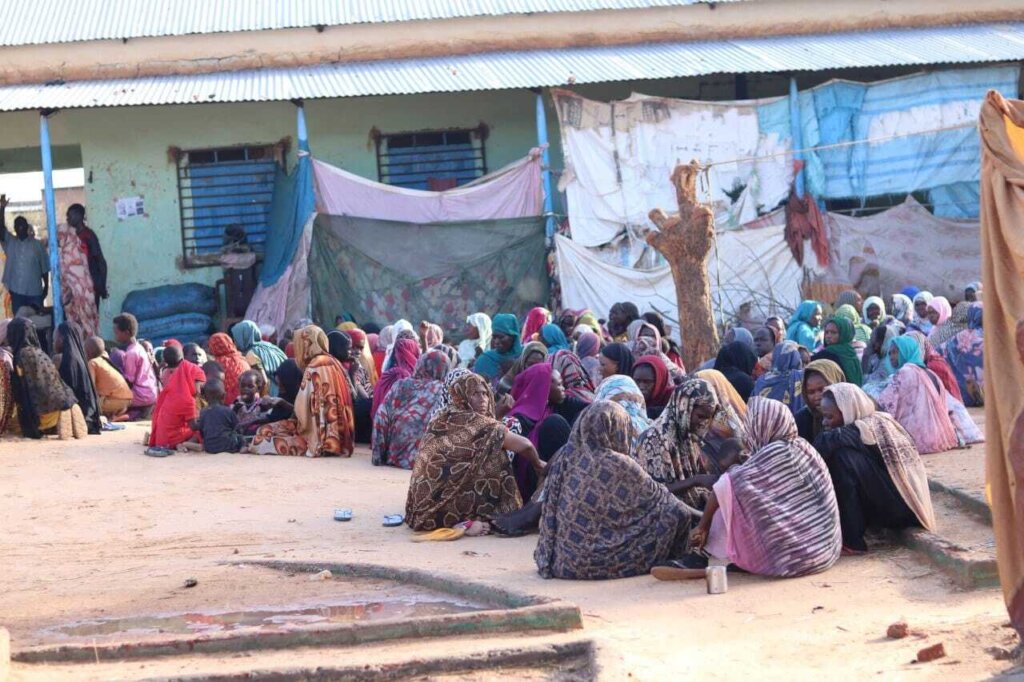
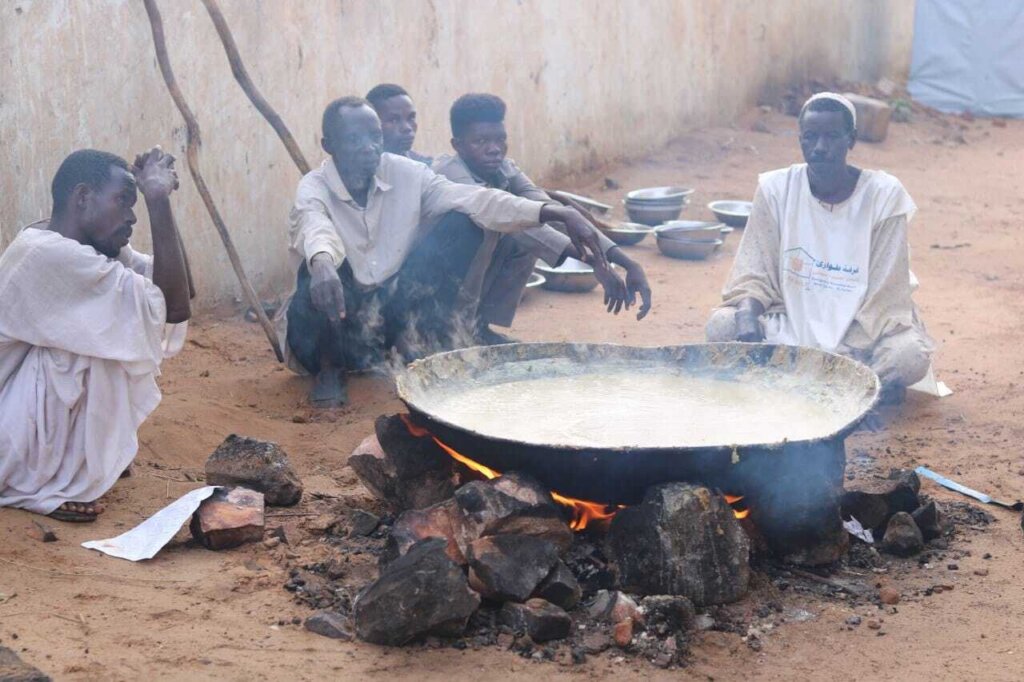
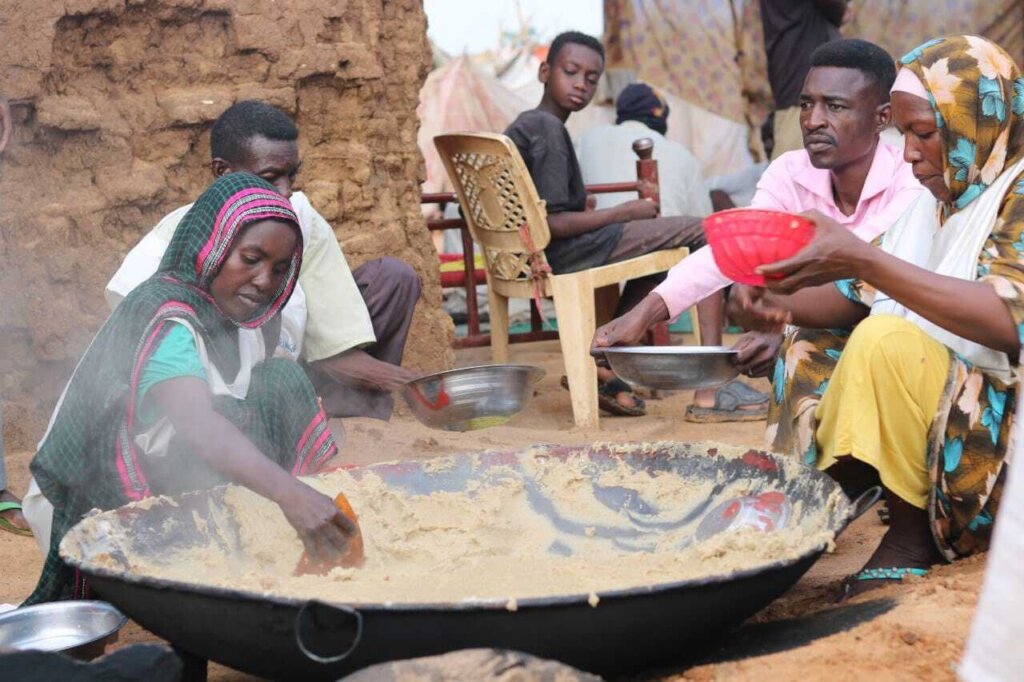
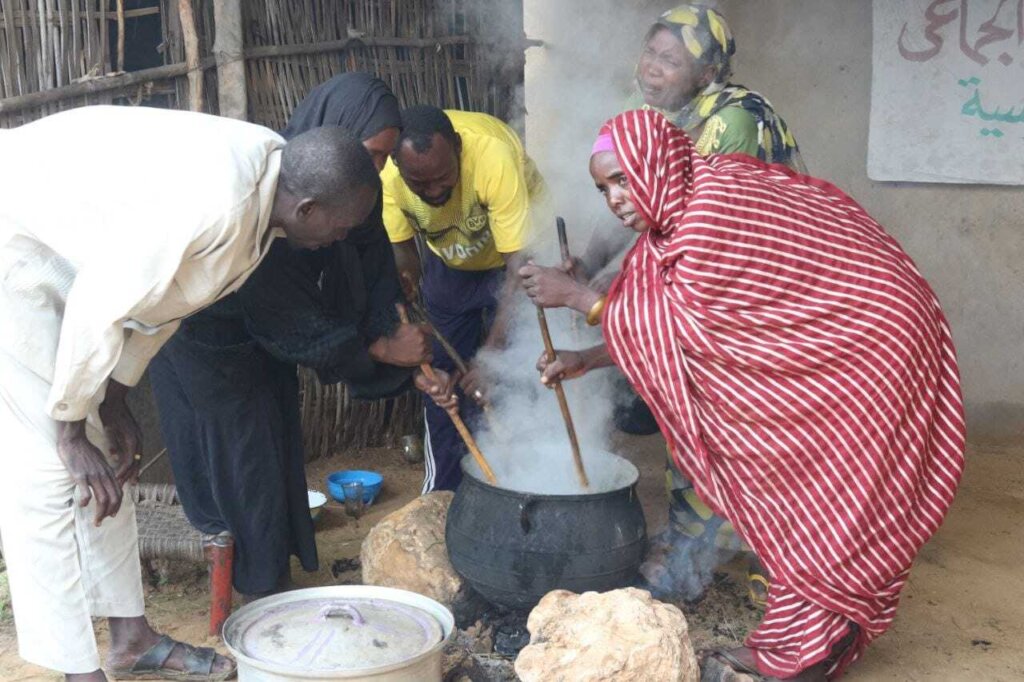
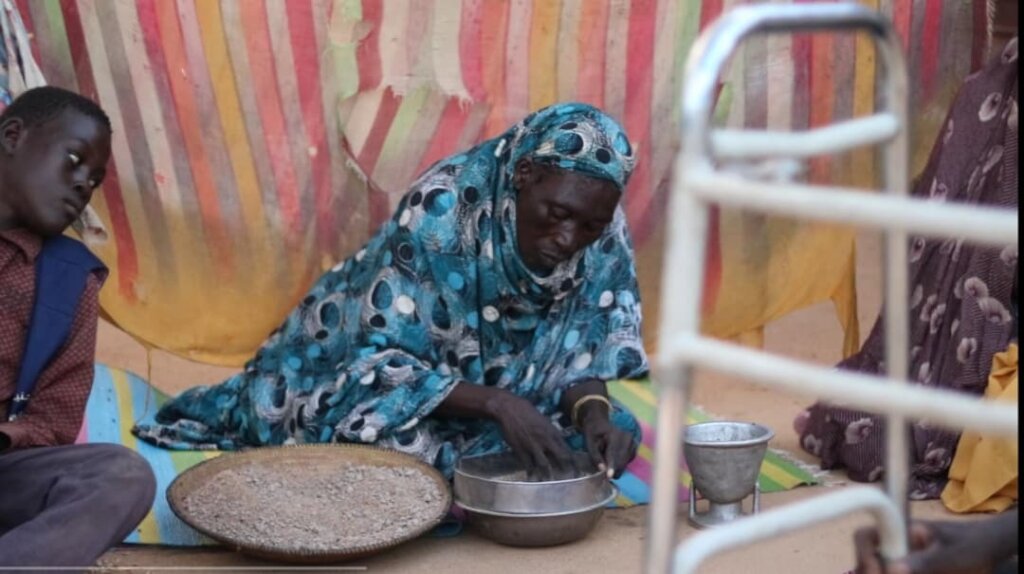
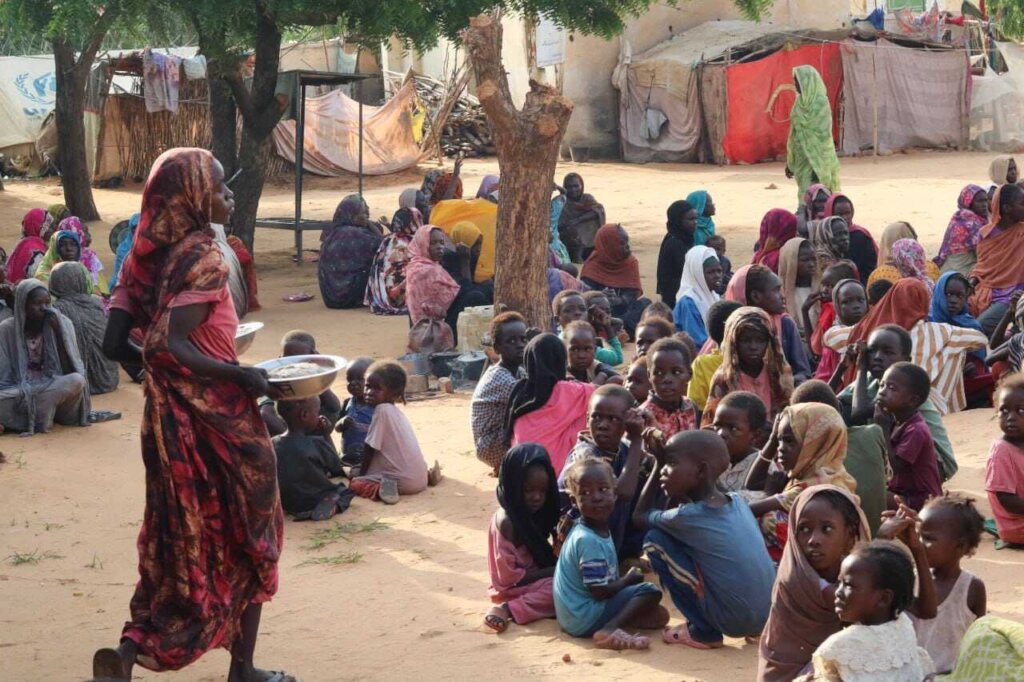
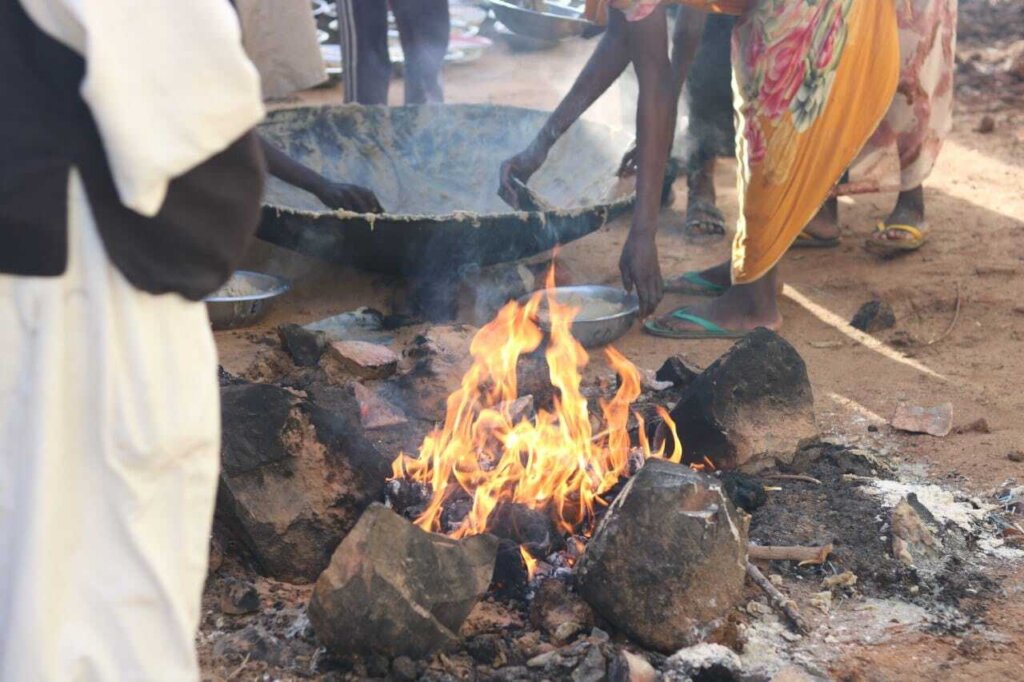
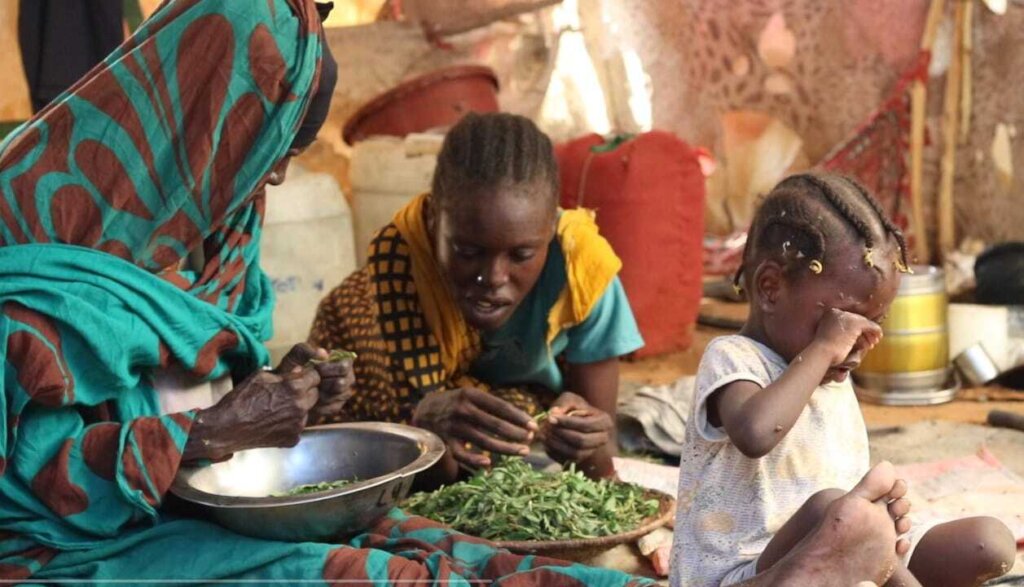
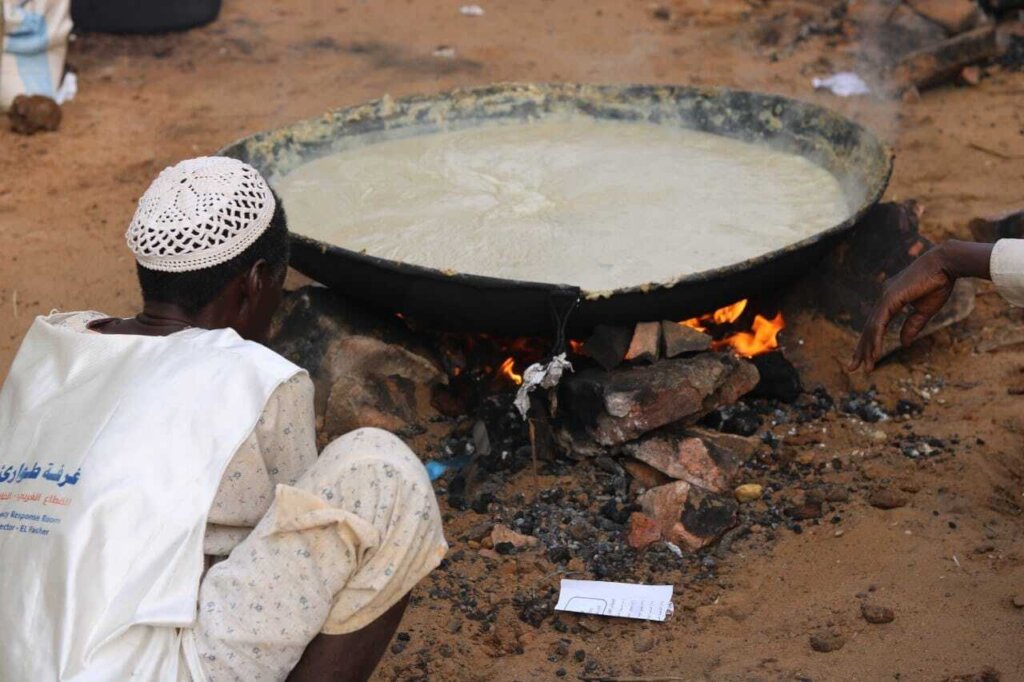
Food Security and Community Kitchens : Food security was the largest intervention area, with community kitchens and food basket distributions reaching hundreds of families and individuals across El-Obeid, North Kordofan, including Al-Qalaa North neighborhood, Al-Radeef neighborhood, Amir neighborhood, Prince Mahmoud School shelter, Al-Jeraif West neighborhood, and the area in front of the Police Hospital.
Basmat Amal Initiative : In Al-Qalaa North neighborhood, El-Obeid, North Kordofan, Basmat Amal Initiative provided a daily cooked meal for 12 days, supporting 100 families affected by the crisis.
Malazat Initiative : In Al-Radeef neighborhood, El-Obeid, North Kordofan, Malazat Initiative provided a daily cooked meal for 10 days, reaching 350 families from vulnerable and conflict-affected communities.
Amir Initiative : In Amir neighborhood, El-Obeid, North Kordofan, Amir Initiative provided a daily cooked meal for 10 days, supporting 300 families facing food insecurity and difficult living conditions.
Kordofanian Hoosh Initiative : In Prince Mahmoud School shelter, Al-Jeraif West neighborhood, El-Obeid, North Kordofan, Kordofanian Hoosh Initiative provided a daily cooked meal for 11 days, reaching 197 families in the shelter, 37 displaced families, 100 displaced individuals, and 300 female students and teachers from the host community.
Peace and Development Studies Center - Kordofan University: In El-Obeid, North Kordofan, the Peace and Development Studies Center provided a daily cooked meal for 9 days to 100 displaced people residing in front of the Police Hospital, in addition to providing meals for 60 students and volunteers at the center for 9 days.
Food Basket Distribution: The Peace and Development Studies Center also distributed 100 food baskets to highly vulnerable displaced and host-community families in El-Obeid, North Kordofan, with each basket including essential food items such as cooking oil, onions, tomato sauce, rice, beans, and flour.
Peacebuilding and Social Cohesion: In El-Obeid, North Kordofan, the Peace and Development Studies Center organized a full-day peacebuilding and social cohesion session, promoting community solidarity, peaceful coexistence, acceptance of others, and stronger relationships between displaced people and host communities.
Emergency Education Support: In El-Obeid, North Kordofan, emergency education support included the partial or full payment of tuition fees for 4 female students at the Faculty of Education, Kordofan University, in addition to distributing schoolbooks and notebooks to 24 male students and 26 female students in middle and secondary schools.
Health Support: In El-Obeid, North Kordofan, health assistance covered urgent medical needs for 3 staff members of the Peace and Development Studies Center, including eye surgery for one employee, pacemaker installation for one employee, and eye examinations for one employee.
Protection and Dignity Support: In El-Obeid, North Kordofan, protection support included the distribution of 50 dignity kits to 50 women and girls of reproductive age, helping address menstrual hygiene, personal dignity, psychological well-being, and gender-sensitive humanitarian needs.
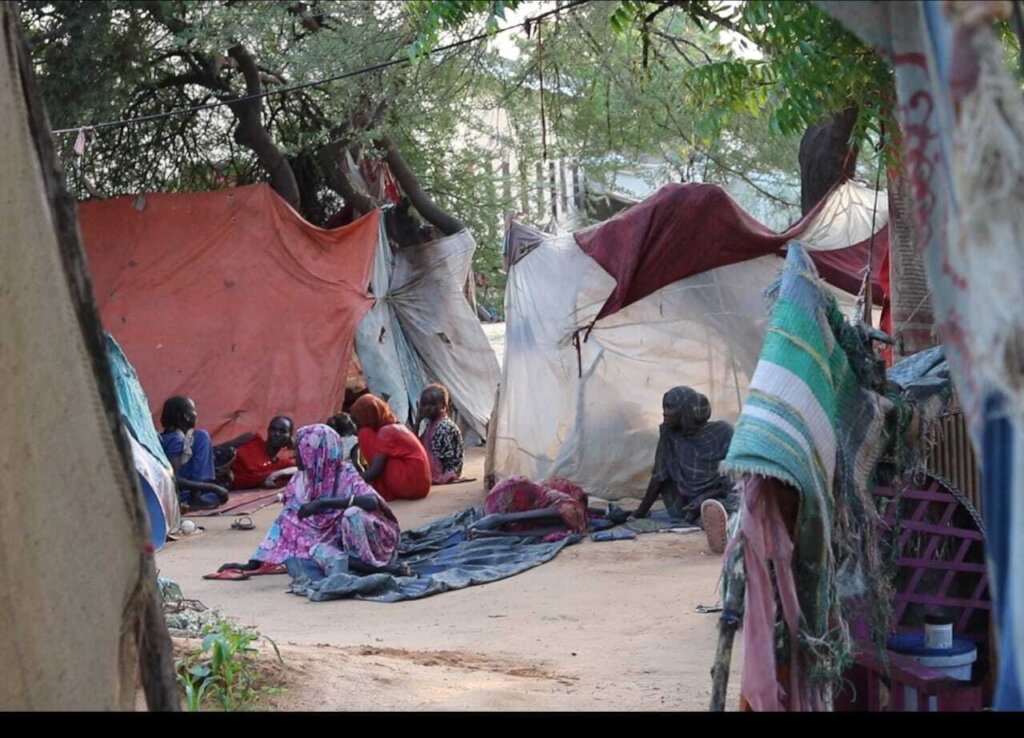
15. Shelter Support in West Kordofan: In Abu Ismail neighborhood, Al-Fula Locality, West Kordofan State, Ashragt Women CBO distributed 50 shelter tarpaulins to 50 displaced families, providing temporary protection from harsh environmental and displacement-related conditions.
Mine and Explosive Awareness in West Kordofan: In Al-Fula Locality, West Kordofan, Ashragt Women CBO conducted community awareness activities on the dangers of mines, explosive remnants of war, unexploded ordnance, safe debris removal, child protection, reporting suspicious objects, and the use of personal protective equipment during cleanup operations.
Support in North Darfur: In Dabba Al-Nayra camp, Tawila Locality, North Darfur State, the Darfur Youth Centre for Peace and Development distributed 25 food baskets, 25 rugs, and 25 blankets to 25 displaced families, addressing both food security and shelter-related needs.
Capacity Building: In El-Obeid, North Kordofan, the Peace and Development Studies Center conducted a three-day training for 11 participants from four Takayas, including Amir Takya, Basmat Amal Takya, Malazat Takya, Kordofanian Hoosh Takya, and the Peace and Development Studies Center Takya.
Training Topics: The capacity-building training covered report writing, monitoring and evaluation, financial procedures, procurement documentation, expenditure documentation, invoice and receipt management, financial clearance, data collection, and sensitive dignity-based documentation.
Key Challenges: The main challenges across the three states included rapid inflation, rising fuel and transportation costs, increased operational expenses, growing numbers of displaced people, overcrowding at food distribution points, insecurity, drone strikes, explosive remnants of war, and shortages of drinking water, electricity, and cooking coal.
Sawdan Campaign / Sovereign Sudanese Solidarity: The report connects these interventions to the Sovereign Sudanese Solidarity Campaign, which aims between March and December 2026 to shift humanitarian power, funding, coordination, and decision-making toward Sudanese local humanitarian organizations.
Campaign Targets: The campaign aims to secure at least two new direct and flexible funding streams, binding policy commitments from donors and international actors, a mandatory 10% indirect cost recovery policy for local organizations, stronger risk-sharing commitments, and greater inclusion of Sudanese actors in humanitarian coordination and funding decisions.
Long-Term Vision: Adeela's long-term vision is to achieve a majority locally led humanitarian system in Sudan by 2029, where Sudanese local actors control at least 50% of humanitarian resources and lead sustainable, community-driven humanitarian and recovery responses.
Main Recommendations: Adeela recommends expanding urgent humanitarian funding for food security, Takaya, shelter, dignity kits, emergency education, and protection, while also strengthening local organizations, improving aid distribution systems, integrating humanitarian and peacebuilding programming, mainstreaming gender and protection, and shifting gradually from emergency relief toward long-term resilience and recovery.
Links:
Project reports on GlobalGiving are posted directly to globalgiving.org by Project Leaders as they are completed, generally every 3-4 months. To protect the integrity of these documents, GlobalGiving does not alter them; therefore you may find some language or formatting issues.
If you donate to this project or have donated to this project, you can receive an email when this project posts a report. You can also subscribe for reports without donating.



Support this important cause by creating a personalized fundraising page.
Start a Fundraiser