By Essam Alzain | Project Manager
Project Report
Emergency Food and Essential Relief for Displaced Families in North Darfur
Reporting Period: Oct - 2025
1. Overview and Context
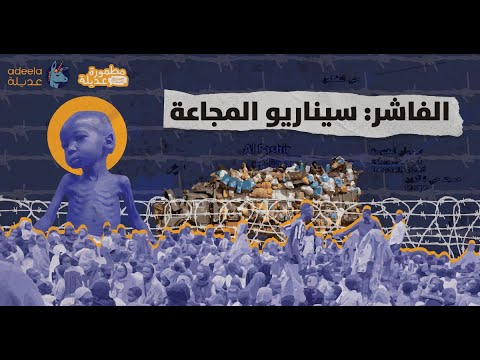
Since April 2023, the conflict in Sudan has had devastating consequences for civilians, particularly in Darfur. Prolonged insecurity, siege conditions, and the disruption of markets and humanitarian access have severely limited access to food, medicine, and basic services. Cities and towns such as El Fasher have experienced acute shortages, contributing to widespread malnutrition, the collapse of health services, and deepening humanitarian needs among vulnerable populations, especially children, women, and older people.
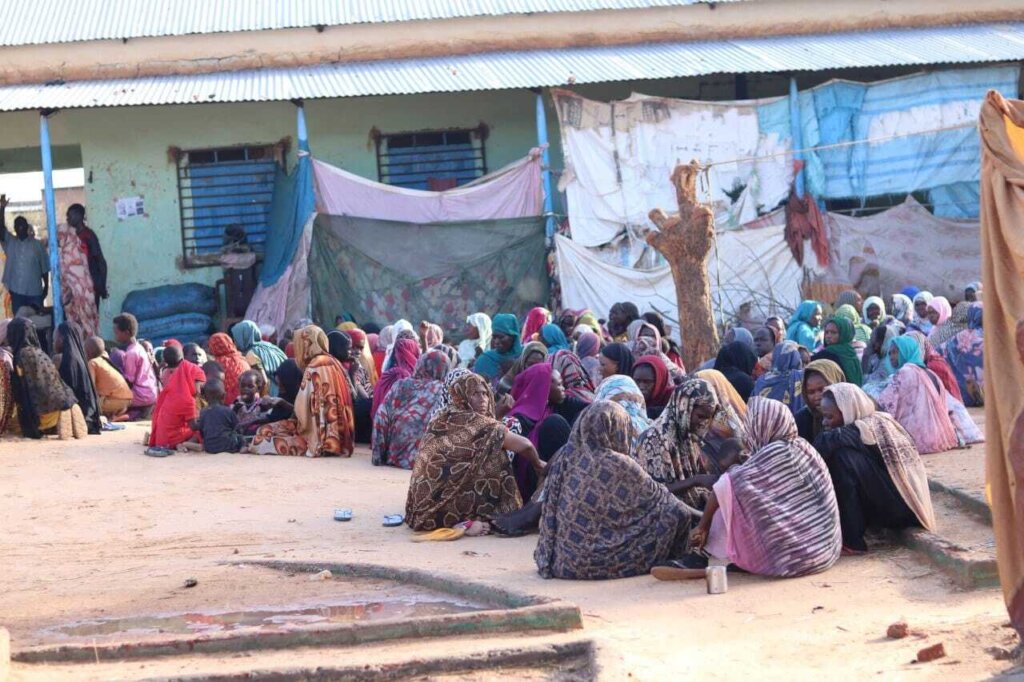
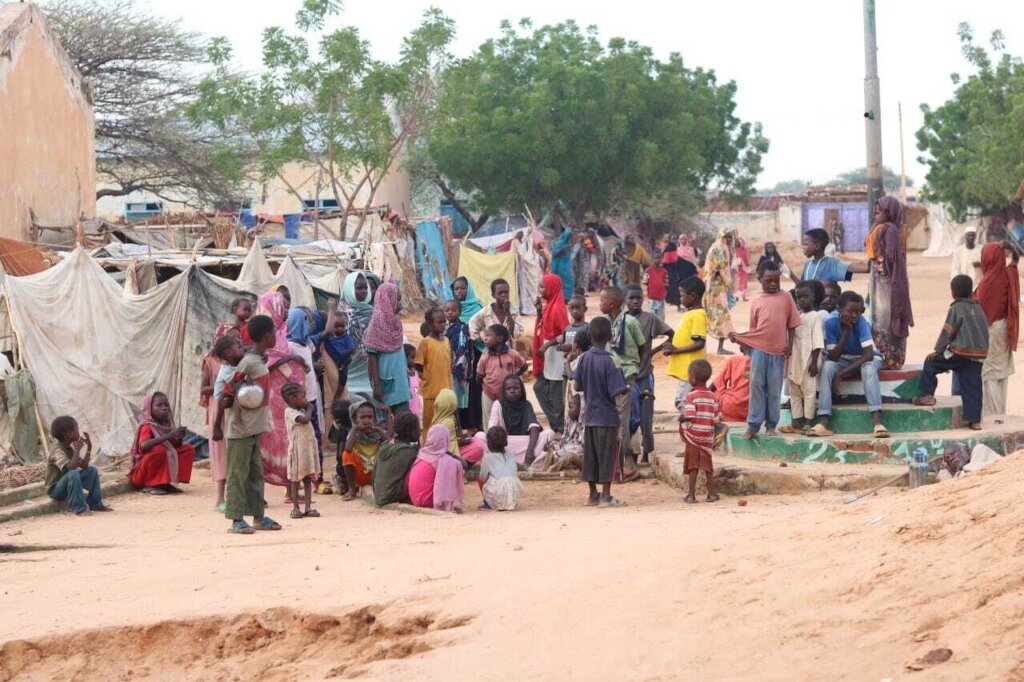
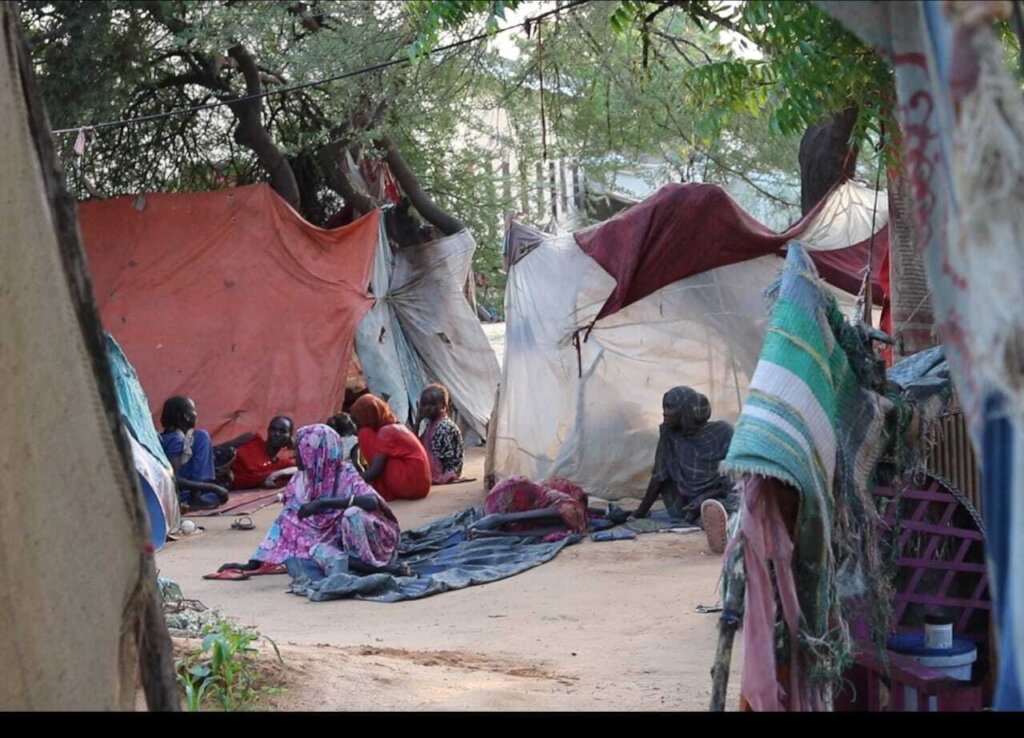
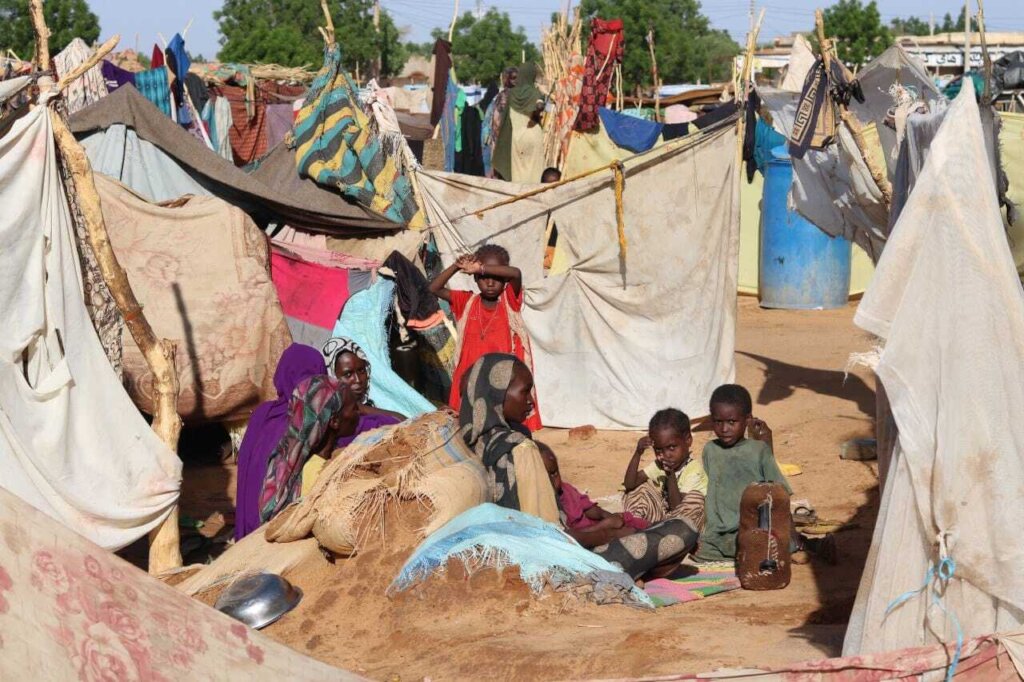
Following the escalation of hostilities and the takeover of El Fasher on October 2025, thousands of civilians were forced to flee under extremely difficult conditions. Many families traveled long distances on foot or using limited means of transport, seeking safety in surrounding localities within North Darfur State, including Tawila, Tora, and Mellit. These areas, already facing resource constraints, rapidly became hosting locations for large numbers of internally displaced persons (IDPs).
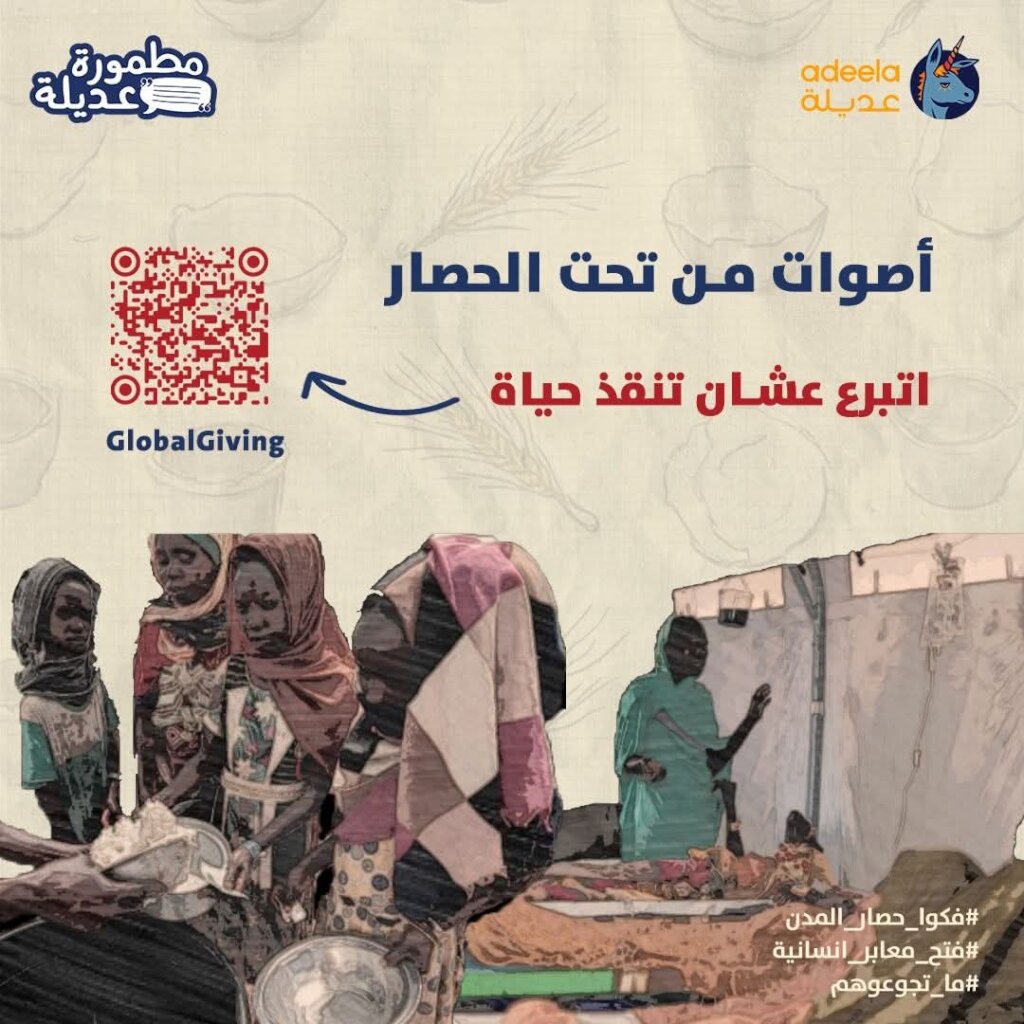
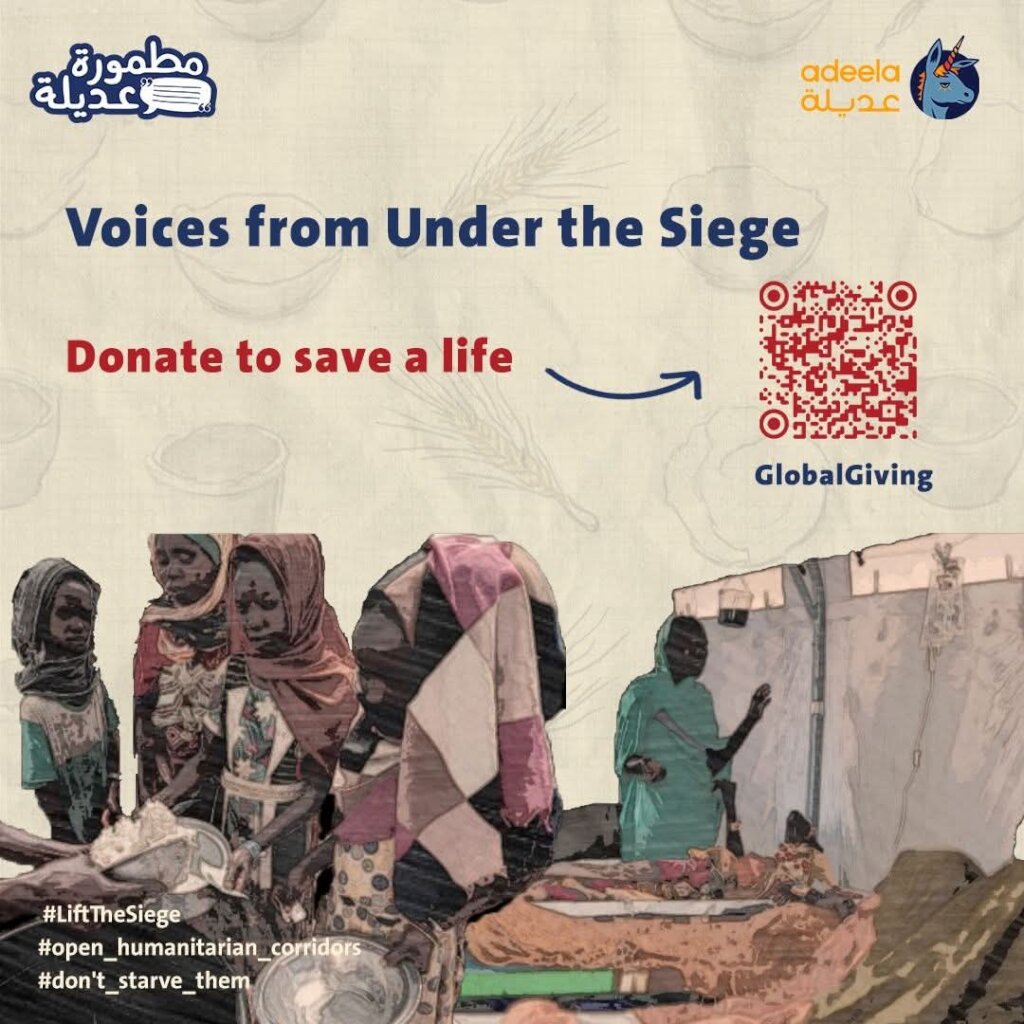
In response to this emergency, Adeela Organization for Culture and Art, with support from community contributions and the Voices from Under Siege campaign, mobilized local partners to deliver urgent humanitarian assistance. The intervention focused on food security, nutrition, dignity, and basic household needs, aiming to alleviate immediate suffering while reinforcing community-led response mechanisms.
2. Project Objectives
The overall objective of the project was to reduce hunger and immediate vulnerability among civilians displaced from El Fasher and surrounding areas by delivering timely, inclusive, and locally led humanitarian assistance.
Specific objectives included:
3. Summary of Humanitarian Interventions3.1 Food Assistance to Displaced Populations
Between 3 November and 15 December 2025, Adeela and its partners delivered food assistance to more than 5,500 displaced people across Tawila and Tora localities in North Darfur.
Food assistance was provided in two main forms:
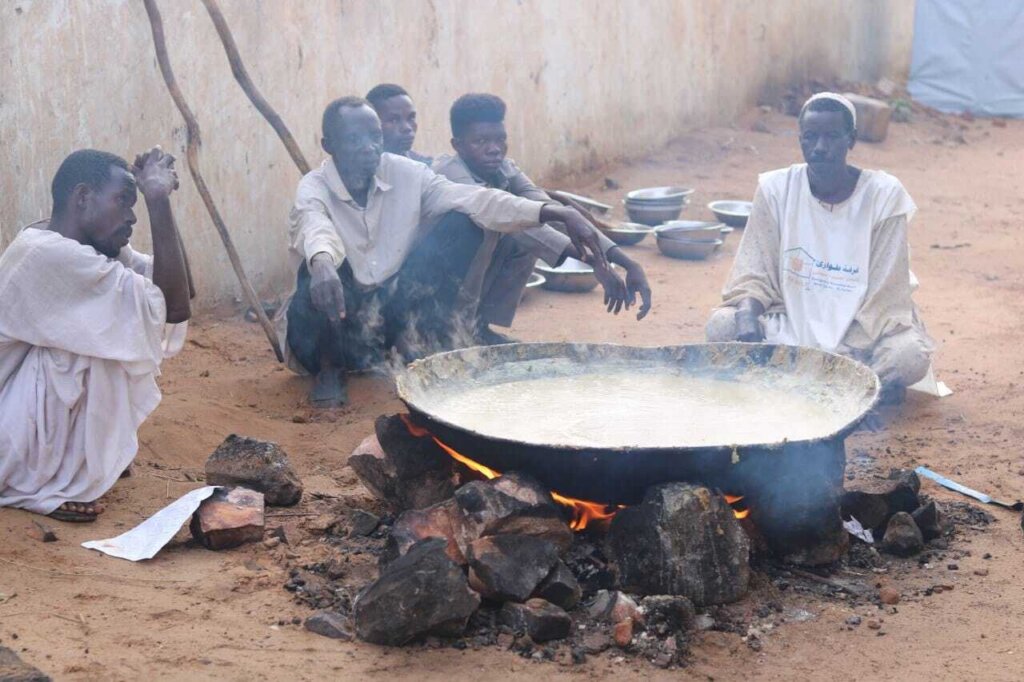
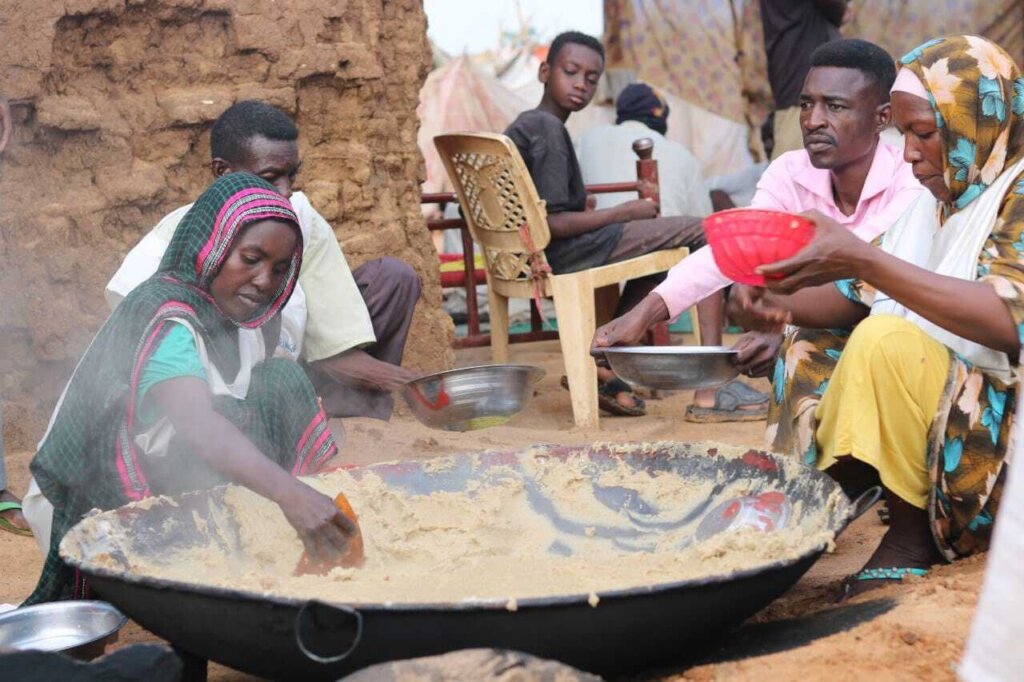
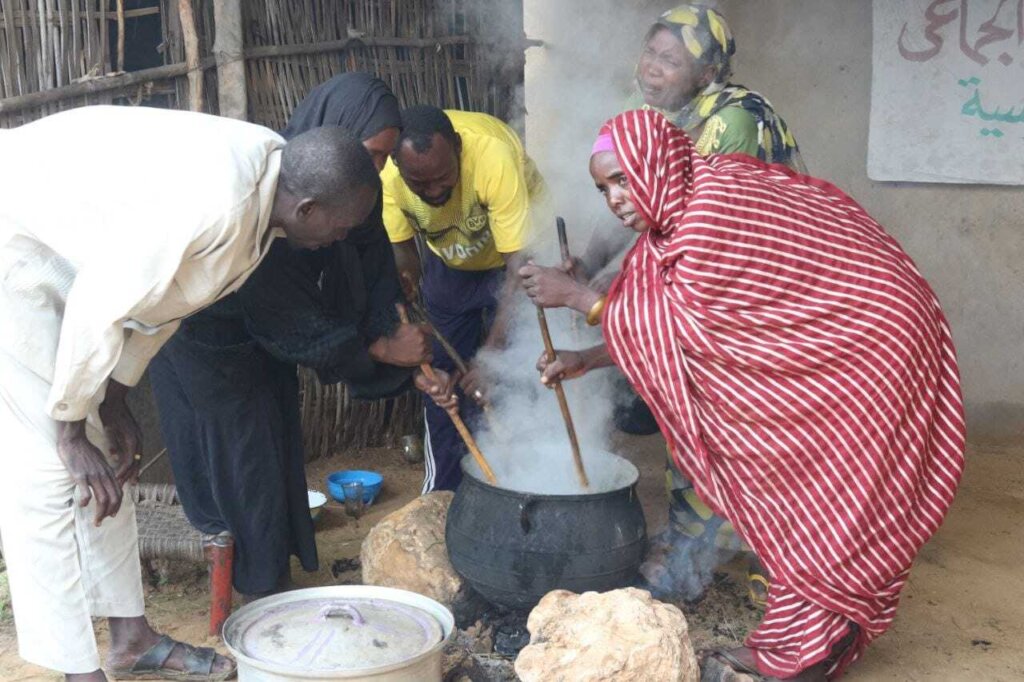
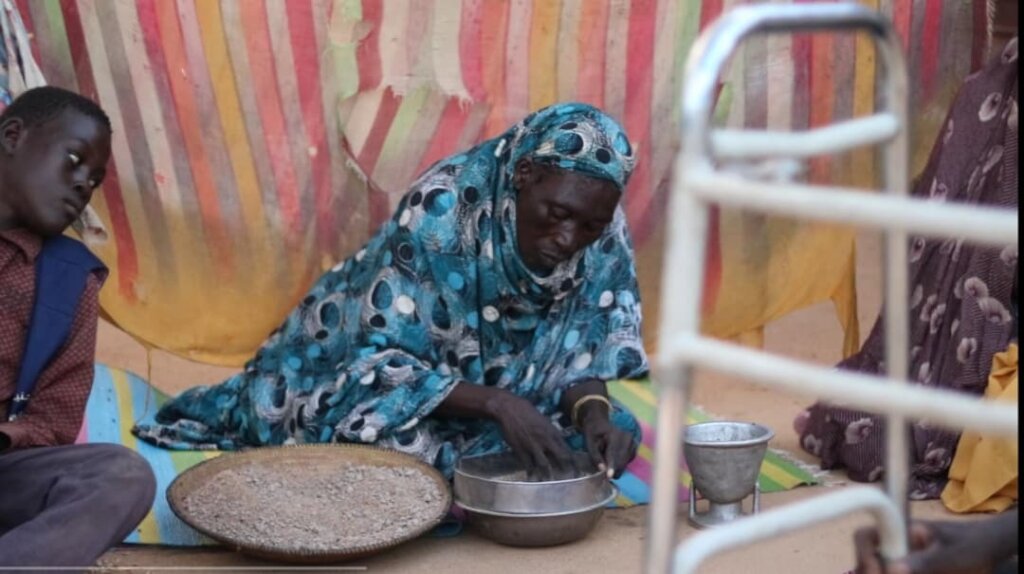
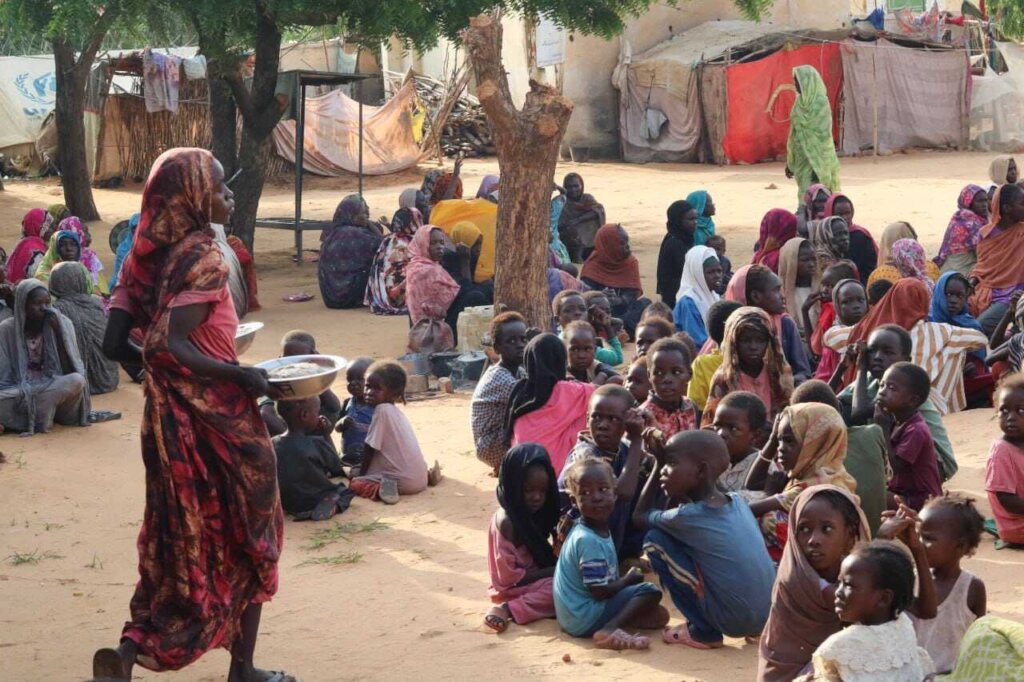
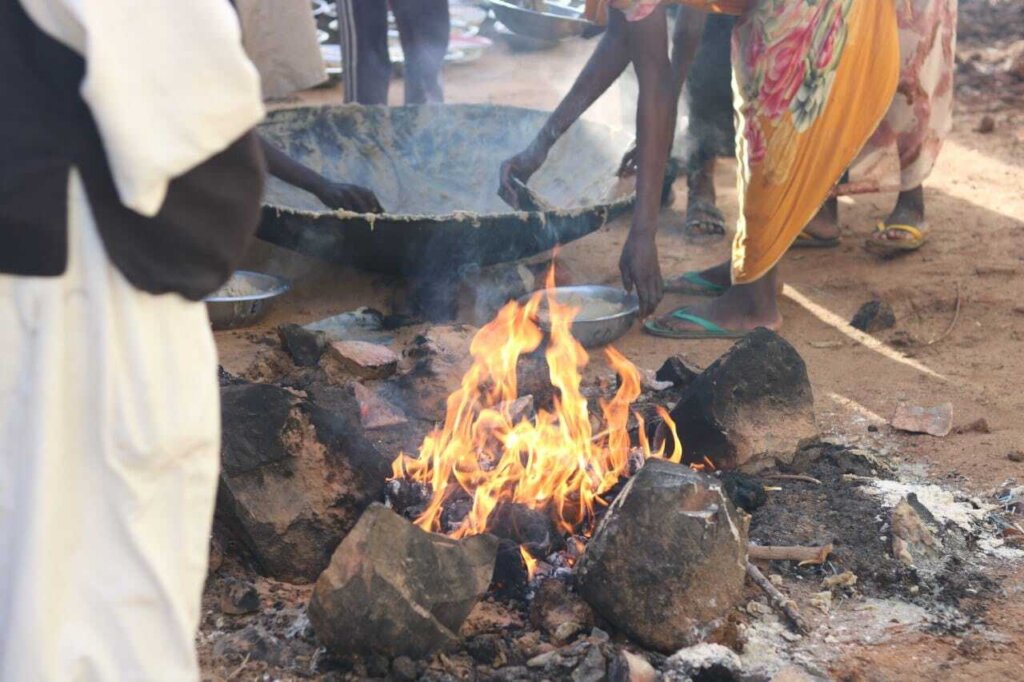
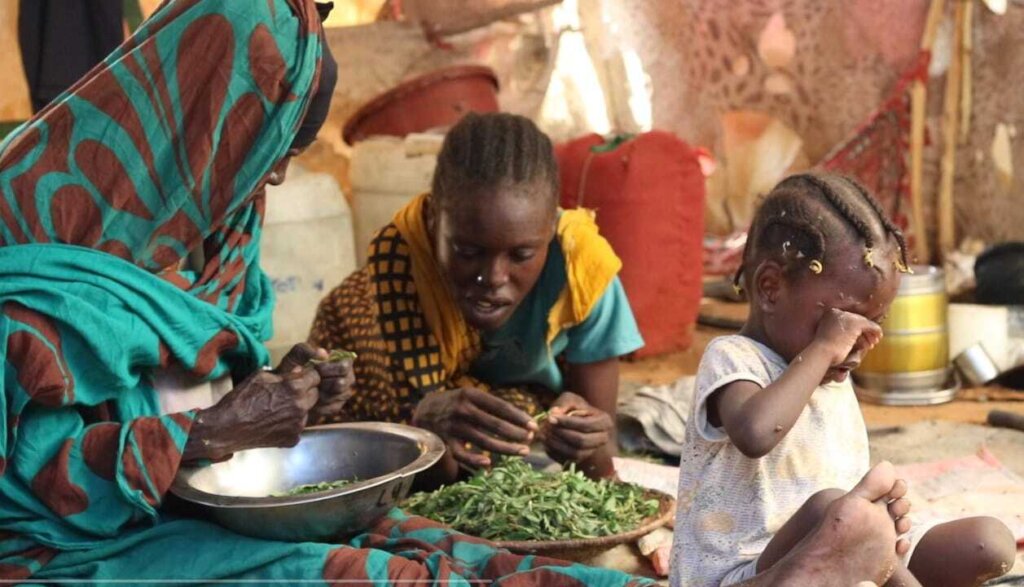
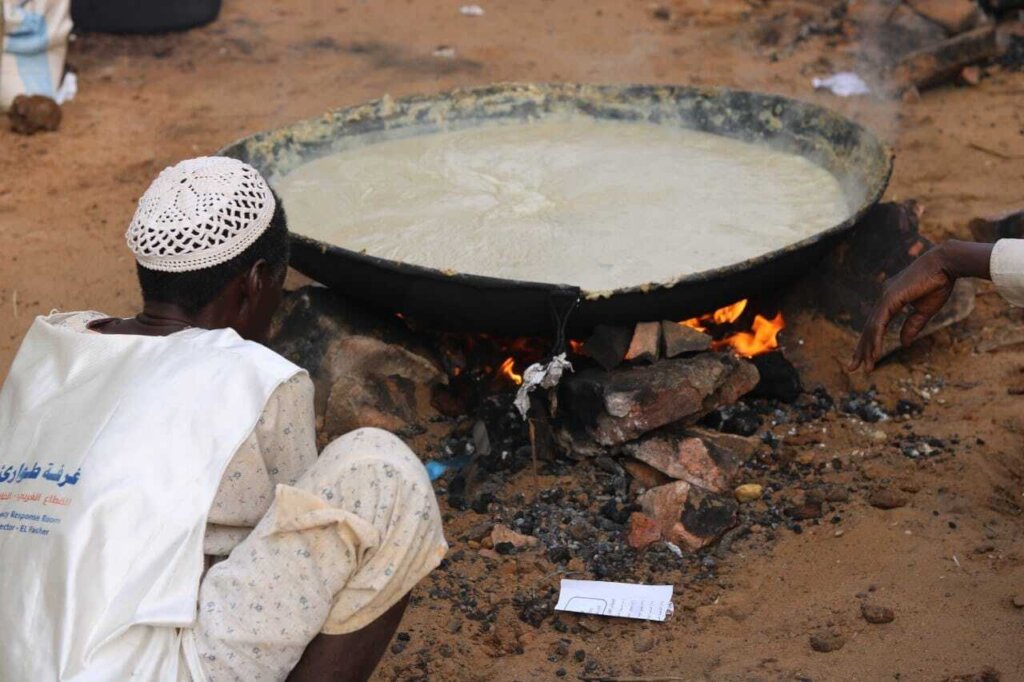
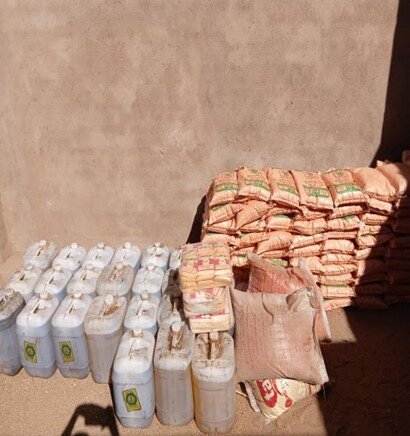
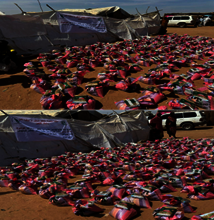
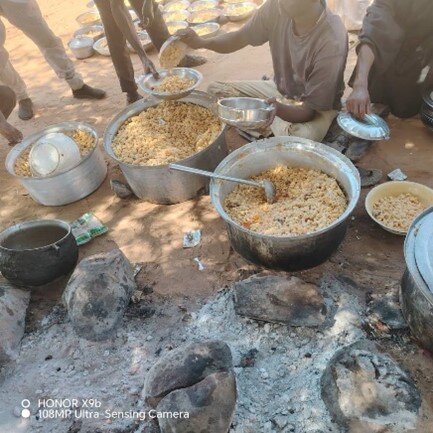
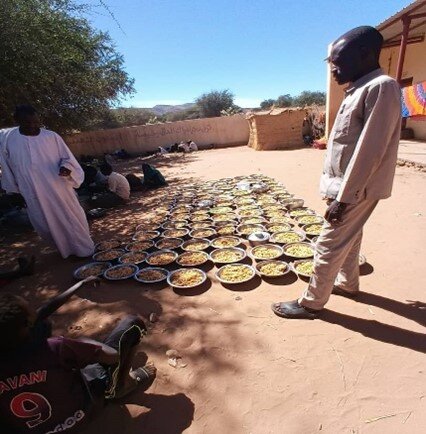
Food baskets included staple items such as sorghum, flour, lentils, macaroni, oil, sugar, and salt. These items were selected based on availability, cultural acceptability, and their ability to meet basic caloric and nutritional needs during emergencies. Community kitchens were established in IDP shelters and camps, providing daily meals to families who lacked cooking facilities or resources. These kitchens also served as communal spaces that promoted solidarity and mutual support during displacement.
3.2 Geographic Coverage and Reach
The project focused on key displacement-hosting areas in North Darfur State, including:
These areas were selected due to the high concentration of newly displaced families from El Fasher and the limited presence of large-scale international humanitarian actors.
4. Beneficiary Profile and Inclusion
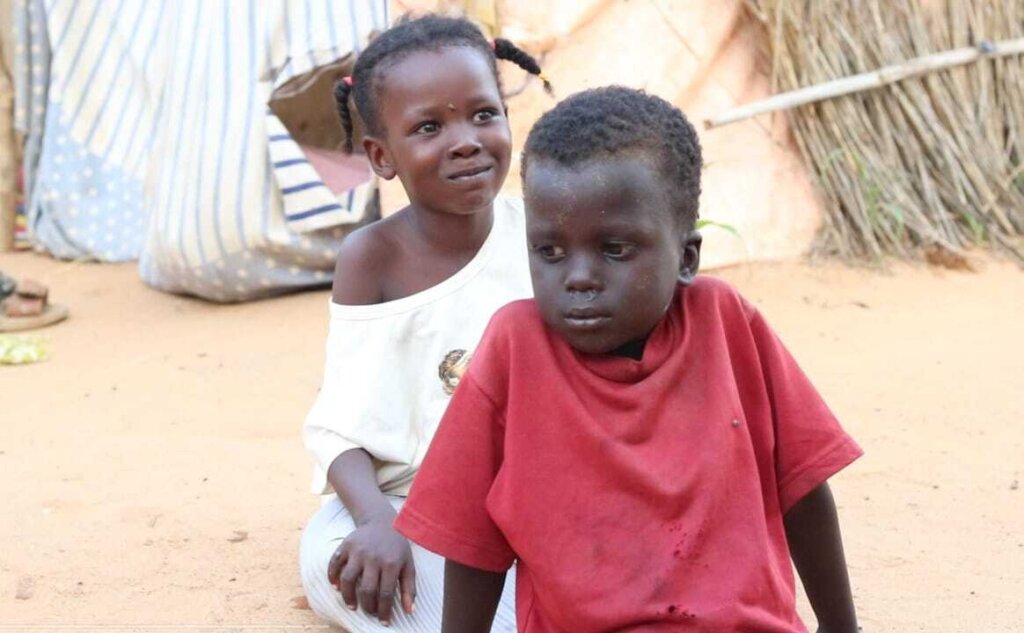
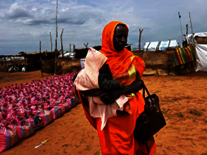
The project adopted an inclusive approach, deliberately reaching displaced people across all age groups and genders. Beneficiary selection prioritized households facing the highest levels of vulnerability, including families led by women, households with young children, and older people with limited mobility.
Key beneficiary groups included:
This inclusive targeting ensured that food baskets and cooked meals reached a representative cross-section of the displaced population during a period of deepening hunger and restricted access to assistance.
5. Local Partners and Core Interventions
A central pillar of this project was collaboration with local Sudanese organizations and community initiatives, whose proximity, knowledge, and trust within communities enabled effective delivery of assistance in challenging conditions.
5.1 Darfur Organization for Development and Human Resources (DOFDAHR)
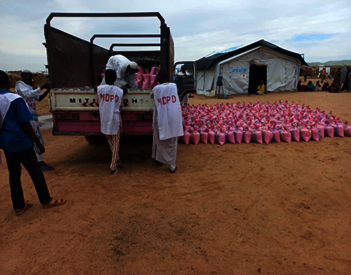
DOFDAHR implemented food basket distributions in Dabbat Nayra IDP camp, located approximately 56 kilometers west of El Fasher. Established after October 2025, the camp has become one of the largest displacement sites in the area, hosting families from North Darfur and parts of Jebel Marra.
Through this partnership:
The intervention reached:
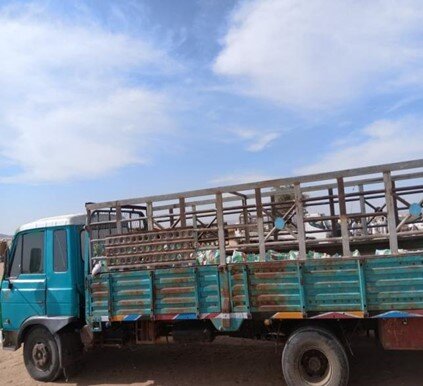
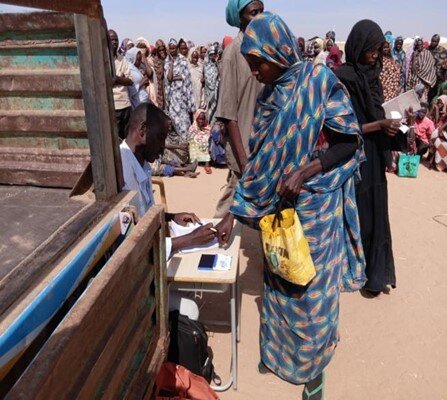
Food baskets were carefully packaged and distributed with community oversight to ensure transparency and fairness.
5.2 Darfur Victims Support Organization (DVSO)
Darfur Victims Support Organization targeted food-insecure households displaced from El Fasher and residing in Tawila locality.
Key aspects of this intervention included:
The approach ensured that assistance reached those facing the most severe food shortages while reinforcing community participation and accountability.
5.3 Malam Darfur for Peace and Development
Malam Darfur for Peace and Development focused on 600 vulnerable IDP households in Tawila, delivering food baskets designed to meet essential dietary needs.
This intervention contributed to stabilizing household food access during a period when markets were disrupted and purchasing power was extremely limited.
5.4 Allah Yabarudi Initiative
The Allah Yabarudi Initiative implemented food assistance through community-based kitchens in Tora, North Darfur, targeting displaced families living in three school-based shelters:
Across all three shelters, community kitchens provided daily cooked meals, benefiting 3,435 displaced people. These kitchens were managed with strong community involvement and played a vital role in meeting daily food needs for families without cooking resources.
5.5 Taja Women Organization
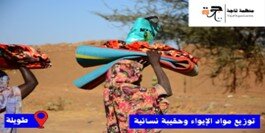
Under the non-food assistance component in Tawila, Taja Women Organization, in collaboration with Adeela, distributed essential household and hygiene items to displaced women.
Distributions included:
Each targeted woman received a complete set of items, supporting dignity, health, and wellbeing in displacement settings.
6. Implementation Approach and Community Participation
All interventions were implemented using community-based and participatory approaches. Local committees and volunteers supported beneficiary identification, distribution logistics, and crowd management, ensuring transparency and community ownership.
This approach helped to:
7. Outcomes and Impact
The project contributed to:
While needs remain immense, timely assistance helped families cope with acute food shortages and maintain a minimum level of stability during displacement.
8. Conclusion: Strengthening Localized Humanitarian Response
This project demonstrates the effectiveness of localized, community-led humanitarian action in complex emergencies. By partnering with local organizations and initiatives, Adeela was able to reach displaced populations in hard-to-access areas where assistance is often limited.
The combination of food assistance, non-food support, and community participation reinforced local ownership, promoted inclusion, and ensured that aid was delivered quickly and respectfully. Your support made it possible to respond to urgent needs while strengthening the foundations for sustained community resilience and future recovery.
Project reports on GlobalGiving are posted directly to globalgiving.org by Project Leaders as they are completed, generally every 3-4 months. To protect the integrity of these documents, GlobalGiving does not alter them; therefore you may find some language or formatting issues.
If you donate to this project or have donated to this project, you can receive an email when this project posts a report. You can also subscribe for reports without donating.



Support this important cause by creating a personalized fundraising page.
Start a Fundraiser