By NIMMI | HONY PROJECT CO-ORDINATOR
Nothing can stop us at The Earth Trust… not even a pandemic!
Having braved the seven month challenge of a hill district in lock down, isolated from buyers and commercial hubs in the cities while coping with the return of those employed in the cities infected with covid, we had gone through yet another phase of guidance and introspection.
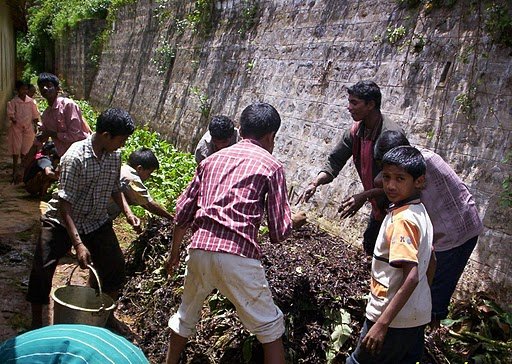
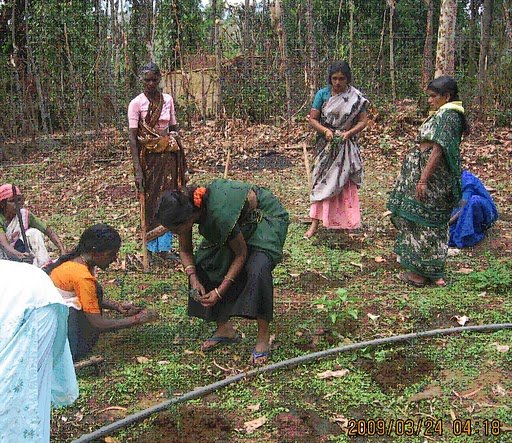
Sustainable agriculture
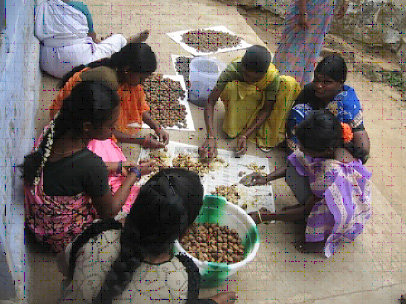
Our little farmers, had suffered the plight of having to compost their produce or even feed luscious strawberries to cattle in the absence of transport and markets. We tried to minimise their losses by making preserves and encouraging them to use farm labour to value add. Our Gudalur farmer converted red heirloom to handcrafted rice flour and other products of rice flour used in South Indian cuisine. The result was stored labour and sustained livelihood. As an ethical intermediary we still had to find markets both local and outside the district. It helped that logistics eased when limited public transport opened up in October. Despite this, our meagre marketing cum logistics cum accounts women team have chased the only available transport including the one and only newspaper van that returns to the city in the foothills empty. Often times this has been at 3 am on icy cold mornings.
Besides all our regular customers, there were so many who had taken stock during Covid and decided that they needed a reliable source of vegetables, fruit and staples. Our waiting list of potential customers just gets longer all the time. At any given time our demand is far greater than the supply.
Our most precious trophy at Earth Trust has always the markets recognition of our commitment to the marginalized organic farmer, our guarantees on traceability and our unwavering commitment to the larger vision of safe food and biodiversity.
In keeping with our ideology, in October we began supplies to a new multilevel woman oriented initiative called Marketing place for Regenerative Agroecology (www.krishijanani.org) Krishna Janani. Our spices, rice products and eucalyptus oil found its way directly to homes thanks to this network of women who earned small margins to supplement family incomes. Earth Trust, saw this as a marketing platform for value added innovations that happened during lock down and a livelihood opportunity for women who could not continue that jobs during the pandemic too. The shopper also found this a boon with infection rates rising.
Our local customer base in the towns of Coonoor and Ooty continues to draw crowds that are both safe food seekers and activists in their own right, these farmers outlets are effective platforms to create awareness about safe food and the need to protect the Nilgiri biosphere for posterity. Our farmers continue to get their well-deserved protection price. However it leaves us with margins that barely cover our overheads.
Our predominantly woman team often travel 80 to 100 km to make all of this happen. This includes mentoring monitoring and motivating the farmer while picking up his produce to be sold.
October is the month when farmers venerate farm implements or Ayudham and give them a day of rest on the occasion of Ayudha pooja.We reinvented our local outlet in Coonoor in October. We now have a pop up tent which attracts scores of locals who care for their food and for our farmers and these hills.
November also saw the culmination of our 11 month bid to gather information and documents required for organic certification from the TNOCD (Tamil Nadu Organic Farmers’ Certification Department). While our own criteria is far more stringent, it helps to have governmental endorsement Our farmers will be rewarded a SCOPE certificate in the first year based on our internal audits followed by a full-fledged certificate for organic farming .
Special attention was paid to Manaara our biodynamic farm to further propagate plants required for biodynamic preparations beginning December.
The Earth Trust continues to be a member of the Biodynamic Association of India and strives to follow the biodynamic planting calendar and methodology.
At Manaara we transplanted a 9 foot Peepul tree (sacred to many), to a place on the farm where it will spread its shade and radiate its protection for posterity.
Womens Programme
Covid hit when we had just begun to train a new group of women in Kengumudi village. This included some from the Toda tribe, a first for ET.
The village community hall where we normally conduct our classes was given to those returning from the cities to quarantine. Understandably it was the duty of the village headman to protect his flock.
In November when the covid situation improved, we began classes at a local convent where it was safe to conduct classes with covid protocols like temperature checks hand washing and mask wearing in place. We cut down enrollment again to maintain physical distancing etc. Our profile of trainees this quarter were differ from those in the past. The current batch consists mostly of daughters of helpers housed in quarters attached to homes of the well to do. Also those who can walk from safe settlements walking distance away from the training. This ensures safety and traceability We even adapted our schedule to the online classes of three college students who are given the adjacent room to attend their routine classes as and when they happen. As of November we also have a young on-line tutor Gowri who volunteered with us a year ago. She prepares and conducts health and body awareness classes online from 400 km away in Madurai Gowri uses technology to her advantage and even conducts fun activities that reinforce memory of what is taught on a whatsapp video call!
We also prepare herbal remedies to revive the precious gift of indigenous healing techniques lost to these indigenous folk for over two decades.
We use a skill development platform to educate these young women on their health. Lalitha our resource person (from the indigenous community herself) teaches the basics of crochet, knitting and tailoring. The sale of craft along with
Most students learn from scratch and quickly. Our youngest trainee is the daughter of a Srilankan war victim has already earned money from the sale of a crocheted woolen scarf. Her first ever earning went straight into her hundi (Indian equivalent of a piggy bank)!
November and December leaves one more month for the completion of the course that earns them a certificate in health and skill development.
Project reports on GlobalGiving are posted directly to globalgiving.org by Project Leaders as they are completed, generally every 3-4 months. To protect the integrity of these documents, GlobalGiving does not alter them; therefore you may find some language or formatting issues.
If you donate to this project or have donated to this project, you can receive an email when this project posts a report. You can also subscribe for reports without donating.



Support this important cause by creating a personalized fundraising page.
Start a Fundraiser