By Mali Health | Mali Health
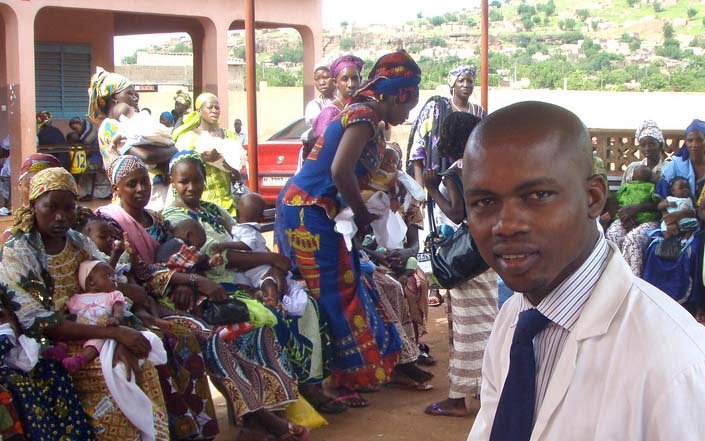
Like many parents around the world, Gauansé’s day starts early - at 5am, to be exact. She makes breakfast and lunch for her 8 year old daughter and 3 year old son, then packs her bag, walks the kids to school, and begins her day as one of Mali Health’s 35 community health workers.
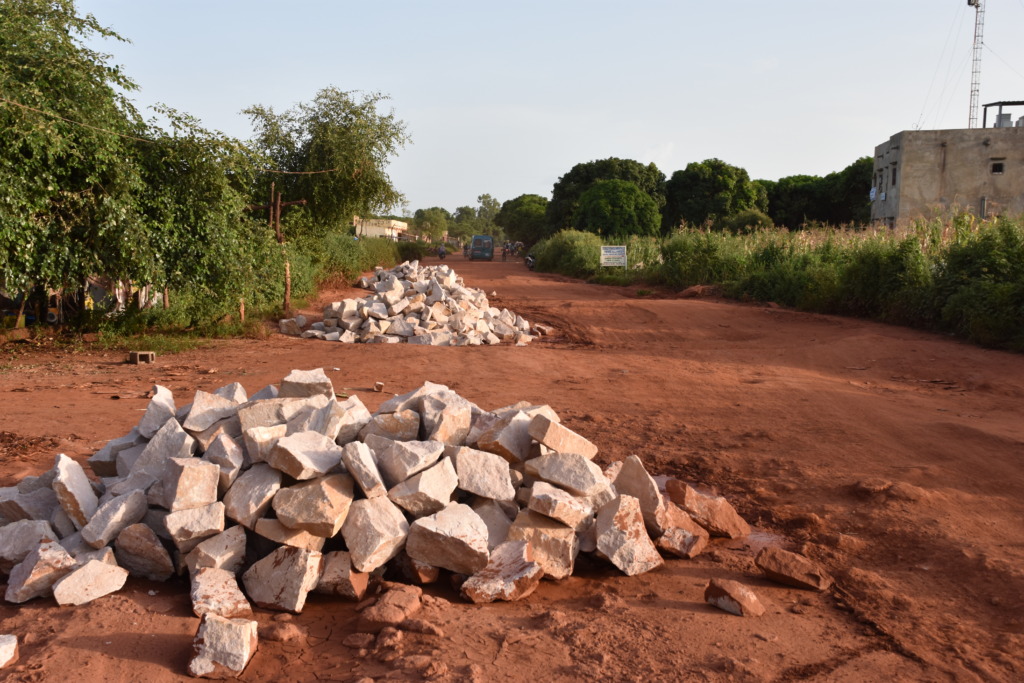
Gauansé works in Sikoro, the community where Mali Health was founded nearly twelve years ago. Plenty has changed in Sikoro over those years, but in these steep, rocky hills, traveling by foot is still the safest and most efficient way to reach the families in Gauansé’s care.
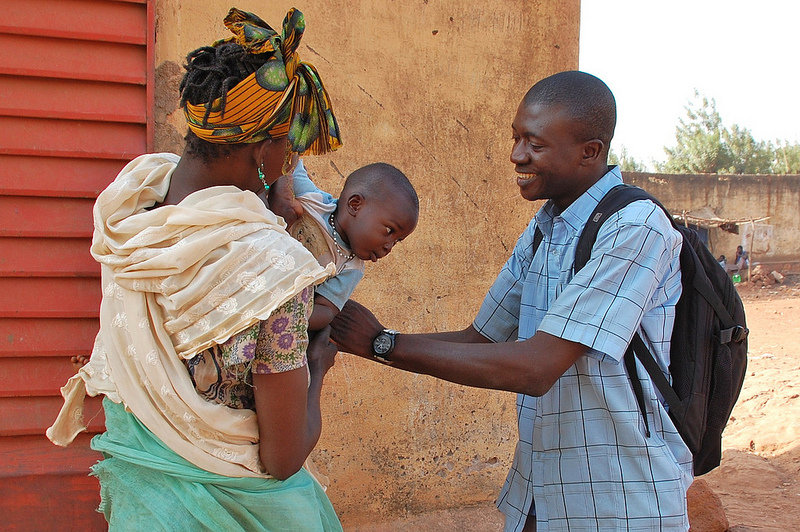
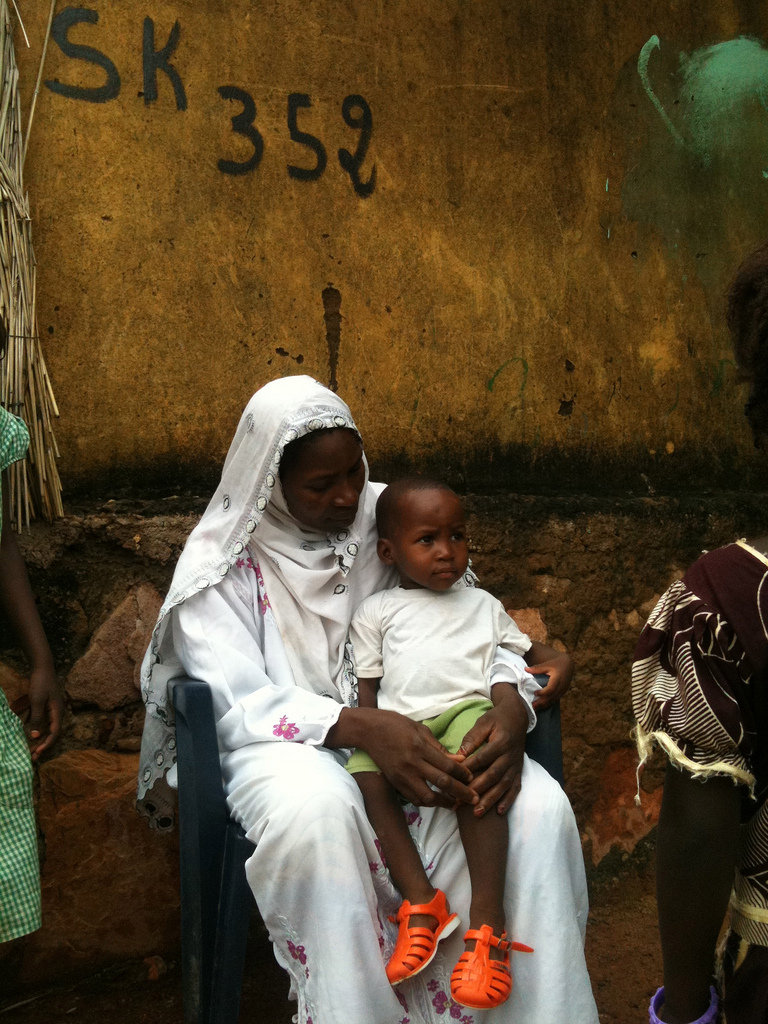
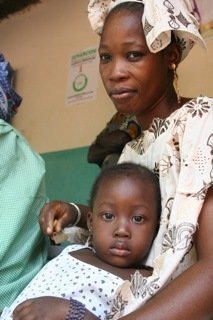
Gauansé meanders up the path to visit the first family of the day. Hawa (4 years old), Wassi (3 years old), and Diatou (4 months old) live here with their mothers, Ya and Alimatou. Gauansé has been visiting the household roughly every two weeks since Hawa joined Mali Health’s program three years ago.
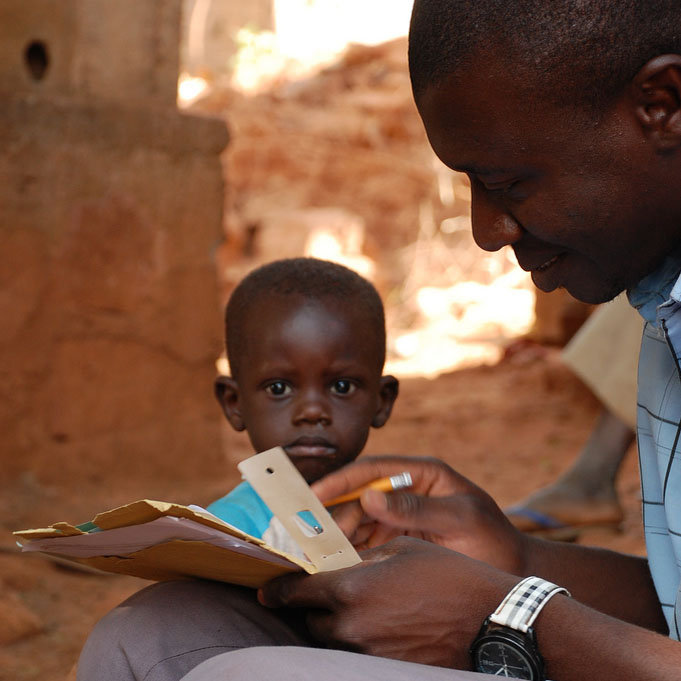
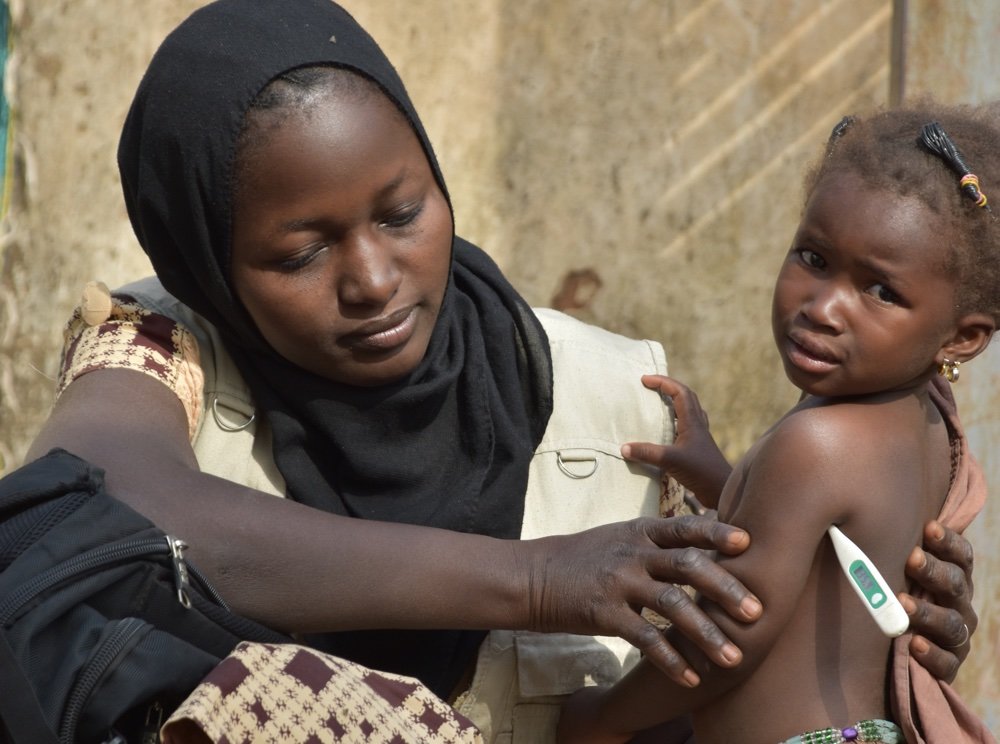
Community health workers like Gauansé serve families in a number of ways. Gauansé starts her visit by checking Wassi’s temperature to make sure she doesn’t have a fever — a common sign of malaria, which can be very dangerous in young children.
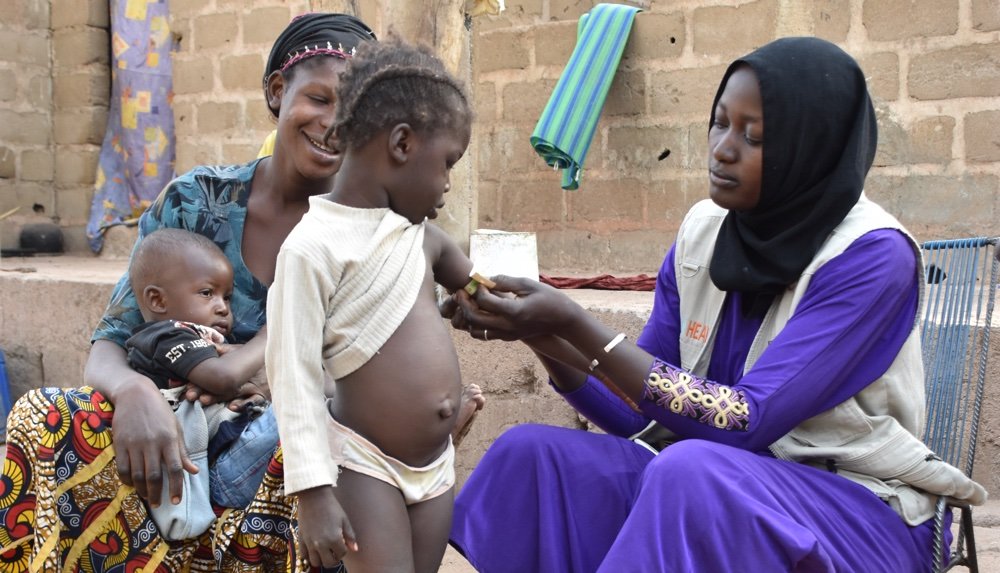
Gauansé also measures the children’s weight and arm circumference to monitor for malnutrition and asks their mothers about any recent symptoms of illness.
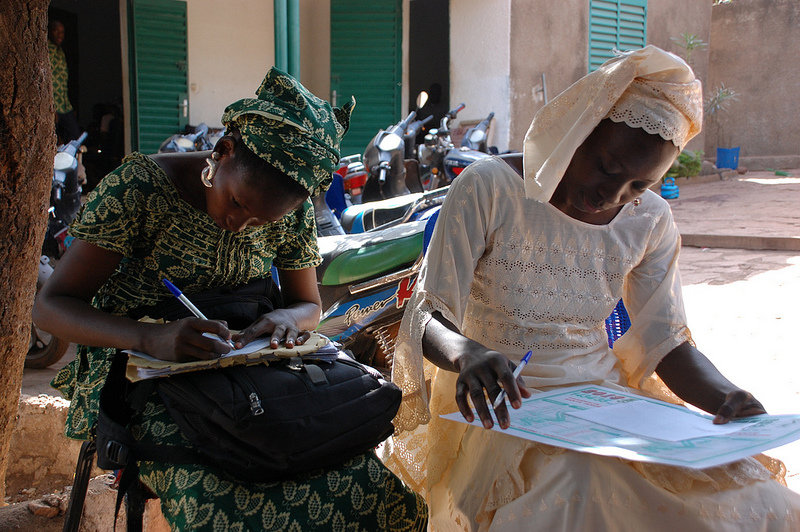
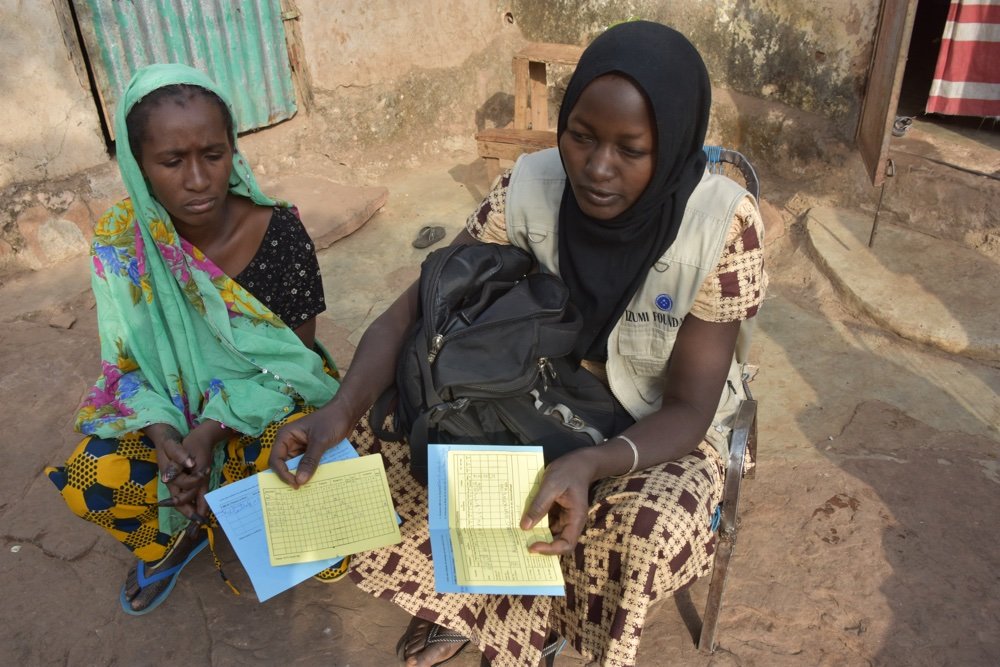
As she collects the information about the children’s health, Gauansé records everything in a mobile phone app, which will analyze the information and prompt Gauansé if the children are showing any warning signs of illness.
If any of the children are sick, Gauansé will encourage their mothers to bring them to the health center right away, where they will receive proper treatment and can start recovering quickly. Mali Health covers the cost of this care for children enrolled in the program so that families will not delay seeking care for fear of not being able to afford it.
After working with the children, Gauansé turns her attention to Ya and Alimatou. In addition to monitoring children’s and pregnant women’s health, Gauansé provides families with health education, discussing topics that frequently impact their health — such as nutrition, family planning, breastfeeding, and malaria — and giving them the knowledge they need to prevent disease and keep themselves healthy. Today, Gauansé focuses on hand washing in light of the upcoming cold/flu season; she doesn’t lecture, but rather engages Ya and Alimatou in a dialogue to learn about the topic together.
In three years, Gauansé has been through a lot with this family, and she’s seen the children grow. Last year, when she learned Wassi was sick with malaria, she accompanied Wassi and Ya to the Sikoro health center, stayed by their side through the consultation, and made sure Ya got the right medication before they left. Health workers like Gauansé are not just providers for the families in their care — they’re friends, too.
With plenty of well wishes, Gauansé leaves Ya, Alimatou, and their children to walk to the next family’s home. Along the way, she reflects on how she got here: she was a nursing student at one of the local health centers when Mali Health began its work. Soon, she noticed a lot of children arriving at the center, referred by the Mali Health team.
“I asked the doctor about the program,” she says. “I thought Mali Health was doing important work, and I wanted to be part of it. That’s how I became a community health worker.” Gauansé has been a proud member of our team for five years now, and we’re lucky to have her.
Gauansé is arriving at another family's house, where she’ll check in on Sounkara and Drissa, both two years old. She’s been visiting them twice a month since just after they were born. They’re too young to be in school just yet, but they learn plenty from Gauansé!
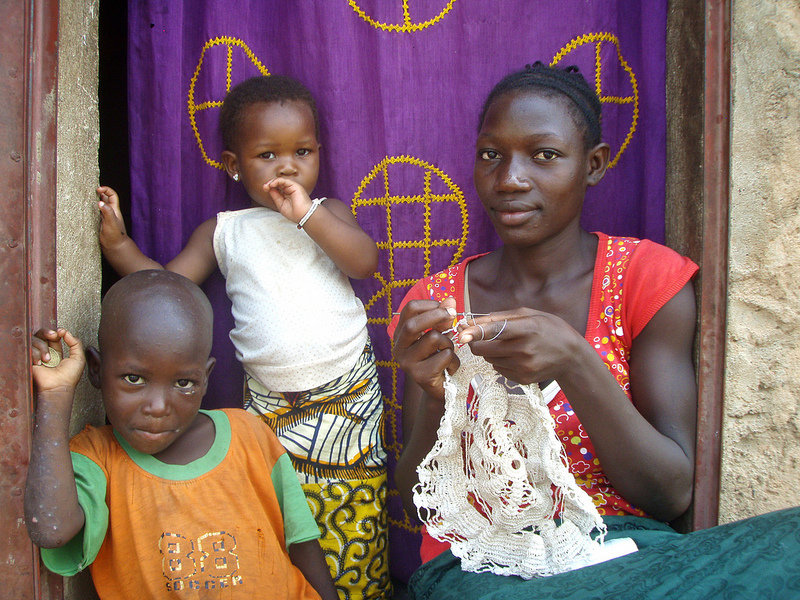
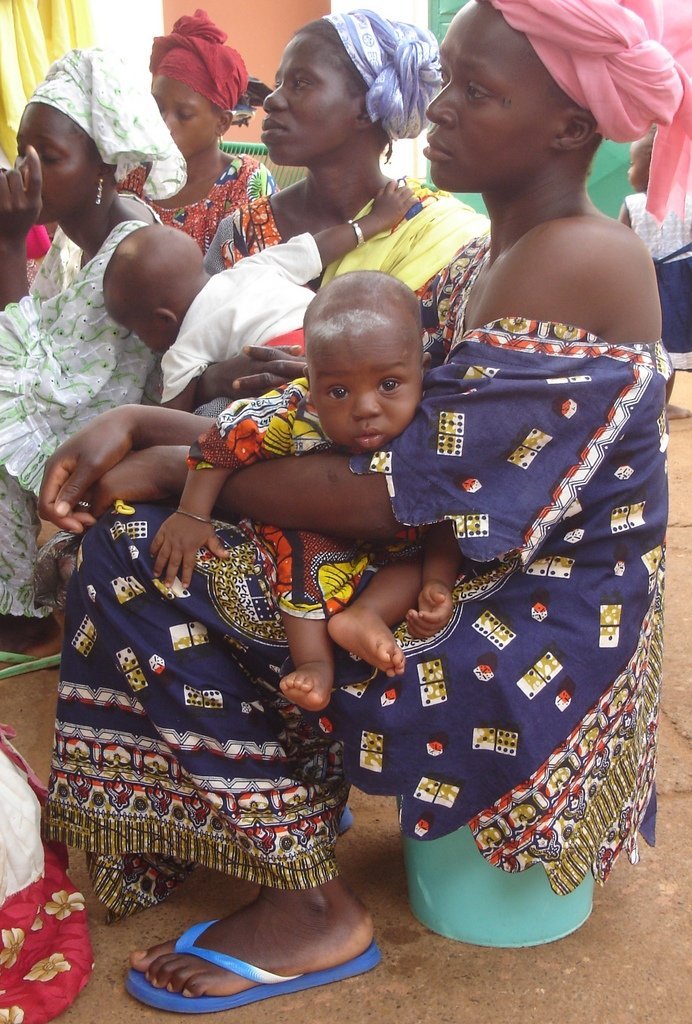
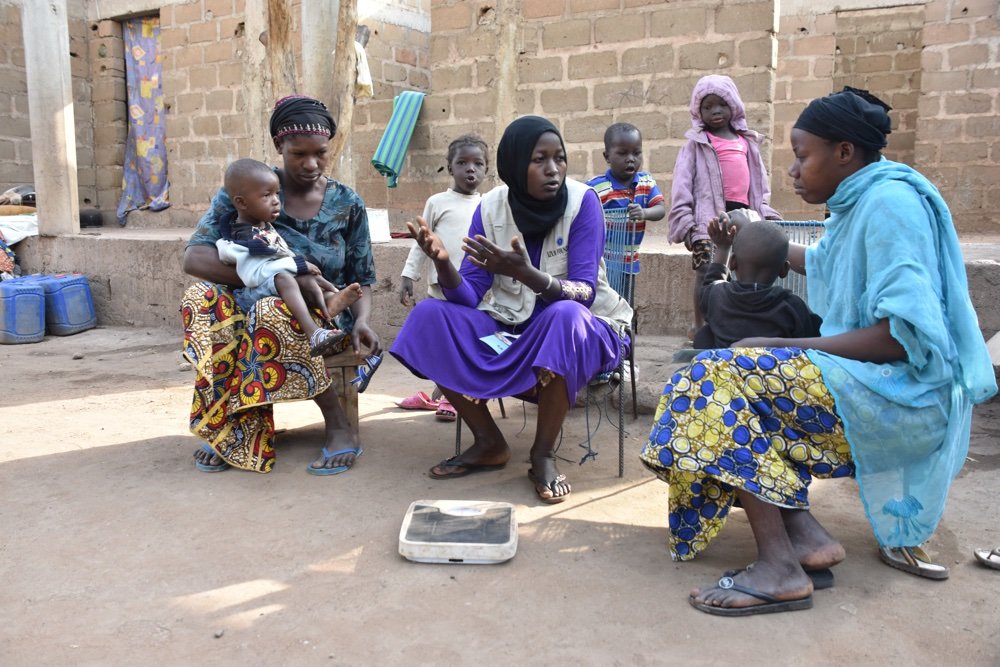
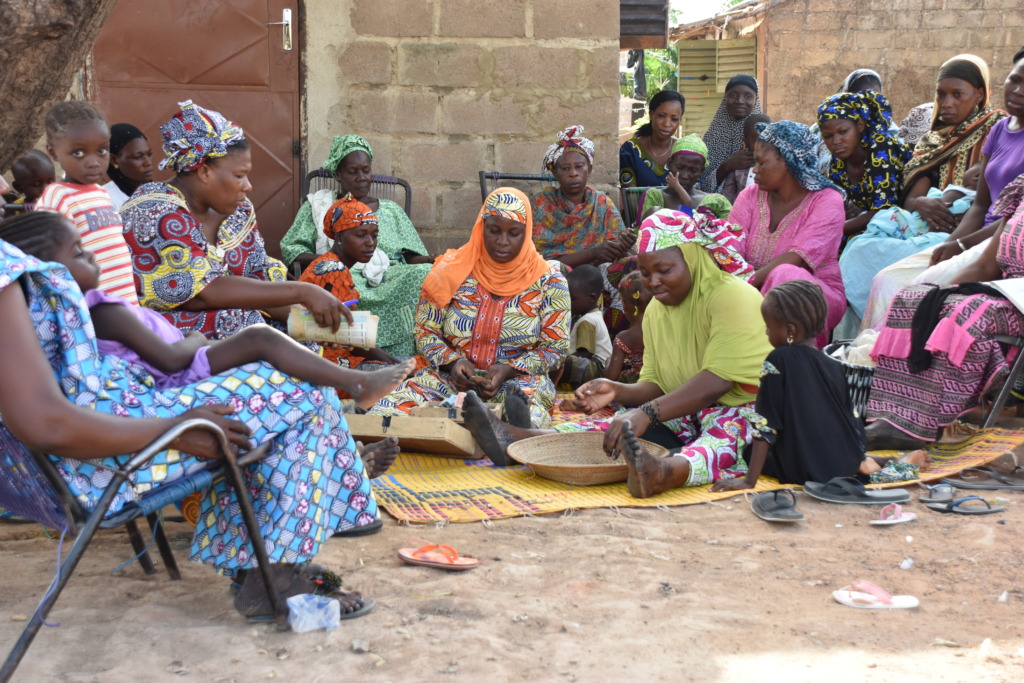
During her visits, Gauansé usually sits in the courtyard surrounded by the women and children of the household (and occasionally some interested neighbors!). Many of the families in Mali Health’s partner communities live in houses like this one with concrete walls, a tin roof, and an open space where families can gather and children love to play. Both Sounkara’s mother, Mom, and Drissa’s mother, Sata, work informal jobs to earn extra income. Sata cooks all day and sells the food along the roadside in the evening to hungry passersby. Mom sews maternity blankets for new mothers in the area and sells them to local families.
Once again, Gauansé starts her visit by taking the children’s temperatures and weight. Drissa is a bit too young to stand on the scale himself, so here, his mother Sata steps in. She’ll weigh herself first, then weigh herself while holding Drissa and calculate the difference.
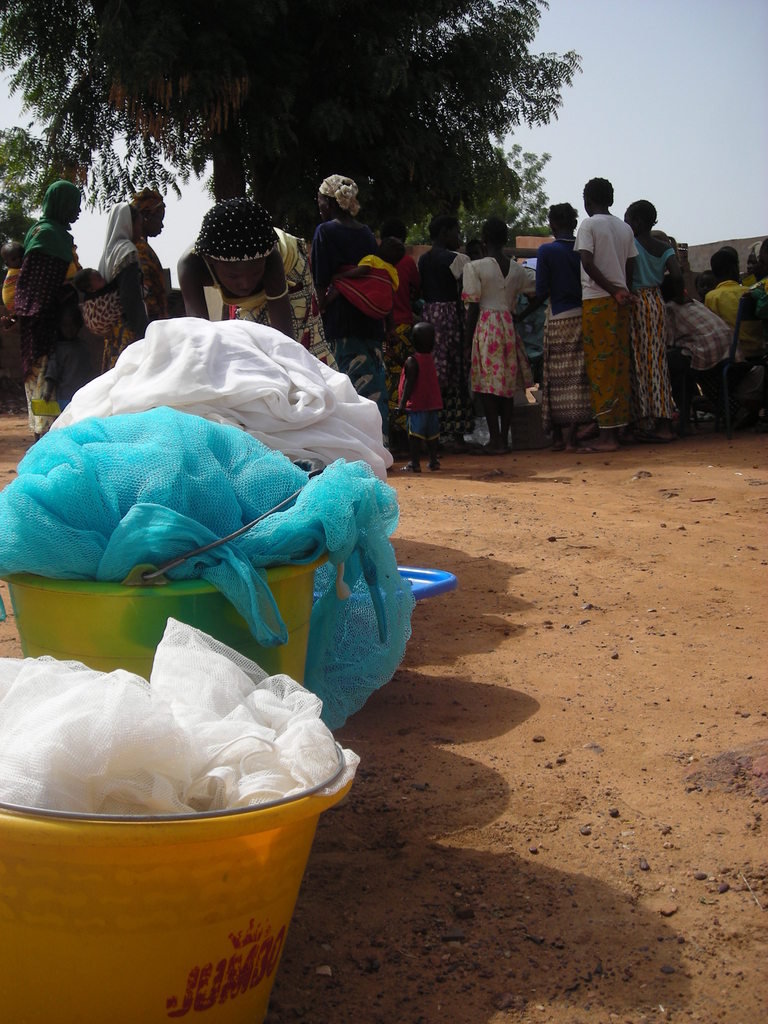
After two years of visits, Mom and Sata have learned a lot: “We can’t say enough about what Gauansé has done for us!” Together, they’ve learned about how hand-washing can prevent colds and why it’s imperative that their children sleep under bed nets treated with insecticide to ward off malaria-carrying mosquitoes. Recently, Gauansé showed Mom and Sata how to mix oral rehydration solution using water, salt, and sugar to give to the children when they have diarrhea. This simple drink has saved millions of lives around the world by keeping children hydrated until their illness passes.
Assured that Sounkara and Drissa are healthy, Gauansé waves goodbye and sets off once again down the streets of Sikoro, eager to see the next family in her care.
As she walks through Sikoro, backpack full of supplies slung over her shoulder, Gauansé continues to think through what her job means to her. “The work has helped me to be more financially independent,” she says proudly. “It has also taught me the importance of prevention in health care in keeping costs low and keeping the children of family and friends in the community healthy.”
When Gauansé arrives at Mariam and Kane’s house, she finds the women and their children outside, the mothers working and the children playing on this beautiful Bamako day. The women gather their kids and sit down with Gauansé. Two year old Bakary, sitting in his mother Mariam’s lap, seems a bit unsure about this visit today. Three year old Kadara, though, looks perfectly at ease.
Gauansé has covered many different health topics with Mariam, Kane, and the other mothers she visits as a community health worker. Like the rest of our team, she adapts the topic of her health education lessons throughout the year to address the most relevant topics at any given time — like hygiene during flu season. One theme is consistent, though: when a child is sick, they need care right away. “We’ve learned to take quick action when our children show symptoms of illness and go to the doctor before it gets worse,” Mariam explains.
After Kane, Mariam, and their children, Gauansé visits two year old Douada, one year old Aisha, and their mother Aramata, who shares, “The most important thing I’ve learned form Gauansé is how to prepare and store nutritious food in a safe way that keeps my children healthy.”
Over the next few days, Gauansé will check in on Alou, his sister Aminata, and their mother Adam; Assanatou, who is several months pregnant; Arabin, whose mother Assan is so eager to learn, she’s been seeking out health education since before her daughter was even born!; and finally two year old Rokia and her mother Sirantou. At each house, she’s greeted with a smile.
At the end of a long day of visiting with children and their mothers, taking more temperatures than she can remember, and having wide-ranging conversations about families’ health and healthcare, Gauansé heads home. But she’ll be back out here tomorrow, visiting more families because her work is never done. She is an incredible friend, provider, and advocate for the women and children in her care, and we are immensely grateful to have her on our team. Thanks for following along with her. And thank you for helping to make her work possible.
Links:
By Mali Health | Action for Health
By Matt Schinske | Storytelling Fellow
Project reports on GlobalGiving are posted directly to globalgiving.org by Project Leaders as they are completed, generally every 3-4 months. To protect the integrity of these documents, GlobalGiving does not alter them; therefore you may find some language or formatting issues.
If you donate to this project or have donated to this project, you can receive an email when this project posts a report. You can also subscribe for reports without donating.



Support this important cause by creating a personalized fundraising page.
Start a Fundraiser