By Max Laskin and Alex Fidler-Wener | Project Managers
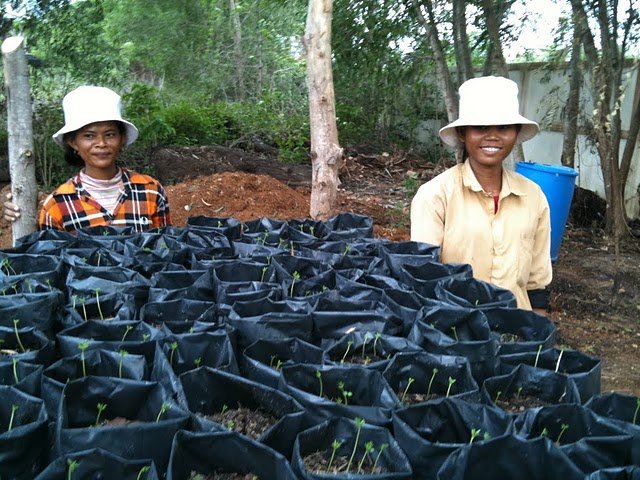
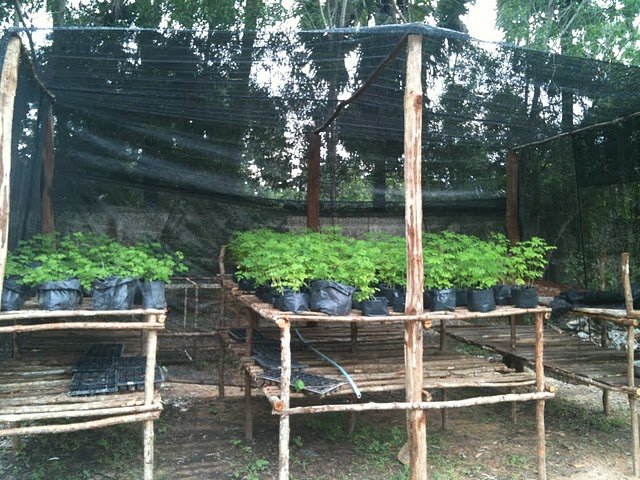
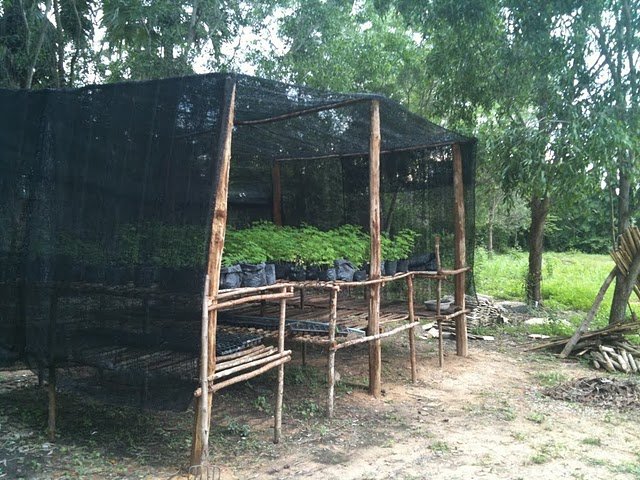
Over the past few weeks, the process of transplanting Moringa trees to Prolit village has begun in earnest.
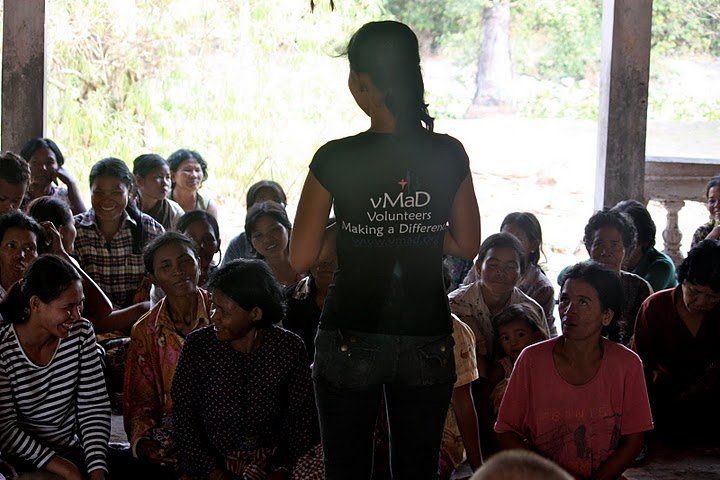
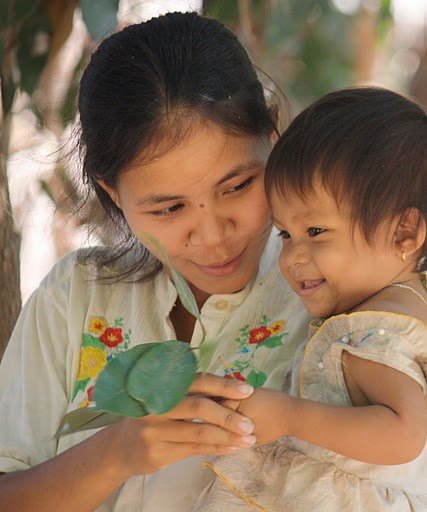
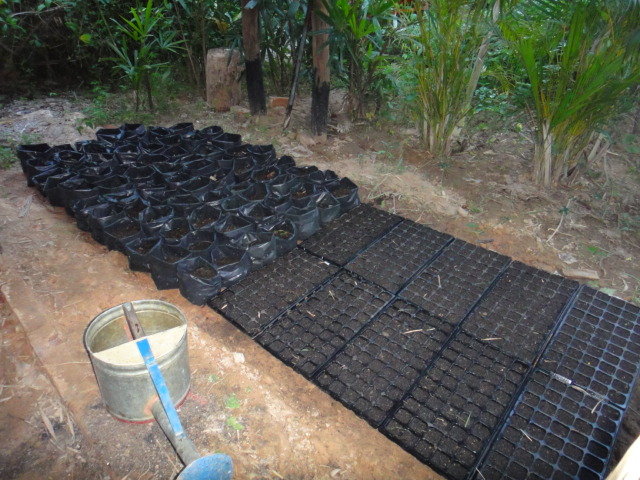
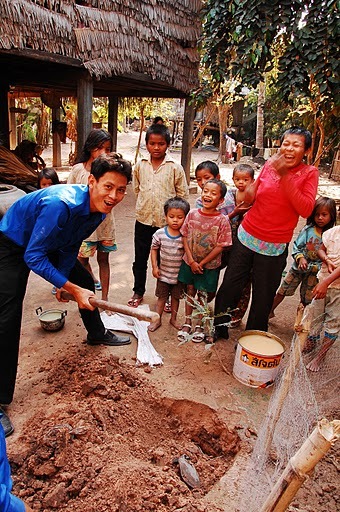
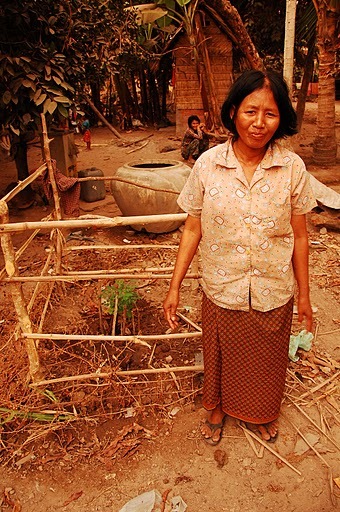
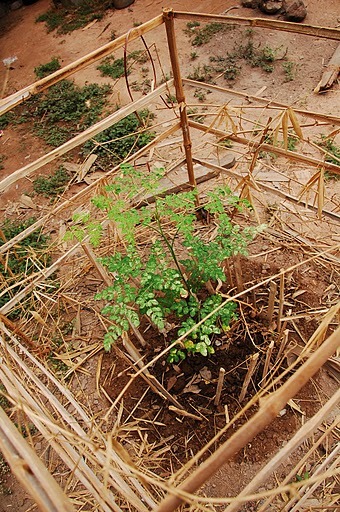
The first time we walked through the village with the Moringa trees in hand, the villagers oohed and awed and before we knew it, a gaggle of children and adults had gathered behind us, eager to watch the trees take root in local soil. After digging holes, adding water, soil, and mixing in cow manure, the trees were delicately placed in the ground and the roots of MaD’s Moringa trees made their first contact with Prolit’s soil.
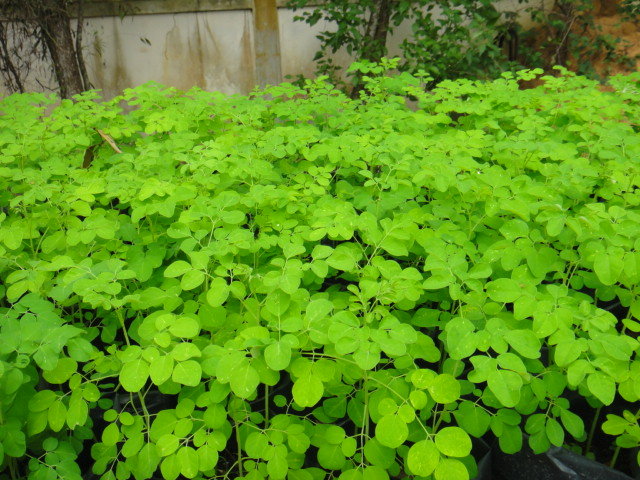
A total of 13 Moringa trees have now been transplanted and the results have been heartening. Many of the trees are sprouting nicely and maintaining their rich green colour – signs that the roots have integrated with, and are drawing nutrients from, the local soil. As expected, however, there have also been some trees that have not handled the transplant as well, as indicated by yellowing leaves and wilting. After analyzing which plants have succeeded and which have had more difficulty, we started noticing a pattern: the plants that were struggling were almost always exposed to more direct sunlight than those that were flourishing.
This was a surprising finding. All of the research we had done while conceptualizing and developing this project indicated that Moringa trees grow best in full sun – the more sun, the better, the experts said. Those who have been to Cambodia can attest that the sun here feels different – more intense – than in other parts of the world, but nonetheless we wanted to follow the tried and tested experience of the researchers. Direct sun may be just right for Moringa trees to flourish in, say, California, but in Cambodia, all sun, all day long is simply too much. We should have known better than to underestimate the indomitable climate of Cambodia!
We have since adjusted our transplanting process to have the Moringa trees planted in areas of half sun, and the results have been promising; since implementing this change, none of the transplanted trees have exhibited signs of distress and the success rate after transplant has been much higher. As always, experience is the best teacher.
In the next few weeks, Amaranth seedlings will also be making their way to Prolit village. Our resident Amaranth plants at MaD Base Camp are thriving and will be yielding grains very soon. Our team is now skilled in transplanting these crops, which bodes well for Prolit village.
Links:
Project reports on GlobalGiving are posted directly to globalgiving.org by Project Leaders as they are completed, generally every 3-4 months. To protect the integrity of these documents, GlobalGiving does not alter them; therefore you may find some language or formatting issues.
If you donate to this project or have donated to this project, you can receive an email when this project posts a report. You can also subscribe for reports without donating.