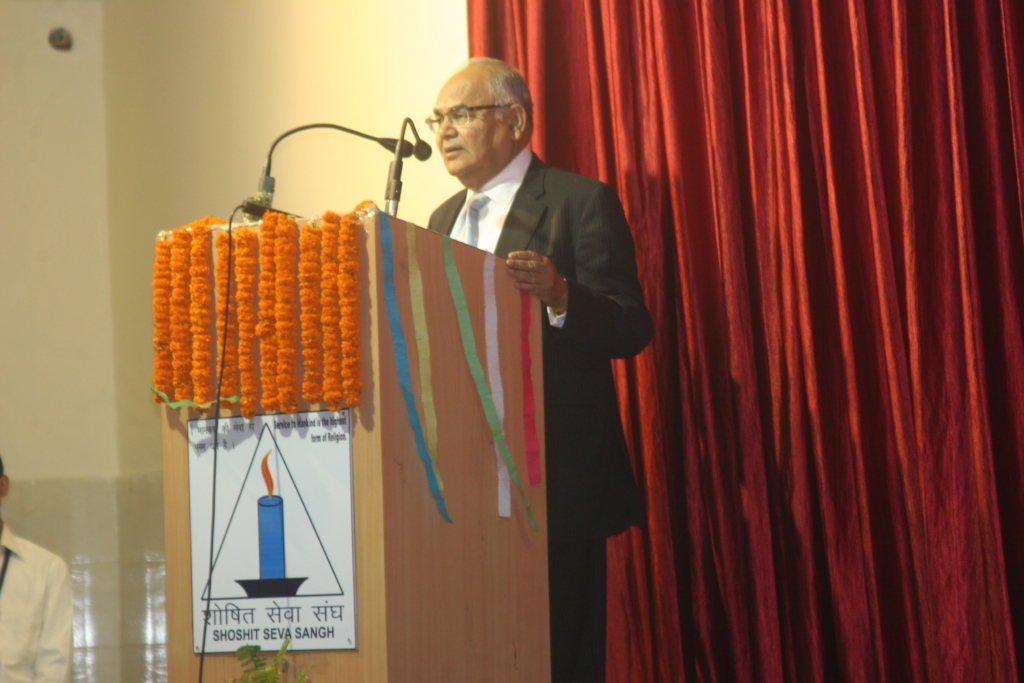
But while we grieve for what happened and ache for what never will, we must be thankful to the Almighty for granting him a life well lived. A third generation police officer, he rose to the highest echelons of India’s national security establishment and was decorated for his service. He subsequently founded SSS upon retiring as Special Secretary to the Government of India and, in 2019, was awarded the Padma Shri by the President of India for his pioneering social work. Along the way he touched innumerable lives, put a smile on untold faces, and earned a legion of admirers.
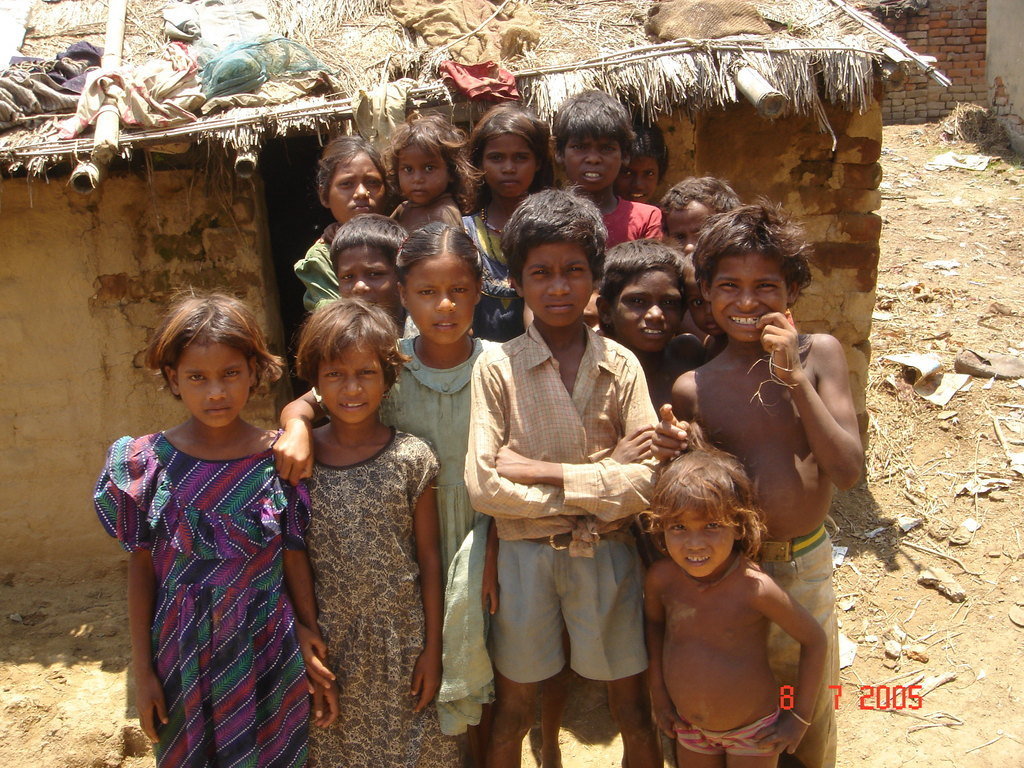
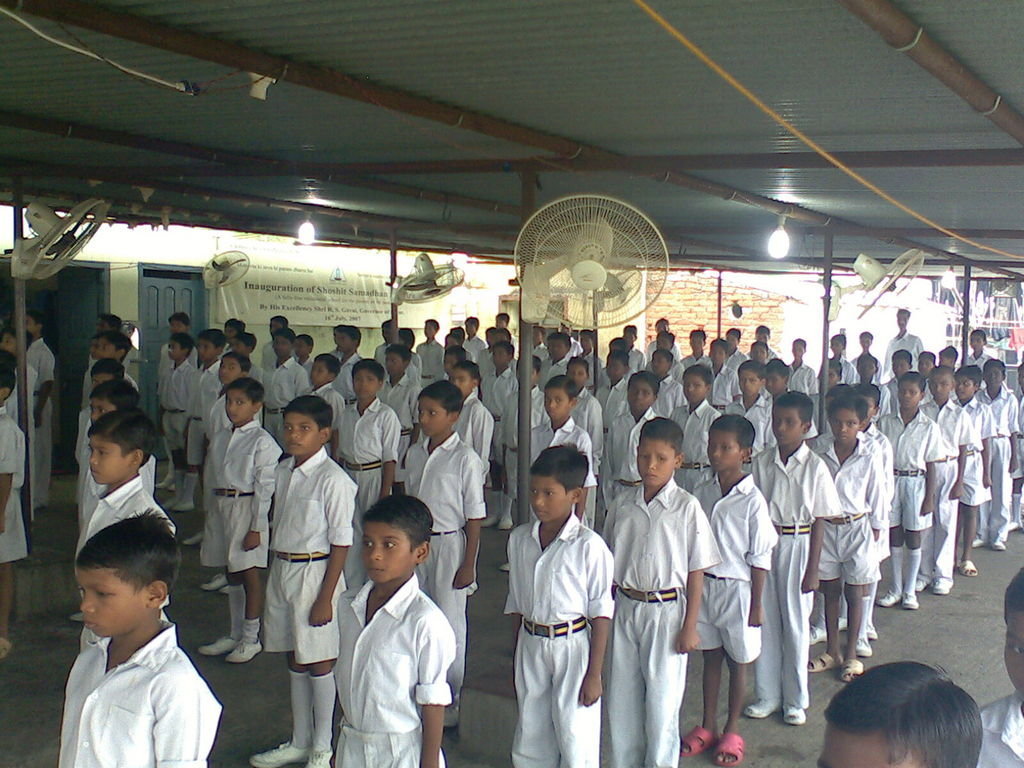
Even as we mourn his passing, we cannot lose sight of the fact that the best way to honour his memory is to not just preserve but rather grow his legacy and ensure that we continue to work tirelessly with the same passion towards fulfilling his vision of using education as a tool to create catalysts of change within the musahar community. All of us at Shoshit Seva Sangh remain firmly committed to the “Silent Revolution” that he espoused with such fervour and, with his blessings and your continued support as well as encouragement, we strongly believe that Team SSS is well placed indeed to take forward his dream in a manner that would make him proud.
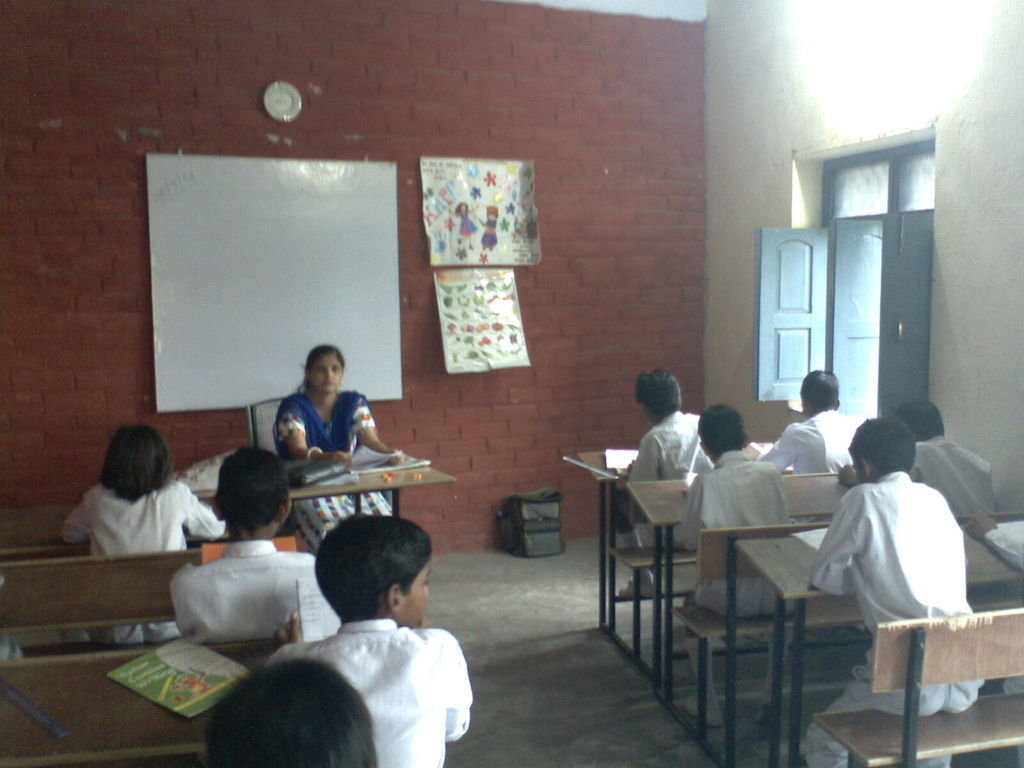
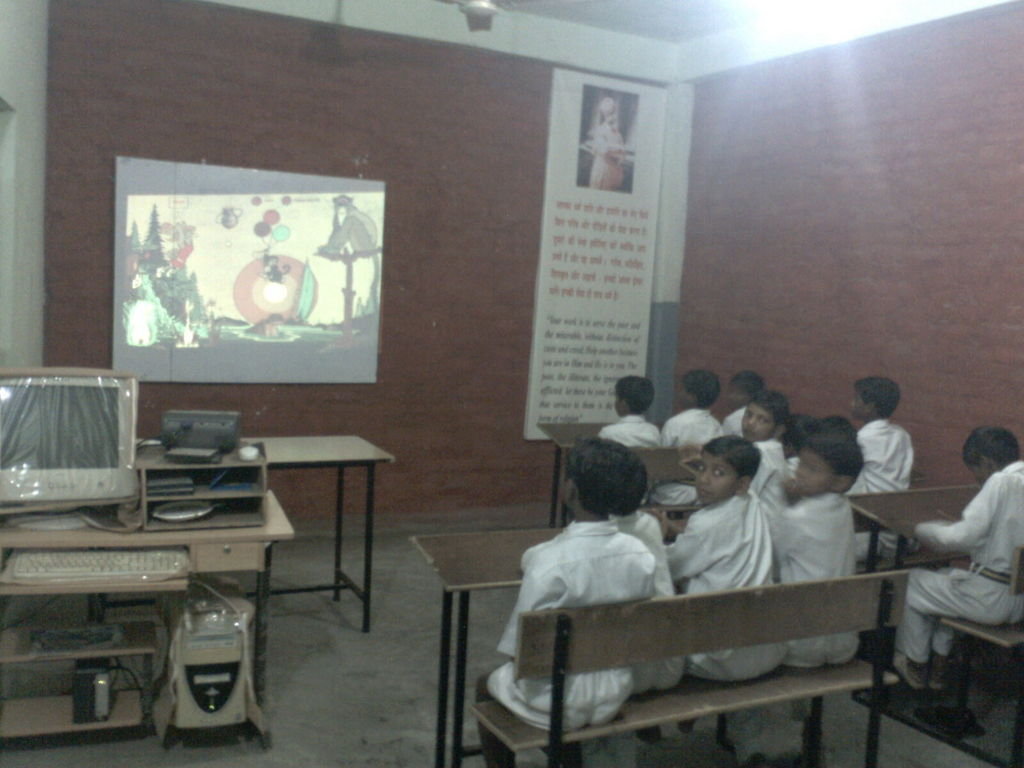
Our campus has remained shut since April 2021 on account of the prevailing situation and government regulations, with all of the children having returned home to their respective villages. As you know, there has been a paradigm shift in the education space, and most schools operating in urban centres have moved to an online learning model. The challenge for us, however, is the obvious lack of access to digital equipment for our students in their homes. In an effort to bridge the digital divide, as well as stem learning losses, we have since the beginning of June organised data plans for smartphones that can be accessed by all our students studying in classes VIII to XII. Our teachers have been conducting virtual classes online, which the students attend using smartphones that belong to their respective households or to a neighbour. Ideally we would have liked to provide each child with a tablet but, given the logistical difficulties of delivering tablets to far-flung villages across every district in Bihar, we had to improvise and use whatever resources were available.