By Joanna Stone | Short term volunteer (June-July 2011), SSK
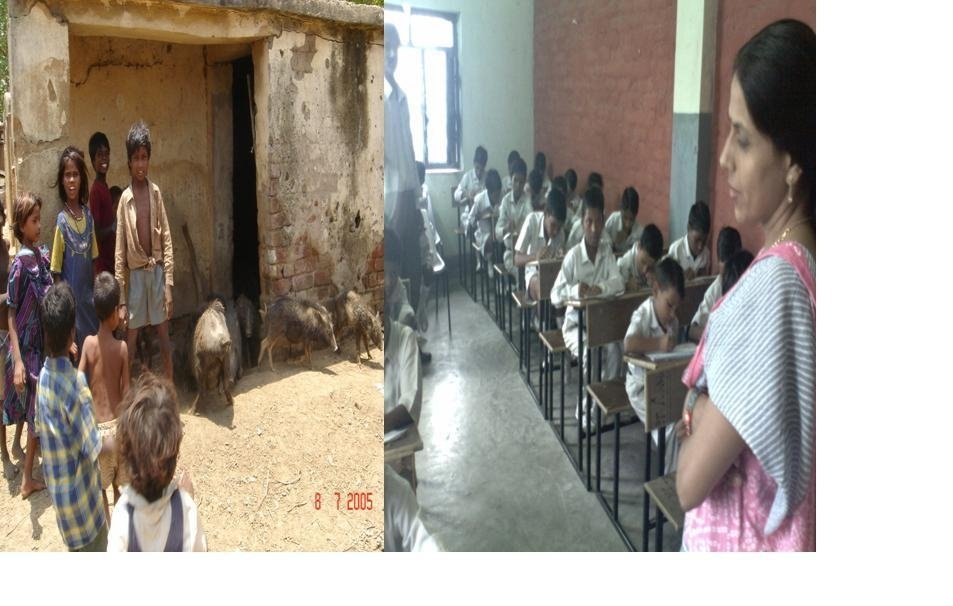
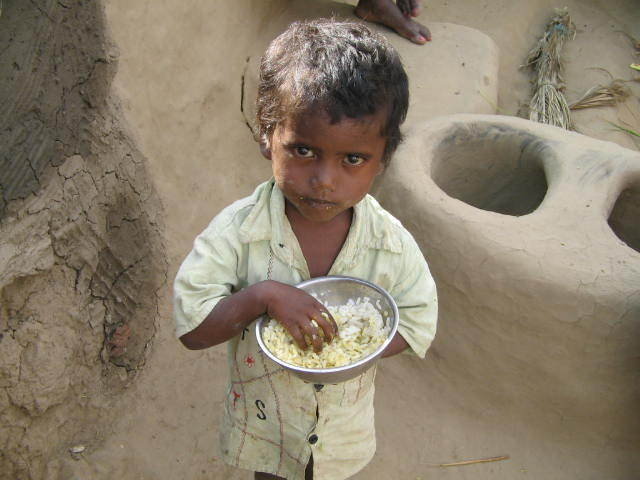
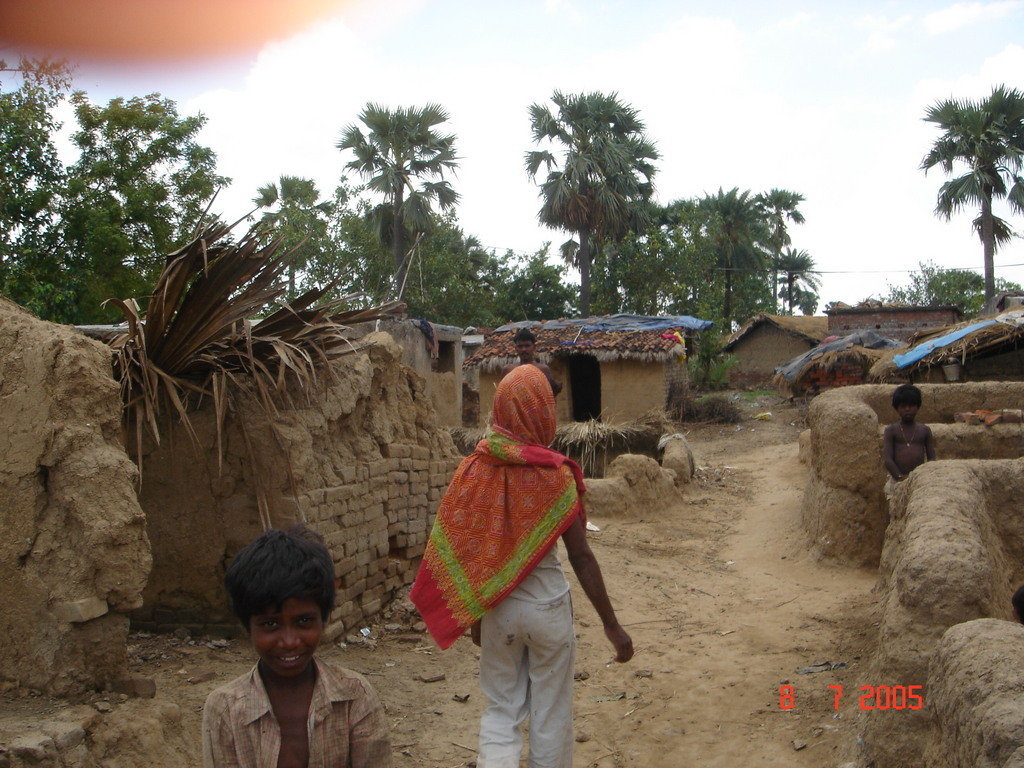
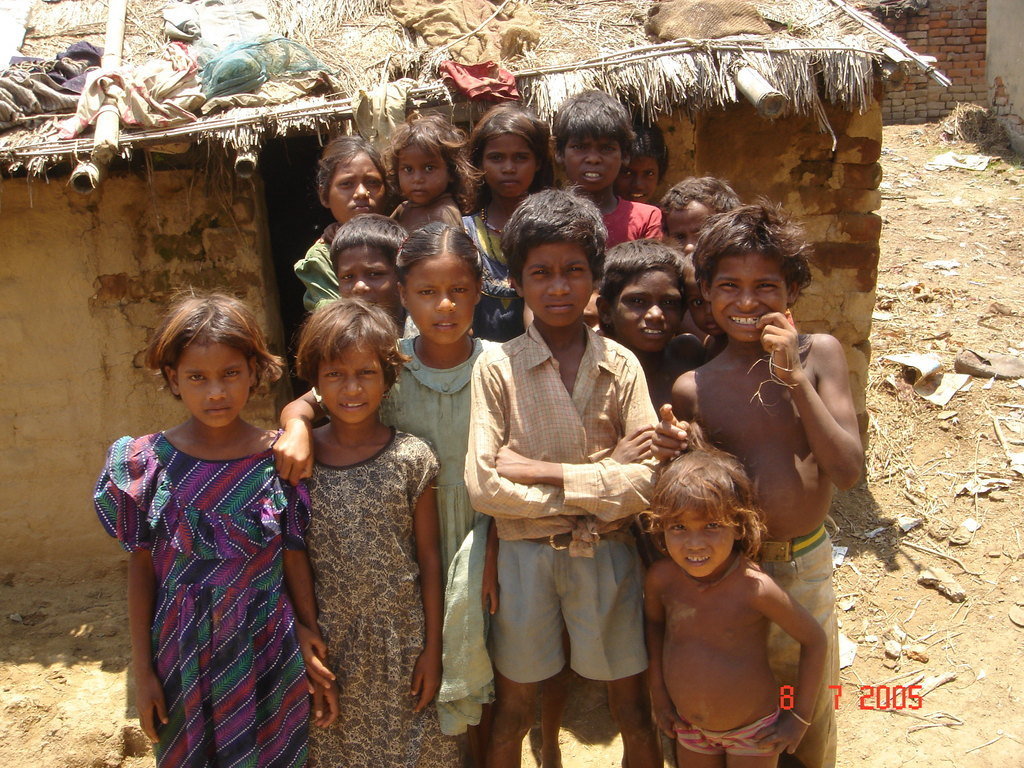
This summer I had the privilege of volunteering at Shoshit Samadhan Kendra for six weeks. The school serves the Musahar, a group of "untouchables", whose traditional job was to clear the rice fields of rodents, earning them the nickname of "Rat Eaters." They live in extreme poverty, with literacy levels below 6% and land ownership around 2%. They are squatters who live in mud huts and often eat only one meal per day. Many of the reforms we've heard about in India over the past few decades have not improved the lives of the Musahar due to corruption and their lack of political power.
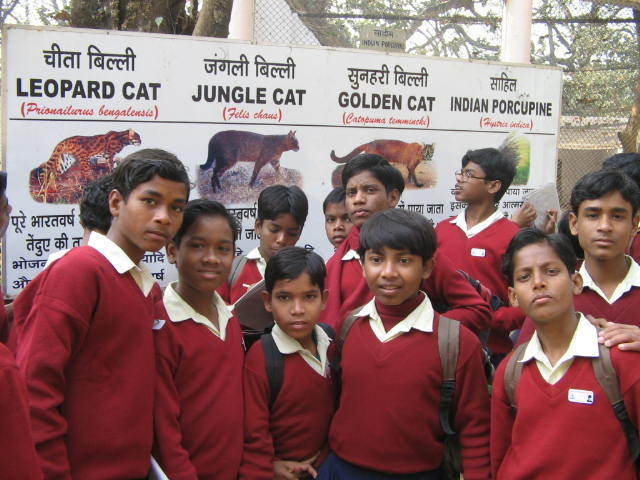
The school is located in Patna, Bihar, and was founded by Mr. J.K. Sinha to provide a quality education to students ages 4-14 so that they can go on to higher education and be advocates for their people. I lived at the school, working directly with the students, helping them to improve their English and basic math skills and conducted a short series of workshops for the faculty.
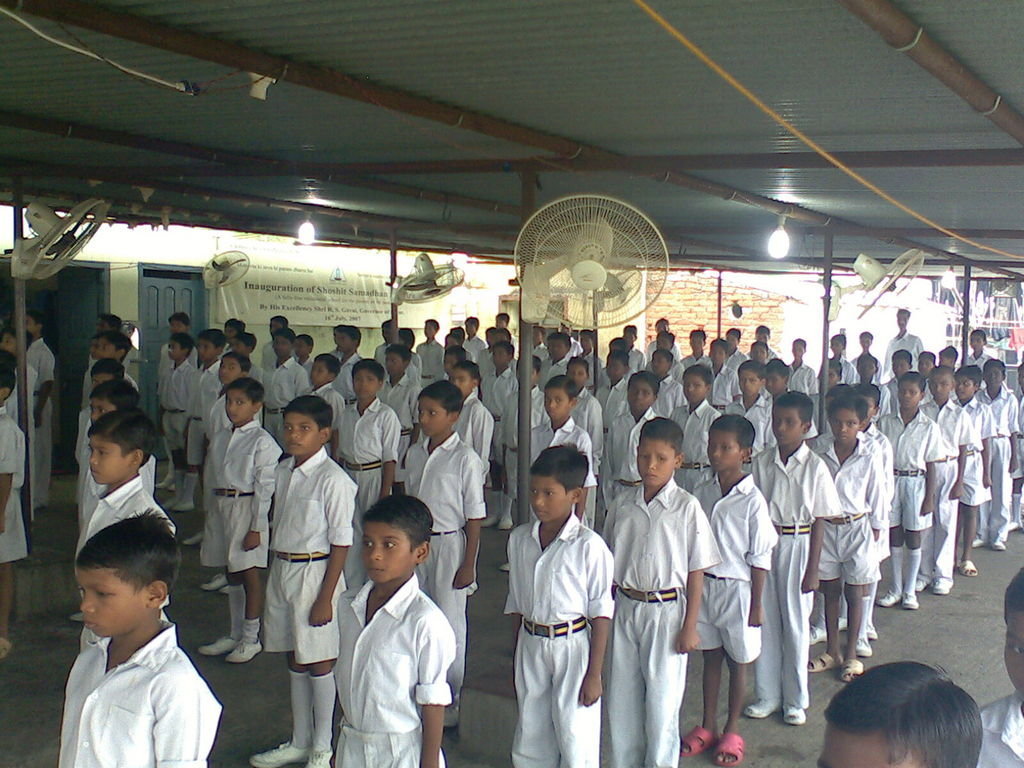
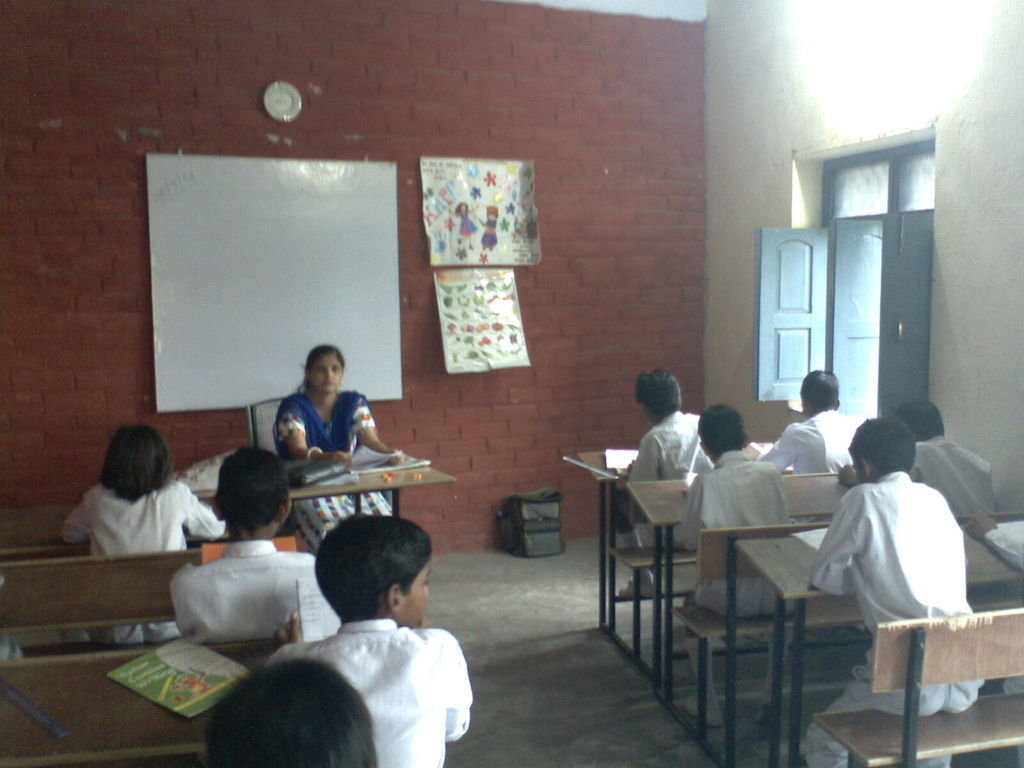
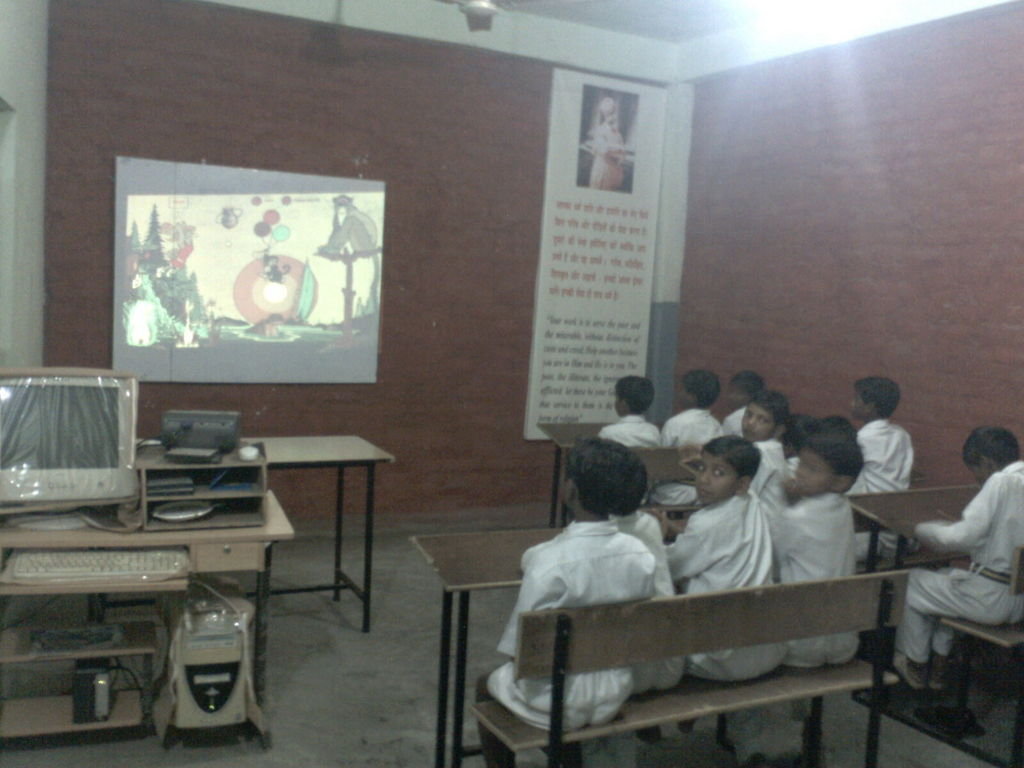
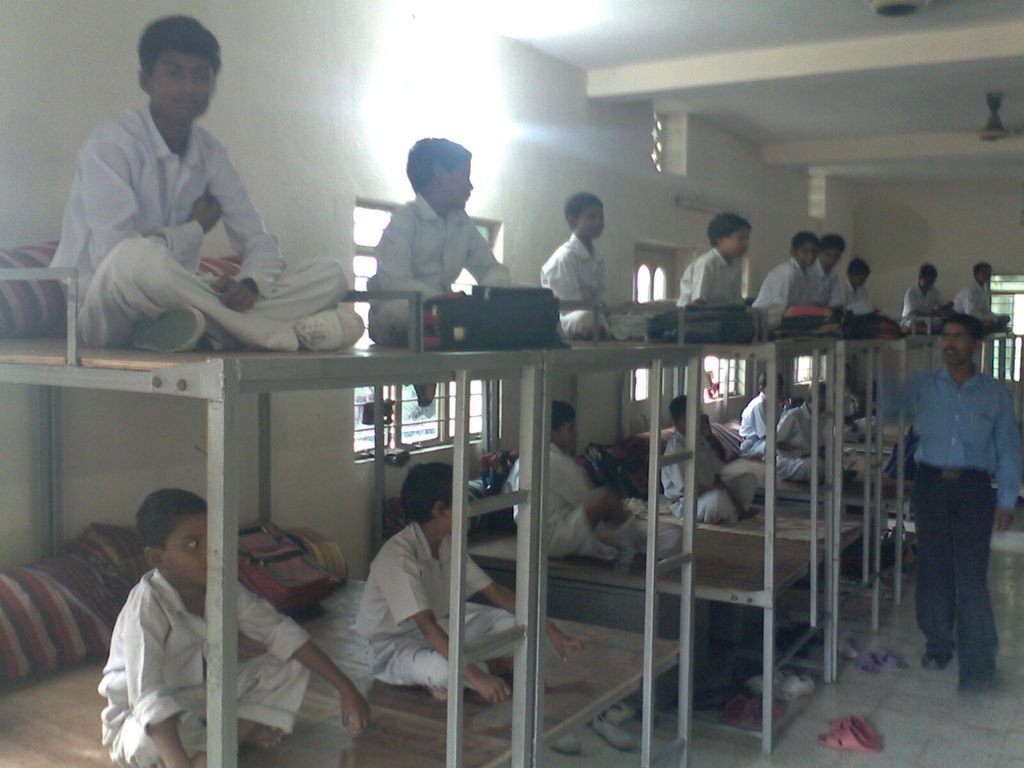
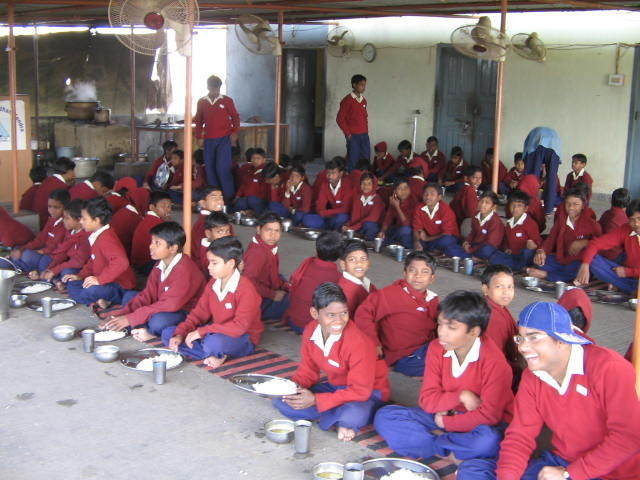
The school takes up two cement buildings that are joined by narrow walkways on each of the four floors. It is located in the city of Patna, but the students come from the surrounding agricultural villages and urban slums. The top floor is known as the terrace, and it contains the kitchen/cafeteria (which doubles as an auditorium) as well as spigots where the boys wash their own clothing and dishes, and a vacant area where they play during the rainy season when the nearby fields are flooded. The other three floors contain a mix of dormitory space and the classrooms along with a laboratory, computer lab, and library.
The school has about 250 students in grades Kindergarten through 8th plus a 10th grade class. Each of the grades has a classroom where they are based, and the teachers move between them. Students spend a lot of time each day in the classroom, with classes from 7 to 1:20, then self-study from 3-4 and again from 7-8:30. They have assigned time in the library, the computer lab, and for recreation. The dormitories contain students from each class so that the older boys can look after the younger ones.
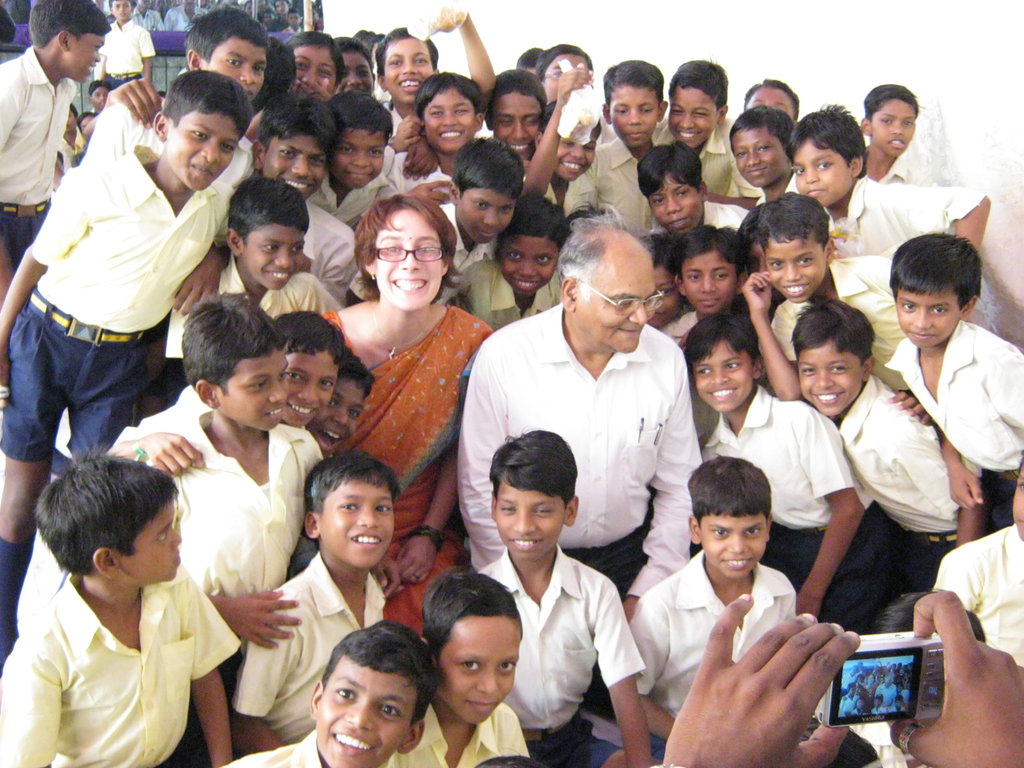
I was overwhelmed throughout my stay at the hospitality of my Indian hosts. They had constructed a small suite for visiting guests on the ground floor with a bedroom, a bathroom, a kitchen, and a sitting room. They kept the fridge well-stocked with American food and provided a computer with internet access and a printer. The guards asked me multiple times a day if there was anything they could do to make me more comfortable, and the boys hustled to get me a chair every time I entered a room and memorably fanned me by hand one evening when the electricity went out. The teachers immediately made me feel at home, inviting me to share their breakfast daily and taking me on small day trips to visit sites in Patna. They were extremely eager to hear about teaching practices in the U.S. and anxious to implement feedback from my observations. During the workshops, they were model participants: reading beforehand and coming prepared with questions and concerns for the day’s topic. All in all, I was made to feel like an honored guest at every moment of my stay.
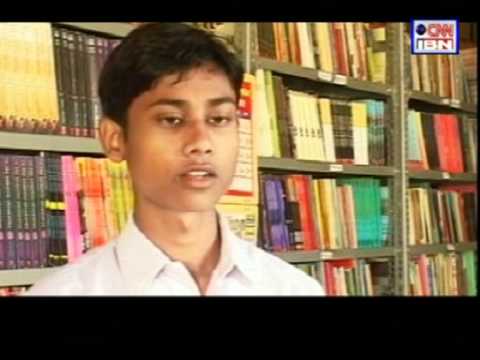
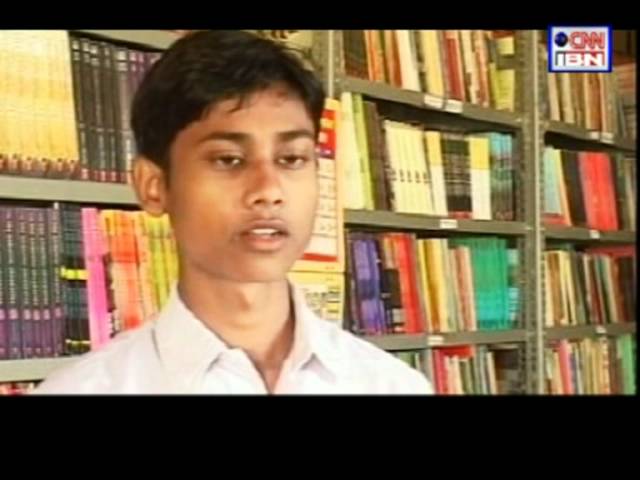
By far the highlight of my trip was the amazing children I had the privilege to get to know this summer. I had planned to spend only 4 weeks at the school and use the rest of my trip to travel around the exotic country. When it came time to plan my trips, however, I found that I couldn’t bring myself to leave the children. There’s the student who built a functioning lamp out of recycled parts and serves as tech support for the whole school despite growing up in a village with no electricity. There’s the child who collects abbreviations in his notebook and overcame his intense shyness to ask me to help him decipher U.S.S.R. There’s the geniuses in Class IV who solved just about every brainteaser I could throw at them. Then there’s Chandan, a 10 year old who has been at the school for 3 years and like all the boys spoke no English prior to his arrival. Although he is generally a quiet and shy boy, one day he got up the courage to ask me for four vocabulary words. I gave him glisten, shimmer, mature and opaque. Within a few hours, he came back. He had looked them up in the dictionary and then written a short paragraph for each one. He asked me to correct his writing and then quietly demanded four new words. Throughout my stay, he came to my door at least three times a day to receive his next assignment. Eventually he moved on to using all four words in one story, then asking for a topic to write a story about. All of this was done for his own pleasure, just to improve his English. By the time I left, he had written the equivalent of 20 pages of single-spaced, type-written English. He wants to be a writer or a cricket player when he grows up. Of course I am hoping for the first.
As an urban educator in Philadelphia, I thought I knew a lot about devastating poverty and children growing up in hopeless situations. Without downplaying the severity of what my north Philly students live every day, I have to say that my trip to visit the home villages of the students from SSK opened my eyes to a new level of what it means to be "under privileged." While in the urban U.S. utilities might be cut off for non-payment or not serviced as often as we might like, in the Musahar villages, no one has electricity or running water or sewage service. I am convinced after this life-changing trip that the only hope for the Musahar is in their children. You can see it in their faces. Faced with such devastating conditions, they nevertheless glow from the inside. They smile easily and seem convinced that good is just around the corner. For the boys who have made it to SSK, at least, I believe this is true. Although the transition from village to dormitory must be intense and difficult, ultimately, they have been given such an amazing opportunity. They are able to learn and study, to eat nutritious food, to stay healthy, and eventually to compete with students from much more privileged backgrounds for college admissions and ultimately steady and fulfilling employment. Mr. Sinha talks about the boys being catalysts for change for their community, and I have to hope that this is indeed possible. These boys must succeed. For the Musahar, there really is no other option.
Project reports on GlobalGiving are posted directly to globalgiving.org by Project Leaders as they are completed, generally every 3-4 months. To protect the integrity of these documents, GlobalGiving does not alter them; therefore you may find some language or formatting issues.
If you donate to this project or have donated to this project, you can receive an email when this project posts a report. You can also subscribe for reports without donating.