By Loise Kamau | Associate Program Director GEP
Gloria* is a vibrant, 21-year-old young woman from the Democratic Republic of the Congo (DRC). Although she is shy, Gloria is always ready to help others in need. She and her daughter live in Nairobi and opened up their home to two unaccompanied minors from the DRC.
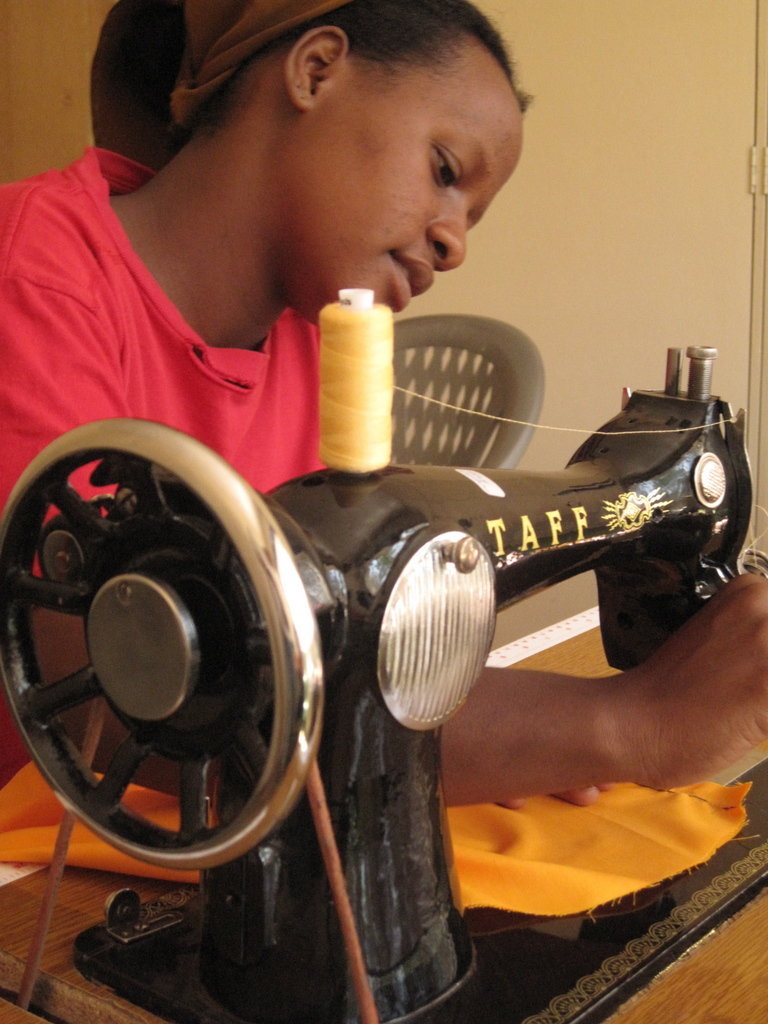
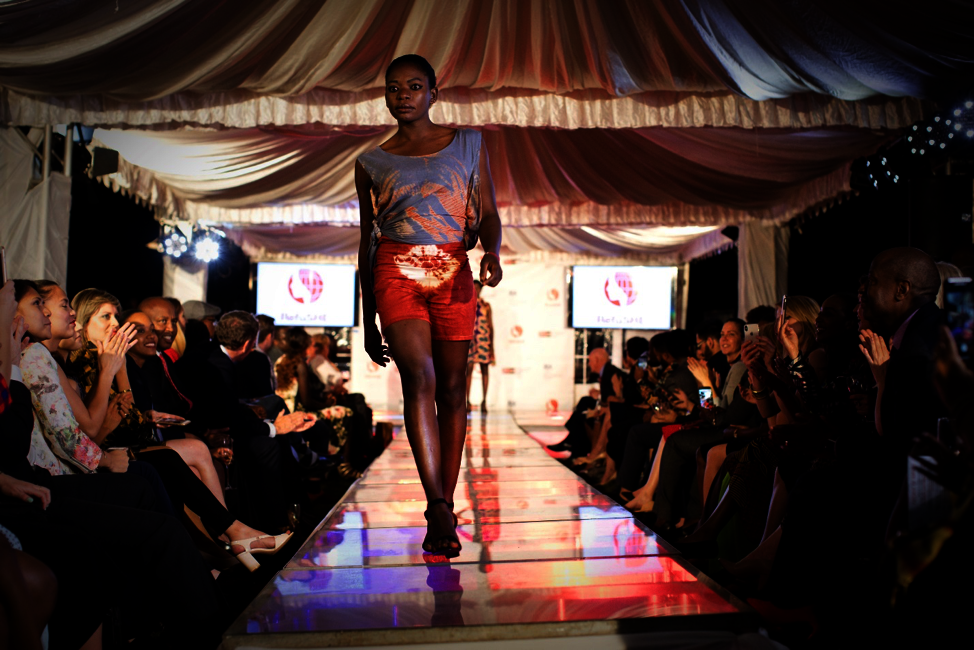
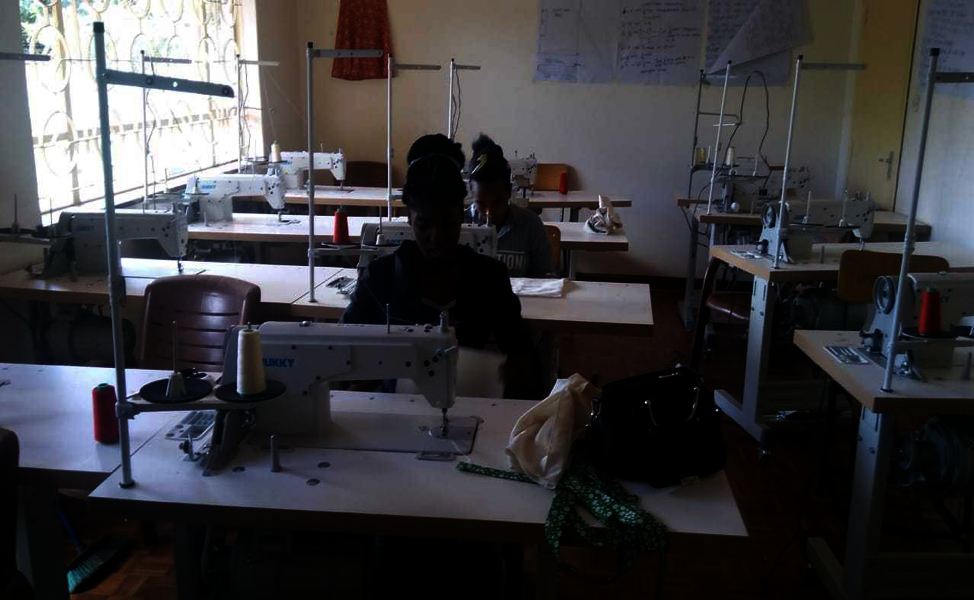
During the week, Gloria starts her day at 4:30 am. By getting up early, she is able to stop at the market to buy fruits for her business. Gloria sells the fruit to her peers in the Girls Empowerment Project (GEP) and with this income, in addition to the stipend she earns as a member of the Artisan Collective, she can pay her bills, her daughter’s school fees, and provide food for her family. Although sometimes it is difficult to meet all of her family’s needs, Gloria is hopeful that with hard work, she will soon be able to achieve her dreams of working in the fashion and design industry. When she is not in school or selling her fruits, Gloria loves playing with her daughter and reading stories together.
Gloria shared the following reflection of her life before she came to RefuSHE with her RefuSHE case manager:
“I left the DRC in December 2014. I have bitter memories of my life in that country. It is a place others call home, but not for me, Kenya is my home. In the DRC, I lived with my mother and step-father in the village. Until today, I still do not know identity of my biological father.
My mother was away most days and I would be left at home to do all the chores. One day, while I was alone, three of my step-father’s friends, members of the rebel group, came to our house looking for him. When I said that he was not home, they accused me of hiding him and my mother. They pushed me hard, and I fell, hitting my head against the wall. What happened next is a mixture of pain and agony. They raped me until I passed out. I woke up in my neighbor’s house in pain, but no one dared to take me to the hospital for fear of the repercussions by the perpetrators, who were known by everyone in the village.
When my step-father came home, he warned my mother against reporting the assault to the police. Out of fear, we decided to keep quiet and did not report the incident. I endured the pain alone. My mother could not console me as she also was afraid of my step-father. I did not know what it meant to be pregnant, but I was always getting sick. My mother took me to the hospital where the doctor confirmed her worst fears. I was only 12 years old and pregnant from the rebel men who assaulted me. I gave birth to my daughter when I was 13 years old, and that is when hell broke loose.
I started to wonder if the man living with us was my real father because of the way he treated me. He threatened that I would be killed with my mother if I ever told anyone. I was afraid of him. My step-father used to work with the rebel group and was very violent.
One day when I was in so much pain, I told my mother I could no longer continue the abuse by my step-father and would run away to never come back. She was so heartbroken. My mother made the decision to protect me and my baby. We left our home and sought refuge with my mother’s relatives. One day with his friends, my step-father followed her. I heard his voice and hid in a chicken cage. In the end, my step-father killed my mother and found me hiding.
For some time, I could not leave the DRC because of the war. I was finally able to run away from my step-father and his threats towards me and my baby in 2014. A business woman who was close to one of my mother’s friends helped me escape. With her help, I traveled through Busia to Kenya in a truck. In Kenya, I was hosted by the business woman’s friends, a couple in Kibera. She got me a job in a hotel doing dishes and cooking. I worked at the hotel and lived with the couple in Kibera from 2014 to 2015. My time with this family was difficult so I made the decision to leave. During this time, I often had thoughts on how to end my life and be free from all the pain.”
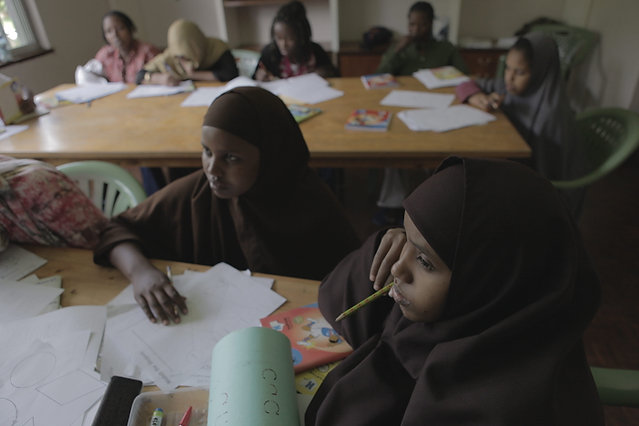
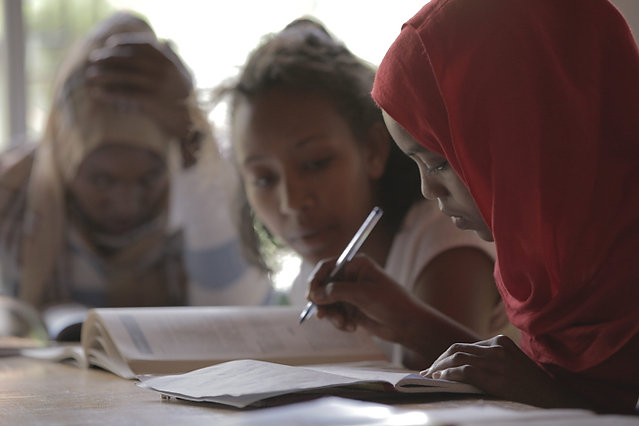
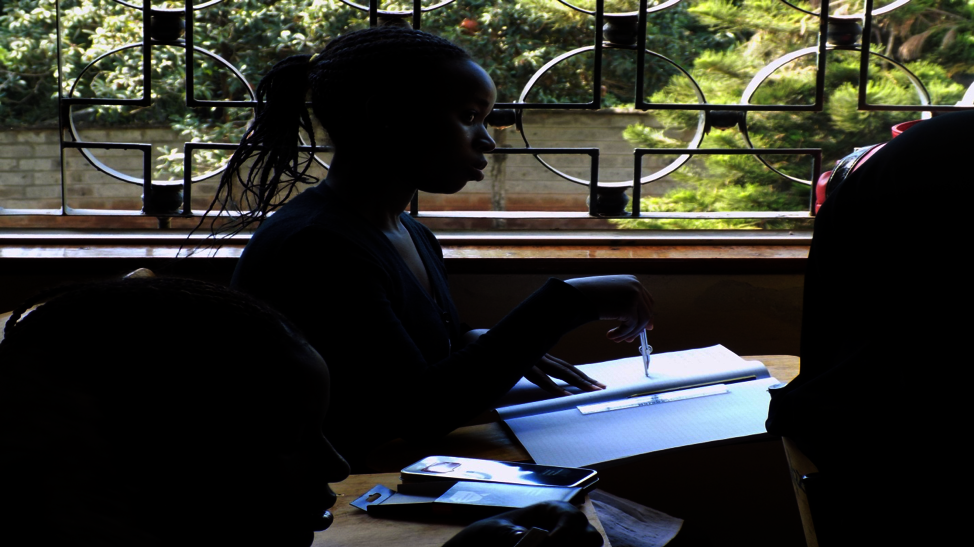
Soon after leaving Kibera, Gloria was rescued by a Congolese woman who took her to UNHCR. They referred her to RefuSHE where she and her daughter were taken to the RefuSHE Safe House in February 2016. Gloria enrolled in Level 1 of GEP to learn basic literacy skills in English and Kiswahili. Her baby was admitted to the Early Childhood Development Center, which allowed Gloria to concentrate on her studies during the day. When Gloria joined the GEP program, she did not have any literacy skills. Her determination and motivation to receive her education helped her perform well in her basic education classes. She moved through Levels 1, 2, and 3 of the GEP between 2016 and 2018 to complete her primary school education. At the end of Level 3, she sat for the Kenya Certificate of Primary Education in 2018. She passed the government-administered exam and moved up to Level 4 to start her secondary education. Through RefuSHE’s support, Gloria can now pay her bills, educate her daughter, and save enough to start a small business. She is now able to put into practice the lessons she learned from her business and financial literacy training.
Thinking back on this period in her life, a beaming Gloria shares, “It was a whole new world for me.” She joined the Artisan Collective in May 2018 and started earning a stipend, In the three years since she joined RefuSHE, Gloria has opened her home to other unaccompanied, minor refugee girls.
Through RefuSHE’s counseling sessions provided by the Case Management staff, Gloria has been able to face her fears and anxieties. She is now able to make good decisions for her life and her daughter. Today, her daughter is in primary school grade 1, where she tops her class and aspires to be a doctor. Gloria says she knows that she is solely responsible for supporting her daughter and making her dreams a reality. Through RefuSHE, she is pursuing her education and earning a monthly stipend. She can speak, read and write in English and has renewed hope for life. At the end of this interview, Gloria noted, “I can achieve anything that I set out to do.” She added, “Education builds women into who they become in the future.”
*Name has been changed for protection and security reasons
We confirm that the success story was conducted with the consent of the beneficiary and photos were taken with full consent of the beneficiary.
By Josiah Nyagudi | M&E, Research and Learning Manager
By Loise Kamau | Associate Director of GEP
Project reports on GlobalGiving are posted directly to globalgiving.org by Project Leaders as they are completed, generally every 3-4 months. To protect the integrity of these documents, GlobalGiving does not alter them; therefore you may find some language or formatting issues.
If you donate to this project or have donated to this project, you can receive an email when this project posts a report. You can also subscribe for reports without donating.



Support this important cause by creating a personalized fundraising page.
Start a Fundraiser