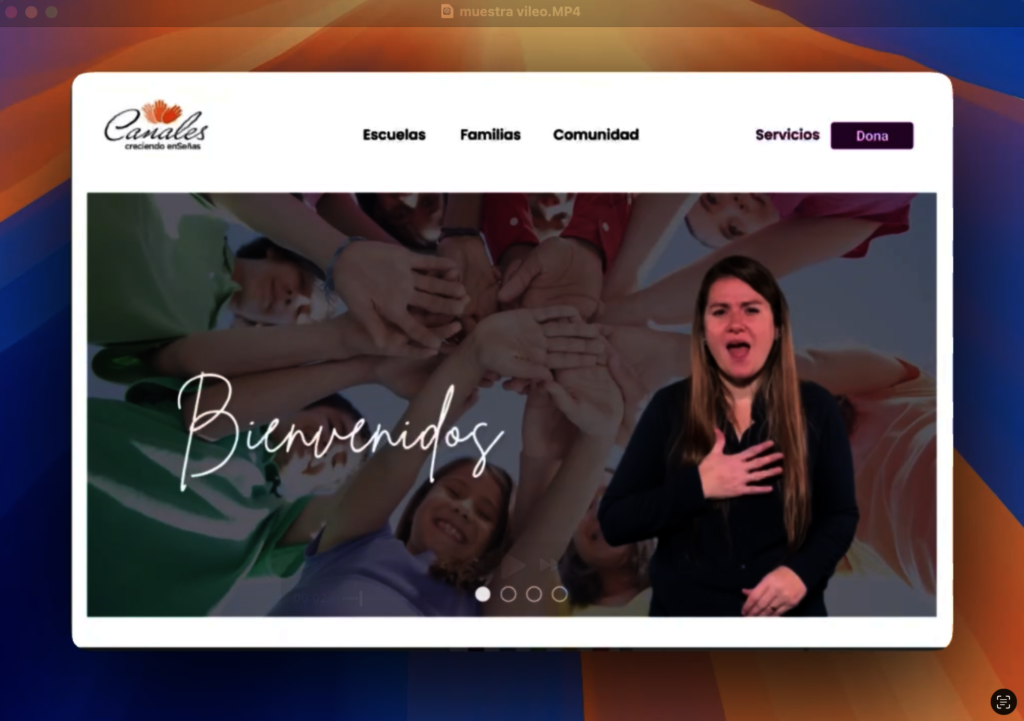
Open the world to Deaf children through Sign Tech

by Canales Asociacion Civil
Open the world to Deaf children through Sign Tech

Project Report | Mar 10, 2025
The Power of Bilingual Education in Early Childhood for Deaf Children

By Silvana Veinberg | Institutional development

In our recent reports, we shared the steps we’ve taken to ensure that deaf children have the opportunity to learn in their natural language. Today, we want to help you truly understand why this is so crucial. We know that when people like you are convinced of a meaningful solution to a problem, it becomes easier to take action and be part of the change. 

So, let`s go into some facts that support our work in early childhood education for deaf children and highlights the importance of a bilingual education approach, which includes both Argentine Sign Language (LSA) and written Spanish.


The problem

In Argentina, as in many parts of the world, over 90% of deaf children are born to hearing parents. This reality presents significant challenges in language acquisition and communication. Without access to a common language, these children face barriers to cognitive, emotional, and social development.
Language is the foundation of human communication, learning, and identity. For deaf children, LSA is their natural and primary language (L1), while written Spanish serves as their second language (L2). Deaf children who lack early exposure to a fully accessible language often experience delays in cognitive and linguistic development, which can affect their academic success and social interactions.

Since many hearing parents and teachers do not know LSA, deaf children’s access to meaningful communication is limited.

This leads to challenges such as family communication barriers, obstacles in cognitive and social development and educational limitations. 


The solution

Early childhood is a critical period for language acquisition. We want deaf children to be immersed in a rich LSA environment, to acquire the language naturally, just as hearing children acquire spoken language. Schools play a key role in this process, as they often become the first place where deaf children have access to fluent LSA users.


What does Bilingual Education mean for deaf children?
+ Full language accessibility by giving Deaf children the opportunity to acquire LSA naturally through visual exposure, just as hearing children acquire spoken language through sound exposure.

+ Proficiency in a first language which  facilitates learning a second language and enhances overall intellectual growth.

+ Cultural and Identity Development since LSA allows deaf children to connect with their cultural and linguistic community, fostering self-esteem and a strong sense of identity.

Canales’ initiative in Early Childhood Education focuses on creating immersive linguistic environments where deaf children can develop LSA from an early age. 

This is why our projects intend to:

  • Provide Early Exposure to LSA ensuring that children interact with fluent LSA users, including teachers and peers.
  • Develop Educational Resources in LSA and Spanish, creating materials that support bilingual learning.
  • Train Educators in Bilingual Teaching Methods to empower teachers to use LSA effectively.
  • Educate parents about the importance of learning and using LSA at home.

We truly hope this brief explanation helps you better understand our project and feel inspired to join us on this journey.

Remember, your support has the power to open doors to education, connection, and a brighter future for these children.


Photos:

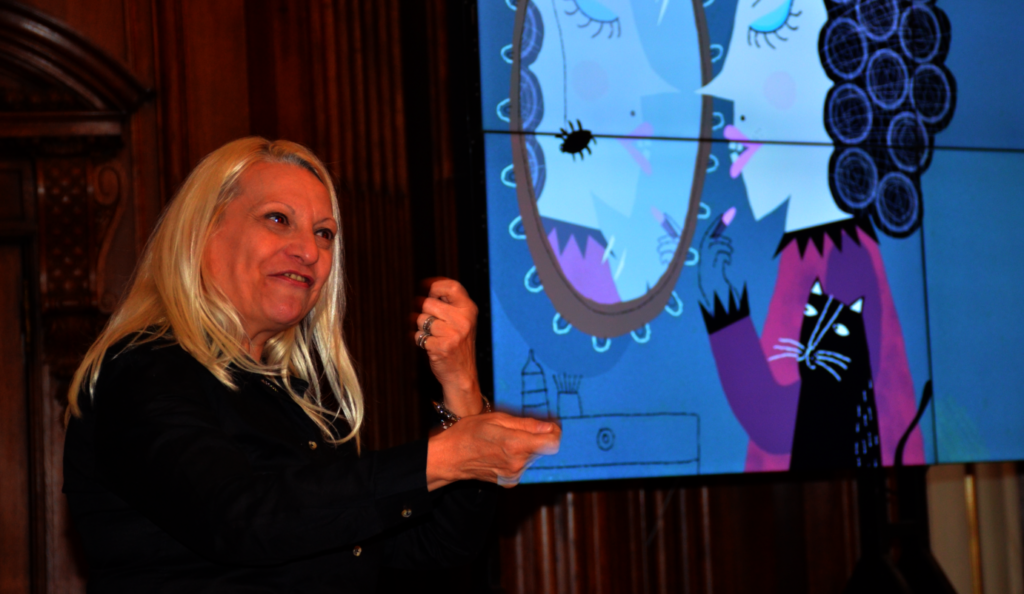
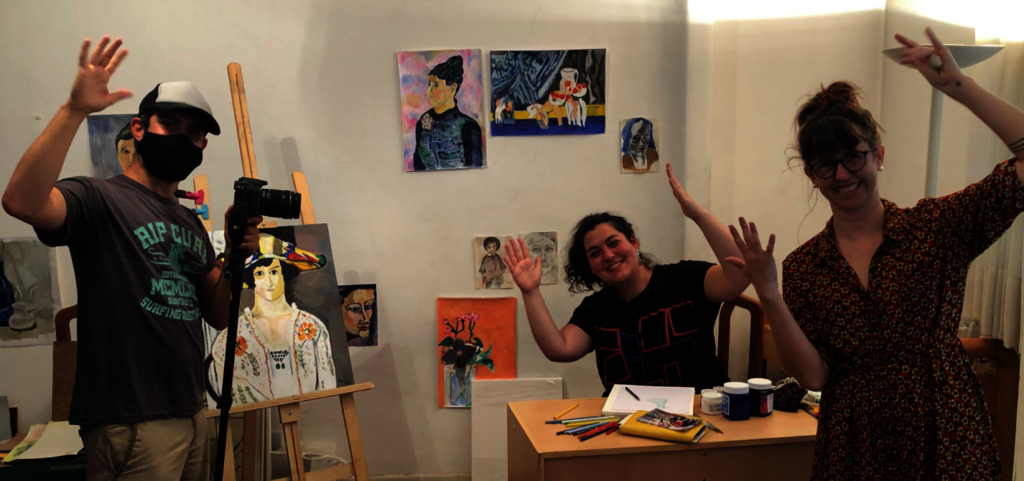
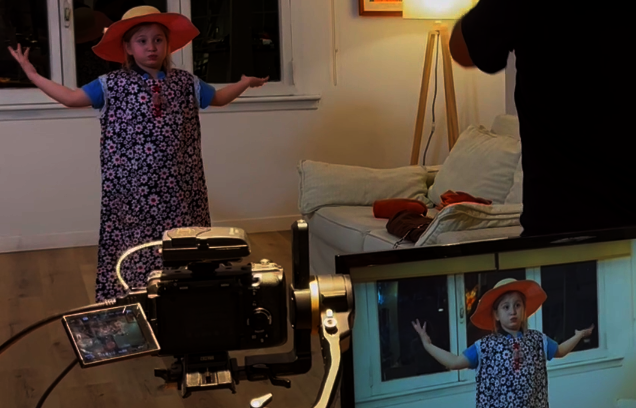
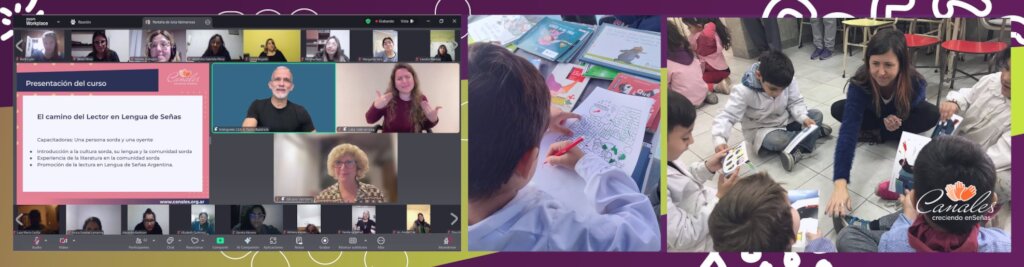
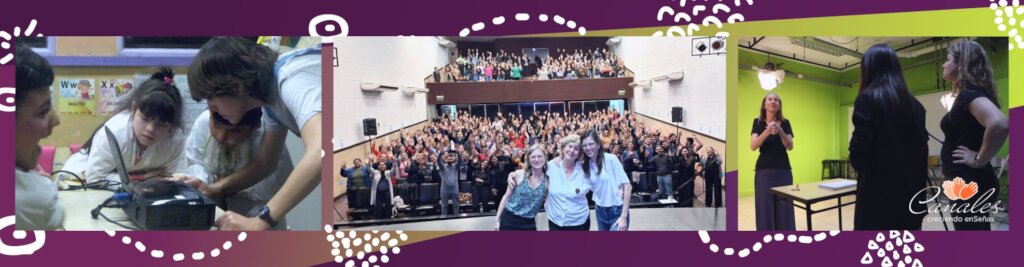
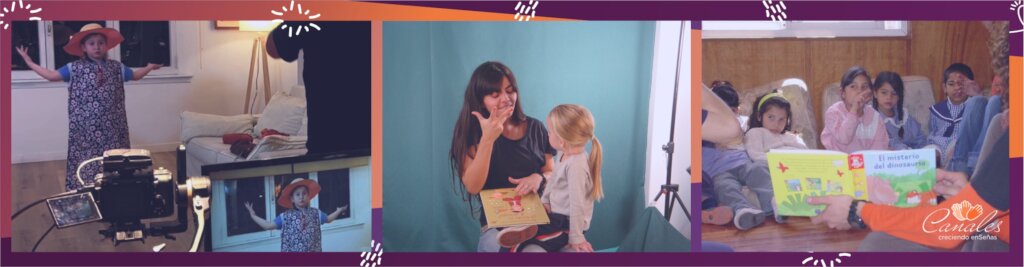
  • A teacher in the classroom uses Canales educational materials.
  • More than 100 teachers in the province of Tucumán are trained with Canales to teach their deaf students to read and write in Spanish.
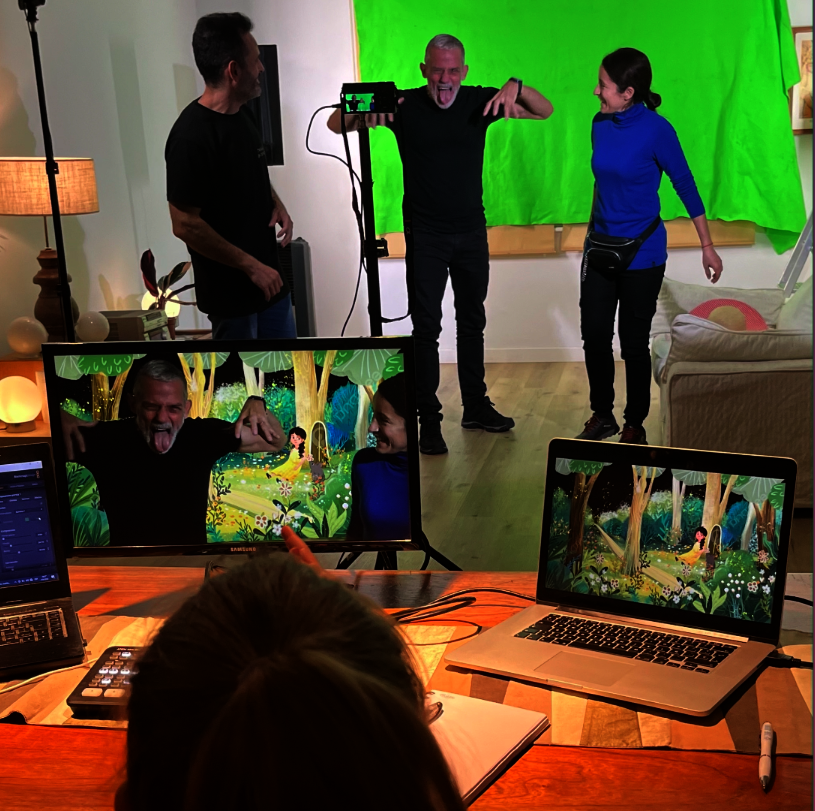
  • In the film studio, deaf educational content creators and leaders are trained by experts from Gallaudet University.
Share on Twitter Share on Facebook

Nov 15, 2024
We are providing Deaf children with early childhood tools

By Silvana Veinberg | Institutional development

Jul 19, 2024
Let's create solutions

By Silvana Veinberg | Founder and Institutional Developer

About Project Reports

Project reports on GlobalGiving are posted directly to globalgiving.org by Project Leaders as they are completed, generally every 3-4 months. To protect the integrity of these documents, GlobalGiving does not alter them; therefore you may find some language or formatting issues.

If you donate to this project or have donated to this project, you can receive an email when this project posts a report. You can also subscribe for reports without donating.


Sign up for updates

Organization Information

Canales Asociacion Civil

Location: Capital Federal, Buenos Aires - Argentina
Website:
Facebook: Facebook Page
X / Twitter: Profile
Project Leader:
Silvana Veinberg
Executive Director
Capital Federal , Buenos Aires Argentina
$14 raised of $17,300 goal
 
3 donations
$17,286 to go
Donate Now

Help raise money!

Support this important cause by creating a personalized fundraising page.

Start a Fundraiser

Learn more about GlobalGiving

Teenage Science Students
Vetting +
Due Diligence

Snorkeler
Our
Impact

Woman Holding a Gift Card
Give
Gift Cards

Young Girl with a Bicycle
GlobalGiving
Guarantee

Get incredible stories, promotions, and matching offers in your inbox

WARNING: Javascript is currently disabled or is not available in your browser. GlobalGiving makes extensive use of Javascript and will not function properly with Javascript disabled. Please enable Javascript and refresh this page.