By Edwin Ajuchan | Social Programs Director
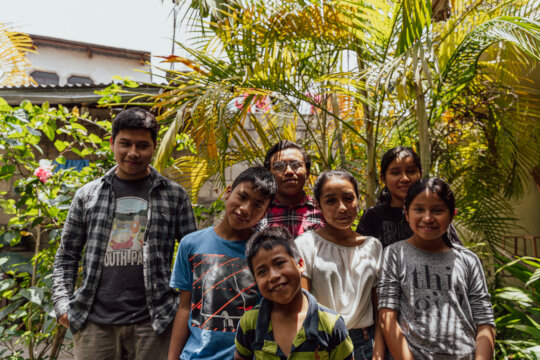
In Santiago Atitlán, the start of the school year does not go unnoticed. You can feel it in the streets, in family conversations, in the students who take out their backpacks again and eagerly review their school supply lists. There is anticipation, there is excitement... there is a desire to get off to a good start.
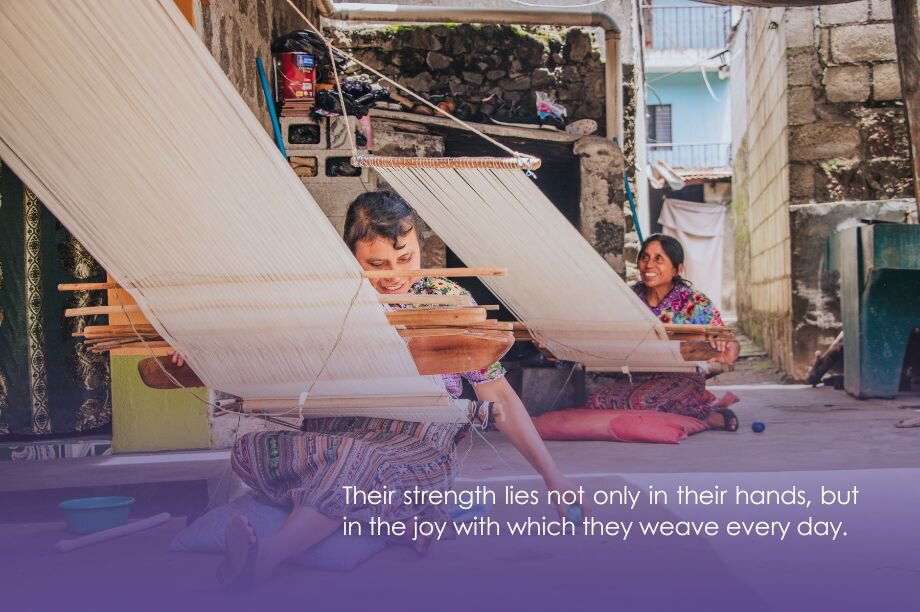
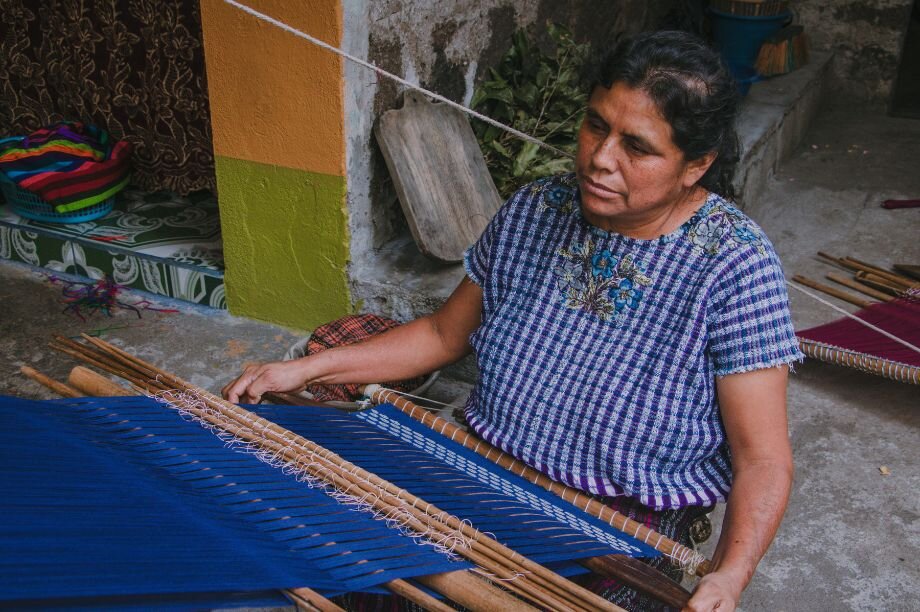
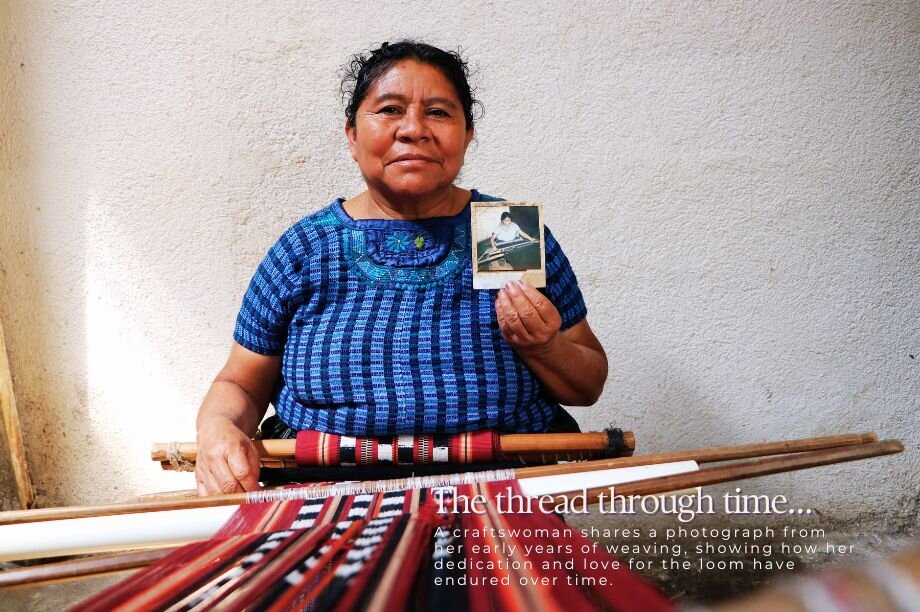
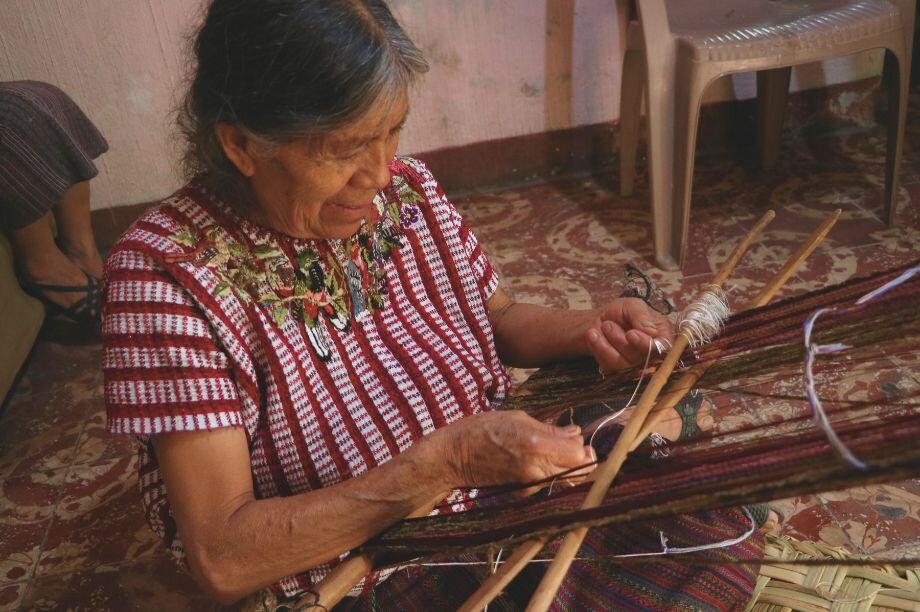
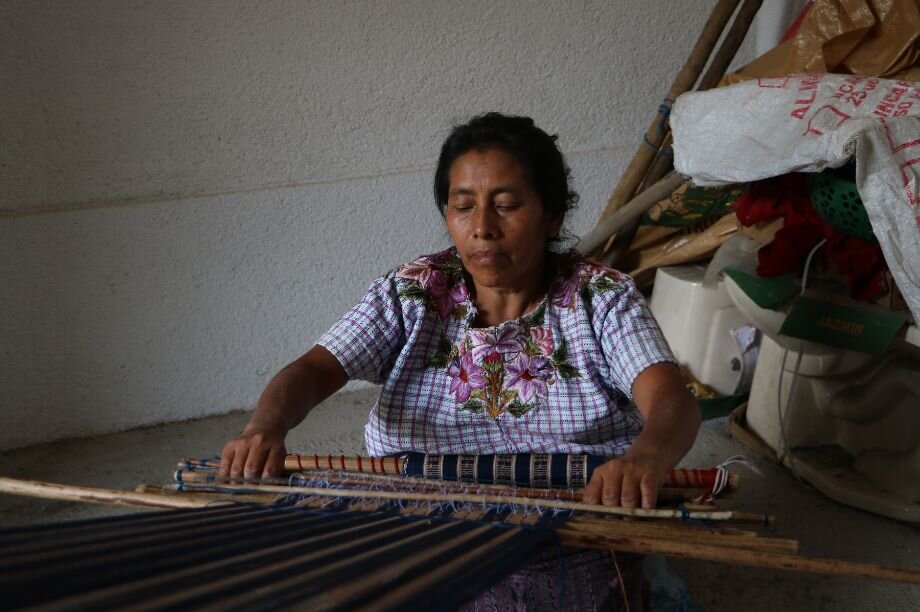
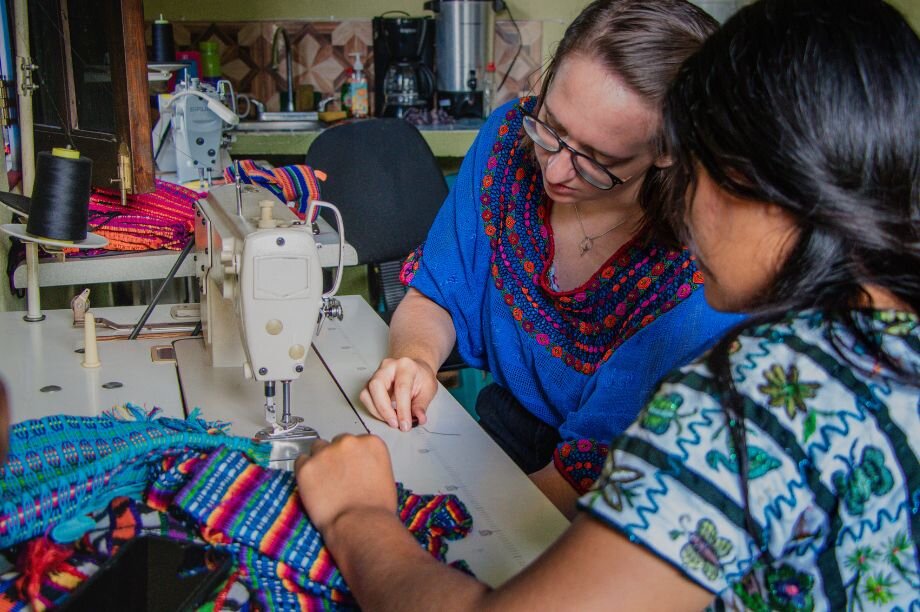
In every artisan household, this beginning also involves organization and effort. Weaving is a task that requires time, concentration, and enormous dedication. Each piece created requires hours of detail and patience. And although this work is a source of identity and pride, income does not always coincide with the times when school expenses are concentrated.
The start of the year can involve buying notebooks, specific materials, uniforms, and covering immediate needs. When these resources are not available on time, students must adapt: they share materials, delay assignments, or limit their participation in some activities. It is not a lack of commitment or talent. It is simply a practical barrier that can affect their confidence and performance.
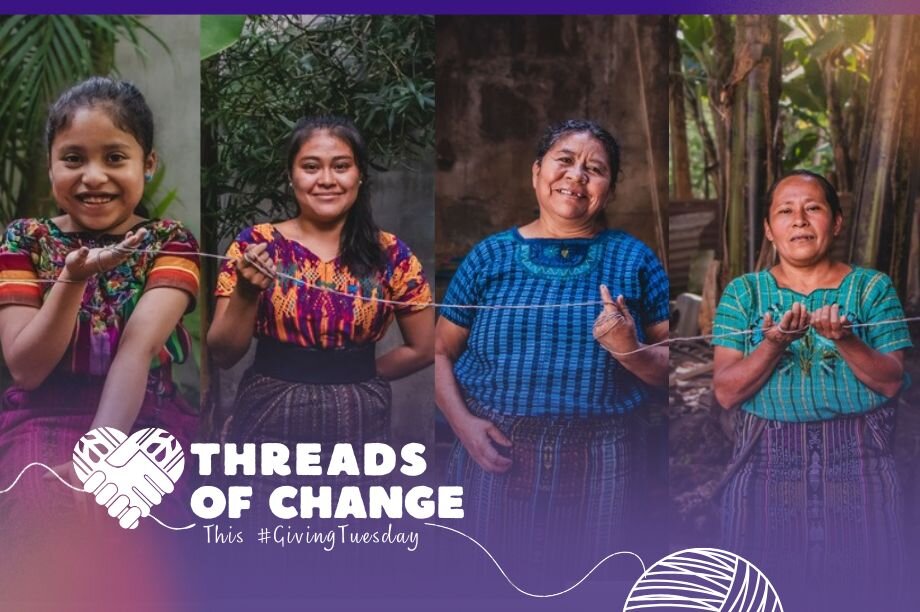
That is why, through Threads of Change and thanks to the funds raised during GivingTuesday, we were able to intervene at this key moment of the year.
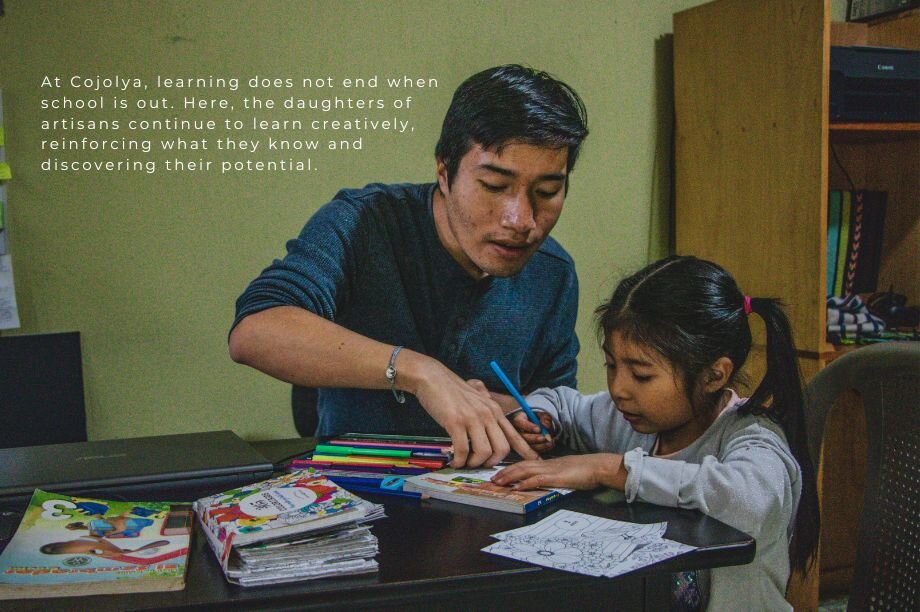
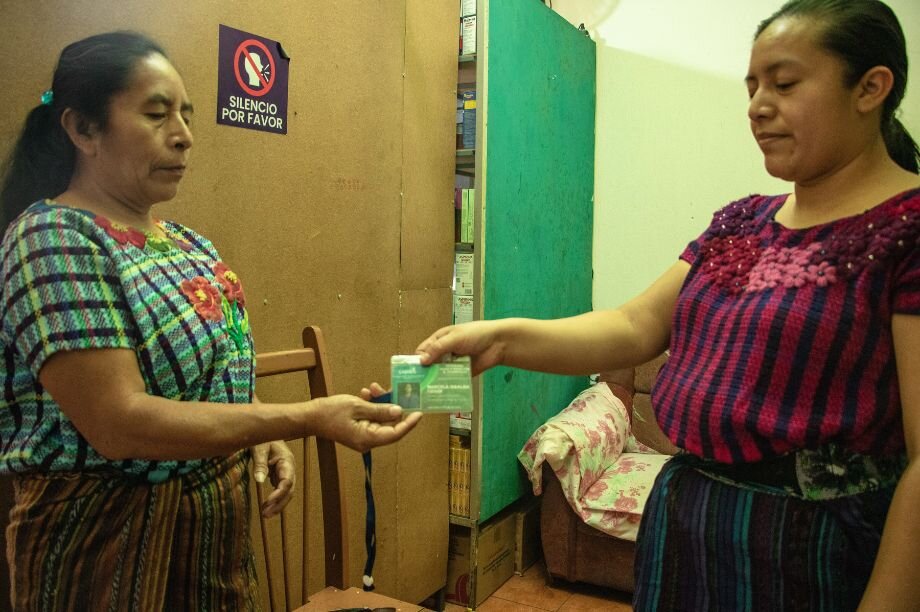
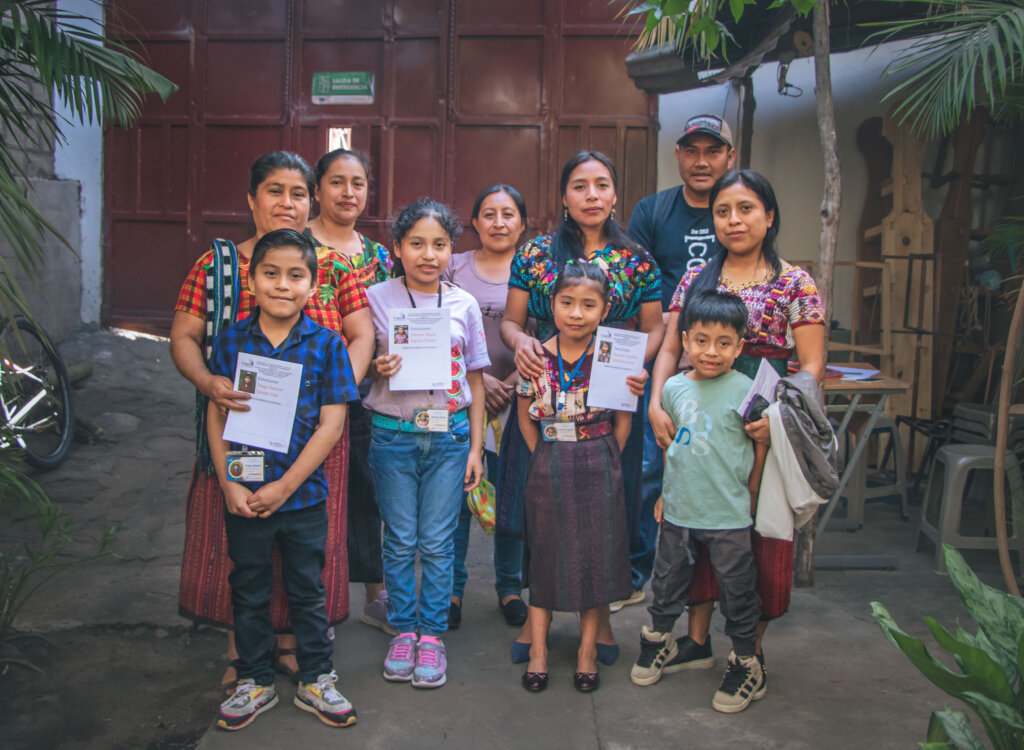
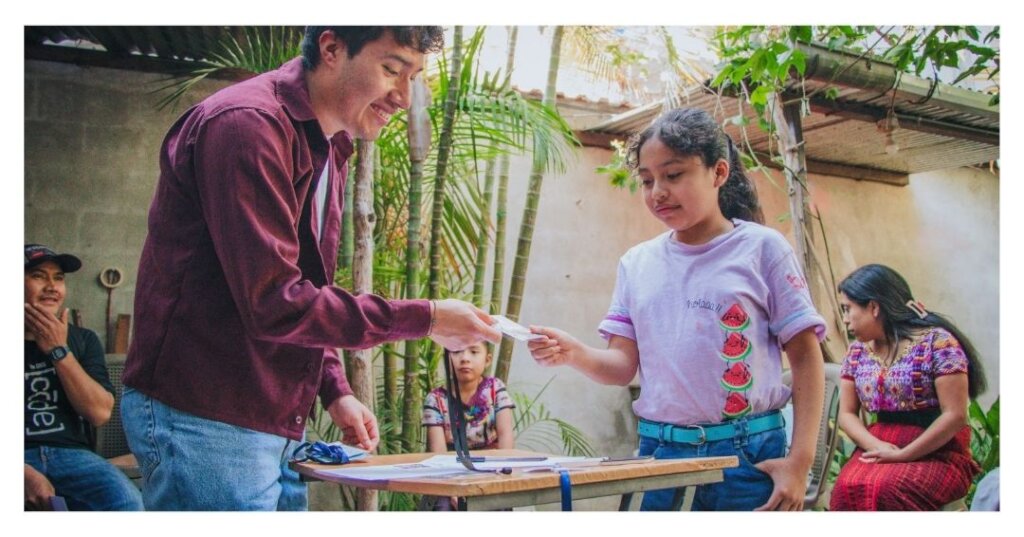
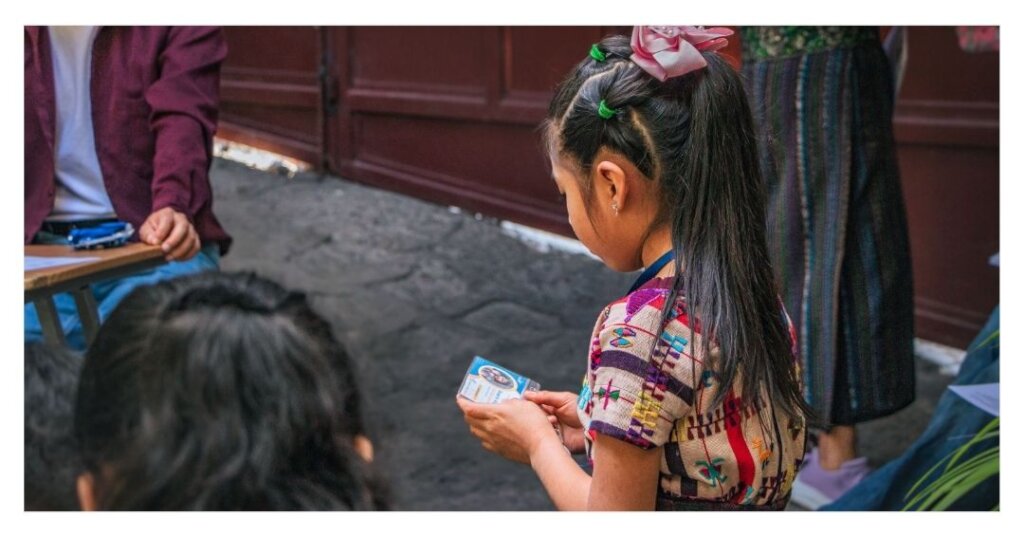
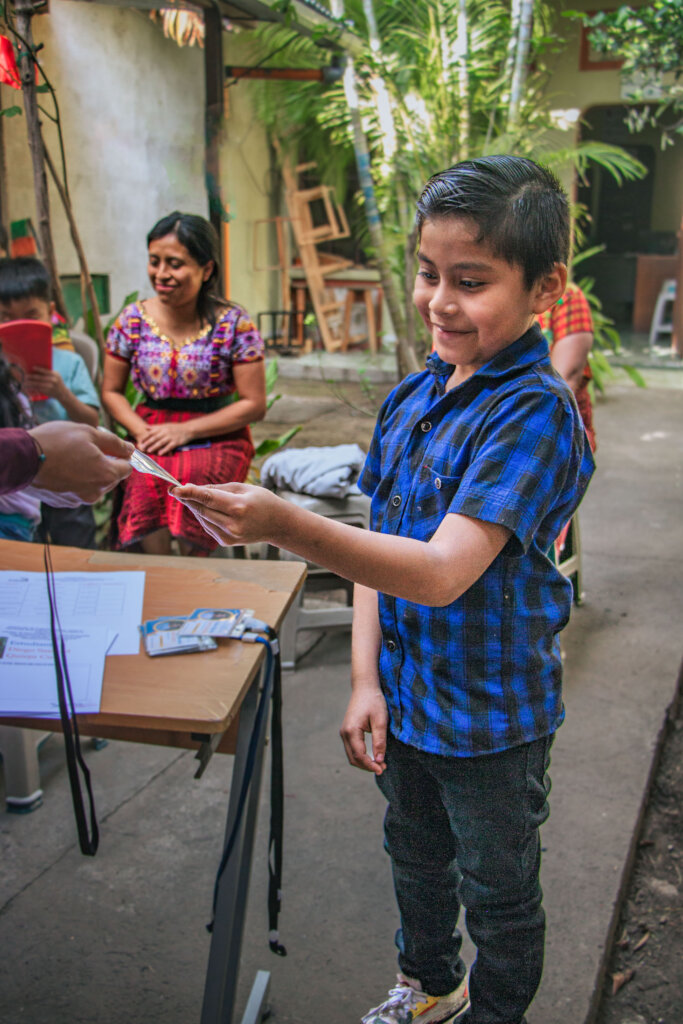
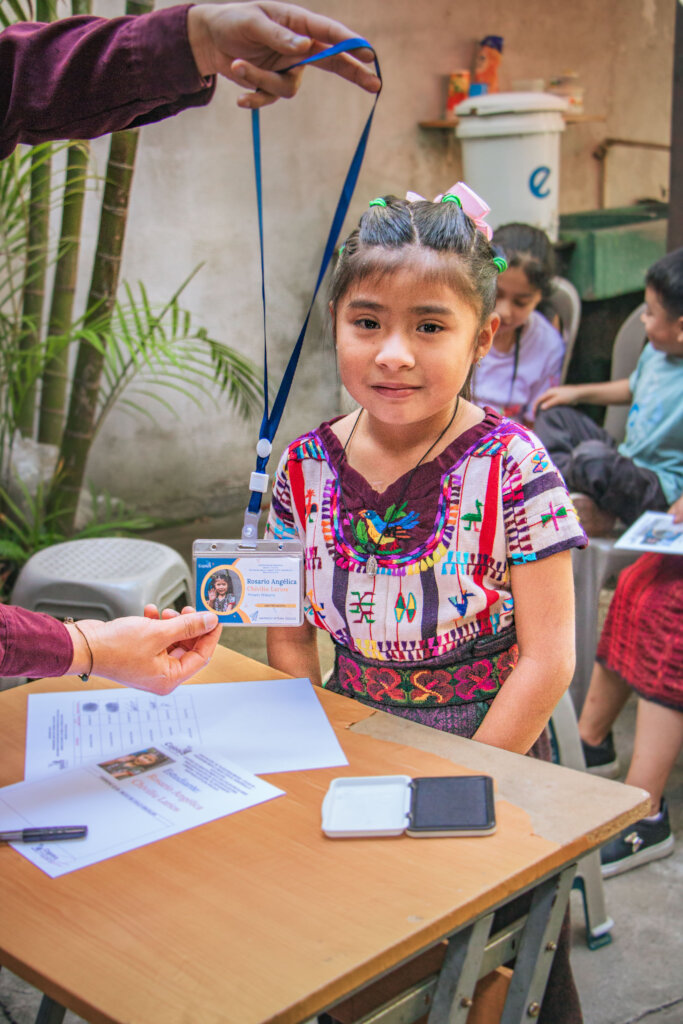
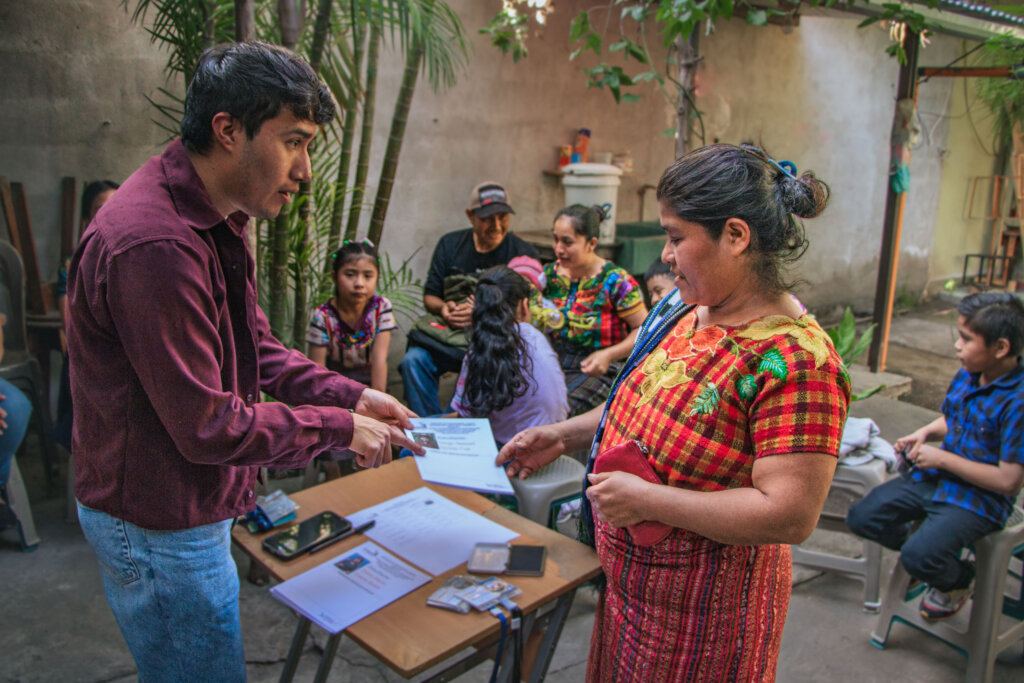
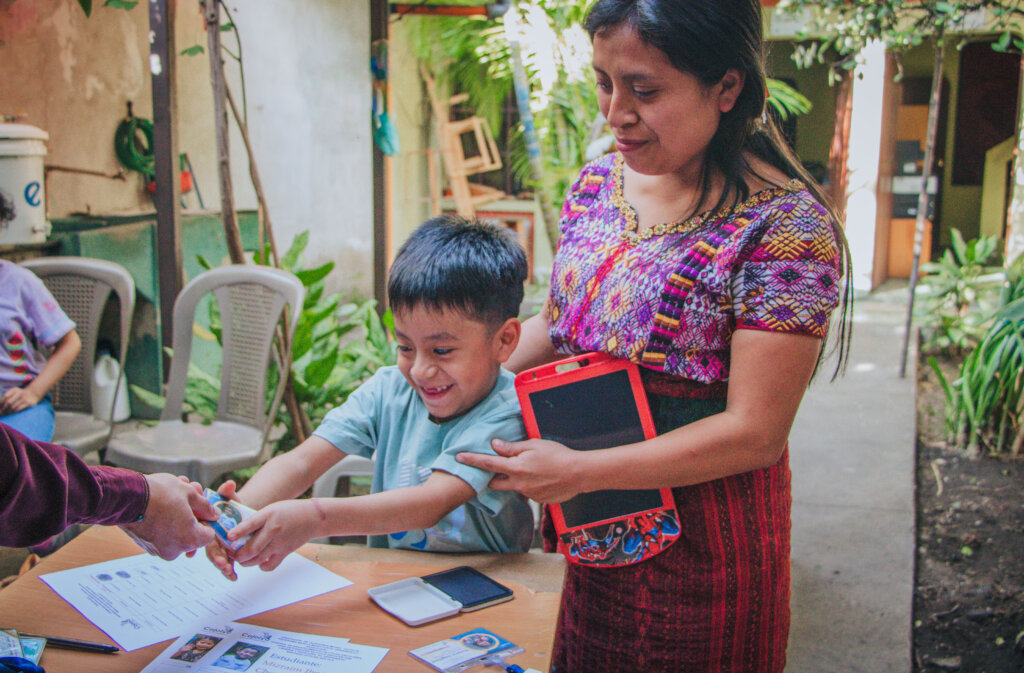
We have delivered the Educational Program cards for the 2026 school year. These cards allow families to purchase school supplies and cover their academic needs throughout the year, providing greater stability to the educational process. In addition, students continue to have access to support at the Association: use of computers, internet for research, printing of assignments, and academic reinforcement spaces. It is not just about materials, but about creating more equitable learning conditions.
But while we accompany the students, we also look at the other side of the loom.
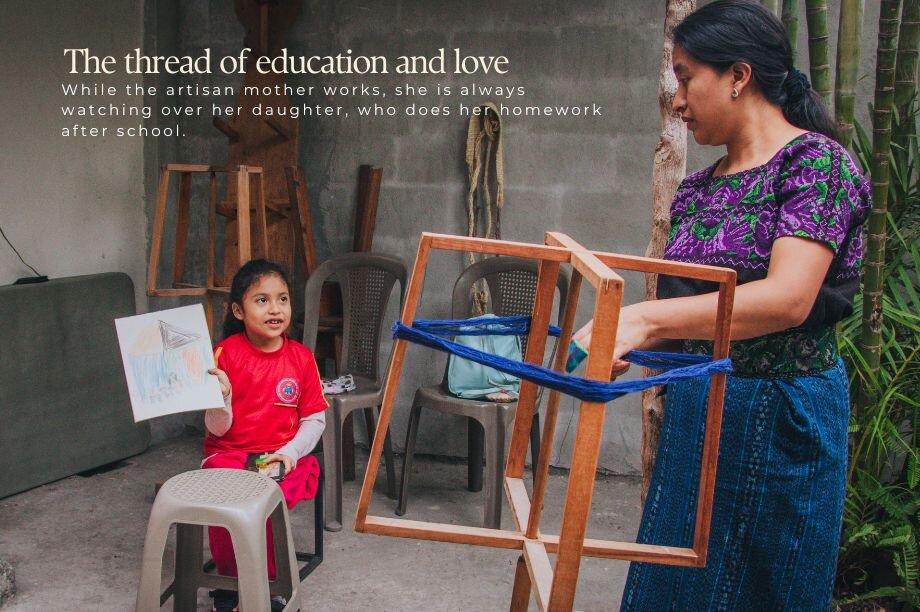
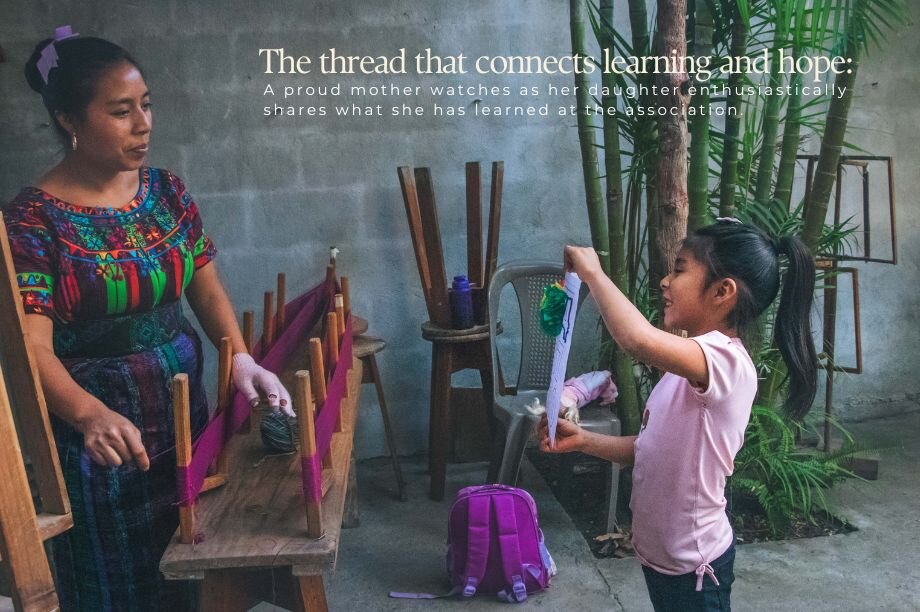
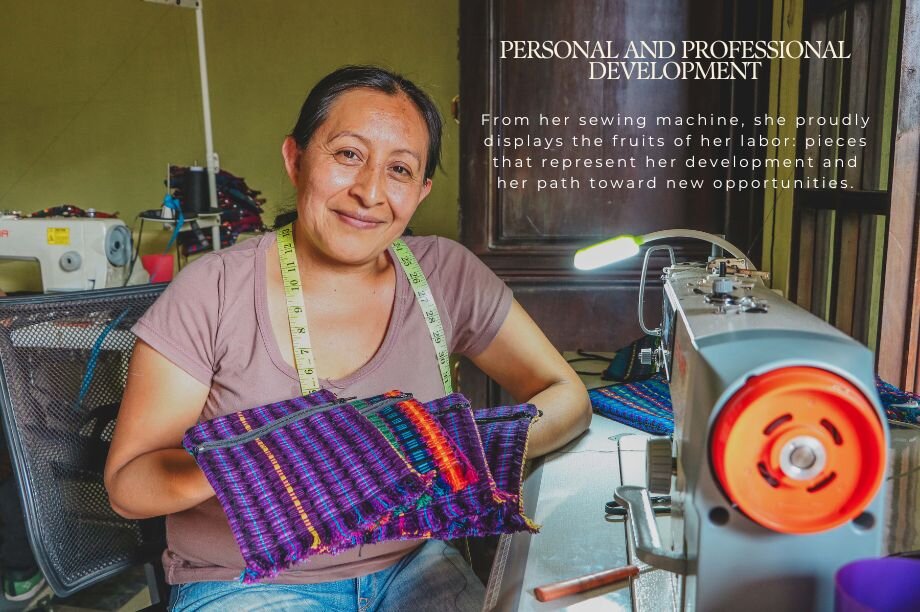
We know that behind every child who attends school there is a mother artisan who works long hours, often in demanding jobs and under constant physical strain. Her well-being is inseparable from her children's educational well-being. If the mother is in good health, the family has greater stability; if the family is stable, the student can concentrate on learning.
That is why this microproject is not limited to education.
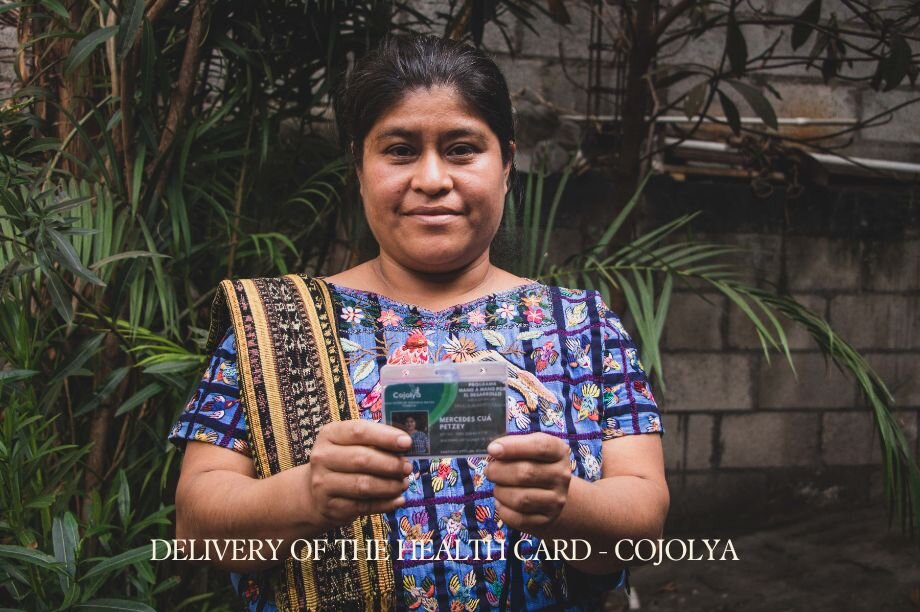
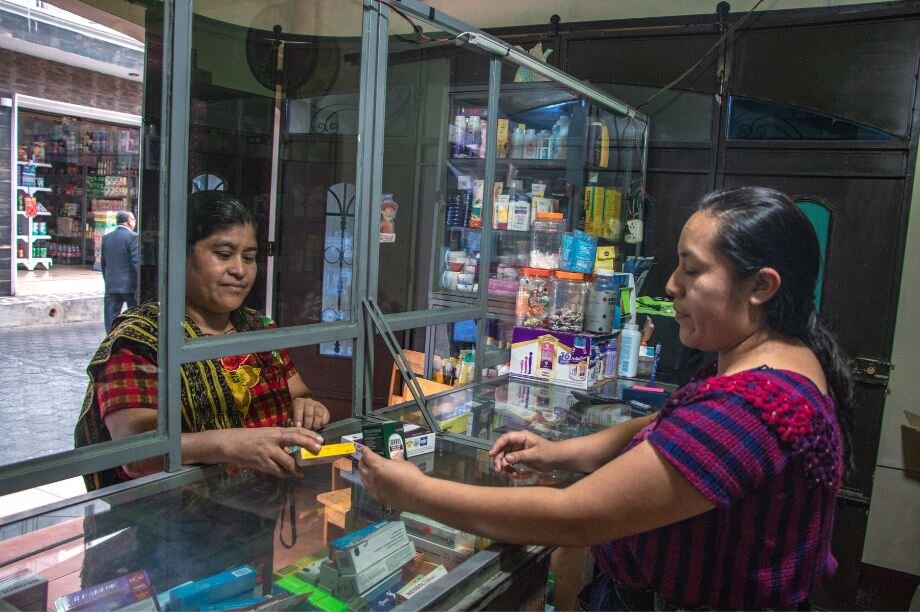
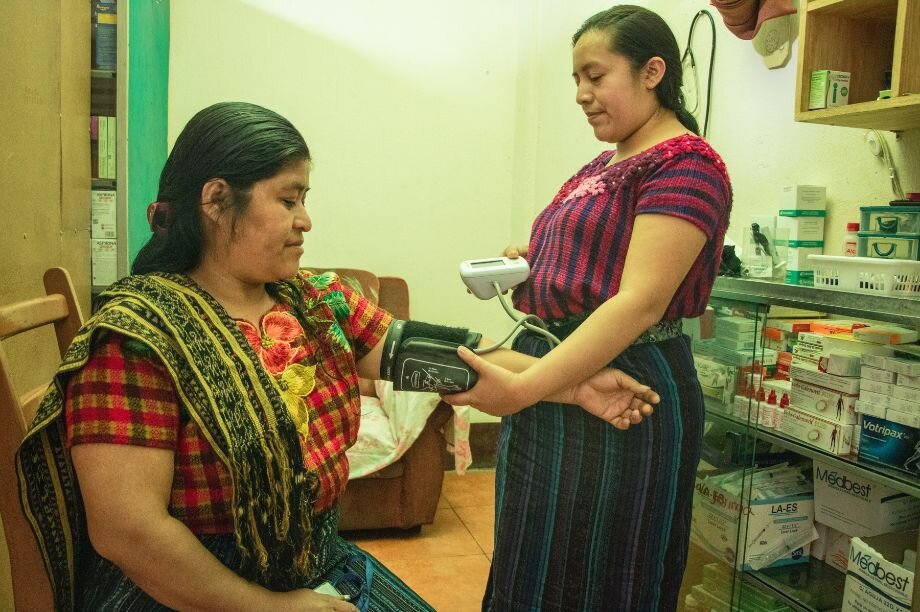
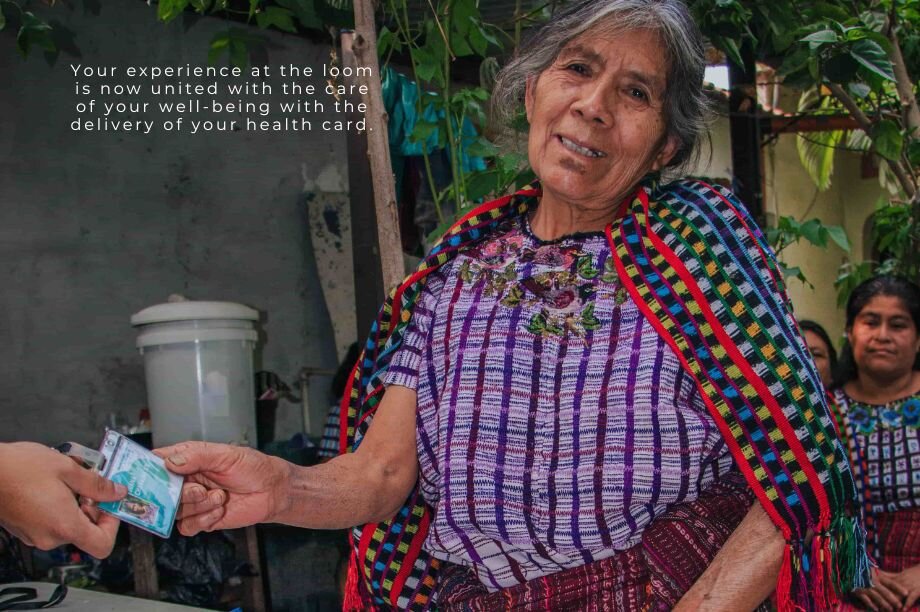
In the coming weeks, we will implement the second phase: the delivery of Health Program cards to participating artisans. These cards facilitate access to medical care and essential services, strengthening preventive care and the overall well-being of families.
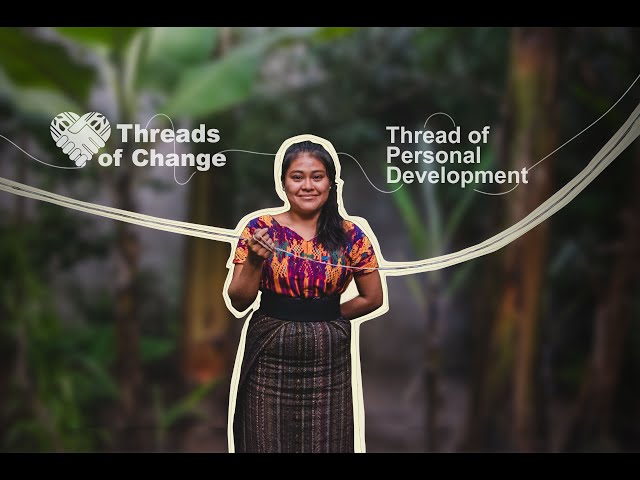
Education and health are not isolated efforts within Hilos de Cambio. They are two threads that intertwine to sustain the same fabric: real long-term opportunities.
Today we share with you the progress of the educational phase. In our next report, we will tell you how the health component is developing and how this microproject is taking shape step by step.
We continue to work with responsibility and transparency, honoring every contribution received and ensuring that each contribution finds a concrete purpose in the lives of artisan families.
.
Project reports on GlobalGiving are posted directly to globalgiving.org by Project Leaders as they are completed, generally every 3-4 months. To protect the integrity of these documents, GlobalGiving does not alter them; therefore you may find some language or formatting issues.
If you donate to this project or have donated to this project, you can receive an email when this project posts a report. You can also subscribe for reports without donating.