By Ana Godinez | Project Leader
Teresa[1], a seventeen-year old teenager, left Venezuela after experiencing gender based violence and traveled through several countries while eight months pregnant, carrying uncertainty, fear, and the responsibility of protecting a life she had not yet met. Her goal was to reunite with her family—her mother, siblings, and a young nephew—who were already in Mexico.
Her path was not linear; along the way, she required medical care, safe places to rest, and information to make decisions in unfamiliar systems. Thanks to Las Vanders, a grassroots organization that supports women, LGBTTTIQ+ people, and communities impacted by forced mobility and lethal violence, she was supported every step of the way during her pregnancy, birth, and postpartum processes.
They also helped her to navigate hospitals, access emergency care when complications arose, and secure basic supplies for herself and her newborn. With guidance and collective care, she was able to register her daughter at the civil registry, ensuring her right to identity from the very beginning.
Once her health stabilized, the support continued in new ways. She learned to navigate transportation, coordinate care for her family, and access information on migration procedures. Over time, the urgent assistance she received grew into a process of building her autonomy. In time, she and her family were able to continue their journey, reunite with relatives, and advance in their asylum process.
Stories like hers are not isolated. They reflect the realities faced by many mothers, adolescents, and caregivers who migrate while facing violence, displacement, and deeply unequal systems of protection.
For example, across southern and northern Mexico, mobility is shaped by overlapping forms of violence and exclusion. In regions such as Chiapas, forced displacement and migration are closely linked to the presence of organized crime and armed conflicts between different groups. Although precise data is limited, the effects on families—especially women and children—are strong and complex.
In cities like Tijuana, recent shifts in asylum policies and increased deportations have intensified uncertainty. Many people remain stranded for extended periods, facing fear, prolonged waiting, or forced returns. Militarization, discrimination, and shrinking resources for local organizations further strain an already fragile context.
Within this landscape, women, mothers, and LGBTIQ+ people experience compounded risks: gender based violence, criminalization, racial discrimination, and systemic barriers to health care, legal identity, and emotional support. Yet, even in these conditions, communities continue to organize, care for one another, and create responses rooted in dignity.
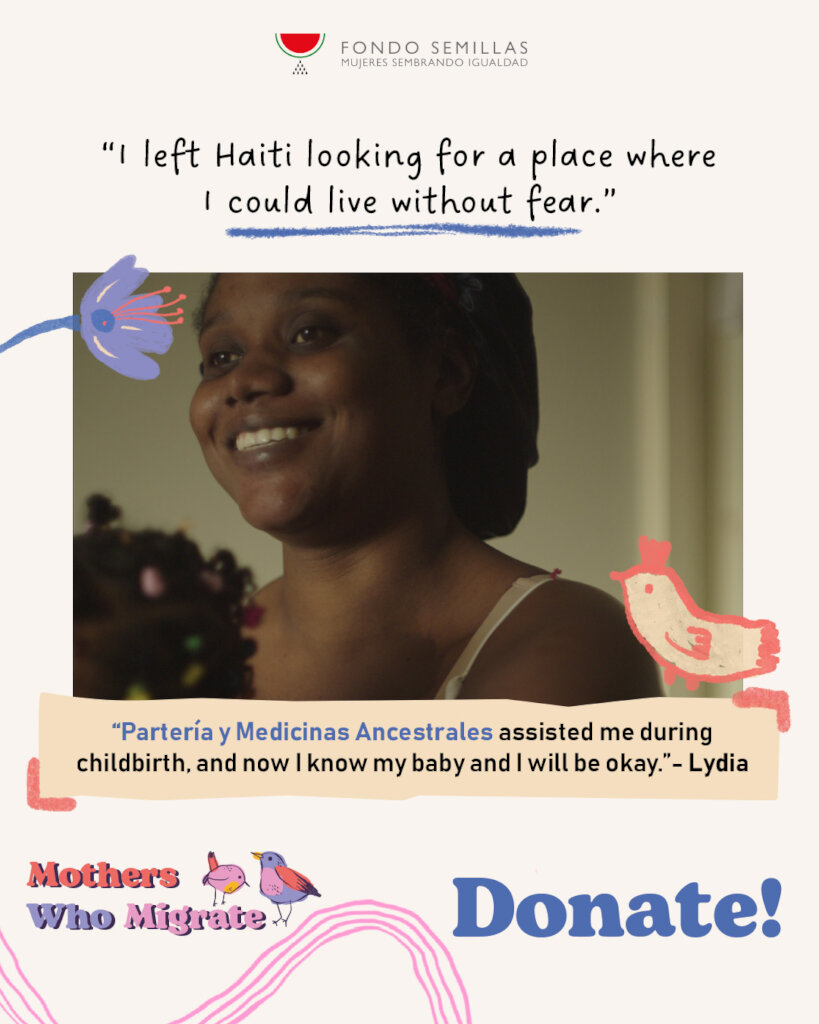
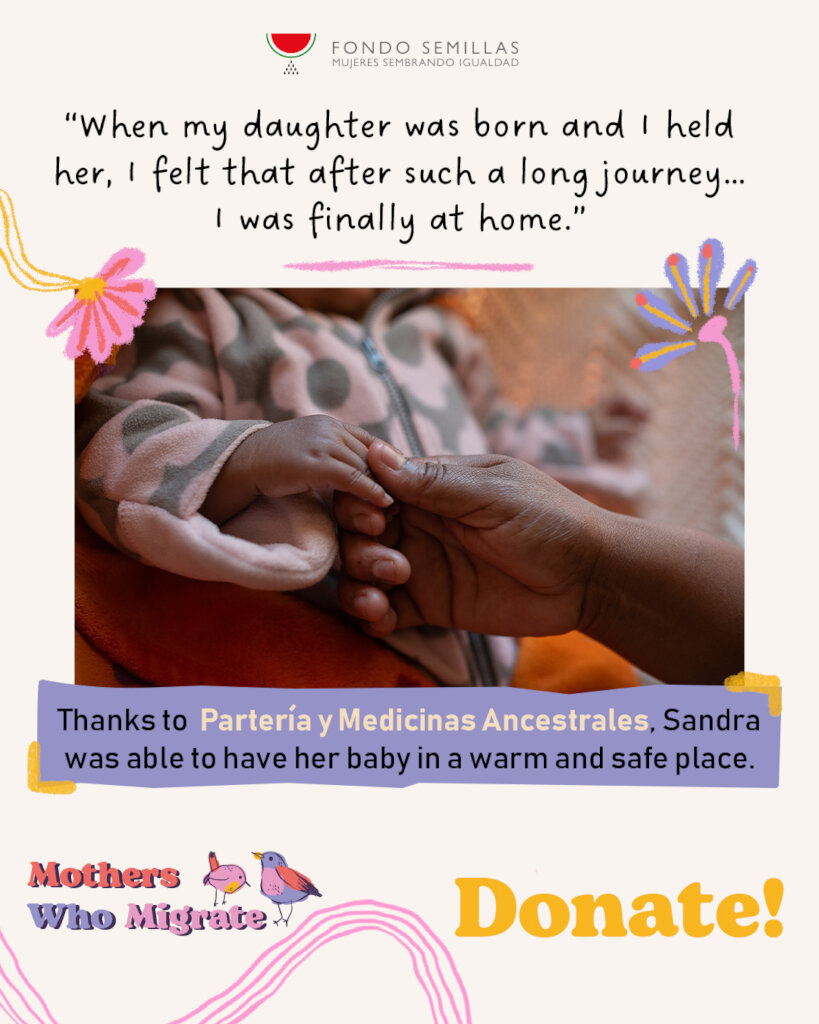
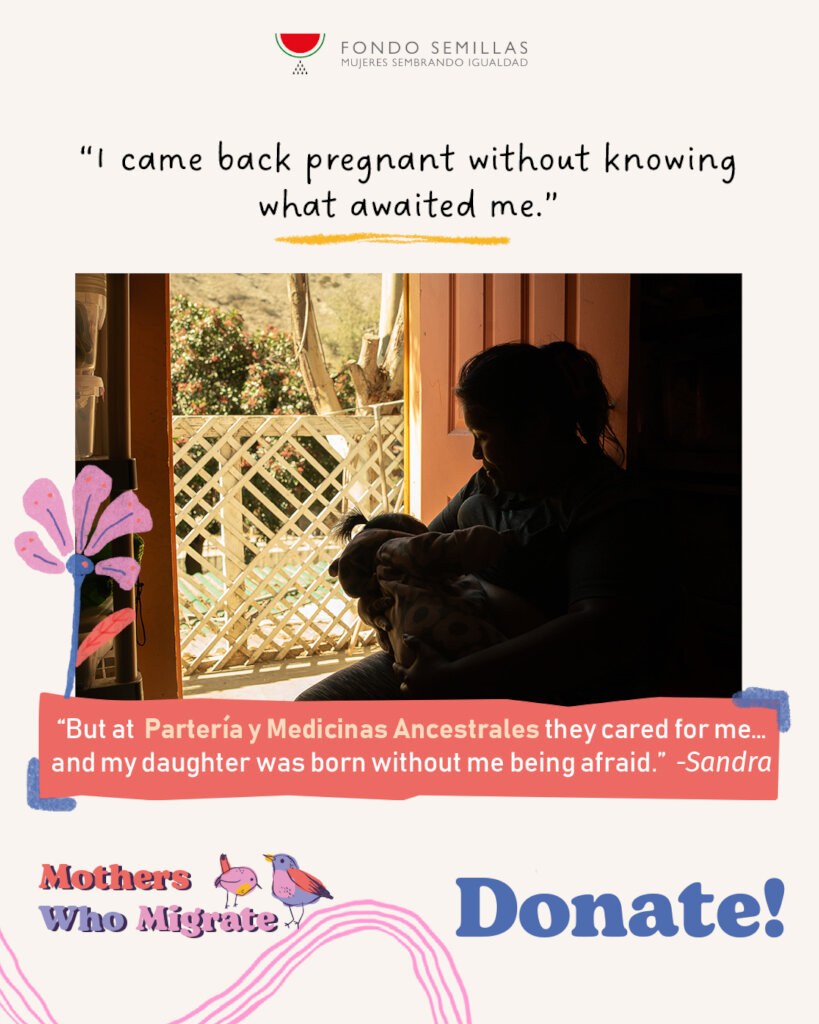
In this sense, Partería y Medicinas Ancestrales works with migrant mothers and other women on the move, offering workshops on motherhood, the menstrual cycle, contraception, and self-care. They also provide support during pregnancy, prenatal nutrition guidance, ultrasounds, breastfeeding information, and follow-up for healthy babies.
Their mobile midwifery clinic allows them to reach areas with limited access to healthcare and vulnerable populations, decentralizing medical services and visiting shelters to promote maternal and child health, sexual and reproductive health, and self-care.
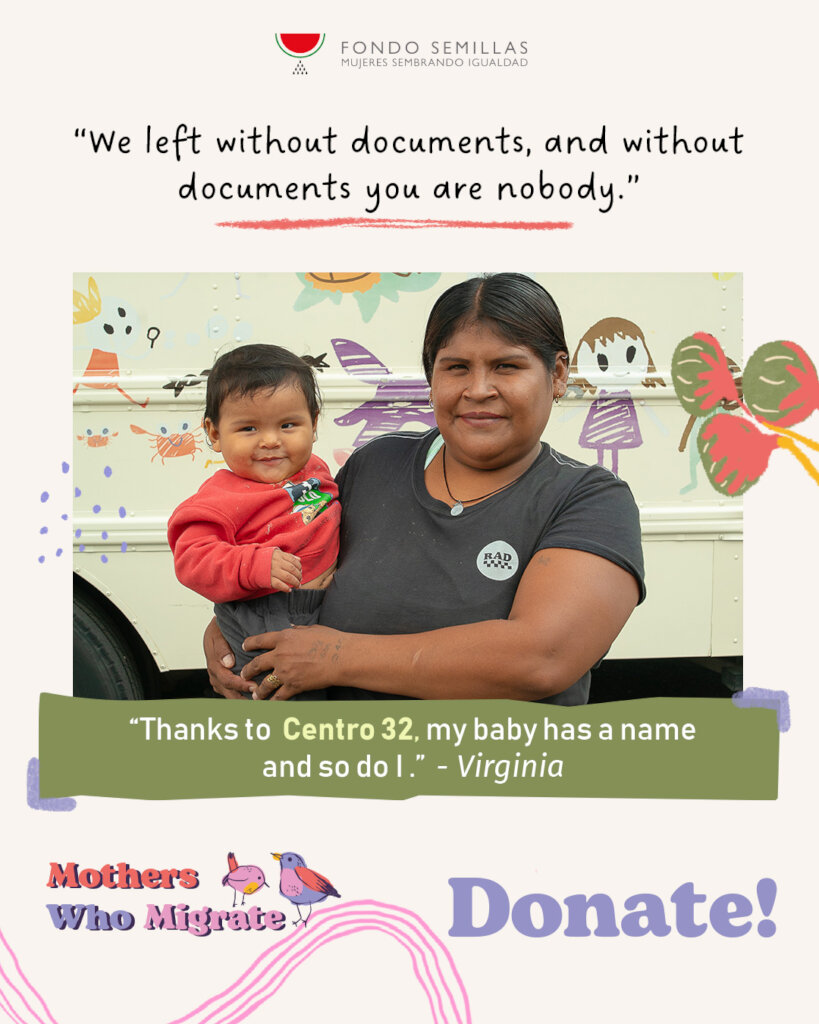
Centro 32, located on the northern border, provides individual and group psychological support in shelters and community spaces. They also run art therapy workshops to encourage emotional expression, collective healing, and the recognition of the dignity of people undergoing migratory processes marked by violence, exclusion, and uprooting.
Teresa’s story, like those of many migrant mothers, shows both the challenges women face and the power of community support. Grassroots organizations provide essential care, protection, and guidance during critical moments, but they need ongoing resources to continue their job. Keep supporting the Mothers Who Migrate campaign to help provide care, safety, and dignity for migrant mothers, children, and families.
[1] Names have been modified to preserve anonymity.
Project reports on GlobalGiving are posted directly to globalgiving.org by Project Leaders as they are completed, generally every 3-4 months. To protect the integrity of these documents, GlobalGiving does not alter them; therefore you may find some language or formatting issues.
If you donate to this project or have donated to this project, you can receive an email when this project posts a report. You can also subscribe for reports without donating.