By Mahnoosh Mossadegh | Grants Manager
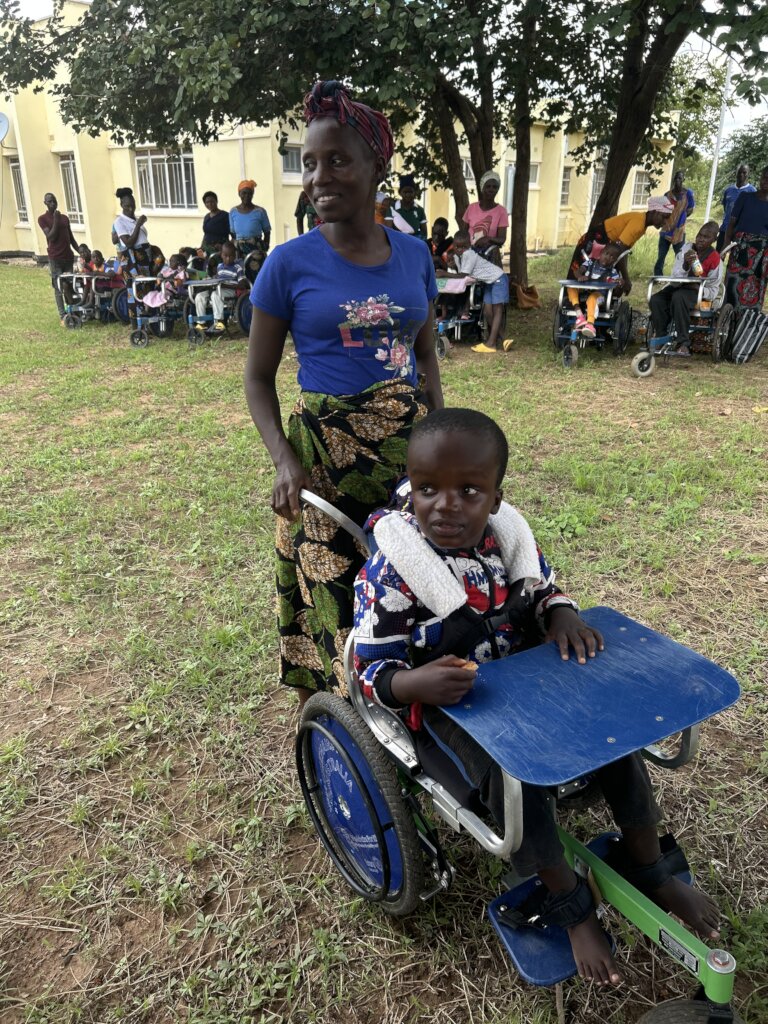
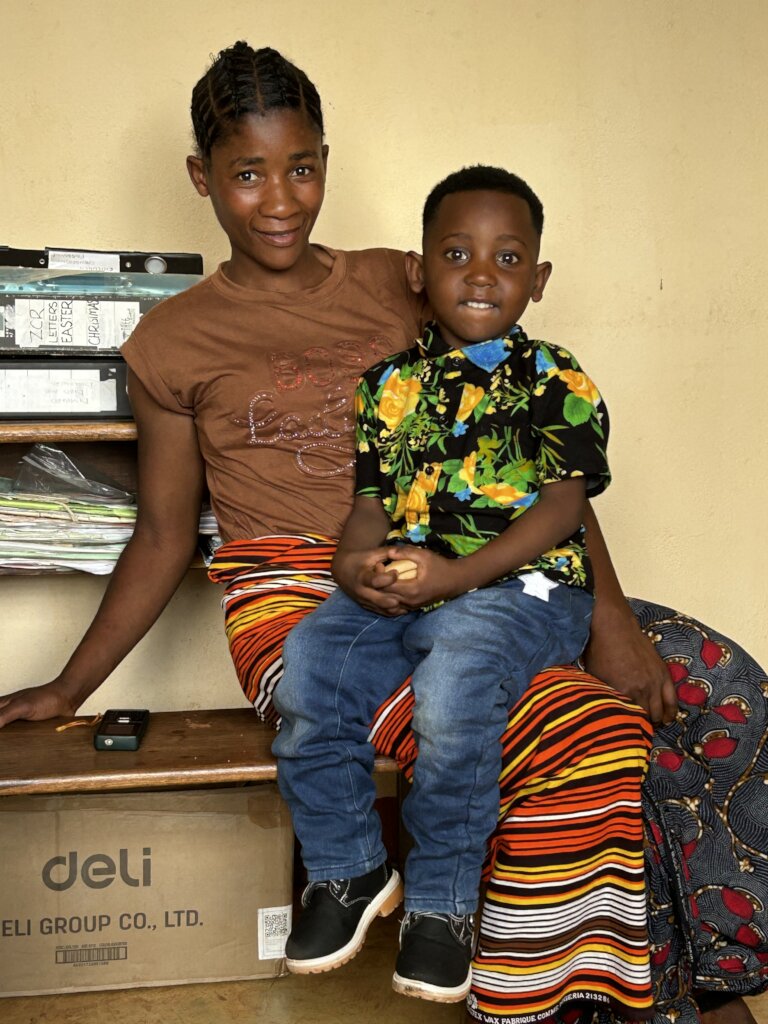
Children with disabilities are one of the most disadvantaged groups in Kenya and Zambia, they face significant challenges, such as malnutrition, limited access to education and essential healthcare. Hands Around the World (HATW), in collaboration with local partners, supports hundreds of children with disabilities in Kenya and Zambia each year by providing access to education, essential health care services, and assistive devices. Support that enables these children to thrive.
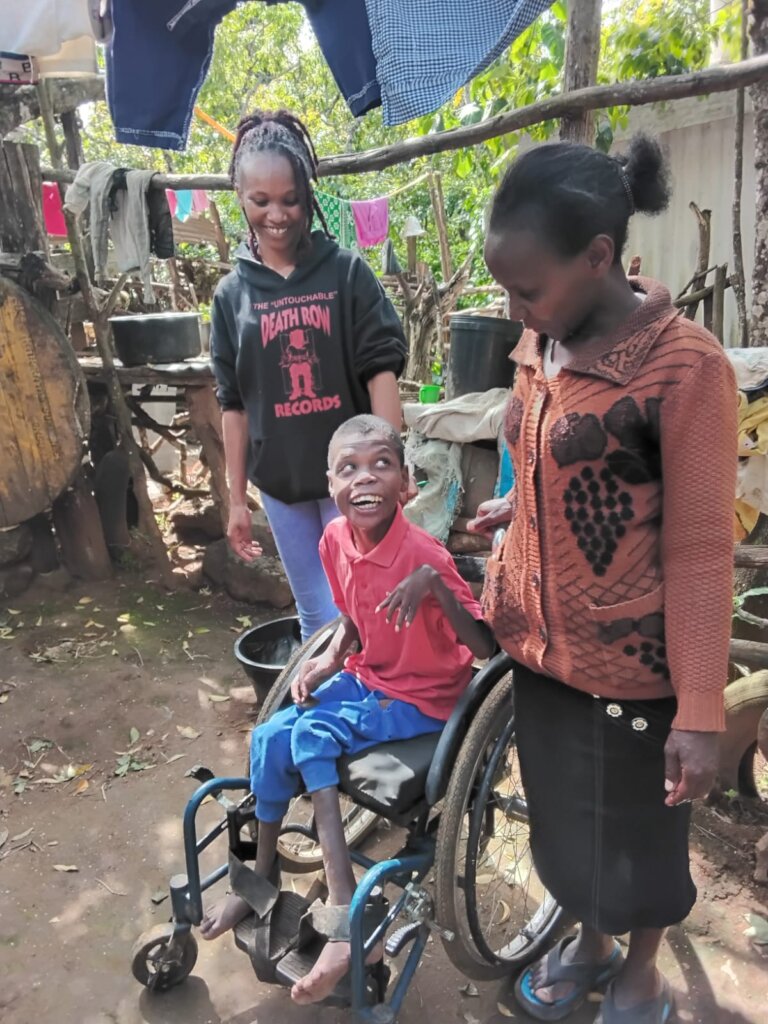
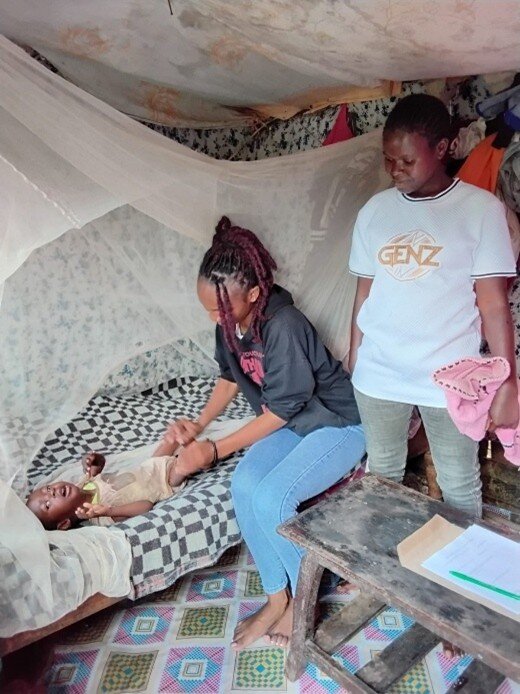
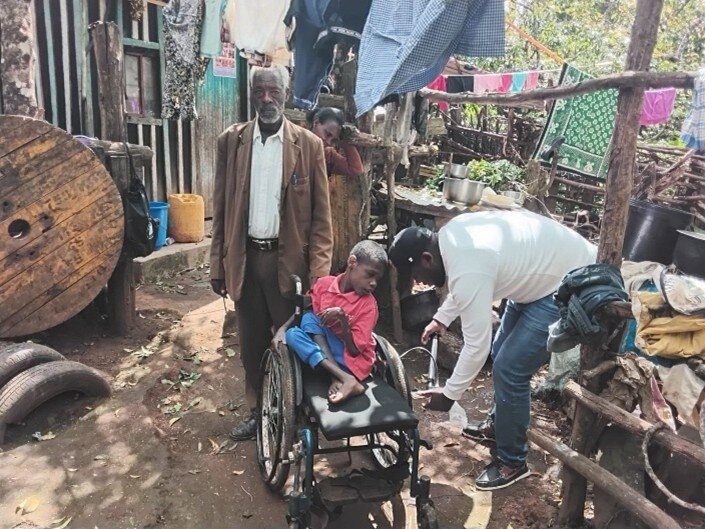
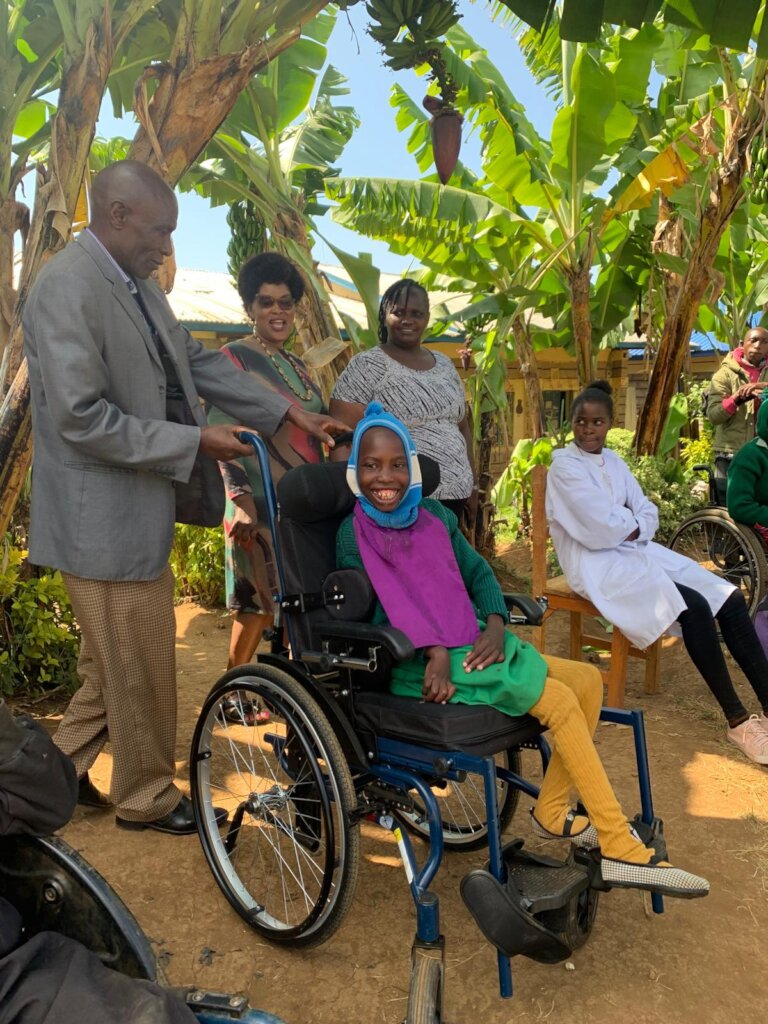
In Kenya, HATW partners with the Disability Community Centre (DCC) in Meru County. The DCC supports children with severe disabilities caused by cerebral palsy and birth complications. Unfortunately, these children face major barriers to accessing essential therapy and health care, and as a result they become isolated in their homes. Many of these children have complex needs such as limited mobility, difficulty swallowing or speaking, and challenges with vision, controlling eye movements, hearing, and motor control. Severe disability is life limiting and children with severe multiple disabilities tend to have complex health care needs and are at high risk of experiencing health complications.
In order to support these children and provide the care they need and deserve, the DCC implements a home-based therapy programme. The DCC staff travel to the remote rural homes of these children and provide essential physiotherapy. The staff also teach the parents physiotherapy skills and offer practical advice on how to manage the children’s conditions in their home environment. This programme enhances the quality of life for the children whilst also assisting close family members to understand how to support their children and manage distressing symptoms.
The DCC also raises awareness on disability issues and encourages the parents and caregivers to form psychosocial groups to help reduce the stigma these families face.
Alongside the home-based therapy, the programme also provides specialised nutrition support for 20 of the most vulnerable families. The supplementary feeding programme is aimed at improving and maintaining the nutritional status of children with severe disabilities.
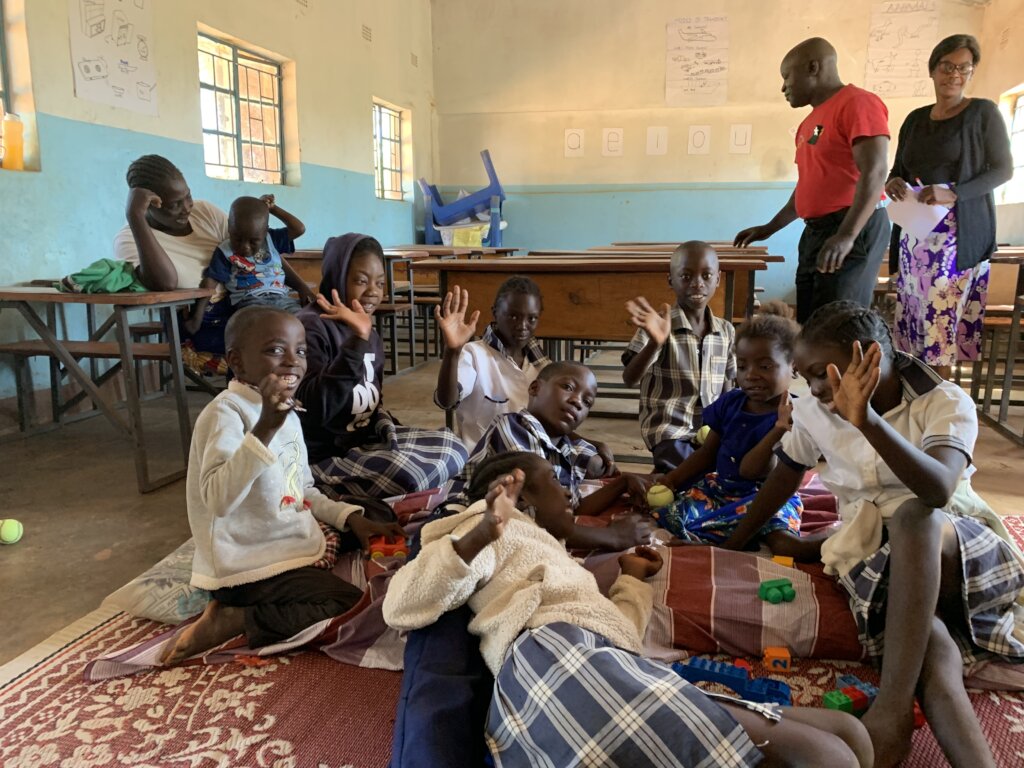
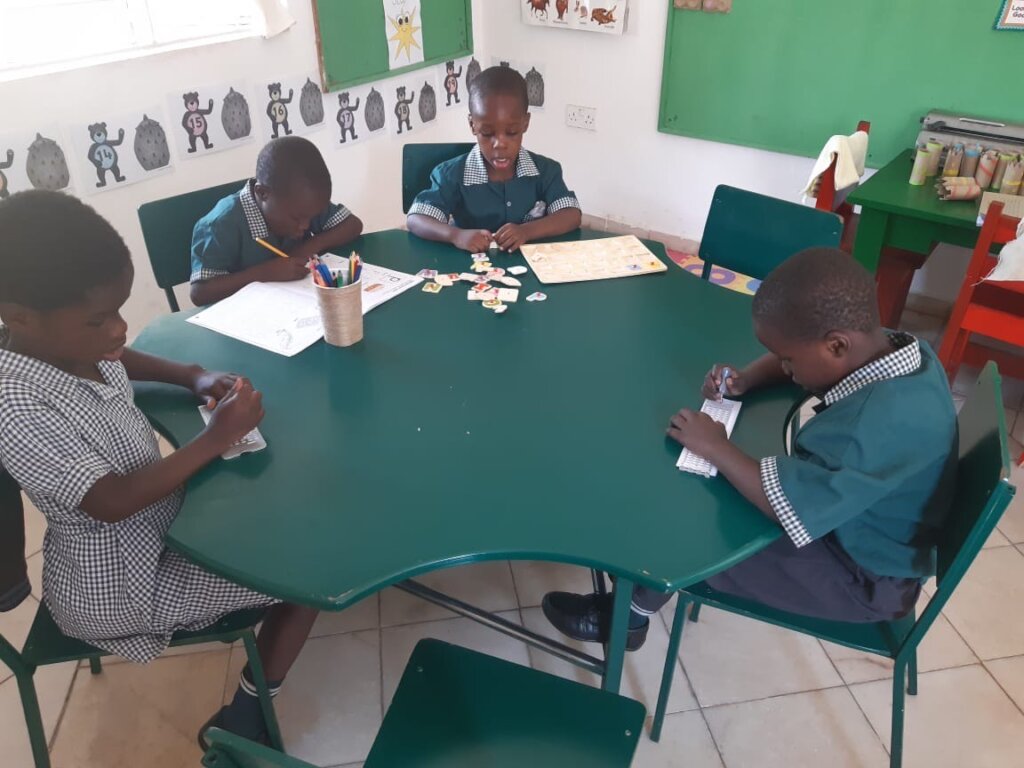
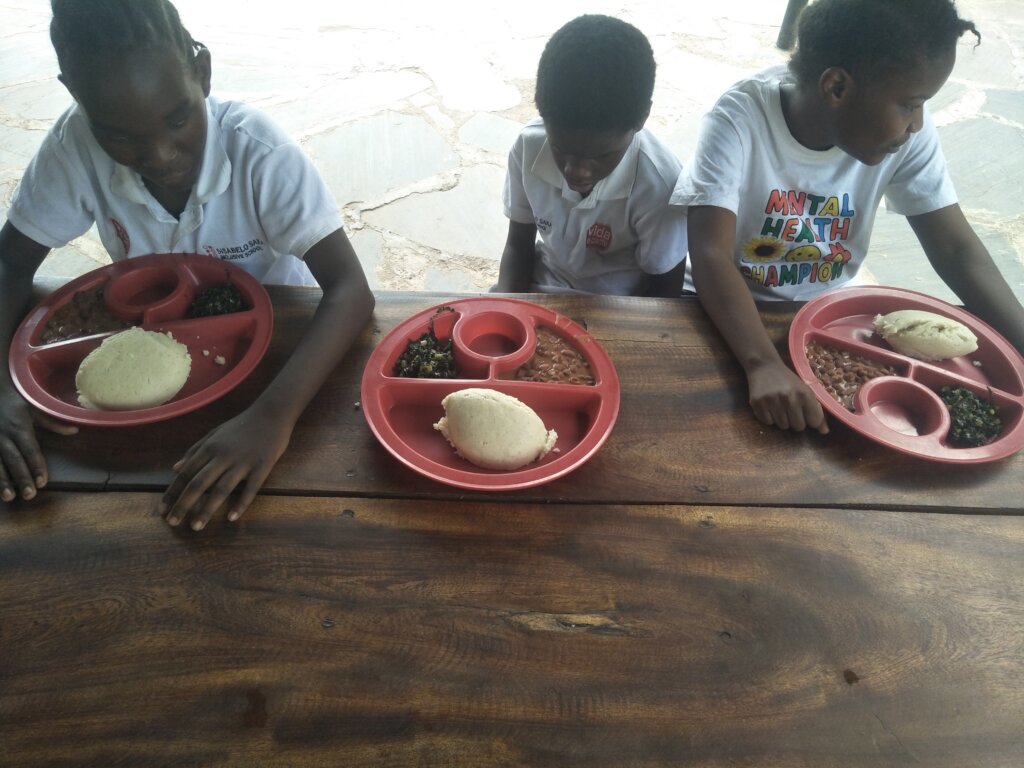
In Zambia, HATW partners with Sisabelo Saka Inclusive School (SSIS). SSIS is a non-profit inclusive primary school based in Lusaka, Zambia, currently teaching 16 blind and visually impaired children. SSIS is dedicated to empowering children with visual impairments and offers a wide range of services from early childhood and primary school education, assistive devices, transportation support, uniforms, a feeding programme, computer literacy and music lessons.
Children with visual impairments in Zambia face systemic challenges in accessing education, including a lack of assistive technologies, inadequate teacher training, and insufficient learning materials. Furthermore, stigma, socio-economic barriers and high costs for specialised schools, limit opportunities for education.
HATW recently began a partnership with SSIS to contribute towards the feeding programme, school uniforms and transport. The school provides the learners with a daily meal, ensuring all children receive regular nutritious food, reducing hunger and improving academic performance, whilst the provision of uniforms provides the learners with a sense of belonging and confidence. Providing reliable and safe transport for all students, ensures all learners can consistently attend school.
The school provides a safe, supportive environment where students can thrive, fostering personal growth and equipping them with essential life skills, regardless of ability. The school aims to provide equitable and quality education to break down the barriers children with visual impairment face in accessing education.
Providing support to children with disabilities can have a profound, long-term positive impact on their lives, their families, and the wider community. Support that specially meets the needs of the children can lead to improved health, education and social inclusion.
Thank you for supporting our disability projects in Kenya and Zambia and giving these children the opportunity of a brighter future!
Project reports on GlobalGiving are posted directly to globalgiving.org by Project Leaders as they are completed, generally every 3-4 months. To protect the integrity of these documents, GlobalGiving does not alter them; therefore you may find some language or formatting issues.
If you donate to this project or have donated to this project, you can receive an email when this project posts a report. You can also subscribe for reports without donating.