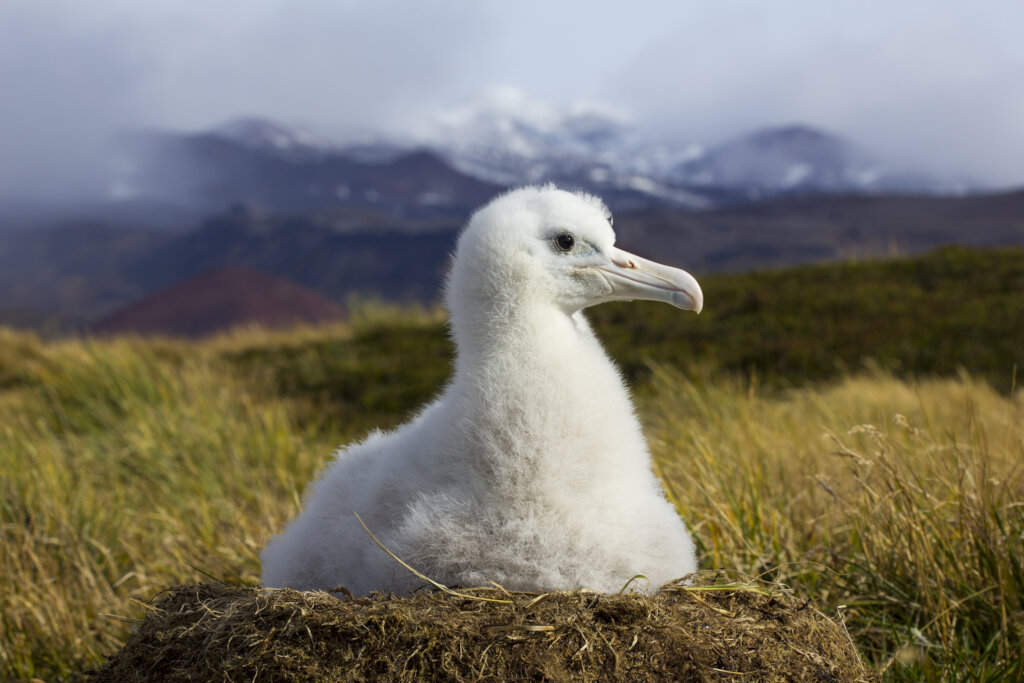
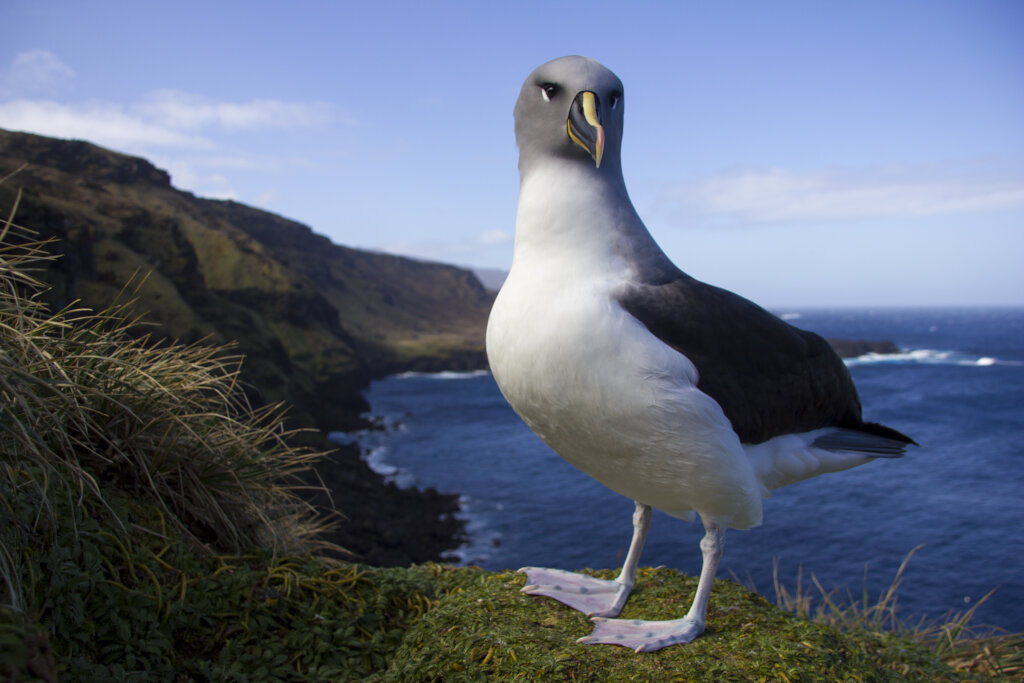
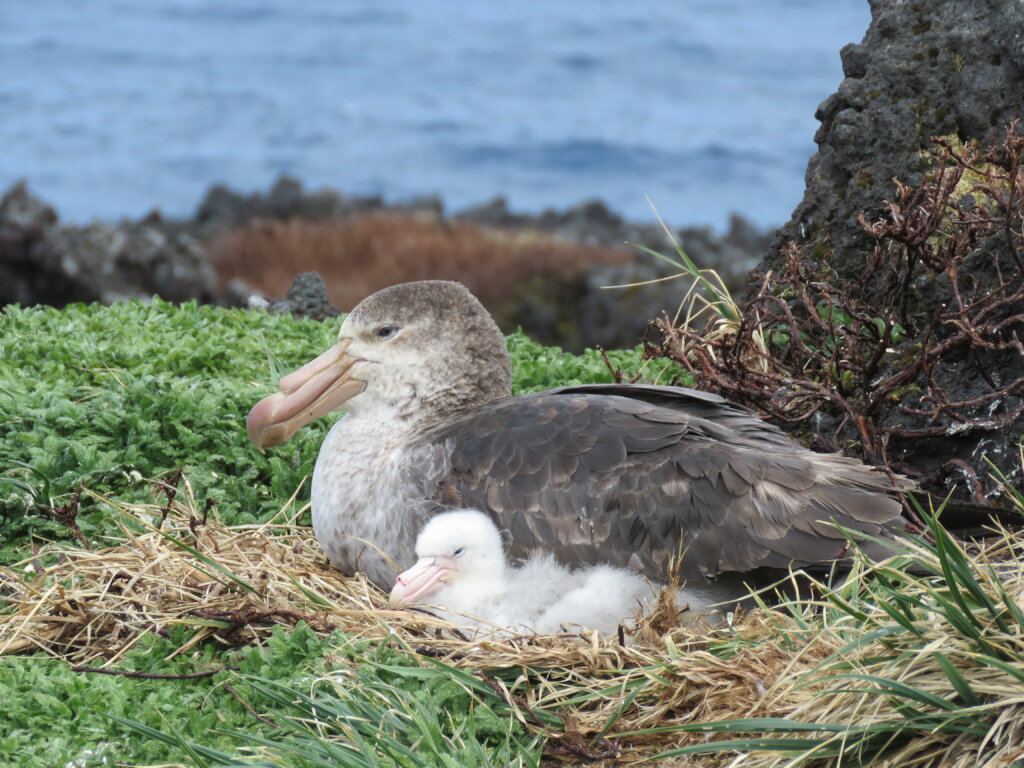
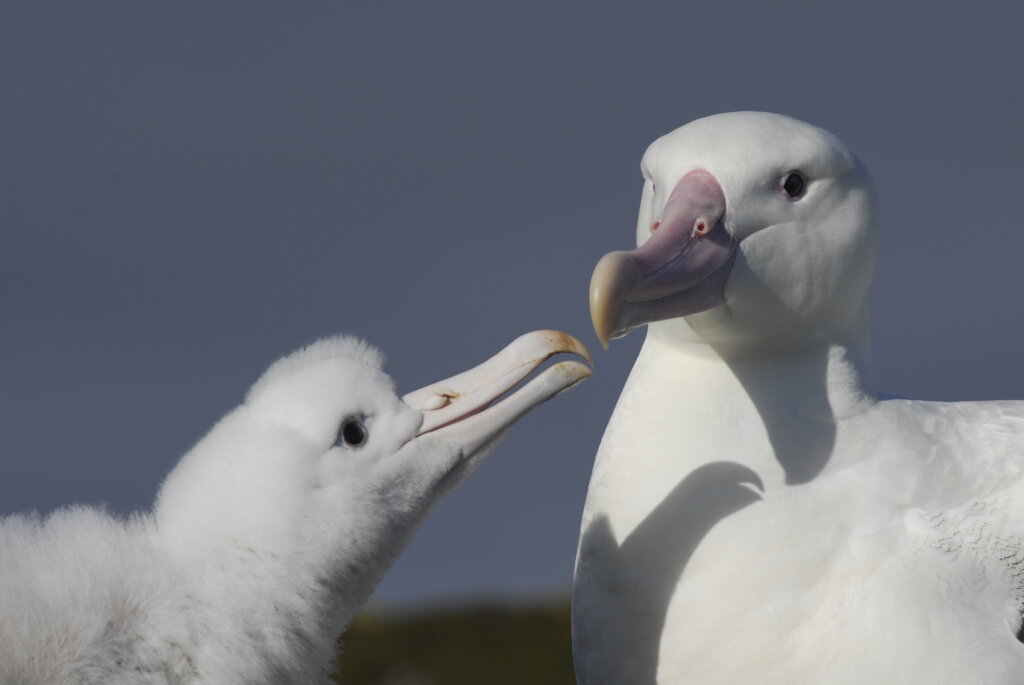
Saving Marion Island's Seabirds: The Mouse-Free Marion (MFM) Project aims to restore the ecological integrity of sub-Antarctic Marion Island and preserve and protect its globally significant biodiversity. This will be achieved through a single conservation intervention using best-practice methodology which has been successfully implemented on over 700 islands worldwide. The MFM Project seeks to ensure that Marion Island remains a thriving refuge for seabirds, seals, native vegetation, and invertebrate life for generations to come. Marion Island is internationally recognised for its extraordinary biodiversity and its critical role within the Southern Ocean ecosystem. Marion Island is one... read more Saving Marion Island's Seabirds: The Mouse-Free Marion (MFM) Project aims to restore the ecological integrity of sub-Antarctic Marion Island and preserve and protect its globally significant biodiversity. This will be achieved through a single conservation intervention using best-practice methodology which has been successfully implemented on over 700 islands worldwide. The MFM Project seeks to ensure that Marion Island remains a thriving refuge for seabirds, seals, native vegetation, and invertebrate life for generations to come. Marion Island is internationally recognised for its extraordinary biodiversity and its critical role within the Southern Ocean ecosystem. Marion Island is one of very few sub-Antarctic islands that provide vital breeding refuges for Southern Ocean marine species, such as seals and seabirds. Since their accidental introduction to Marion Island in the early 1800s, invasive House Mice have multiplied and are causing severe ecological damage. Initially feeding on and impacting plants and invertebrates, the mice have more recently begun attacking seabird chicks and even adults. It is anticipated that 19 of the 29 bird species that breed on Marion Island, including all four albatross species, may become locally extinct if the mice are not eradicated. Rodent eradications have been successfully achieved on more than 700 of the world's islands, leading to well-documented and significant biodiversity gains. Successfully eradicating the mice will allow native seabird populations, plants, and invertebrates to recover and thrive, reversing decades of ecological degradation. The result will be a powerful and lasting ecological recovery on one of the planet's most significant seabird breeding islands. It will also enhance the island's resilience to the growing impacts of climate change. The operation to eradicate mice from Marion Island is being meticulously planned and will be executed by a highly experienced international team. This is a crisis of global significance, but it can be rectified by a once-off intervention that will leave a lasting conservation legacy of international importance, and one that does not require ongoing investment. Beyond Marion Island itself, the MFM Project represents a commitment to global biodiversity conservation and demonstrates the transformative potential of island restoration. By safeguarding this unique ecosystem, the MFM Project will contribute to the long-term health and resilience of the Southern Ocean environment and leave an enduring conservation legacy for future generations. Core message: The Saving Marion Island's Seabirds: The Mouse-Free Marion Project exists to restore the ecological integrity of Marion Island and secure a thriving future for its globally important wildlife through the removal of invasive species. By protecting one of the world's most significant seabird refuges, the project aims to create a lasting conservation legacy for the Southern Ocean and future generations. The project's conservation campaign video can be viewed here: https://youtu.be/JOoJkAUB0Us

Each of GlobalGiving’s nonprofit partners is required to send quarterly donor reports detailing the impact of their work. Here are some of their recent updates:
By Robyn Adams | MFM Communications Officer & Project Assistant
Since our last update, Marion Island’s postponed winter relief voyage has successfully reactivated the research base, and the M83 overwintering team has settled in for the next eight months. For... Read the full report ›By Robyn Adams | MFM Communications Officer and Project Assistant
An eradication operation is not simply conducted without extensive preparation, and we are currently progressing with the most time-consuming stage of eradication: the preparatory and planning phase.... Read the full report ›


