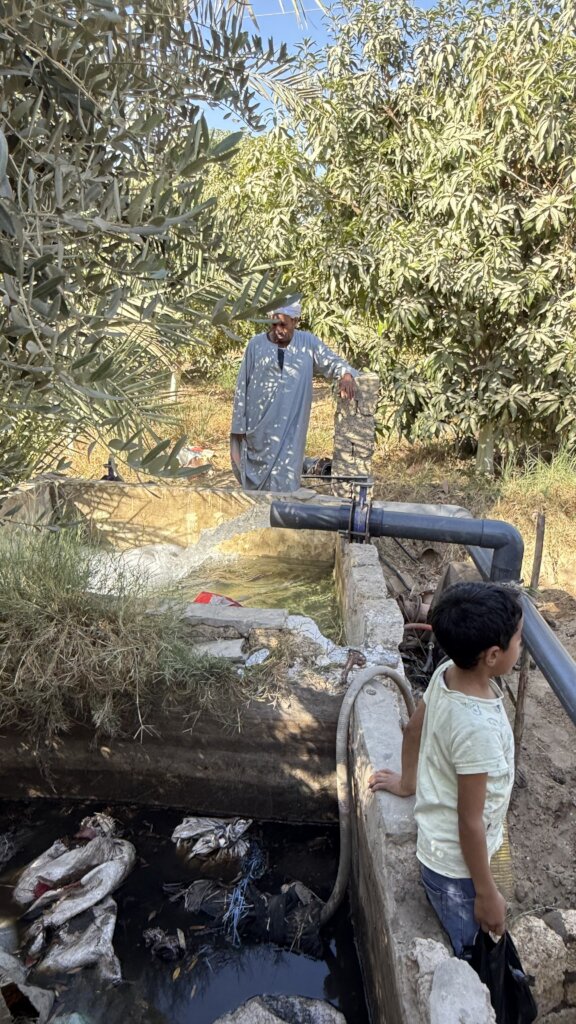
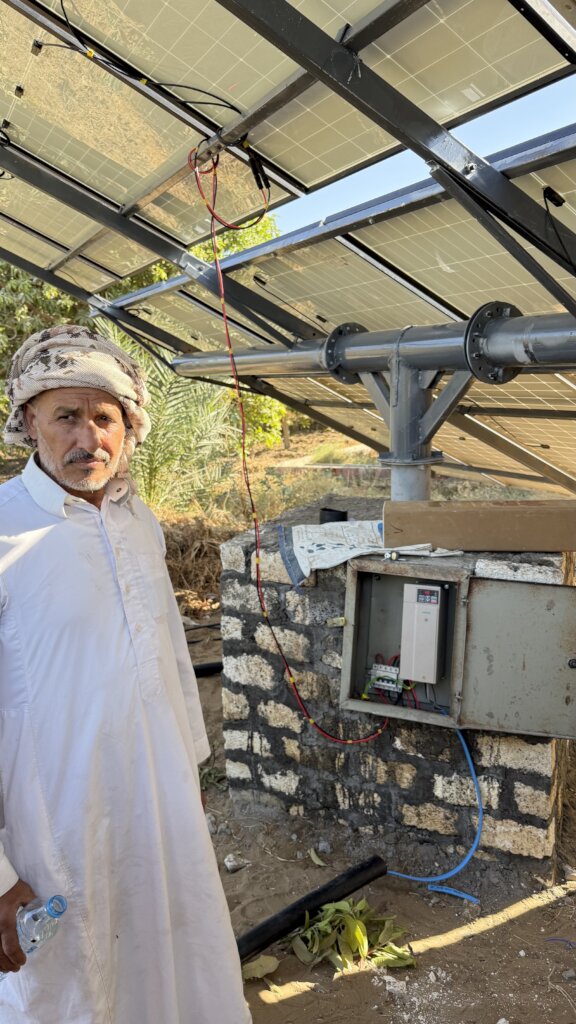
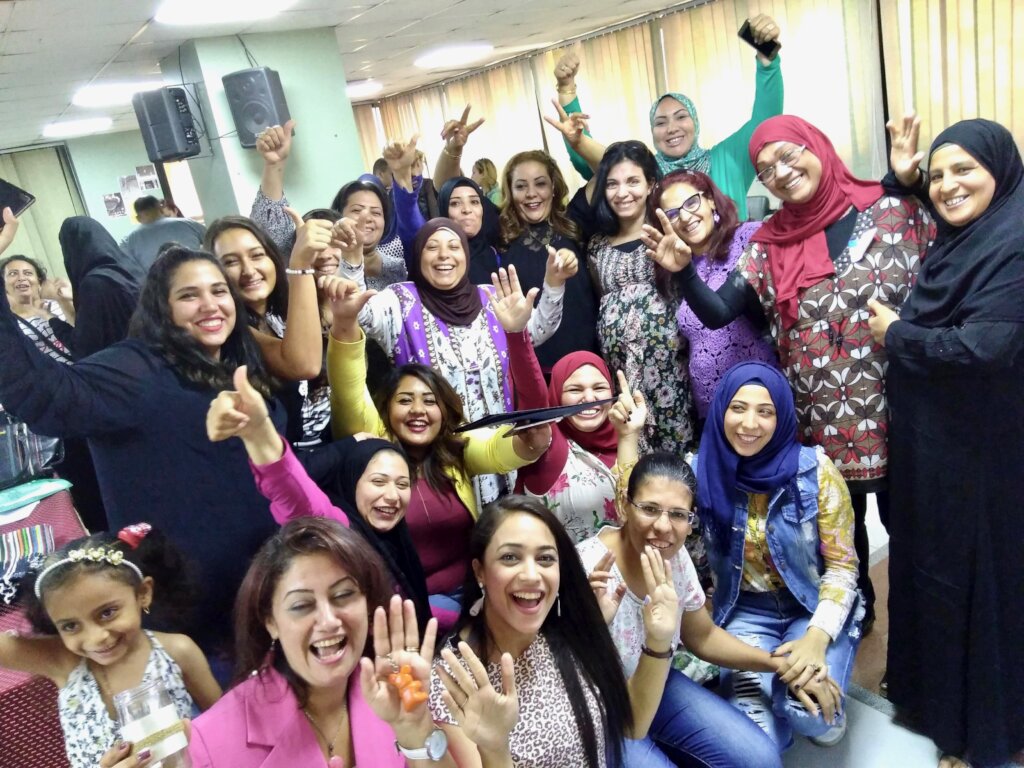
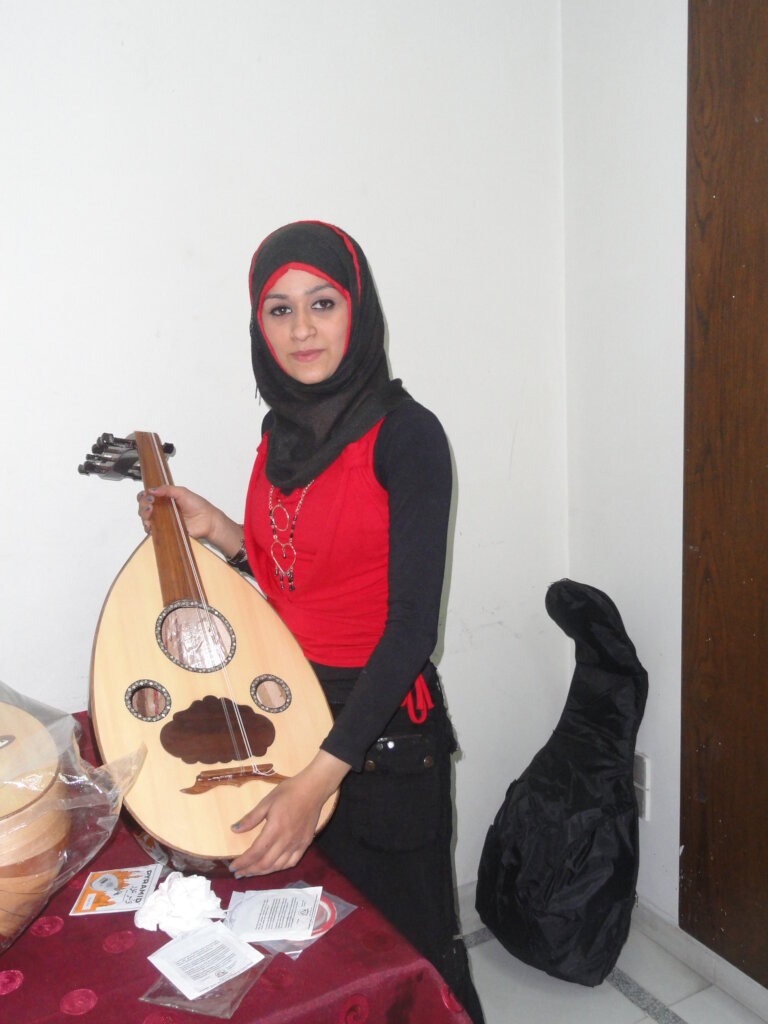

Hands Along the Nile Development Services (HANDS) is an American organization whose mission is to increase intercultural understanding between the US and the Middle East and to support community development efforts in the Arab world, with a particular emphasis on Egypt. Since its establishment in 1988, HANDS has worked to build better relationships between Americans and Egyptians, as well as other Middle Easterners through exchange programs and collaborative community development work. Currently, HANDS works with over 35 different community-based organizations in Egypt and in the Middle East. Our partners work in the poorest of the poor communities and have direct access to grassroots groups... read more Hands Along the Nile Development Services (HANDS) is an American organization whose mission is to increase intercultural understanding between the US and the Middle East and to support community development efforts in the Arab world, with a particular emphasis on Egypt. Since its establishment in 1988, HANDS has worked to build better relationships between Americans and Egyptians, as well as other Middle Easterners through exchange programs and collaborative community development work. Currently, HANDS works with over 35 different community-based organizations in Egypt and in the Middle East. Our partners work in the poorest of the poor communities and have direct access to grassroots groups. In Egypt, HANDS-supported projects reach an estimated 500,000 Egyptians annually. HANDS has extensive experience helping marginalized groups such as youth, women and people with disabilities increase economic opportunities, halt harmful health practices, access education and literacy courses, and become empowered community leaders. In addition, HANDS has worked over the years to support peace-building and intercultural- dialogue programs, not only inside vulnerable communities, but also through international exchange programs built to link professionals and leaders from government, private sector and civil society in Egypt, the region, and the U.S., to enhance their collaboration, build lasting professional and personal relationships and expand networks that contribute to a more peaceful and prosperous future for all. HANDS tackles critical socio-economic challenges by focusing on: - Economic empowerment - Creating jobs and improving livelihoods through microloans, entrepreneurship training, assistance to small farmers to be resilient to climate change, and job skills training. - Healthcare - Supporting community based hospitals, through infrastructure building, equipment and human resources trainings. - Civil society capacity building - Strengthening local organizations to advocate for sustainable development and community-led initiatives. HANDS has implemented numerous U.S.-MENA exchange programs, focusing on: - Professional development - Capacity building and networking for young leaders from civil society, government and private sector in the MENA region, through fellowship program in the U.S. and networking with American counterparts. - Interfaith and religious dialogue - Engaging religious leaders to promote peace and tolerance. - Women's empowerment and inclusion including more active participation in the economy - Strengthening women's roles in governance, business, and civic life. - Legislative and governance capacity building through exchanges and networking. - Helping build capacity of university career centers in the MENA region through exchanges with the American universities. HANDS also facilitates "Insight Trips," the American-Egyptian Dialogue, and medical missions, connecting U.S. professionals with Middle Eastern counterparts for knowledge exchange and volunteer opportunities. One of HANDS' flagship programs is the Young Entrepreneurs Program (YEP), launched in 2009 to provide female artisans and entrepreneurs with disabilities with opportunities to establish sustainable incomes for themselves and their families. Since then, over 300 craft-makers and entrepreneurs have been trained, many of whom have successfully established or expanded their businesses. Through business-skills training, networking, and exchange programs with American counterparts, the initiative has especially empowered women artisans to improve their craft-making skills, financial independence, and community impact. During the initial stages of YEP program, young entrepreneurs traveled to the U.S. (Chicago and Washington, D.C.) for in-person training and business development workshops. This was followed by a series of online and in-person training sessions in Egypt, led by American business experts, to further equip these entrepreneurs for success. Building on that, a multi-year program was developed specifically for young craft makers, which includes: - Training, mentoring, and expert-led workshops - Linkages with private and public organizations - Small grants competition, with awards given to the best small business plans submitted by participants. HANDS has worked over the years to raise funds for the continuous YEP program, expanding activities and making this training available for other youth in impoverished communities in Egypt. We conduct regular training sessions for young artisans, covering topics such as marketing, sales, and quality control. Many of these trainees established profitable businesses in Egypt and internationally. One program alumna has even launched a successful furniture-making business in the Middle East and is preparing to expand to the U.S. Additionally, some graduates have become trainers themselves, sharing knowledge with the youth in their communities. Beyond YEP, HANDS has extensive experience supporting artisans through long-term partnerships with Egyptian organizations. For over 20 years, HANDS has collaborated with The Association for the Protection of the Environment (APE), a recycling, craft-production and job-skills training center that empowers young women from Egypt's garbage collectors' communities. HANDS has helped APE by sending American artisans to teach new techniques, design, and marketing strategies. We have been also marketing and selling APE crafts across the U.S., generating additional funds to expand training opportunities for more girls and women. We organize visits to APE through "Insight Trips," exposing American participants to the impact of artisan training programs in Egypt. Recently, HANDS has been approached by three additional organizations involved in handicraft production in Egypt, further expanding its reach in empowering female artisans and fostering sustainable economic development. Over the years, HANDS has also led various large-scale community projects in Egypt to improve quality of life in the urban slums and rural communities, including these examples: - Zaballeen Livelihood Project- Integrating informal waste collectors into the formal municipal waste management system and recycling economy. - Employment through Technology and Innovation (ETI) - Trained more than 20,000 Egyptian youth in digital job-skills training; created online job portal, and set up 10 computer centers to connect young job seekers with technology and potential employers. - Community Hospital (Minya, Egypt) - Established a regional eye hospital, serving 50,000 people annually. - Microloan Programs - Providing financial support and technical assistance to thousands of micro and small businesses, including women-led businesses, benefiting hundreds of thousands of poor families and female headed households. - Combating Child Labor - Reintegrating children into school through education, economic assistance to their families, vocational training, and advocacy. - Improving Livelihoods for Young Garbage Collectors - Delivering education and skills-training to children in Cairo garbage collectors' communities through safe recycling practices. - Village Partnership Program - Implementing a holistic development model that addresses education, healthcare, housing, and economic assistance in targeted rural and urban communities.

Each of GlobalGiving’s nonprofit partners is required to send quarterly donor reports detailing the impact of their work. Here are some of their recent updates:
By Ivana Smucker | Director of Programs
Since our project was approved, we did not start fundraising on it until July 2026 and we have not received funds from GlobalGiving raised so far. At this time, we are still in the preparation for the... Read the full report ›By Ivana Smucker | Director of Progams
The following is the summary of activities implemented as of June 30, 2026, in collaboration with our partner in Egypt, CEOSS. Training Program Activities through Exchange with U.S. based Experts A... Read the full report ›By Ivana Smucker | Director of Programs
The following is the summary of activities implemented as of February 28, 2026, in collaboration with our partner in Egypt, CEOSS. Training Program Activities through Exchange with U.S. based... Read the full report ›


