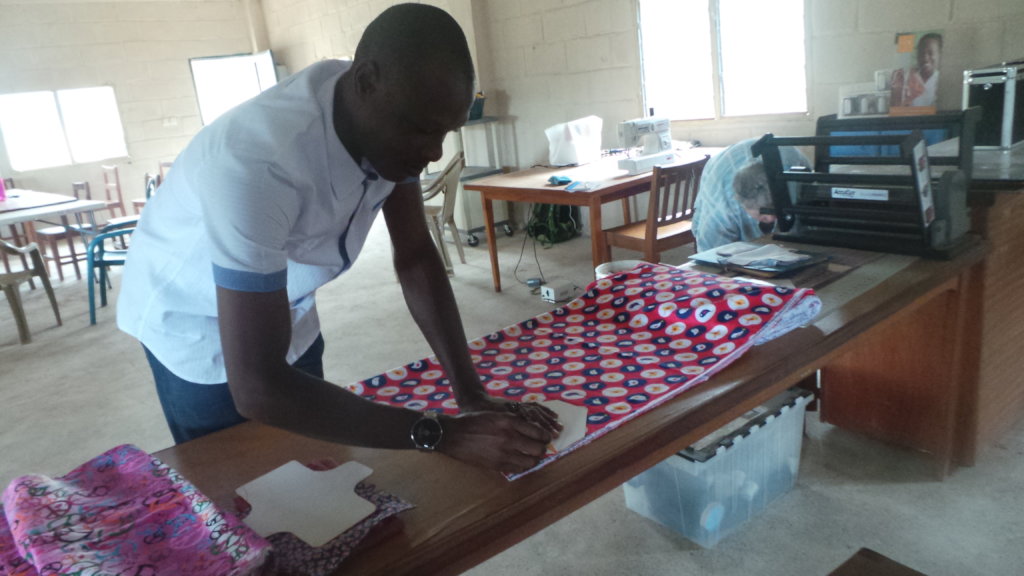
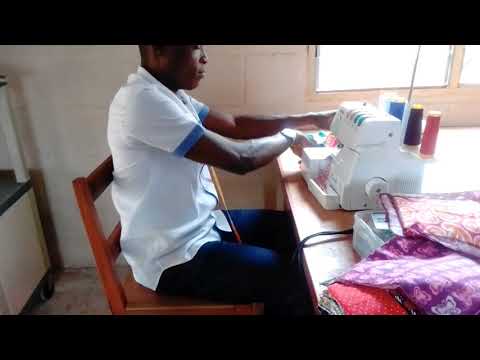
The project will train 30 physically challenged girls on reusable sanitary pads production, supply reusable sanitary pads to girls in reprimand homes/prisons, physically challenged schools and, deliver reusable maternity pads for postpartum women in the rural areas. Reduce the burden of disposable sanitary pads on the environment, most of this menstrual-related waste are sent to landfills as it cannot be burnt while a good portion are littered on blocked drainage's due to poor waste management.
Poor menstrual hygiene affects the social and mental well-being of girls. Research shows that girl's capacity to manage period is affected by poor access to affordable hygiene materials and dissatisfy by the sanitary materials they could access leading to school absenteeism, reduced level of concentration. The burden of disposable sanitary pads on the environment, most of this menstrual-related waste are sent to landfills as it cannot be burnt while good portion are littered on blocked drainage.
The reusable sanitary pad will increase access to affordable, clean and safe sanitary options and offers variety of sustainable solution and environmentally friendly feminine hygiene. Create economic empowerment for physically challenged females in low-middle resource setting to manage their menstruation
To achieve the SDGs which are plan and guide to enhance sustainable future and address the critical global social challenges especially as it affects women, girls and children. Ensuring inclusive and equitable quality education for all SDG4, Achieve gender equality and empower all women and girls SDG5, Ensure availability and suitability of water and sanitation for all SDG6, and Promote sustained, inclusive and sustainable economic growth for women SDG8 and resilient climate change SDG 13.