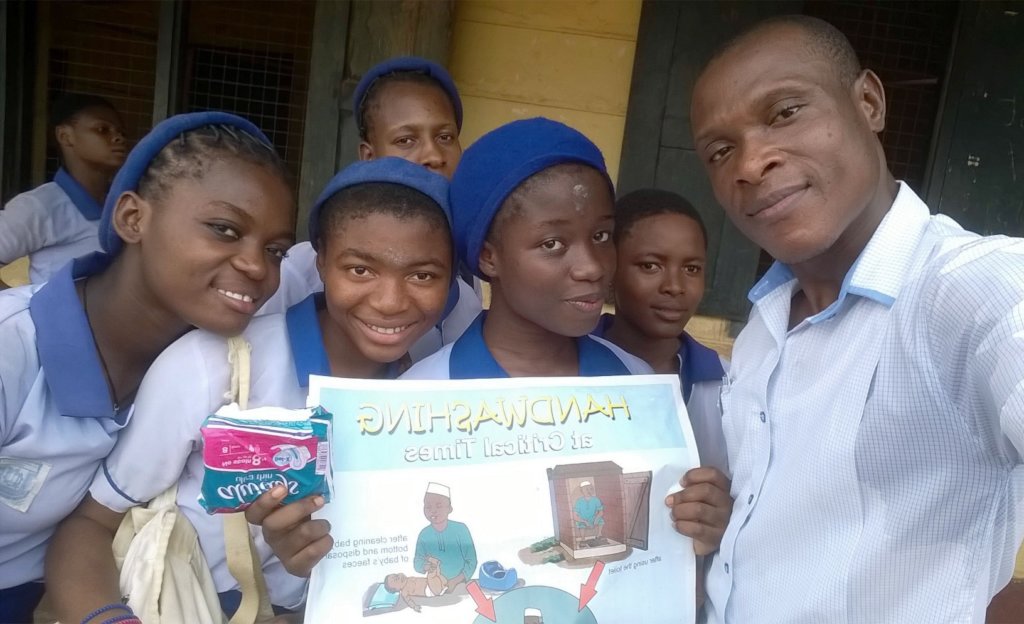
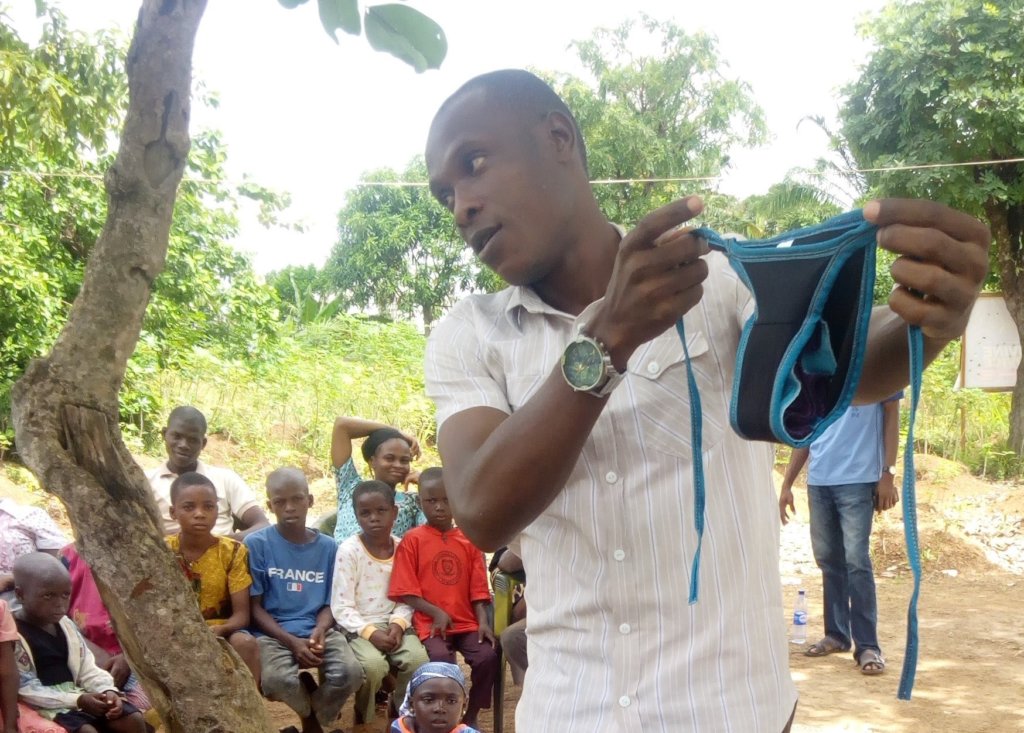
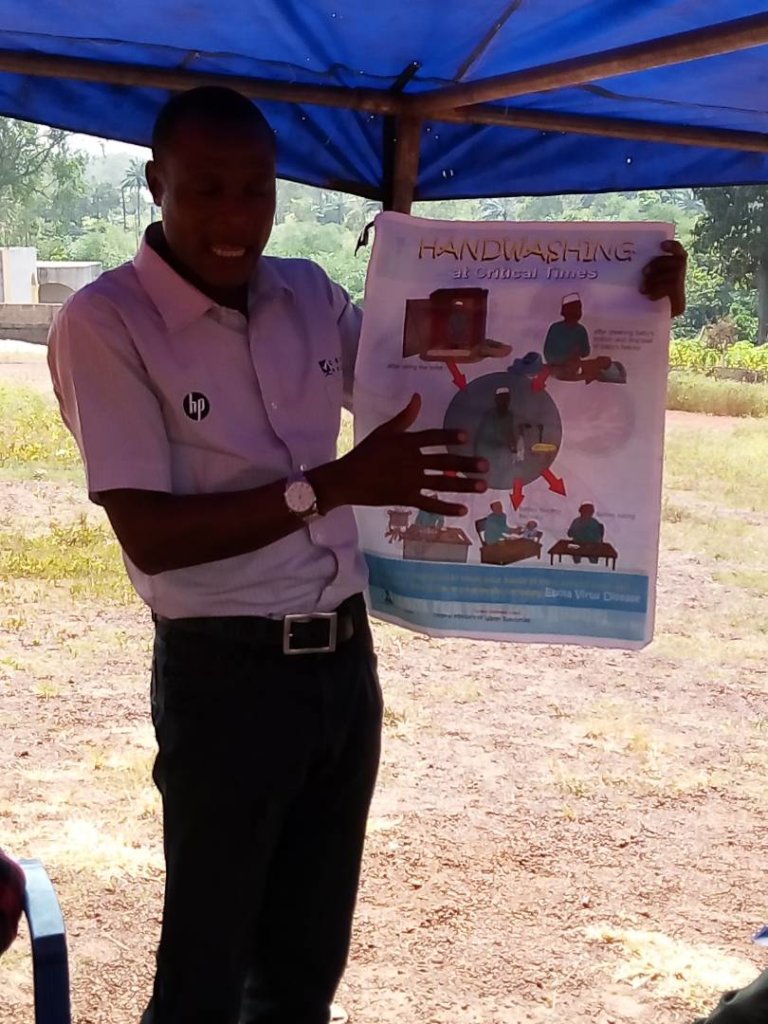
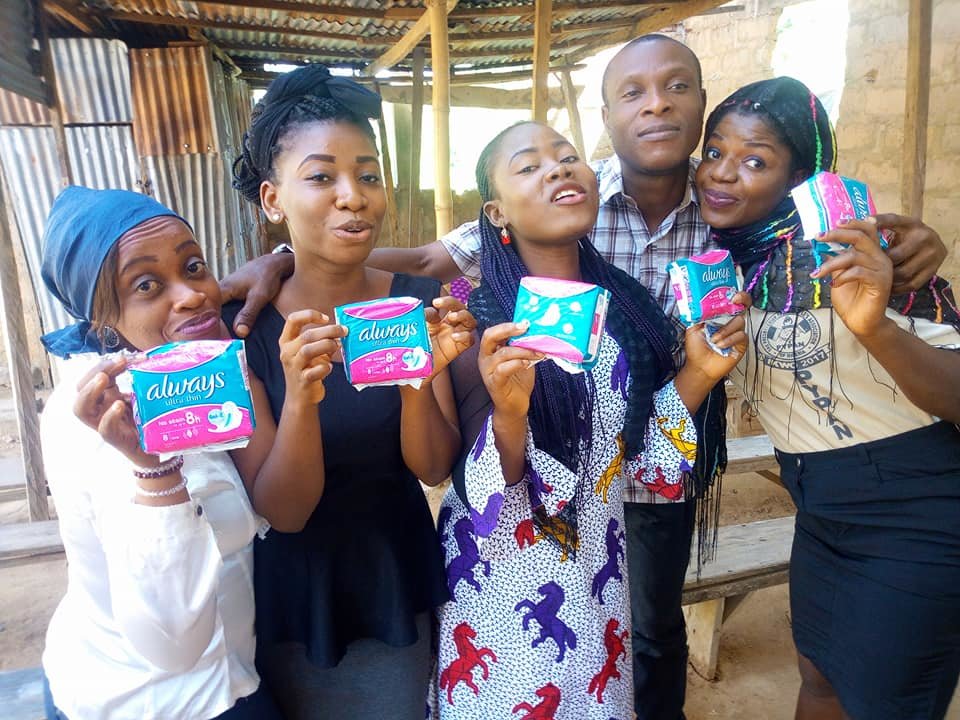
This research project is concerned with examining menstrual hygiene behavior and practices and how easy it is for women to manage their menstruation in the prison and whether there is any need for improvement in prisons in Nigeria, train female inmates and Warders on sustainable and safe menstrual hygiene practices, distribute sanitary pads to the female inmates to support menstrual hygiene management.
The public nature of managing one's menstruation in the prison is a challenge (Vetten, 2009). As an intimate issue, menstruation among female prisoners is taken for granted which suggest in part that it is in some way offensive (Smith, 2009). Menstruation remains largely hidden and not openly discussed (House et al, 2012). Despite the challenge of overcrowding in the prison, the female prisoners have to face the issue of unsanitary conditions to manage their menstruation with respect and dignity
The research will identify existing gaps in menstrual hygiene behavior and practices, restrictions and stigmatization's and availability of sanitary facilities using a structured questionnaire and a semi-structured in-depth interview and focus group discussion will be conducted with some female inmates in the Prison and to work toward addressing the problem in collaboration with the Nigeria Prison Service and other water, sanitation and hygiene (WASH) partners.
The knowledge gained will be applied to an evidence-based advocacy to Nigeria Prison Service, policy makers, legislatures and executive government. Plan an intervention programs for sustainable and safe menstrual hygiene management among incarcerated females in Nigeria and Africa in general. Build partnership on nondiscrimination and equity and mobilize support for menstruation with respect and dignity among implementing partners.
This project has provided additional documentation in a PDF file (projdoc.pdf).