Train Women Farmers in Organic Agriculture, Nepal

Support women Nepal farming

Summary

Develop women’s cooperative groups in implementing sustainable agriculture and train groups with ways to connect to markets to sell their produce and improve their income. project reportread updates from the field

How You Can Help  Help

Make a donation

Received $6,128 from 85 donations from people like:

marsha cwsankofa Jeff geapi

+

You
YOU!
Give now to become donor #86!

More Information About this Project

Project Needs and Beneficiaries

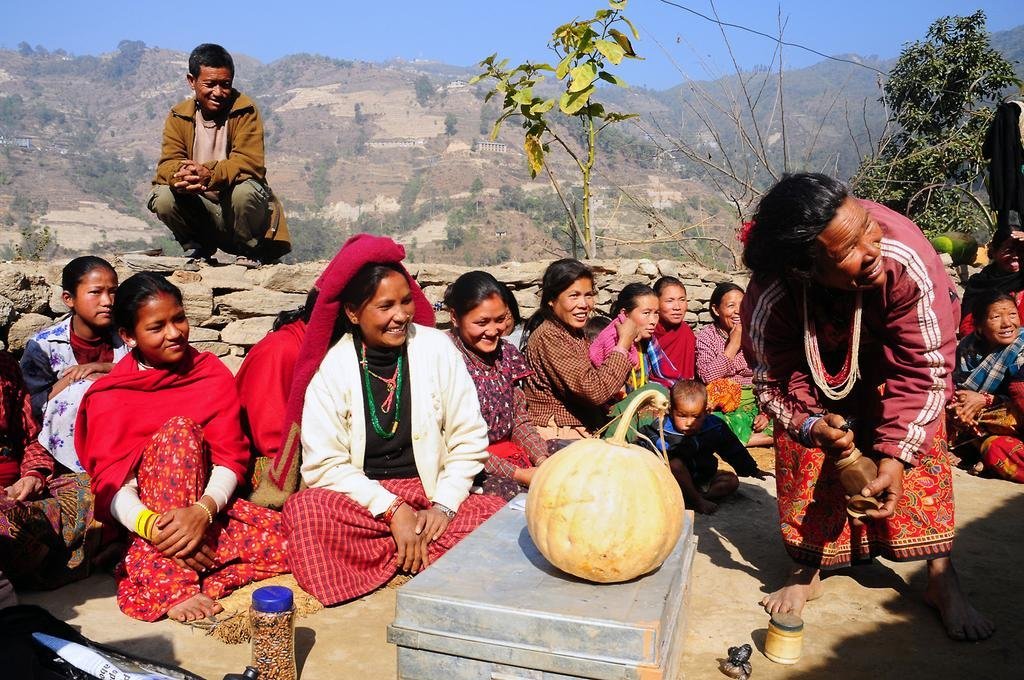
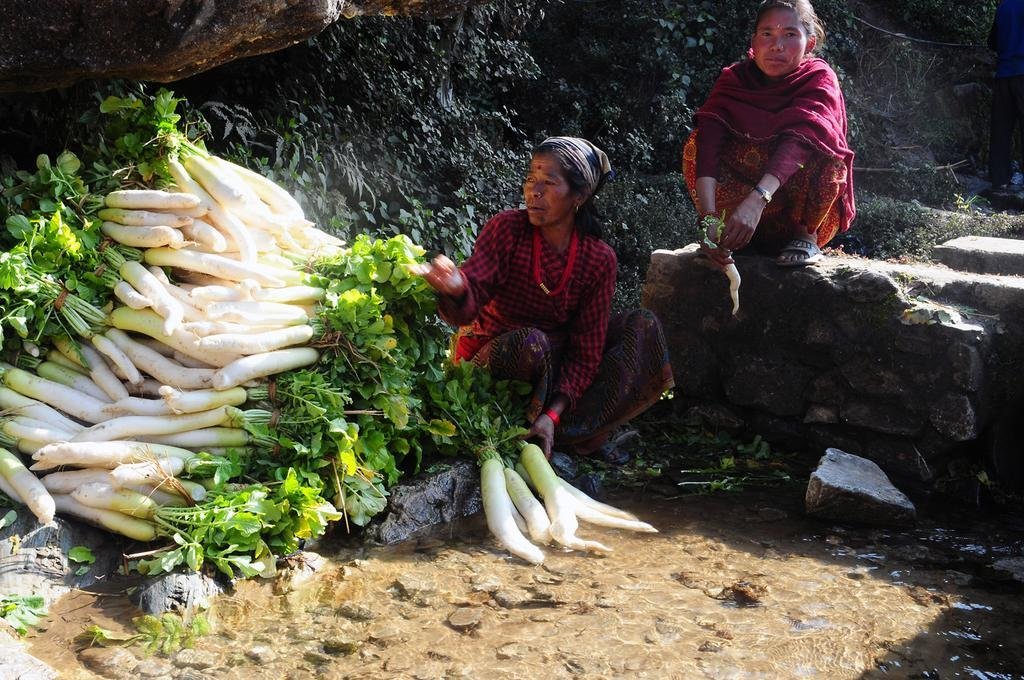
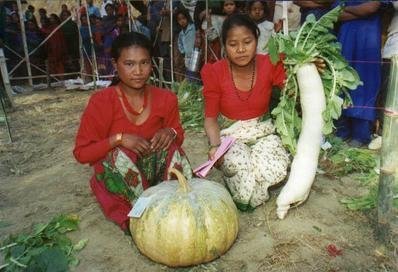
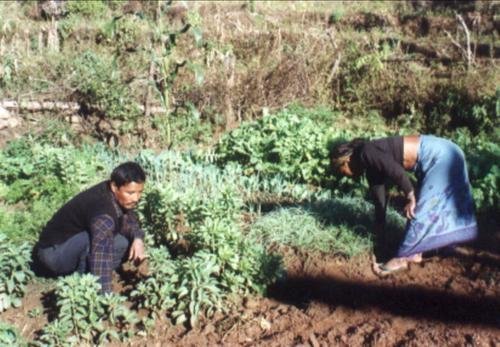
In rural Nepal, many men often migrate to the city in search of work, and women are left to raise families and farm. In recent decades, farmers have become overly dependent on chemical fertilizers and pesticides and over time, local practices of sustainable farming have been lost. ASHA works with 200 women farmers to preserve high-nutrient local seed varieties and revert to low-cost organic cultivation methods that provide a broad variety of produce for family consumption and sales.

Activities

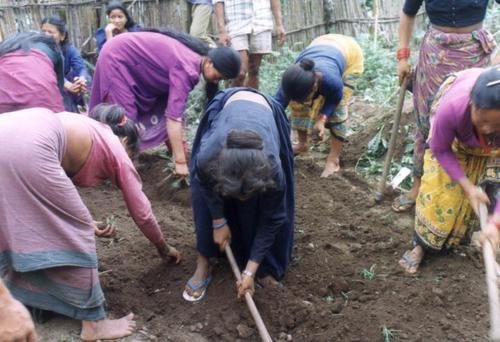
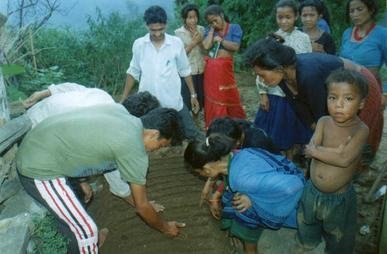
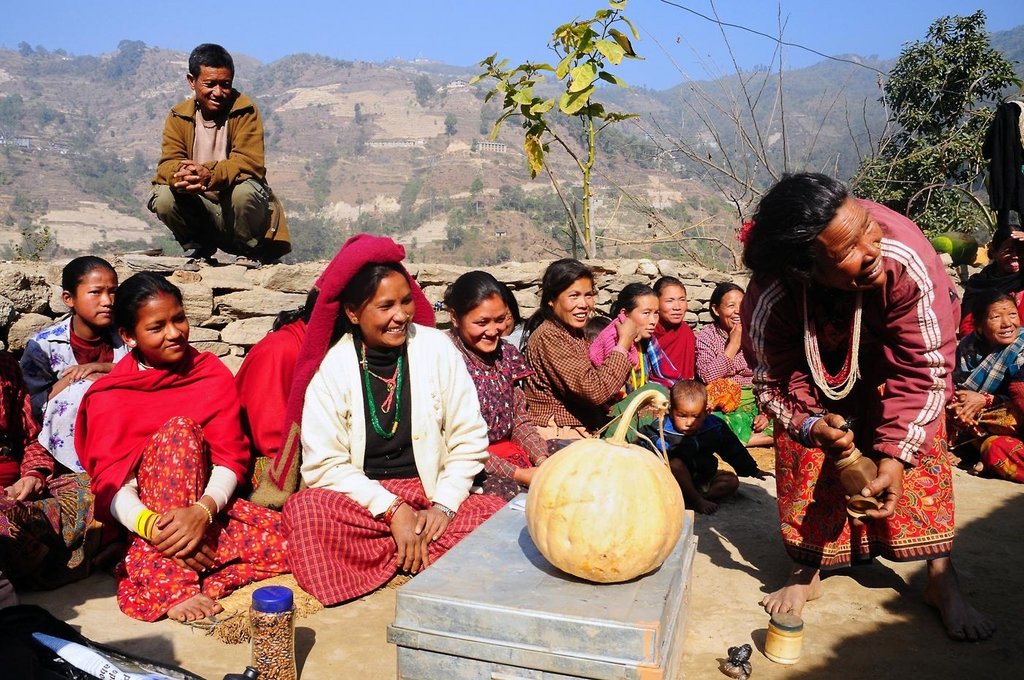
Support 9 women’s groups and offer organic farming training (saving seeds, making compost, preparing fertilizers) along with business skills to sell products. A “train-the-trainer” model ensures women farmers that are trained go on to train others.

Funding Information

Total Funding Received to Date: $6,128
Remaining Goal to be Funded: $10,081
Total Funding Goal: $16,210

Additional Documentation

This project has provided additional documentation in a Microsoft Word file (projdoc.doc).

Resources

Why this Project is Important

Potential Long Term Impact

Women are empowered with the skills and resources to care for their families. Communities increase awareness on sustainable agriculture and improve their food security. Land quality is restored and families have increased income.

Project Message

I learned a lot from composting training. Items that we would consider as waste and throw away have a lot of value. Say, urine of animals, fodder waste, cow dung etc. Waste can be converted to gold!
- Lalu Maya Lama of Kurilo group, Member of savings and credit group

Who is Running This Project

Contact

Gillian Wilson
IDEX Latin America Program Director
IDEX
827 Valencia Street, Suite 101
San Francisco, CA 94110
United States
415-824-8384
Email:

Project Sponsor

International Development Exchange (IDEX)

Organization

ASHA Nepal
P.O. Box: GPO 8973, N.P.C. 116
Kathmandu,
Nepal
977-1-4222769
http://www.idex.org/asha.html

ASHA Nepal's Funded Projects on GlobalGiving

Ensure Food Security Through Sustainable Practices

Where this Project is Located

Country

This project is located in NepalNepal and can also be found under Climate Change (GG Green)Climate Change (GG Green).

For more information about Nepal, read the Human Development Report on Nepal or the Wikipedia entry for Nepal.

When this Project was Updated

Last Updated

This project was last updated on March 12, 2010.

Date Added to GlobalGiving

This project was added to the GlobalGiving project catalog on October 13, 2006

Latest Update from the Field

Surpassing Growth

By Gillian Wilson - Communications Director, March 12, 2010 10:46 AM

On Tuesday, March 16, all donations up to $1,000 per donor, per project will be matched. Donate on Tuesday, March 16, 2010, and maximize your gift.
Despite ongoing challenges in Nepal, the cooperative that ASHA is working with has seen some impressive results in the past year. It is quite timely that with International Women's Day this past Monday, we are able to share with you all the great work going on at ASHA and thank you for your continued support.
In the past year ASHA had a goal of establishing 2 new women’s groups. But at a needs-assessment in early 2009, ASHA identified the potential for 5 new groups. After a series of community meetings 90 women began to form the 5 groups. ASHA provided workshops on how to form the groups and focused on fund management, as a key component is savings.
The women were also collectively trained on sustainable agriculture, making compost and seed saving, all of which are key to improving yields and, in turn, better incomes.
In groups that have been active for several years, ASHA reports that the women feel that their status in their family and community has been improved. Where once there was resistance to women being part of a group, families have begun to be more supportive of their activities.
This is in large part because women have achieved more empowerment at several levels. Financially they have a bit more income, which eases the situation at home, and group members have often developed the habit to save some money each month. The money allows women to be able to buy food and clothing for their children and send them to school. In some cases they are even able to lend to neighbors in need which improves community participation.

Want to support this project's continued work? give now

Read 14 more "Updates from the Field" Subscribe to Email Update Subscribe to "Updates from the Field" by E-Mail Subscribe to RSS Subscribe to RSS Feed

Was this report valuable...
vote divider
Loading...
Tell us why (your comments may be shared publicly).
Rules for Comments 
Comments

How Else You Can Help

Spread the Word on your Profile, Blog, or Website

Put a widget for this project on your profile, blog or website to turn your friends into givers. Using our widget, it's quick and easy to add this widget to your profile or blog!

get this widget