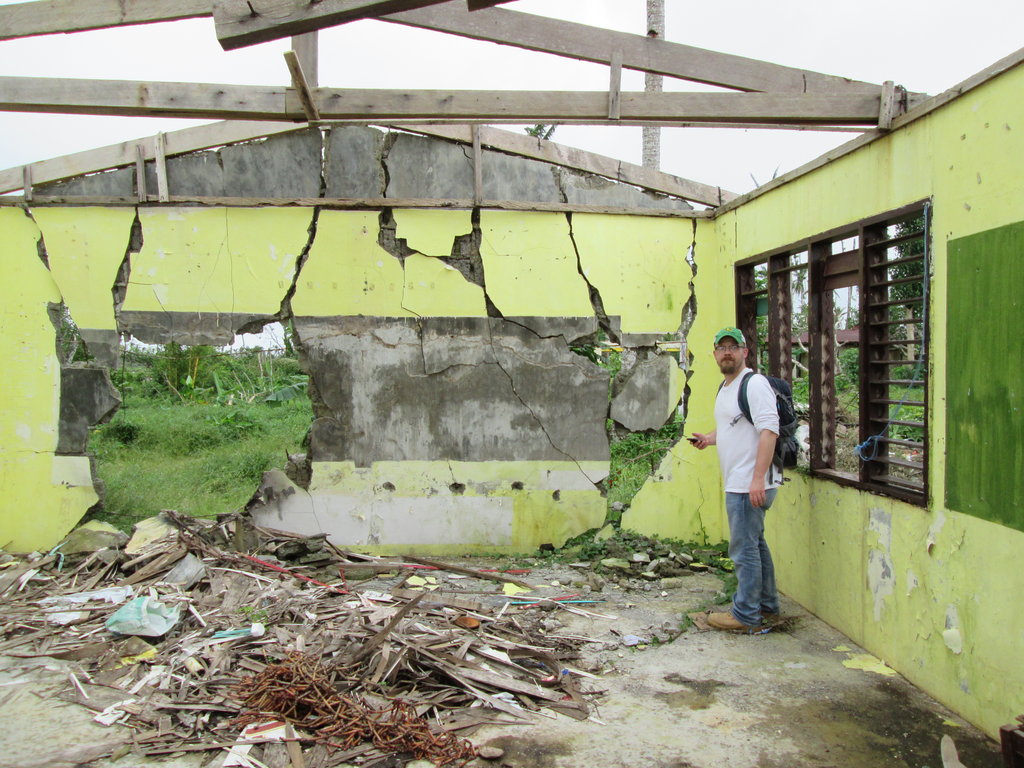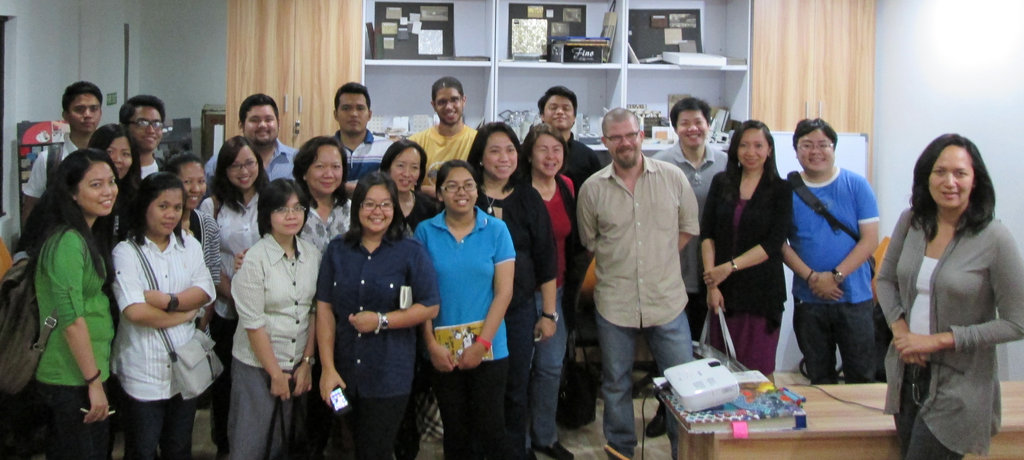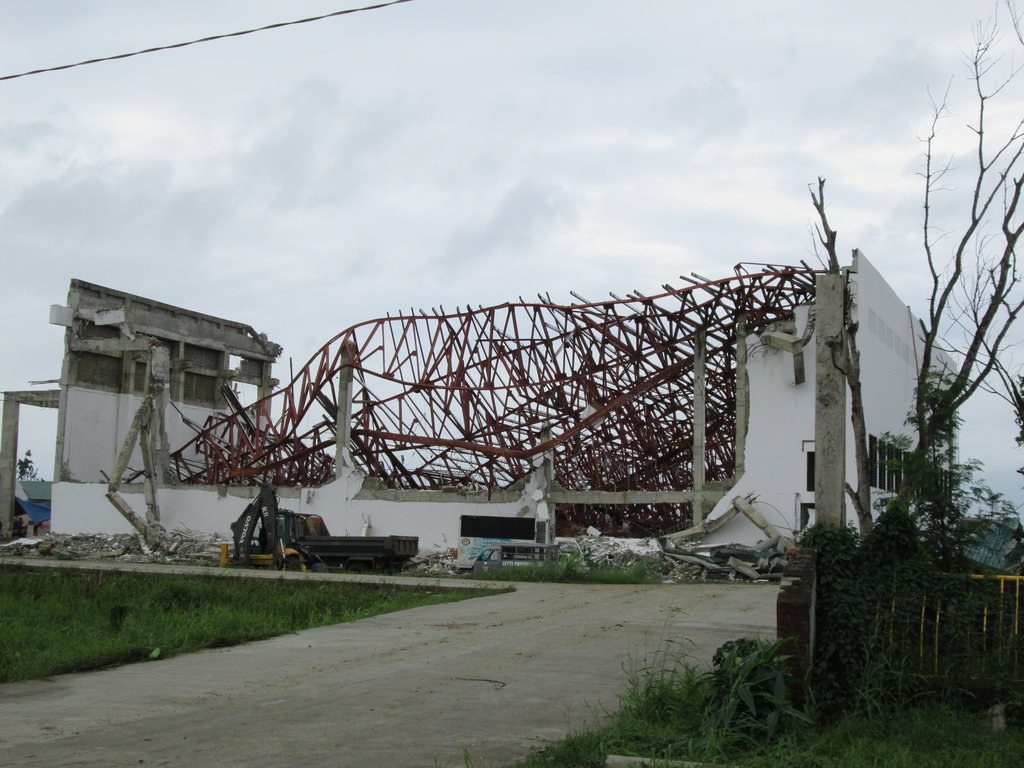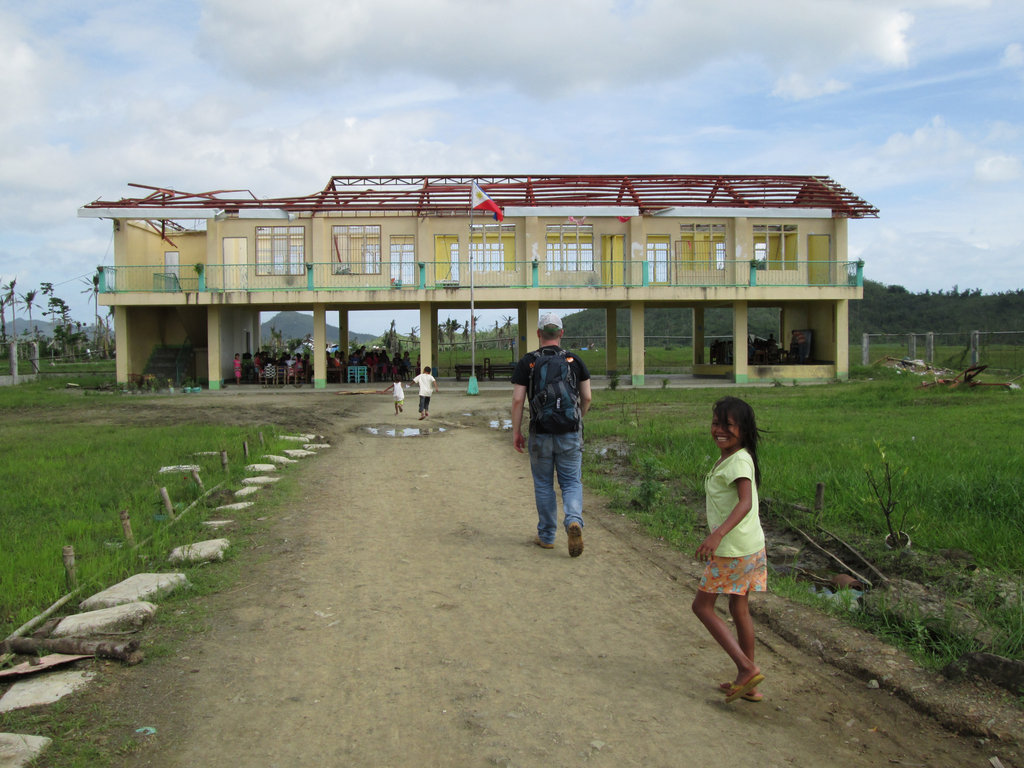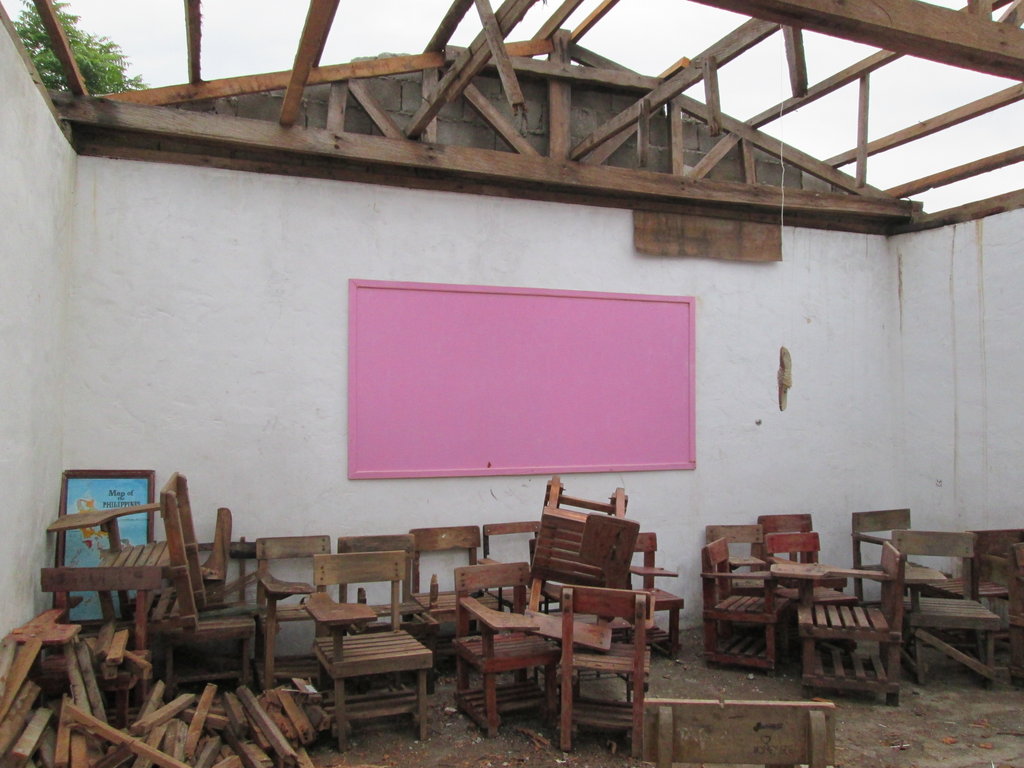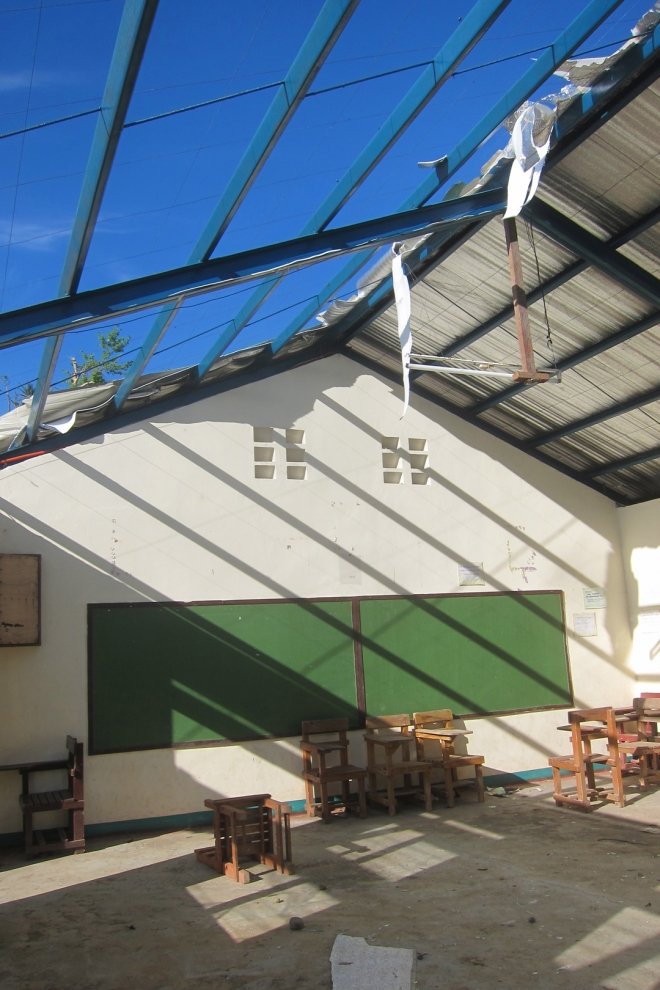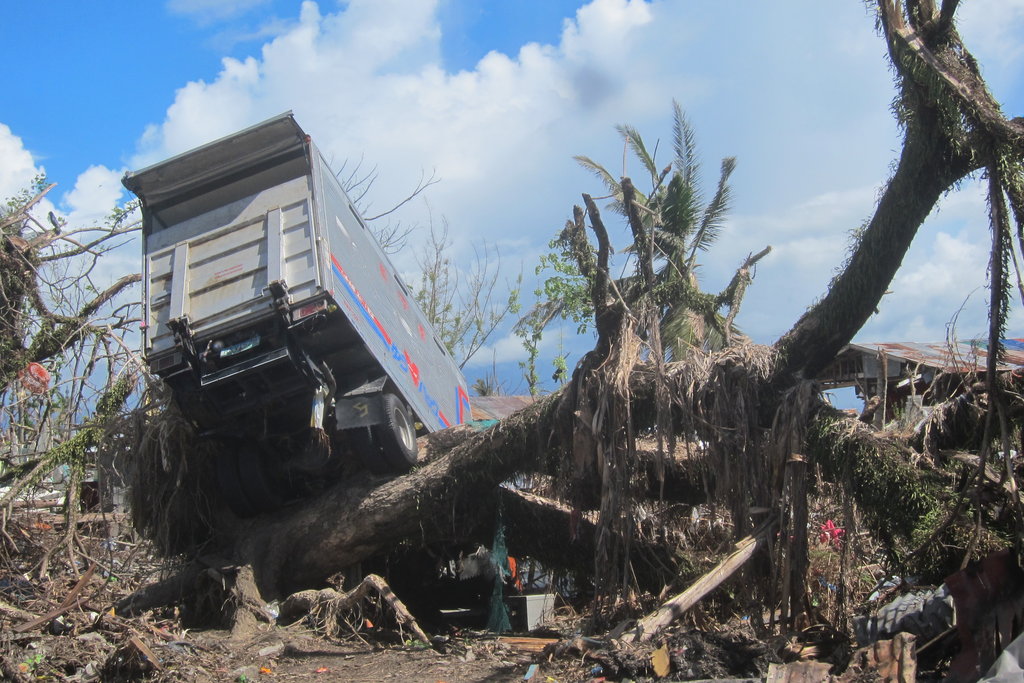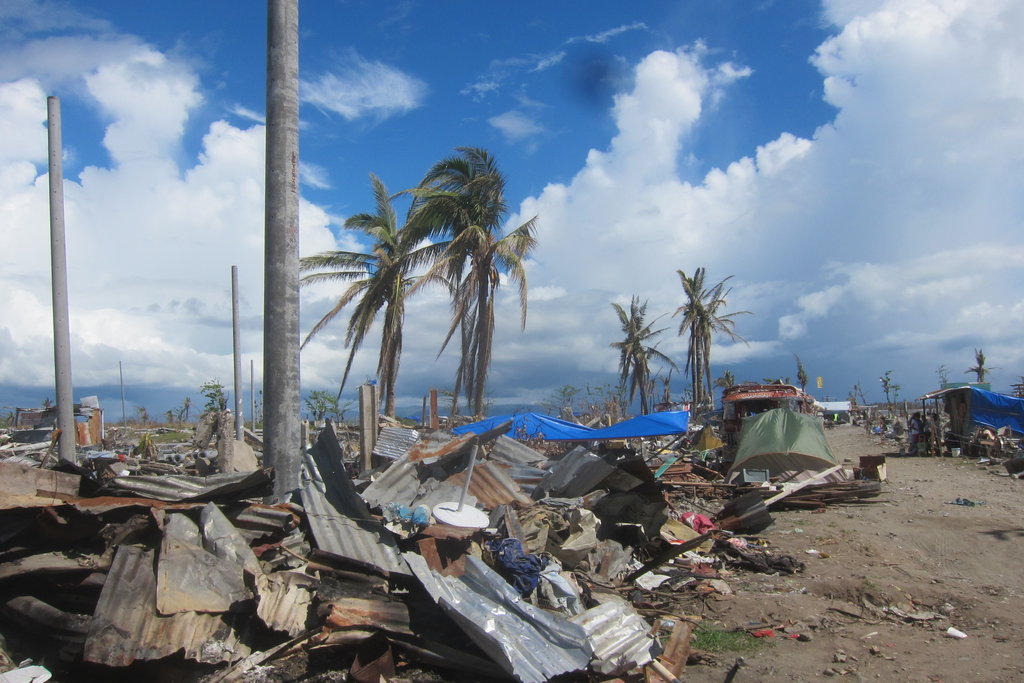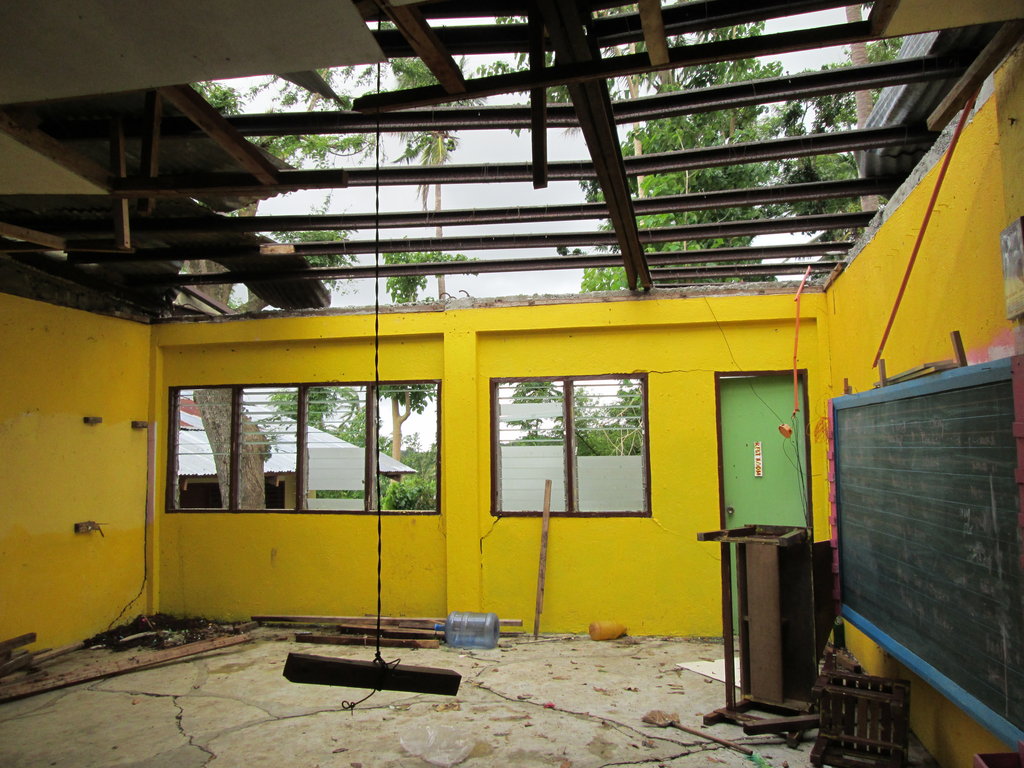
Since the typhoon hit, Architecture for Humanity has been in close communication with our local architects and our Manila Chapter, as well partners within our network to assess the situation. At the moment, the affected areas are still in the 'relief phase' with survivors requiring immediate needs of food, water and shelter. Once this initial response needs have been met, long-term reconstruction will officially begin, but it is imperative to begin the planning process now.
On November 8th, 2013, Super Typhoon Haiyan made landfall in regions in the Philippines. Eighteen million people live in the worst affected regions, and some of the affected areas include those that are still reeling from the impact of a 7.1 magnitude earthquake that hit the area on October 15th, 2013. Telecommunication and electricity remain interrupted. Air and seaports are closed. Access to the affected area is limited due to damaged roads and fallen trees. (source: OCHA)
For 15 years, Architecture for Humanity continues helping communities beyond the relief phase of disaster, we are currently mobilizing to assist in long-term reconstruction. Through speaking with local stakeholders and construction professionals, we are working to begin understanding the on-the-ground situation to prioritize rebuilding needs and help affected regions build back better and stronger.
Architecture and design professionals are critical to providing long-term reconstruction and the means for disaster resiliency. Architecture for Humanity applies an expertise in engaging and empowering the local community in the process of reconstruction, as well as openly sharing design and construction methodologies that can be replicated, and most importantly that can mitigate the impacts of future disasters.