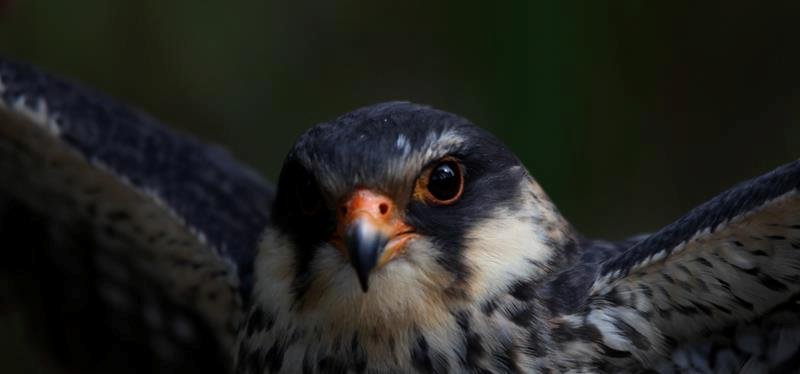
Every year, Amur falcons (Falco amurensis) fly 22,000 km from Siberia to Africa -the longest migration of any raptor. Nagaland in India is their last stop before a 3000 km-long flight across the Indian Ocean. The birds have traditionally been hunted in Nagaland during their roosting period, but last year, reports of mass killings caused consternation across the world. Addressing this issue, WTI's Rapid Action Project (RAP) has initiated activities involving villagers in protecting the falcons.
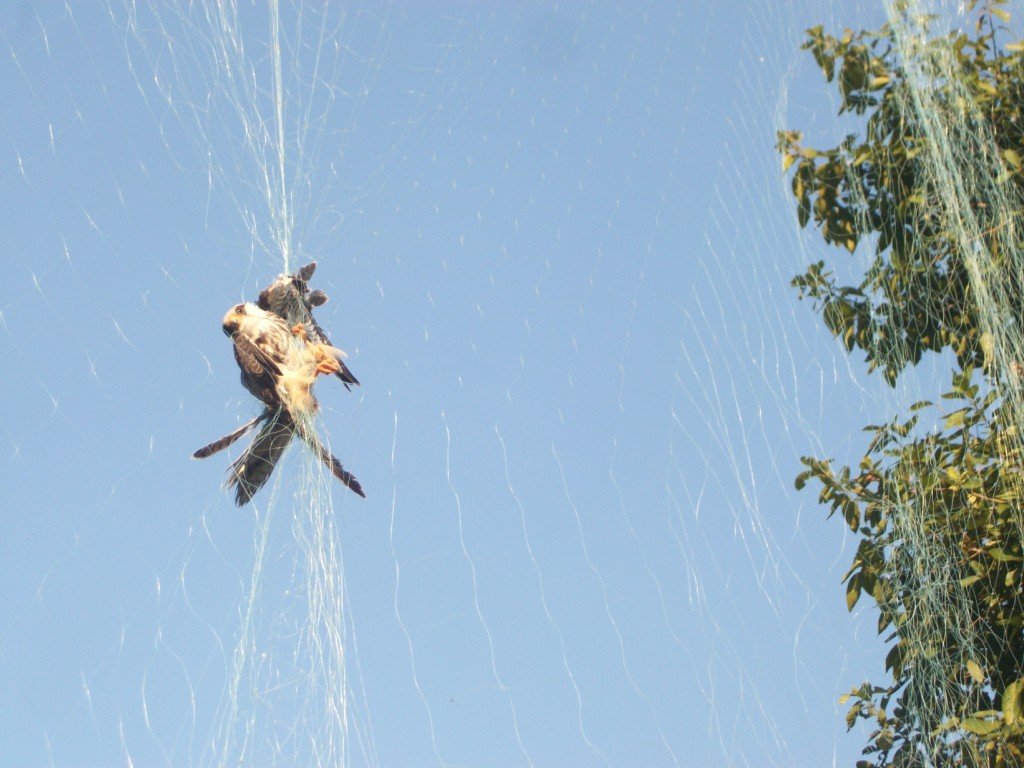
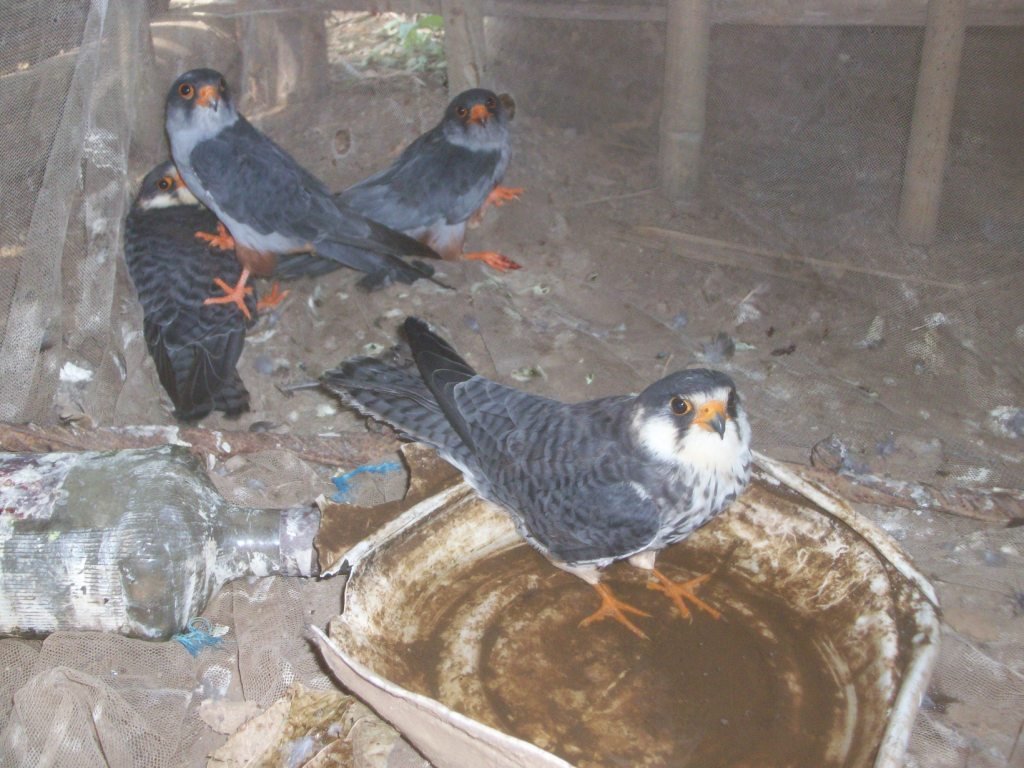
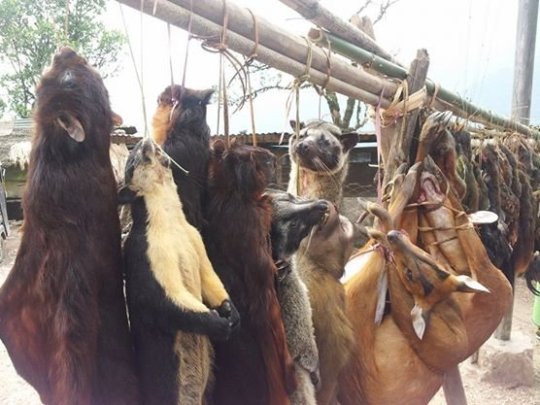
The Doyang Reservoir in Wokha district of Nagaland plays host to hundreds of thousands of Amur falcons in October and November - believed to be the largest congregation of migrating Amur falcons in any one site in the world. But, this area was identified as the major site of hunting with a considerable number being killed every year. Last year, around 60,000 falcons were estimated killed in three villages in Wokha district alone during the migration.
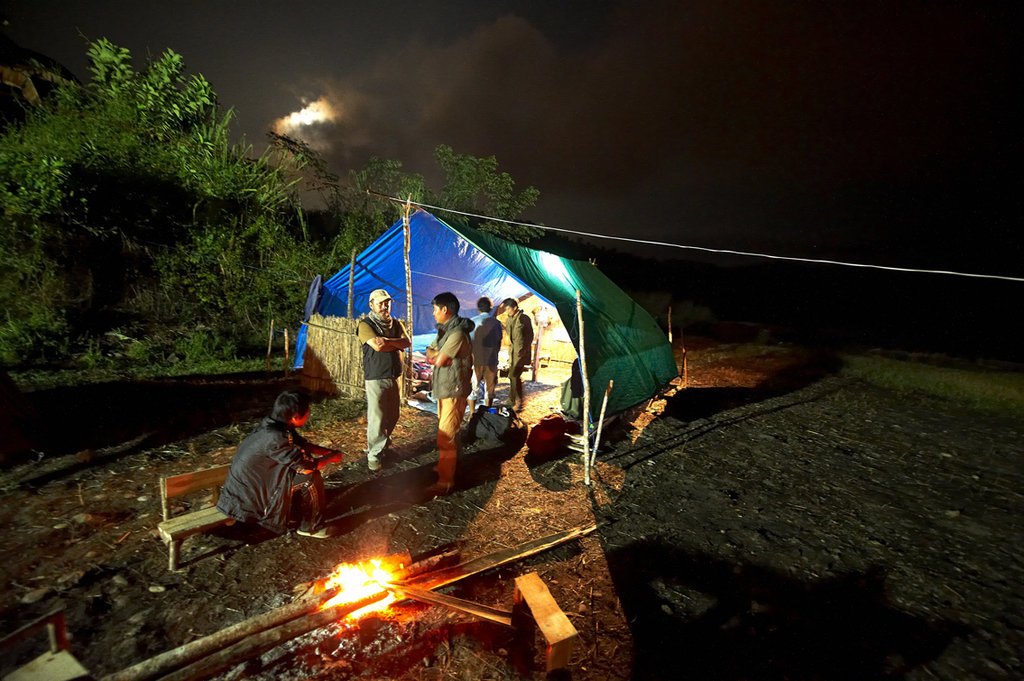
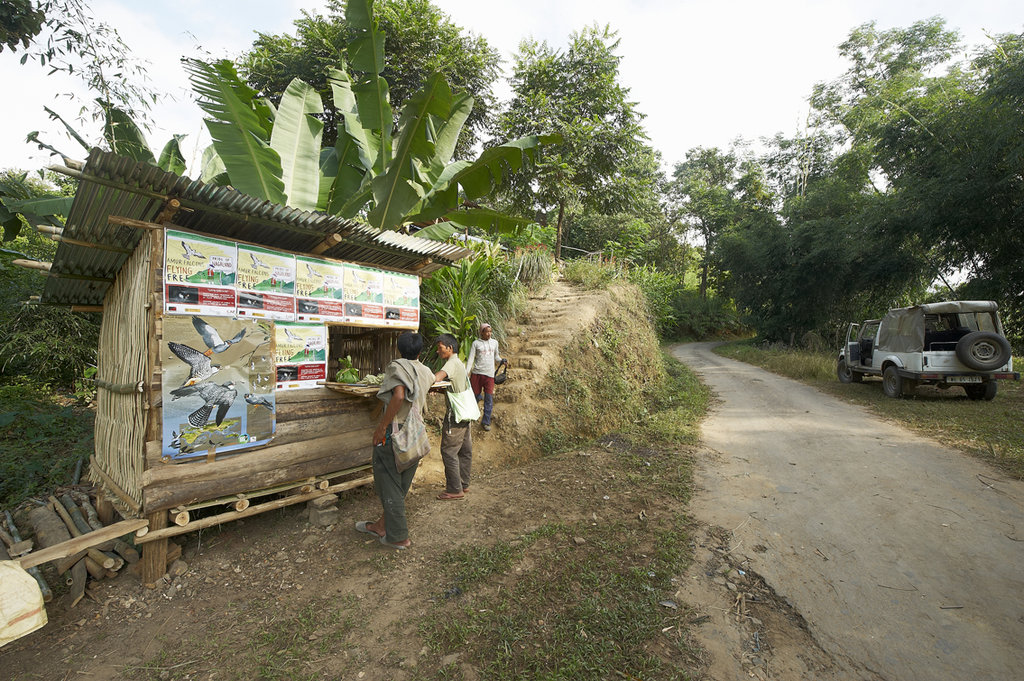
RAP team worked with the village councils of Pangti, Sungro and Ashaa in Wokha to pass a resolution banning falcon hunting. 15 former hunters from these villages were formed into protection squads who are patrolling the reservoir area 24x7. Livelihood support and welfare measures for the villagers have been put in place and awareness campaigns highlighting the importance of northeast India for the Amur falcon are being conducted. Villagers have responded favorably to this multipronged approach.
Sustained campaigning and enforcement of the hunting ban along with livelihood support and welfare measures for the villagers will create an environment conducive to changing the mindset of the villagers - turning them from hunters to protectors, giving the Amur falcons a safe passage through India. Results are already visible as, till the time of posting, no incident of falcon hunting has been reported in areas where the RAP team is active.