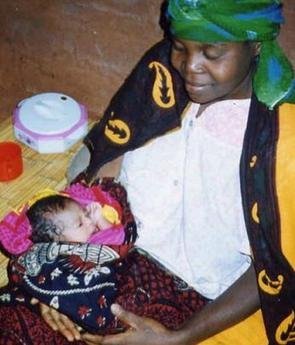
A low-cost, off-patent drug stops postpartum hemorrhage. Thousands of women's lives can be saved by making it available to traditional midwives through local businesses in developing countries.
Each year, over twice as many women die in childbirth as people who died in the 2004 tsunami. 99% of these deaths are in developing countries and hemorrhage is the most common cause worldwide. Bleeding can be controlled in a clinic but we have shown that traditional midwives can use inexpensive misoprostol tablets to save lives in a woman’s home: where most births take place and most maternal deaths occur in the developing world--well beyond reach of hospitals and government health services.
In 2004, we co-sponsored a successful policy meeting with the Kenyan government, at their request. Now we are preparing to work with manufacturers and to help with the regulatory process to make misoprostol available to save women’s lived.
The project is uniquely scalable. Kenya been unable to lower maternal death to meet the U.N.'s 2015 goal of 75% reduction. With this drug, traditional midwives get their first effective technology and see the first major reduction in mortality.
This project has provided additional documentation in a PDF file (projdoc.pdf).