Help Save Elephants in Kenya!

Save elephants Africa

Summary

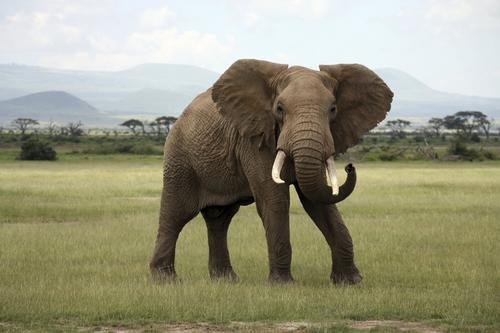
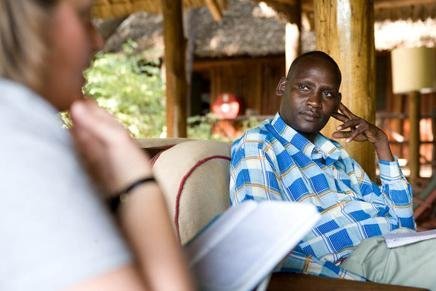
Help Maasai warrior and conservationist Saayio “Titus” Letaapo save elephants in the Rift Valley Province of Kenya. project reportread updates from the field

How Donors Like You Helped

Thanks to donors like you, a total of $3,159 was raised for this project.

Received $3,159 from 72 donations from people like:

More Information About this Project

Project Needs and Beneficiaries

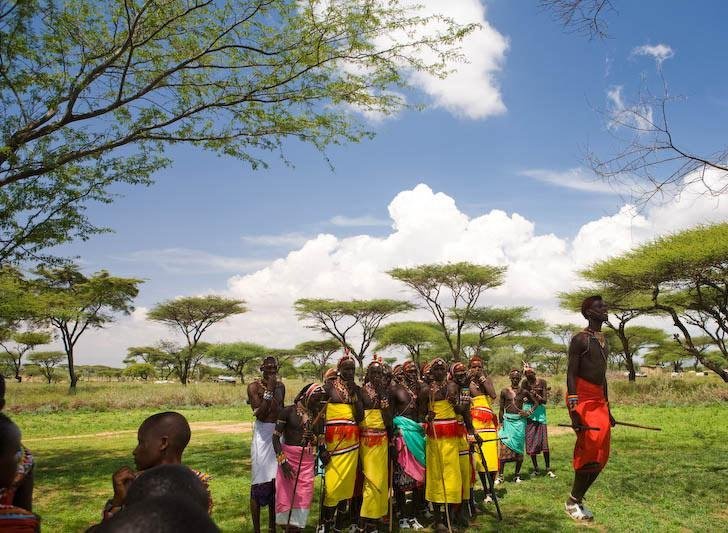
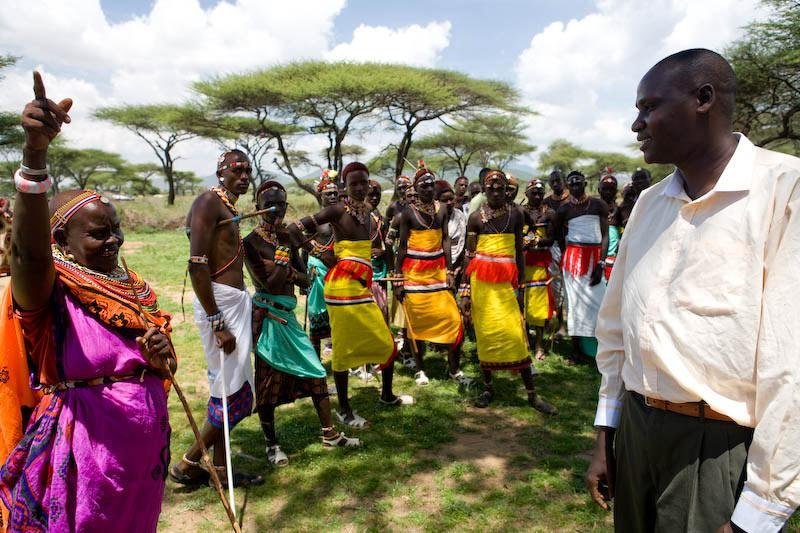
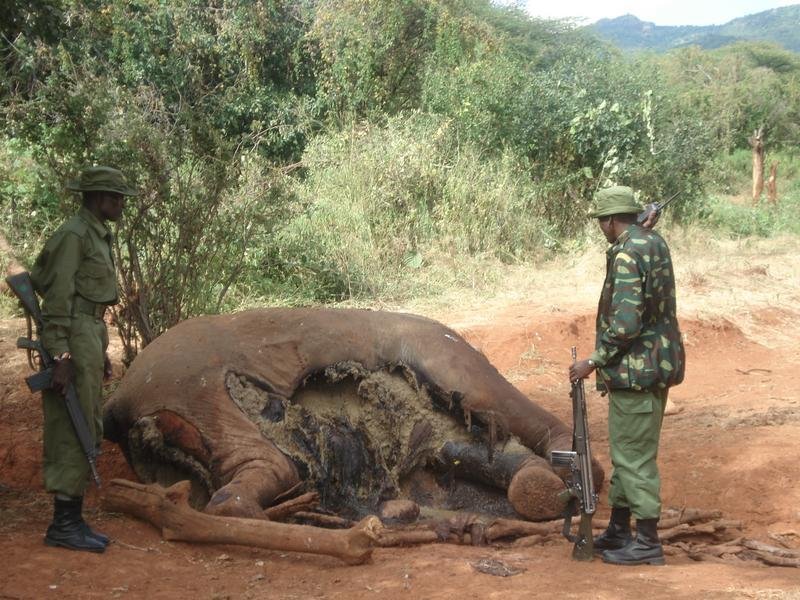
While the Samburu people have traditionally had a good relationship with local wildlife—indeed, they have set aside their own private protected areas to help promote ecotourism—human population growth and loss of habitat have caused an increase in human-wildlife conflicts. Titus (the project leader) needs $10,000 for transportation costs to conduct his community outreach campaign. (In Kenya the savannas are wide and the price of gas is very high.)

Activities

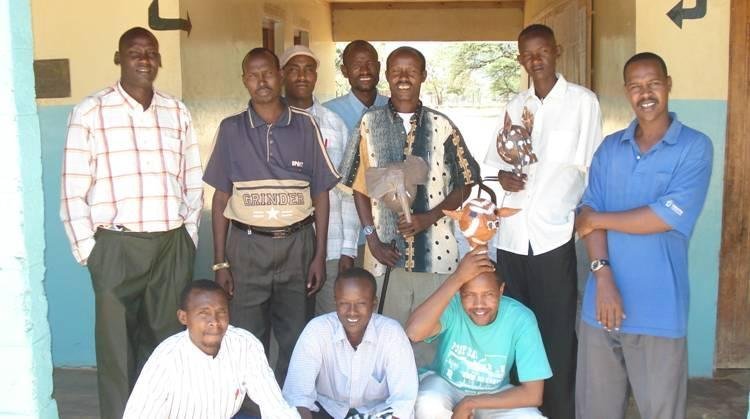
Titus is working with conservation groups Rare, Earthwatch and local partner Namunyak Wildlife Conservation Trust to train local people in ways to protect their crops and water supplies from elephants. Community visits are absolutely vital.

Funding Information

Total Funding Received to Date: $3,159

Funding Information

This project is now in implementation and no longer available for funding. Received funds will be used to accomplish concrete objectives as indicated in the project's "Activities" section. Updates will be posted under the "Project Report" tab as they become available.

Donors' contributions and pledges to this project totaled $3,159 .  The original project funding goal was $10,000.

Additional Documentation

This project has provided additional documentation in a PDF file (projdoc.pdf).

Resources

Why this Project is Important

Potential Long Term Impact

The campaign will help grow a culture of conservation in the region and foster the constituencies necessary for creating policy changes, legislative reform, and greater enforcement of protective laws

Project Message

“In an original manner, Rare attends to conservation where it has ultimately the most lasting effect, through education tuned to the culture and needs of local people.”
- E.O. Wilson, Conservation leader, scientist, author

Who is Running This Project

Contact

Megan Hill
Senior Director, Pride
1840 Wilson Blvd
Suite 204
Arlington, VA 22201
United States
703.522.5070
Email:

Project Sponsor

RARE

Organization

Rare
1840 Wilson Blvd Suite 204
Arlington, VA 22201
United States
703-522-5070
http://www.rareconservation.org

Where this Project is Located

Country

This project is located in KenyaKenya and can also be found under EnvironmentEnvironment.

For more information about Kenya, read the Human Development Report on Kenya or the Wikipedia entry for Kenya.

When this Project was Updated

Last Updated

This project was last updated on November 6, 2009.

Date Added to GlobalGiving

This project was added to the GlobalGiving project catalog on March 5, 2007

Latest Update from the Field

Update on Campaign Activities

By Titus - Pride Campaign Manager, April 25, 2008 05:15 PM

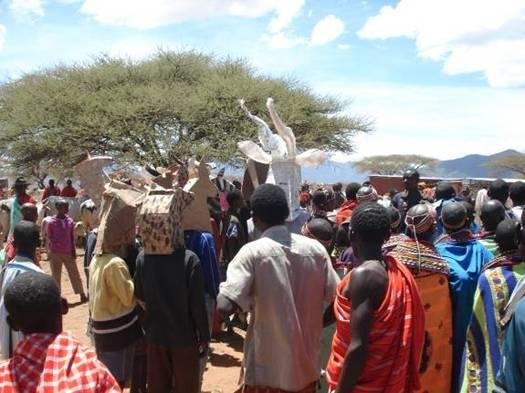
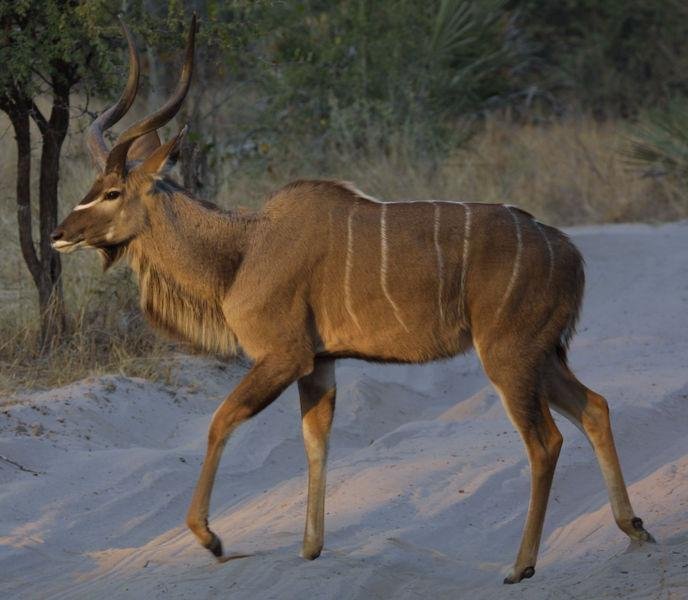
2 community meetings were held this month. During the meetings the community members especially the village committee were used to create more awareness to the community. The committee of every village was allowed 20 minutes to talk about the greater kudu and threats affecting them. They also informed the community on the values of wildlife and the general environment. It was encouraging to see the committee members training their own people.

The Millimani women group was a role model to all the communities within Namunyak and beyond. Through the alternative livelihood training and the support given the group was able to increase their income from 0.62 USD they use to get per day through the sale of charcoal to 3.08 USD they get from the sale of vegetable.

Forest fires also reduced from 14 (fourteen) incidents reported in 2006 to 1 (one) incident in 2007. This is attributed to the wild honey harvesting training and the introduction of alternative livelihood to charcoal burners.

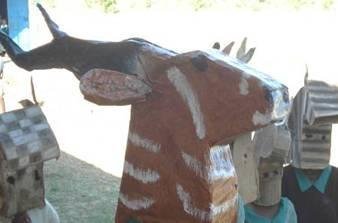
In February, we visited 3 schools. The school kids wearing greater kudu costumes visited the famous Wamba Hospital and entertained the patients with wildlife songs. They also gave patients milk, sweets, boiled maize combs from the Millimani women group shamba and donated a goat to the destitute children home.

The campaigns activities are still being implemented well. The community awareness level towards the environment and the flagship species is going up. The Namunyak community will have a very big positive mark towards the local wildlife after the campaign.

I would like to acknowledge the support of my board of trustees. Not forgetting the participation of teachers, pupils and parents who participated in the months activities.

Read 2 more "Updates from the Field" Subscribe to Email Update Subscribe to "Updates from the Field" by E-Mail Subscribe to RSS Subscribe to RSS Feed

Was this report valuable...
vote divider
Loading...
Tell us why (your comments may be shared publicly).
Rules for Comments 
Comments