Malagasy Community Reforestation Institute
|
Endangered Forests-Endangered Communities
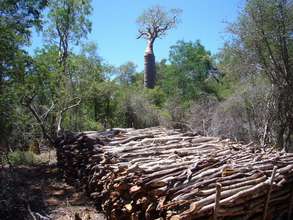
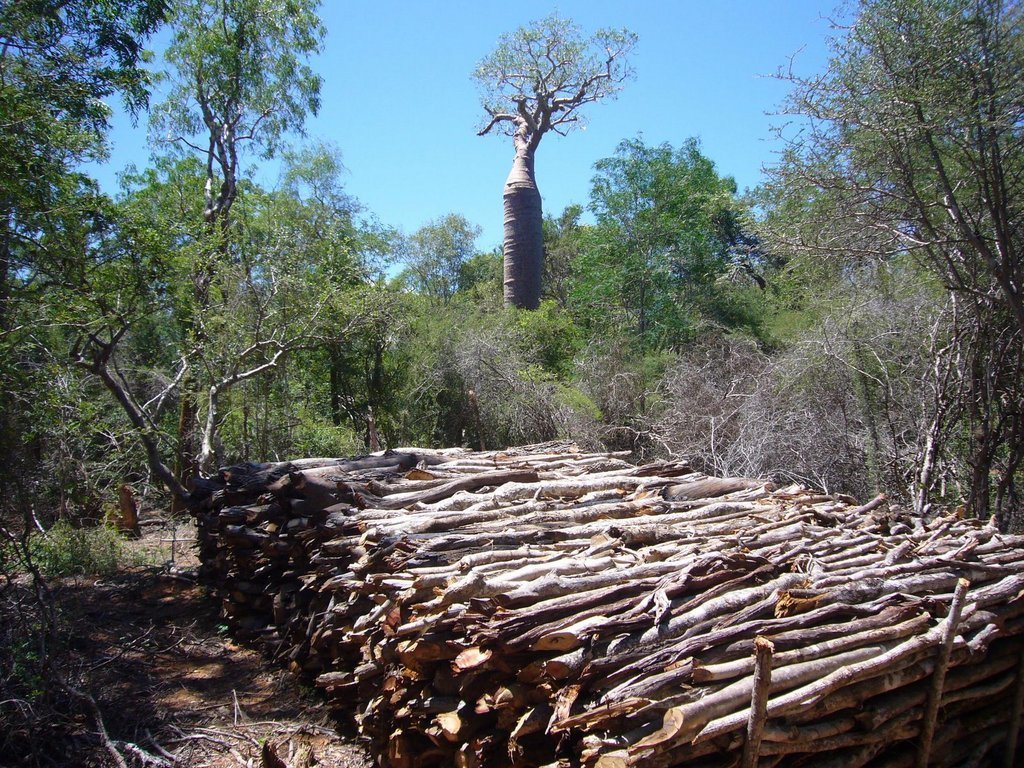
Loss of forest is creating a drought in S. Madagascar that threatens the lives of 250,000 Malagasy children (see link in Project Resources) and the loss of unique biological diversity. Unfortunately, in SW Madagascar, deforestation to make charcoal is one of the few ways to earn a living and is why creating a Reforestation Institute to educate people about planting food, medicinal and other valuable trees is the primary focus of our initiative.
|
FIMPAHARA
FIMPAHARA is an acronym which means, 'the association that plants trees' and is the name of our Malagasy counterpart. After learning about New Latitudes project interests, we were invited to create a nursery and nationally recognized forest sanctuary adjacent to their village. Because they are 100% dependent on their forest resources they are extremely interested in long term protection and innovate was of expanding the nursery and forest sanctuary.
|
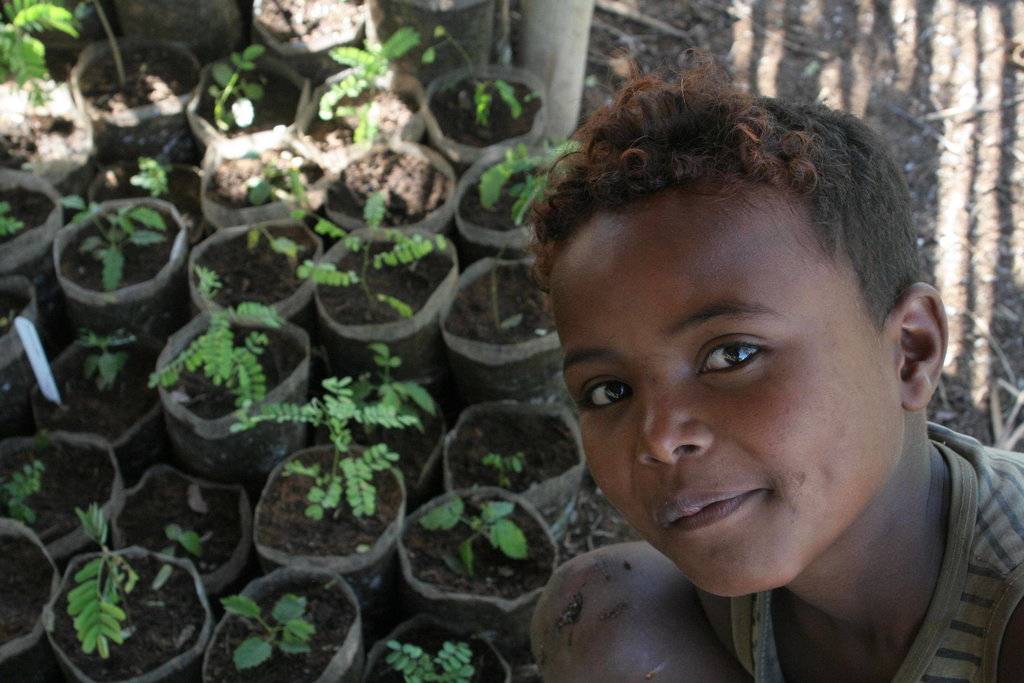
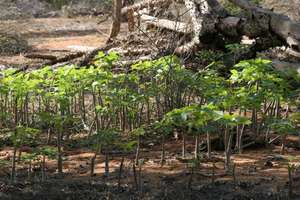
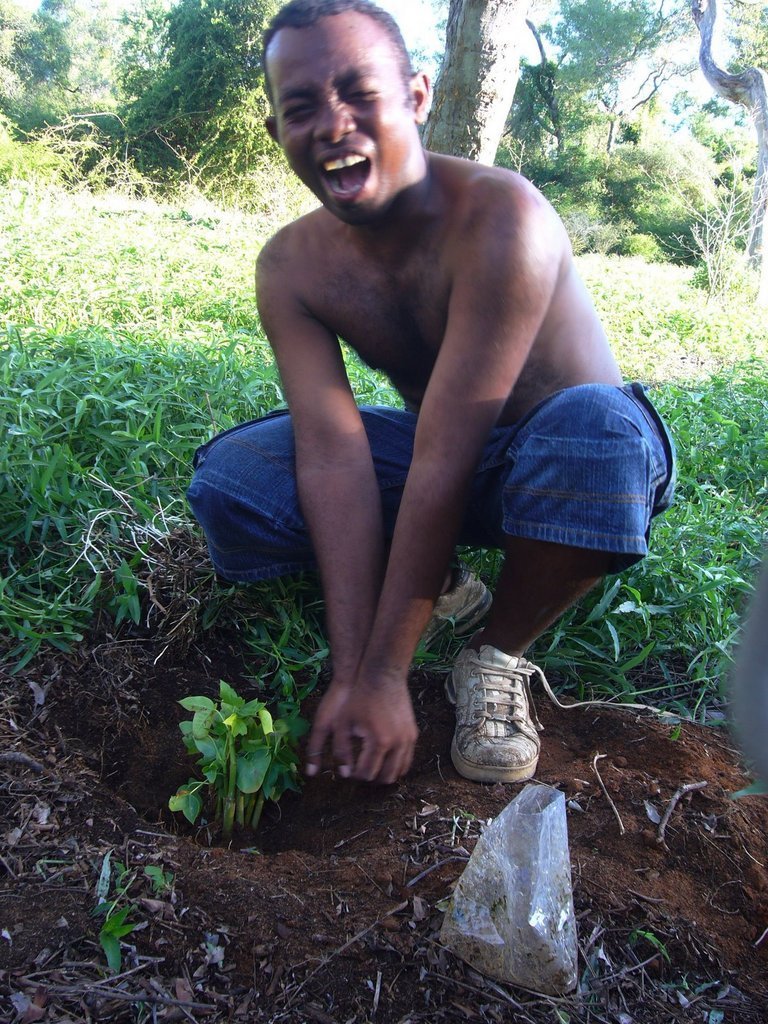
Jatropha Nusery
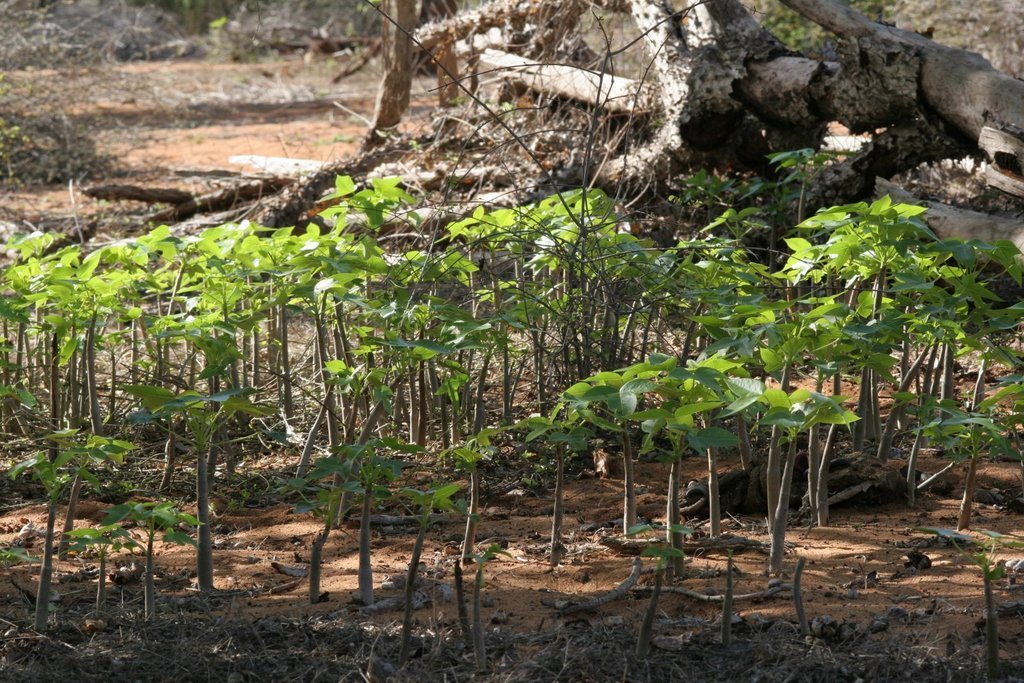
Outreach and education programs are primarily based on planting multi-purpose native tree species. This native species of Jatropha can grow 20x in 3 months and can be used for everything from producing soap (for sanitation/to be sold on local markers) and biofules by pressing the seeds; to controlling erosion and providing shade for other seedling in the nursery. This is truly a miracle plant!
|
Food Security
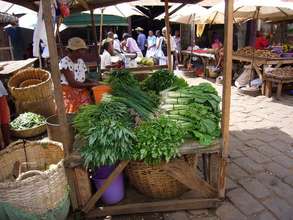
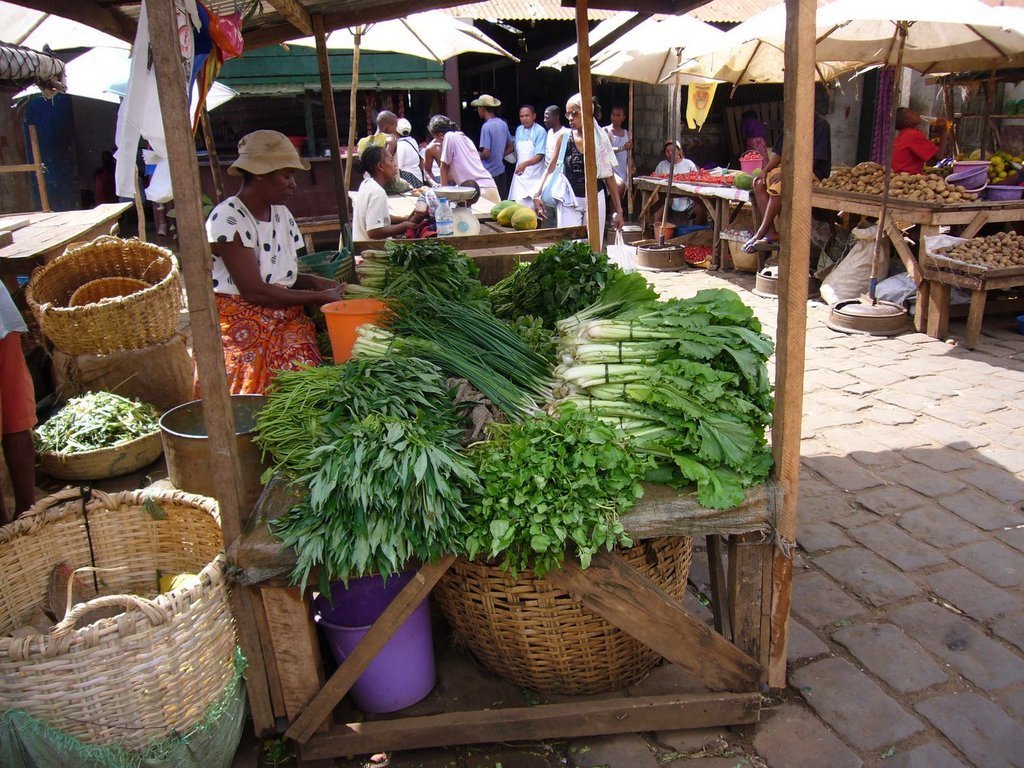
Abundances of vegetable are produced using novel composting/mulching and efficient drip irrigation methods. Surplus food is consumed locally (improving the local diet) and is sold at local markets, improving the economy and nutrition sources especially for women and children.
|
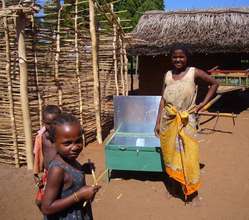
First Solar Oven
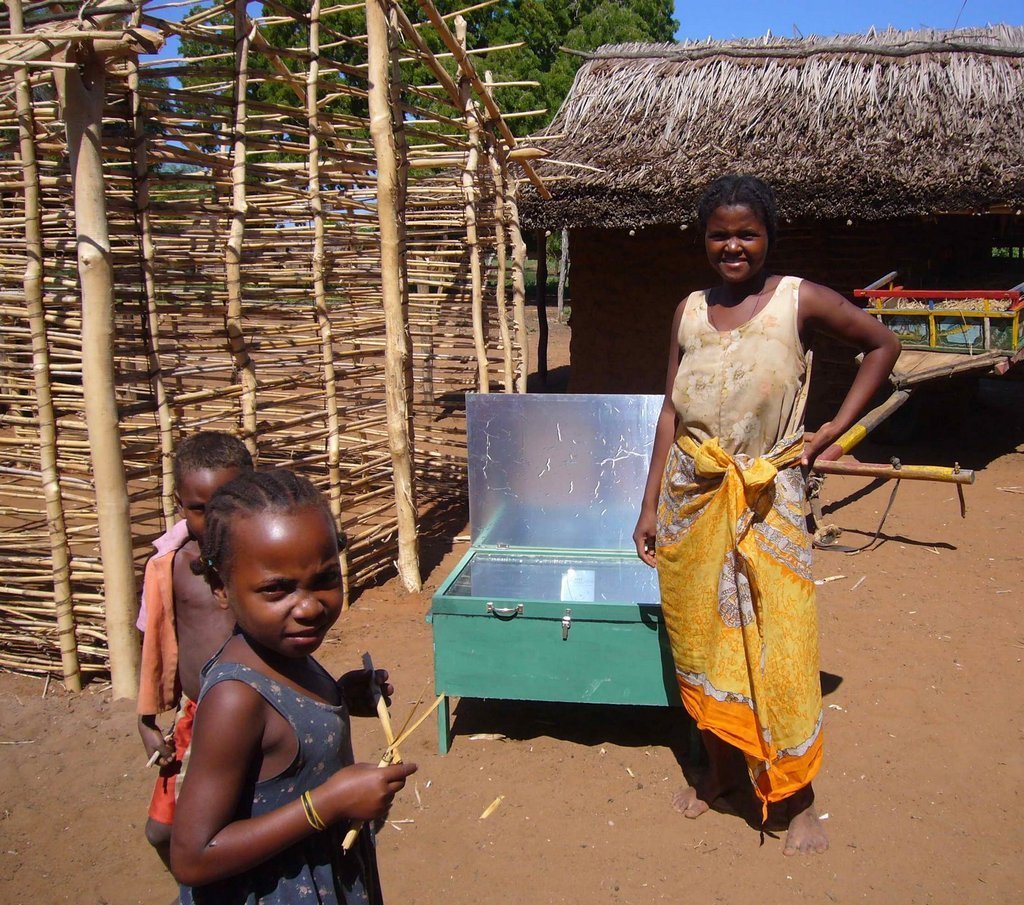
This is the first solar oven brought to the village of Ranobe (the site of the Reforestation Institute). Using solar cookers improves the lives of village women and children by reducing the amount of smoke being inhaled from burning charcoal. In addition, these solar ovens greatly reduce the need to cut down trees for producing charcoal, thus conserving the valuable forest resources.
|
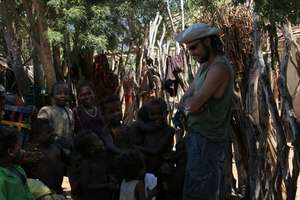
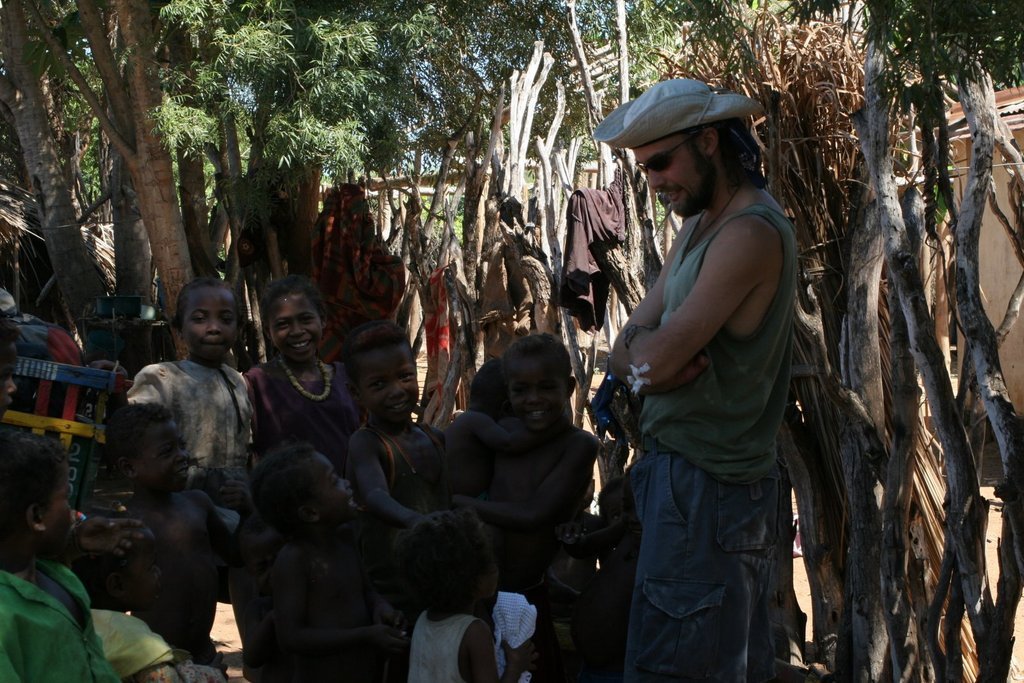
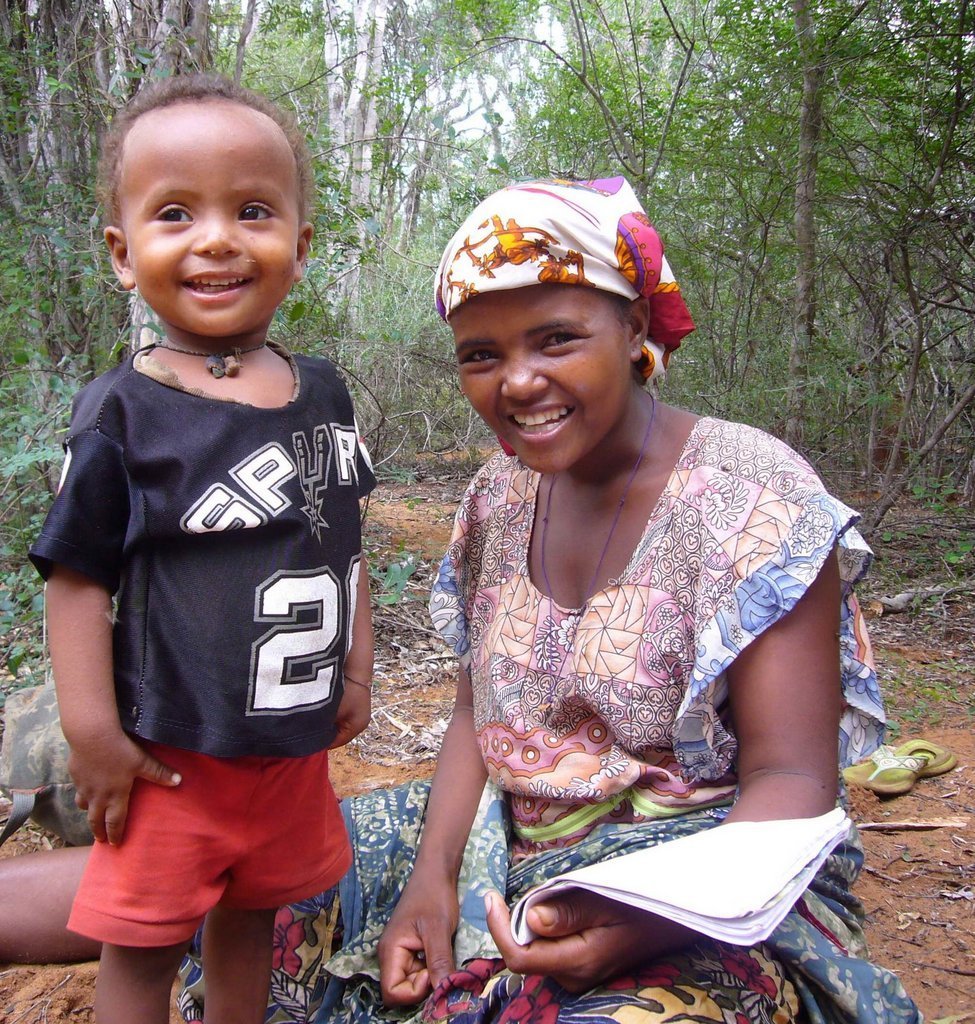
Crosscultural Interations
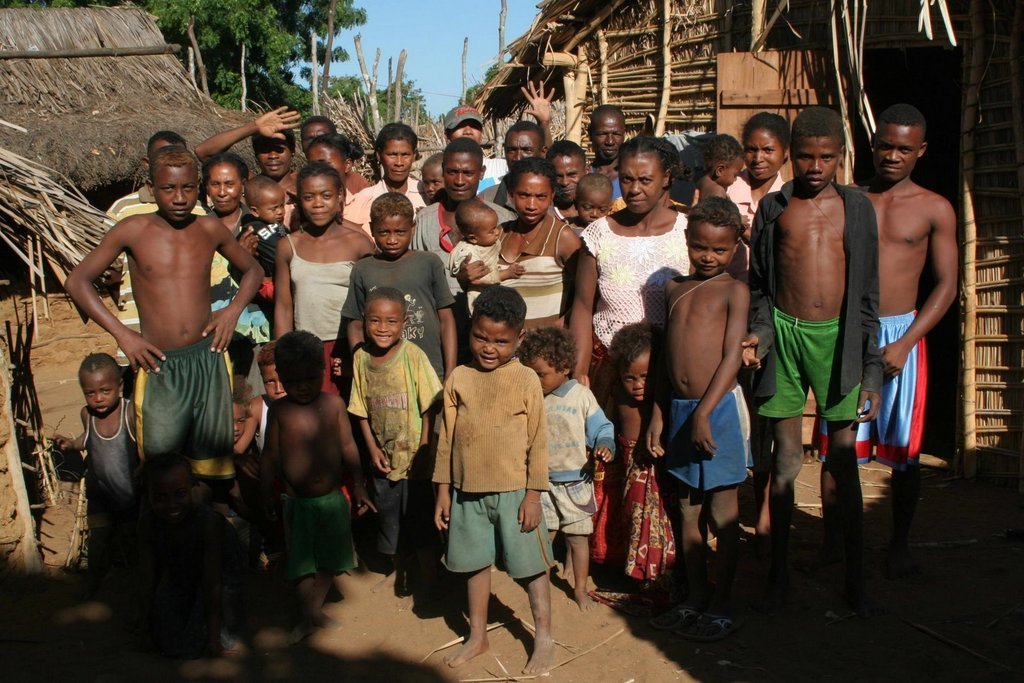
Degradation of the worlds most unique forests only happens when there is no better alternative for local people. Multi-generational educational initiatives are at the core of New Latitude's activities and have been accepted by more then a hundred villagers and numerous university students in SW Madagascar; and will ultimately reach up to 5,000 people over the next 2 years.
|
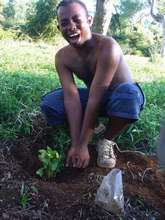
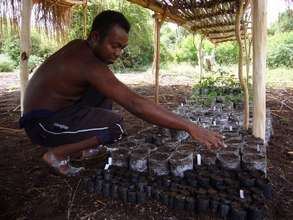
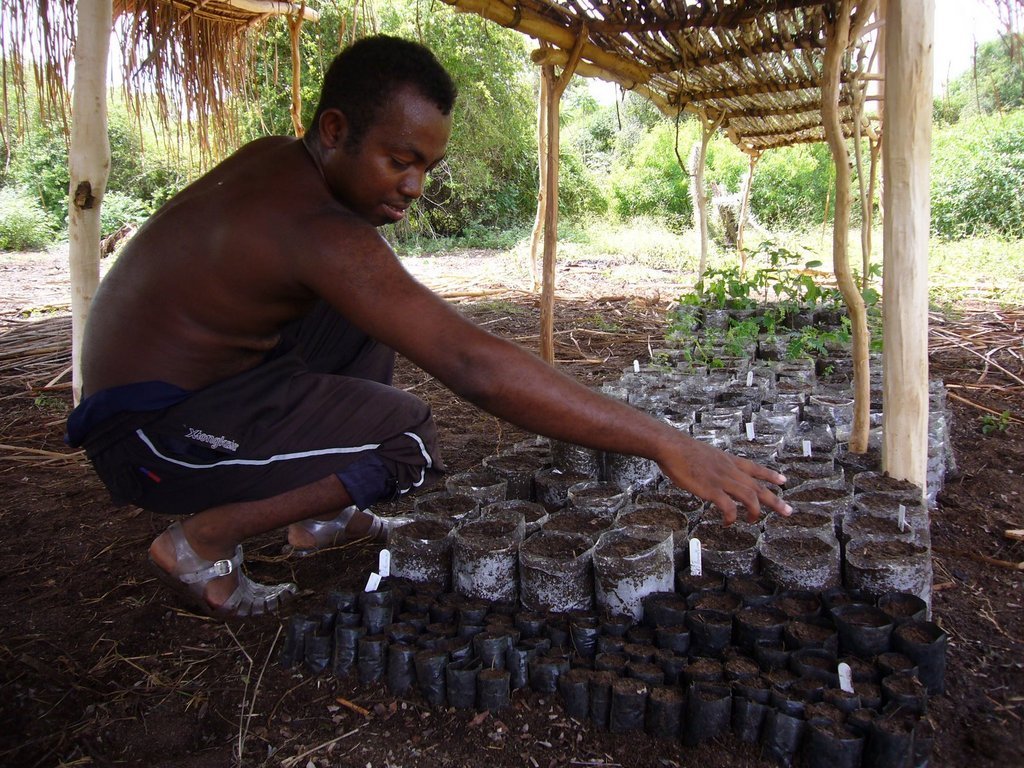
Malagasy masters student enjoys the nursery
Claude Manarina (seen here) very cheerfully working in the nursery, recently completed his masters thesis, investigating how the Spiny Forest regenerates after it has been cut down. This is an original study and a publication is being prepared for the international journal, Madagascar Conservation and Development. Way to go Claude!!!
|
Measuring Forest Regeneration
Claude (seen here) is counting and measuring plants in the FIMPAHARA nursery as part of his masters thesis. This information has never been collected before and is vital for understanding if/how the forest in SW Madagascar regenerates after disturbance. This original study is of global significance, and has dispelled the myth that the Spiny Forest does not regenerate, but in fact is an extremely resilient forest.
|
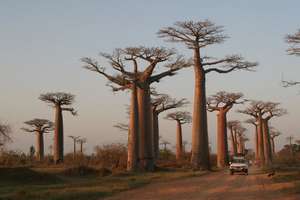
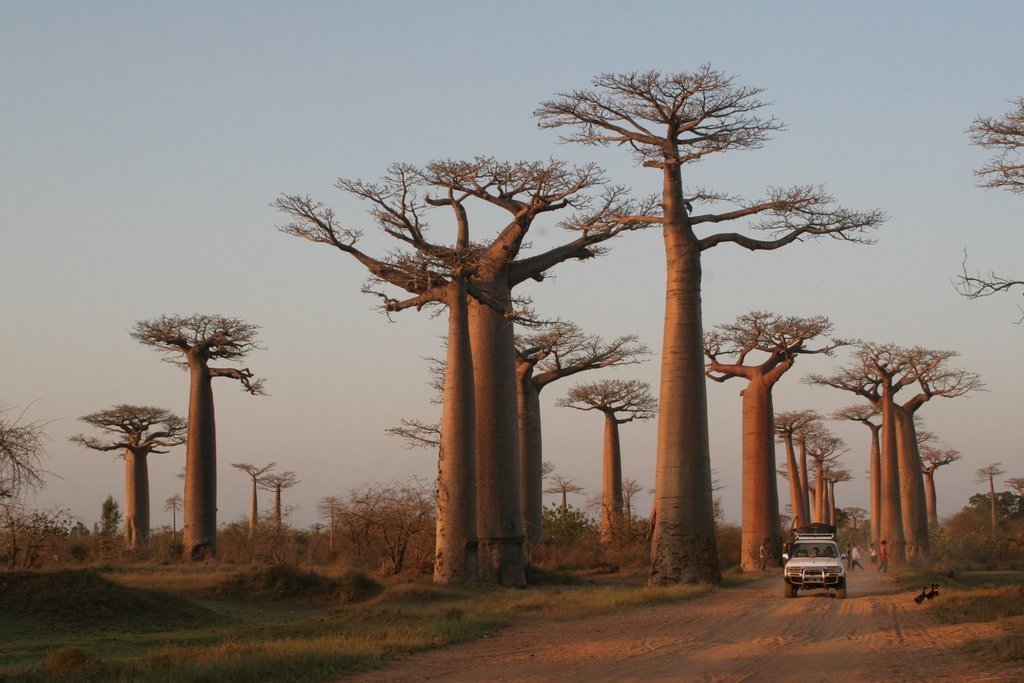
Majestic Baobab Forest
Lack of alternative job opportunities fuels the loss of spectacular baobab forests in south and western Madagascar. However these affects are avoidable by creating grassroots environmental education opportunities, jobs to plant back the forest, and creating systems to improve the availability of food, clean water and renewable energy sources.
|
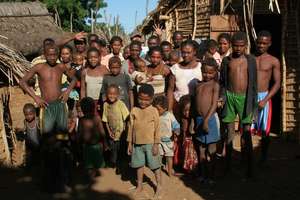
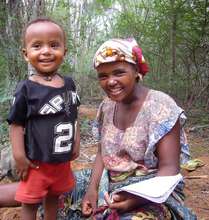
Grassroots Outreach
Long-term education and access to innovative livelihoods is the only chance to protect the integrity of SW Madagascar's unique forests and the people living and depending on them for survival. Given the chance these people thrive at community based action, adopting new ideas and safeguarding their resources which they are completely dependent on for survival.
|