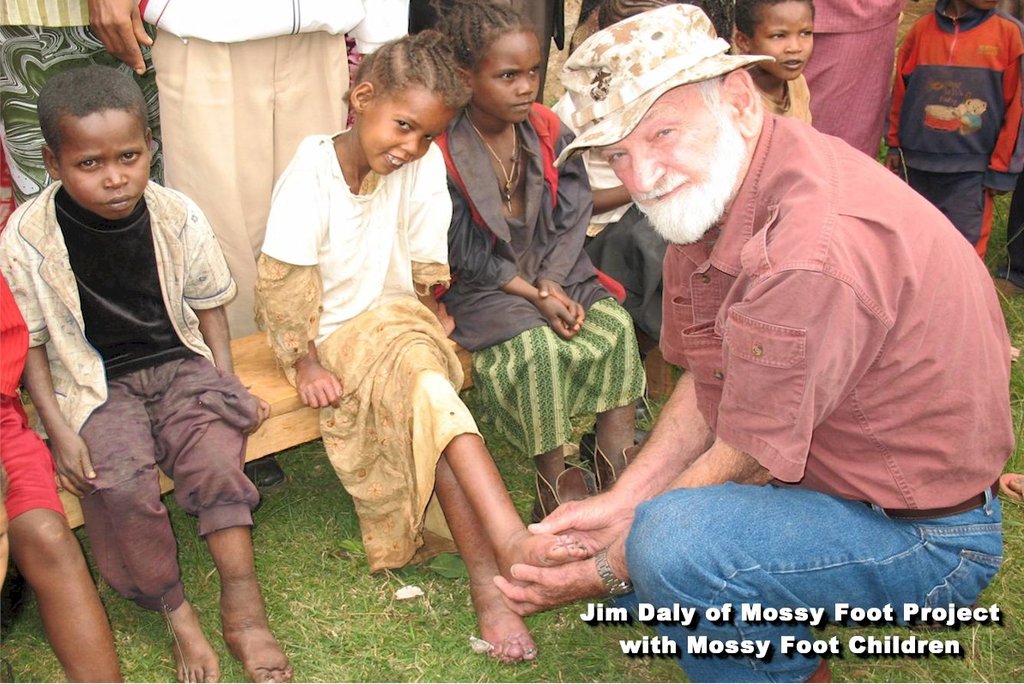
Mossy foot is a debilitating condition affecting the feet of subsistance farmers and their families in rural Ethiopia and other African countries. It causes horrific physical, social, and economic suffering. Mossy foot is truly a disease of the poor that can be treated and prevented easily. Mossy Foot Project provides mossy foot patients with life changing resources through various programs of medical intervention, prevention and shoe distribution, and education and vocational training.
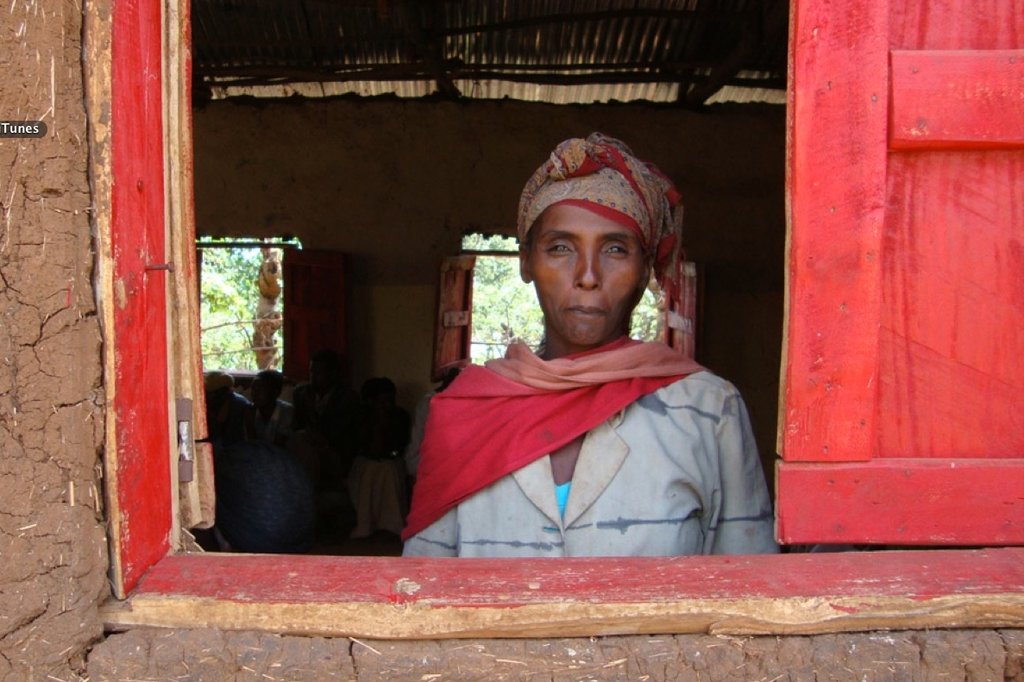
Mossy Foot patients and their families are often subsistence farmers who work in the fields barefoot in direct contact with volcanic soil. Tiny silicon particles in the soil penetrate the skin, causing obstruction of the lymphatic system and inflammation. The affected feet swell and develop mossy bumps and large keloids. The swelling and deformity of the feet and legs can become so severe that patients must abandon farming, becoming beggars and social outcasts.
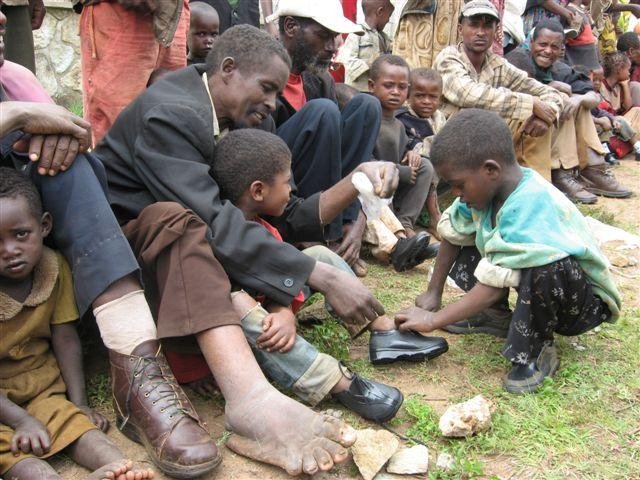
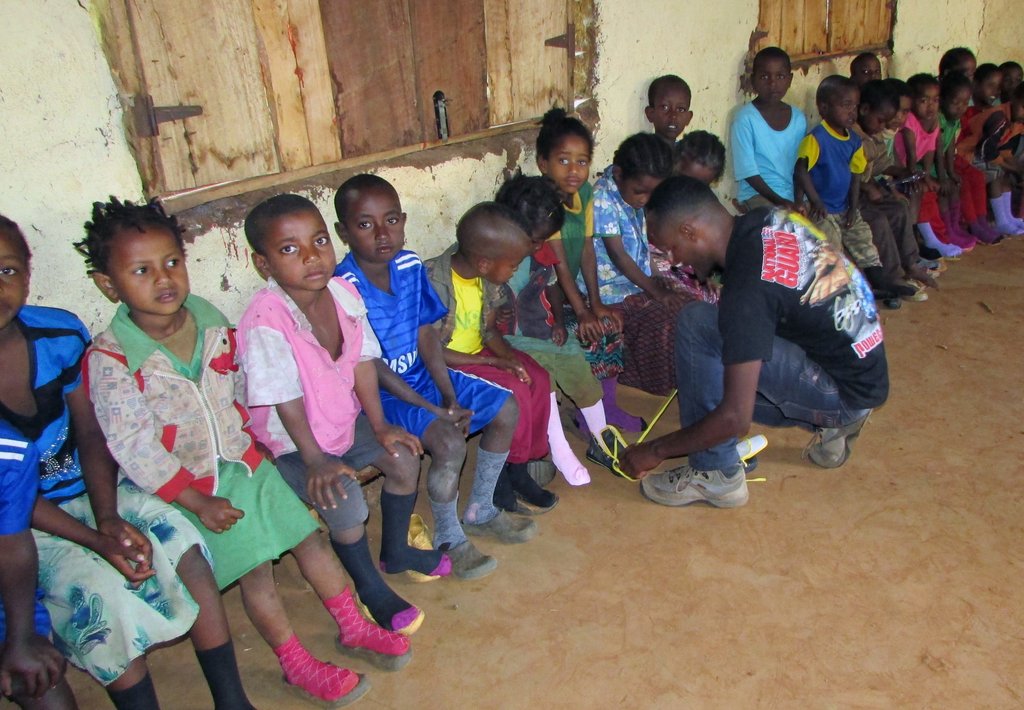
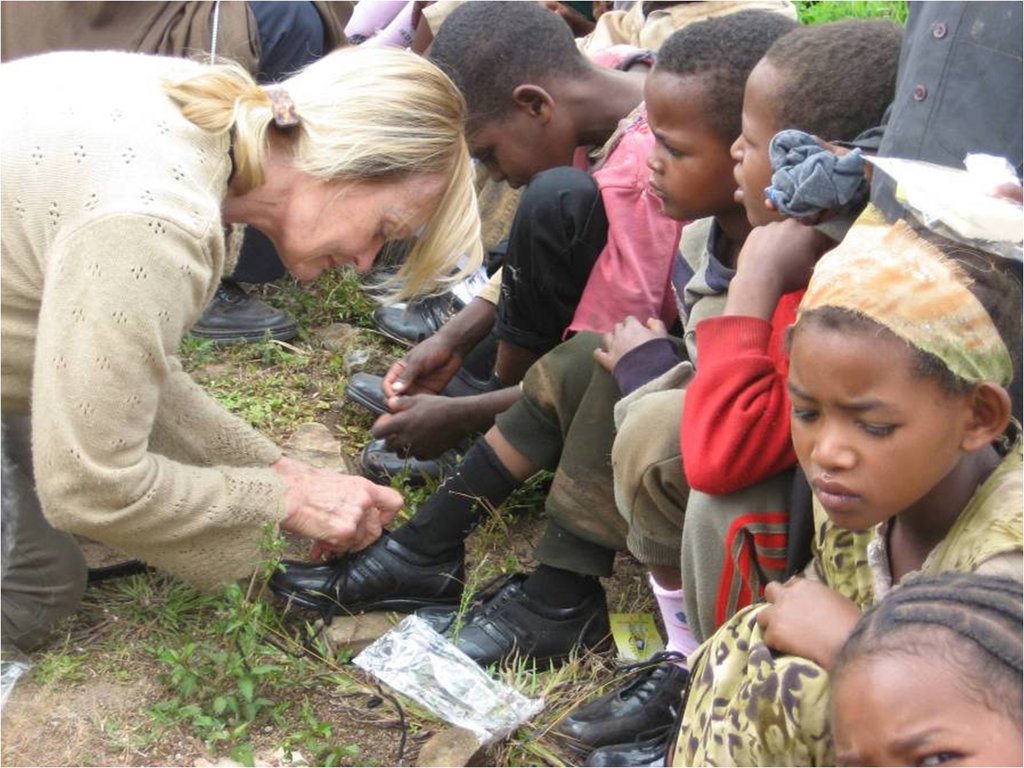
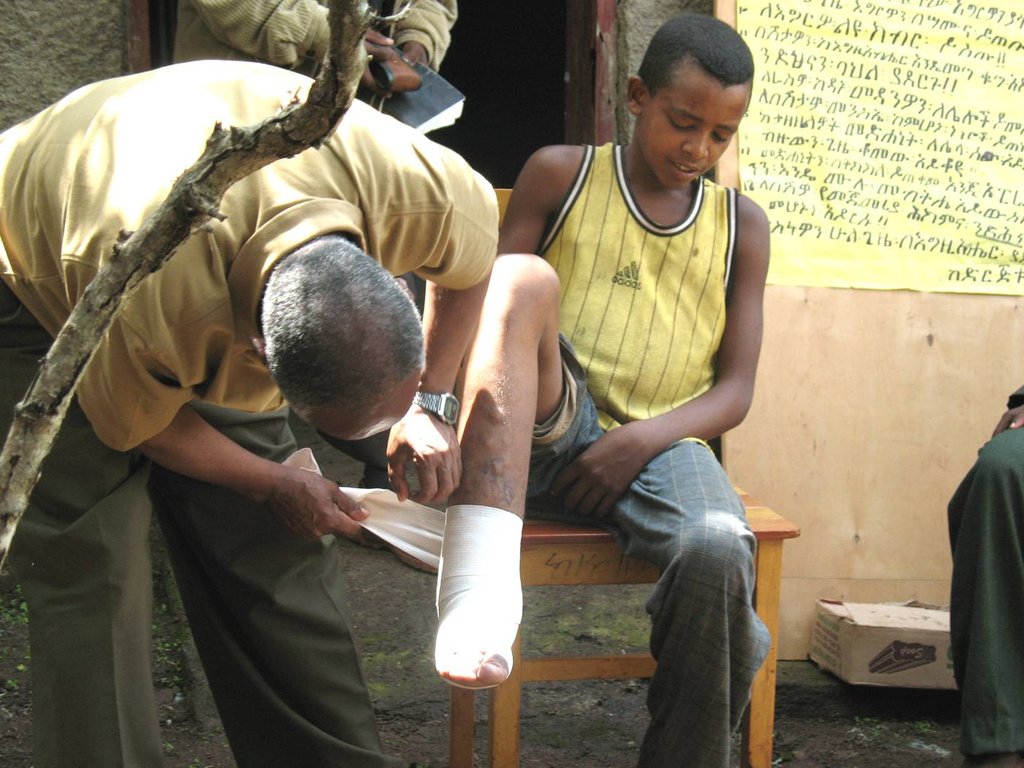
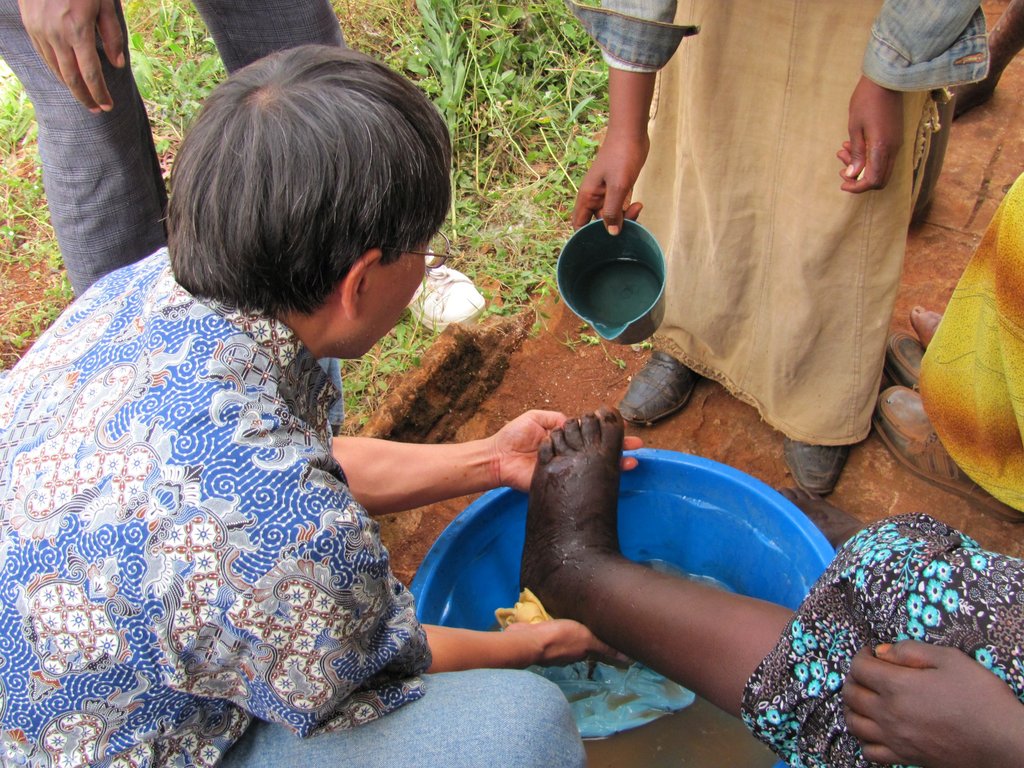
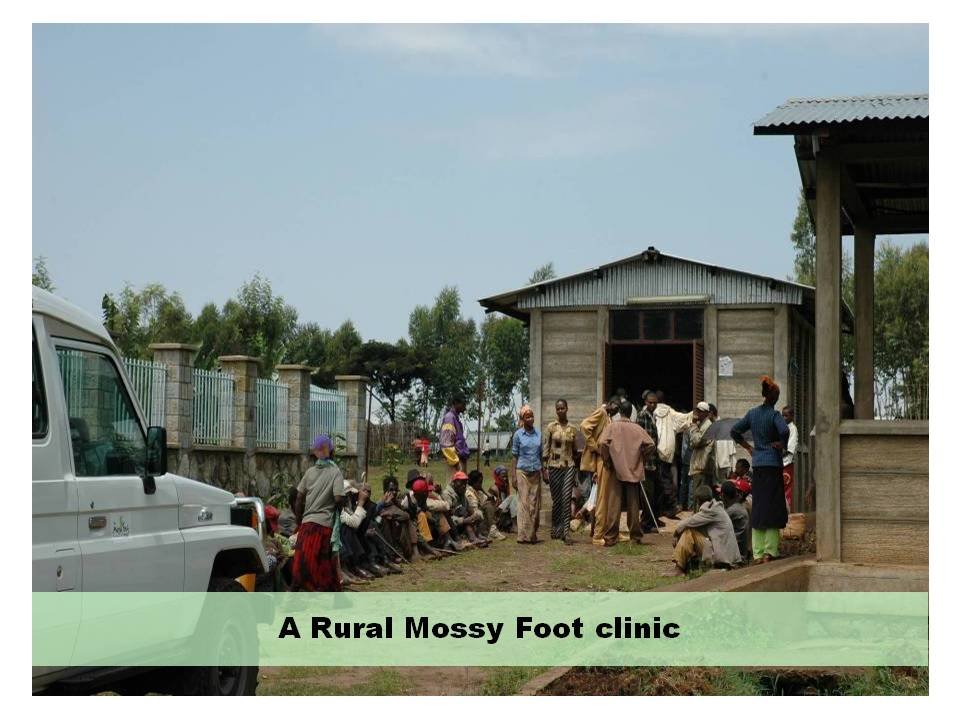
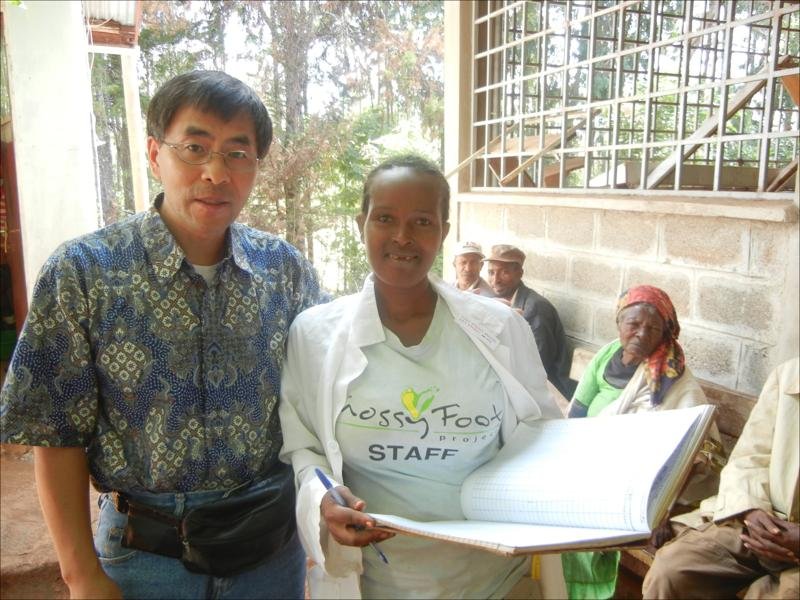
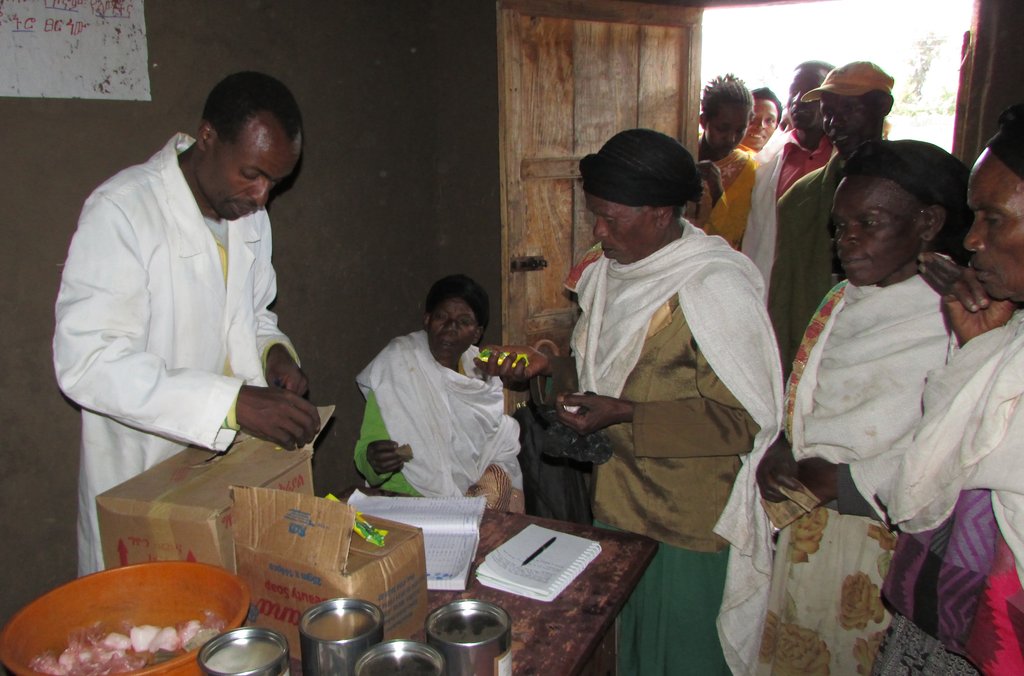
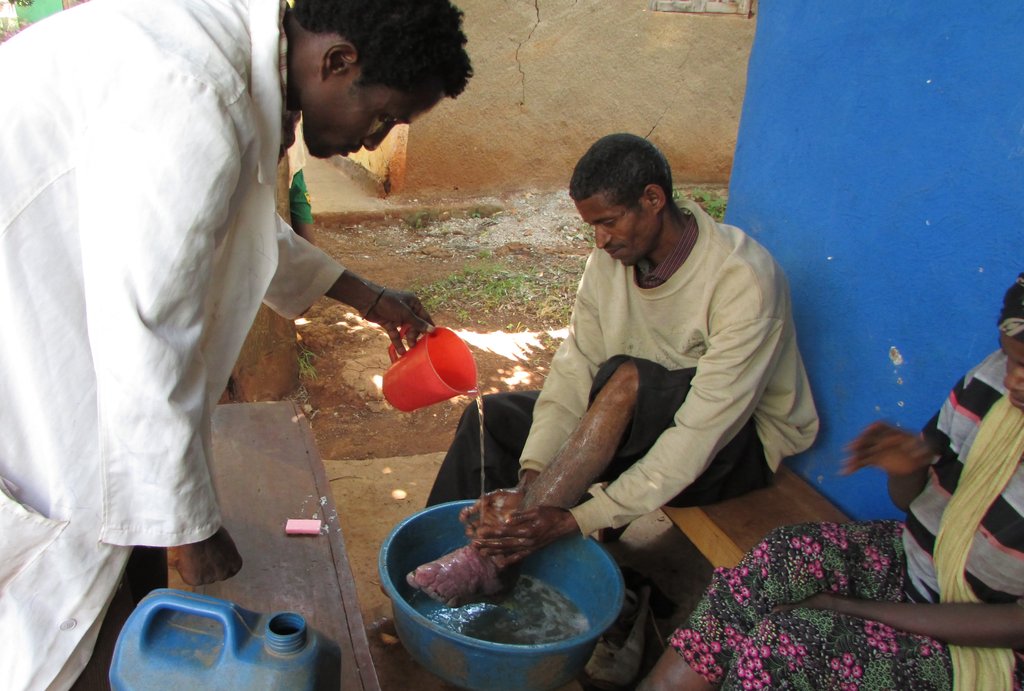
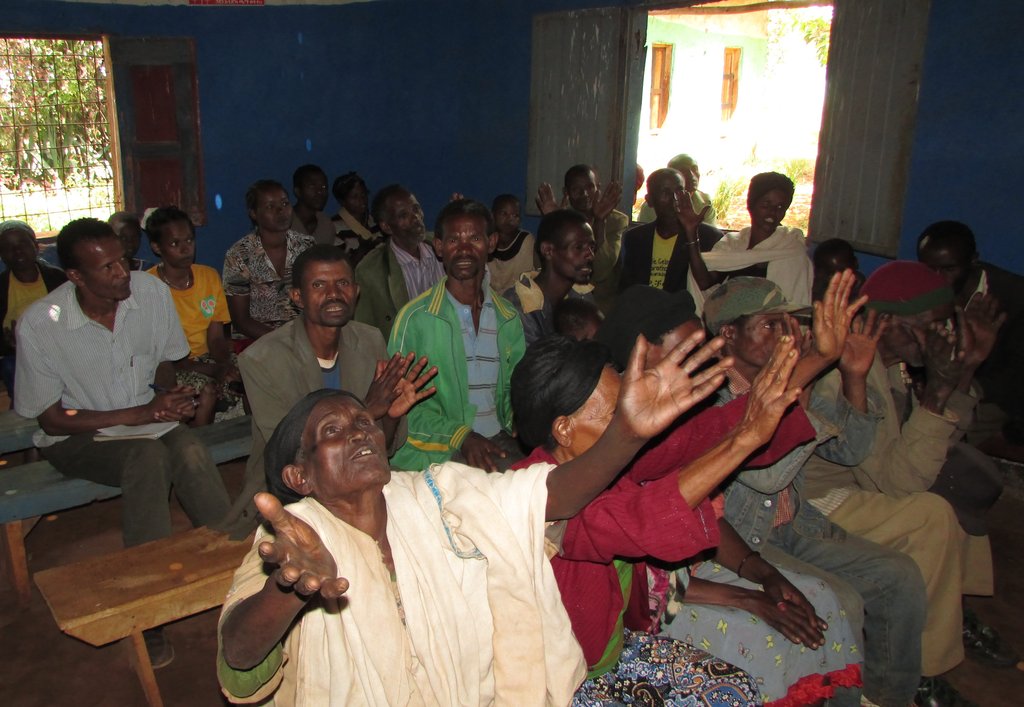
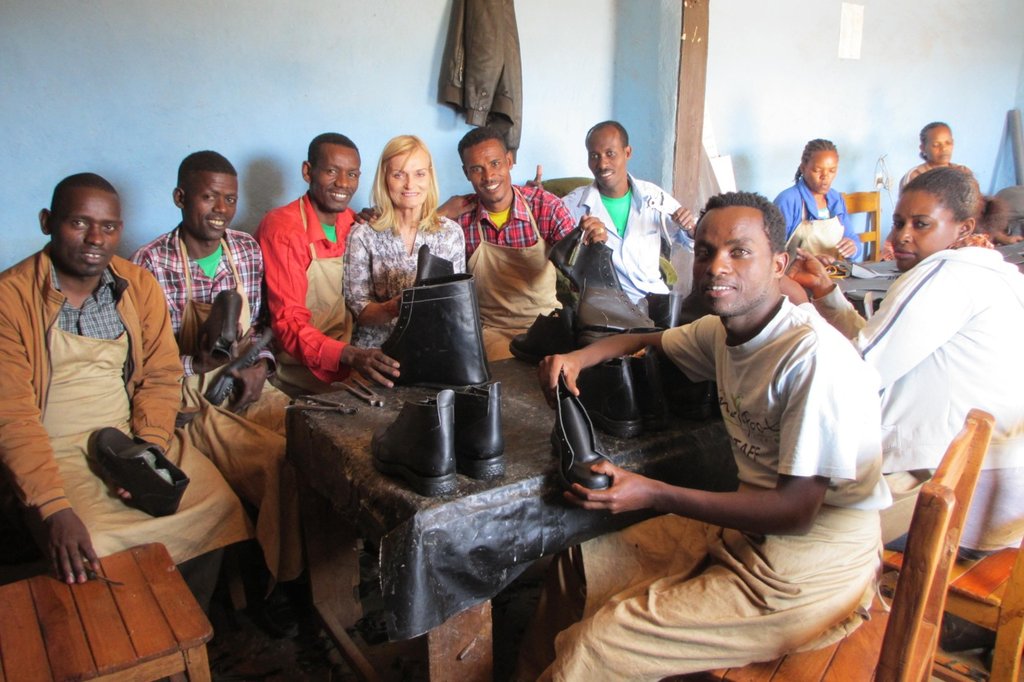
Mossy Foot Project dedicates its resources to various treatment and prevention programs. It operates 16 rural clinics as well as a shoe shop. Patients at the clinics are shown how to treat and care for their feet and provided special oversized shoes. Severe cases are evaluated and referred for surgery. The project also provides vocational training to help patients develop a livelihood. Other outreaches include shoes for children of mossy foot patients and housing assistance for widows
According to the impact assessment survey, over 150,000 men, women, and children have mossy foot in the Wolaitta region of Ethiopia. The goal of Mossy Foot Project is to continually increase the project's treatment capacity of outreach to more patients and the community. The same success can be repeated in other regions and countries. We believe in 15 to 20 years, this disease can be totally eliminated if resources are sufficiently allocated for development of treatment and education programs.