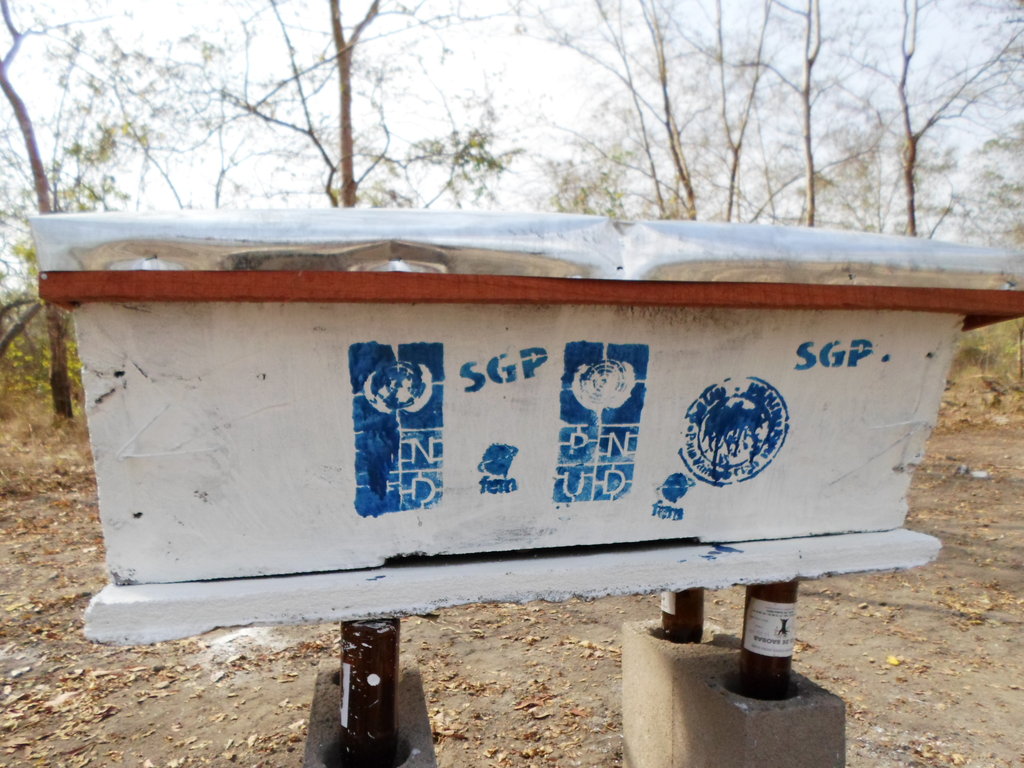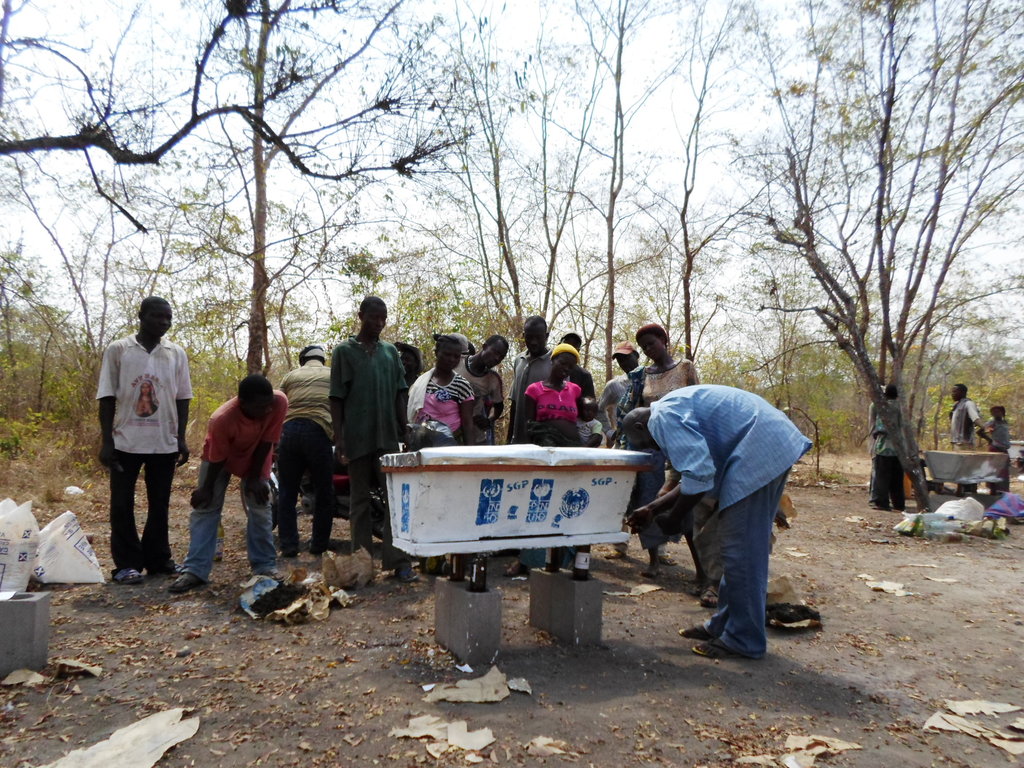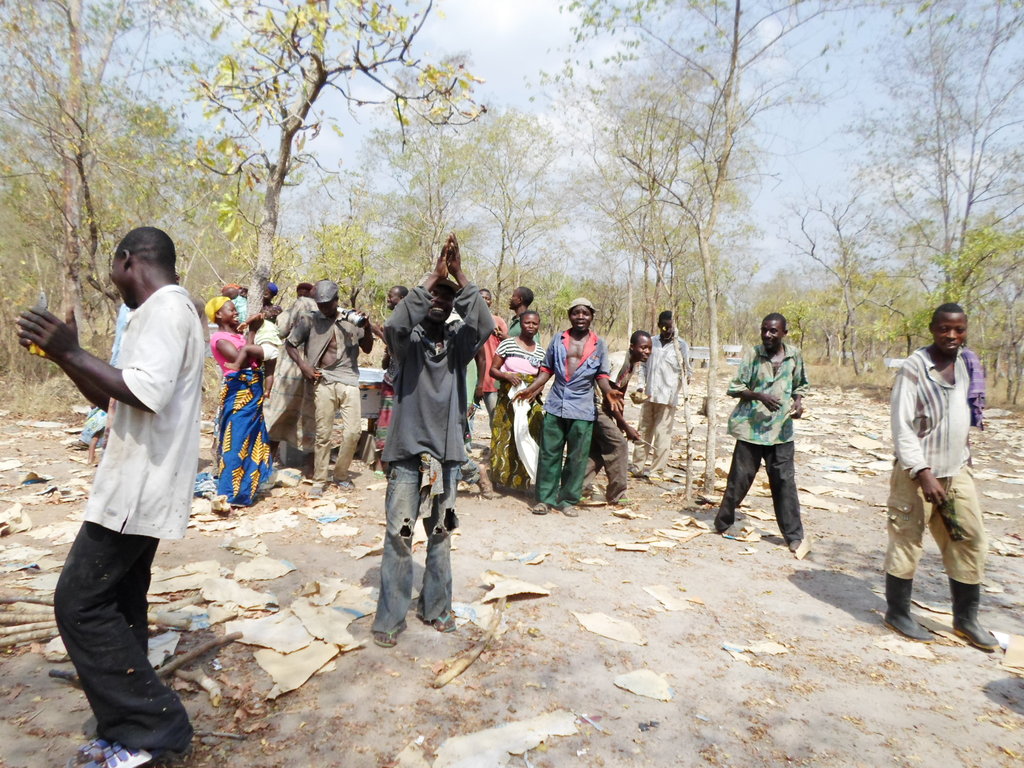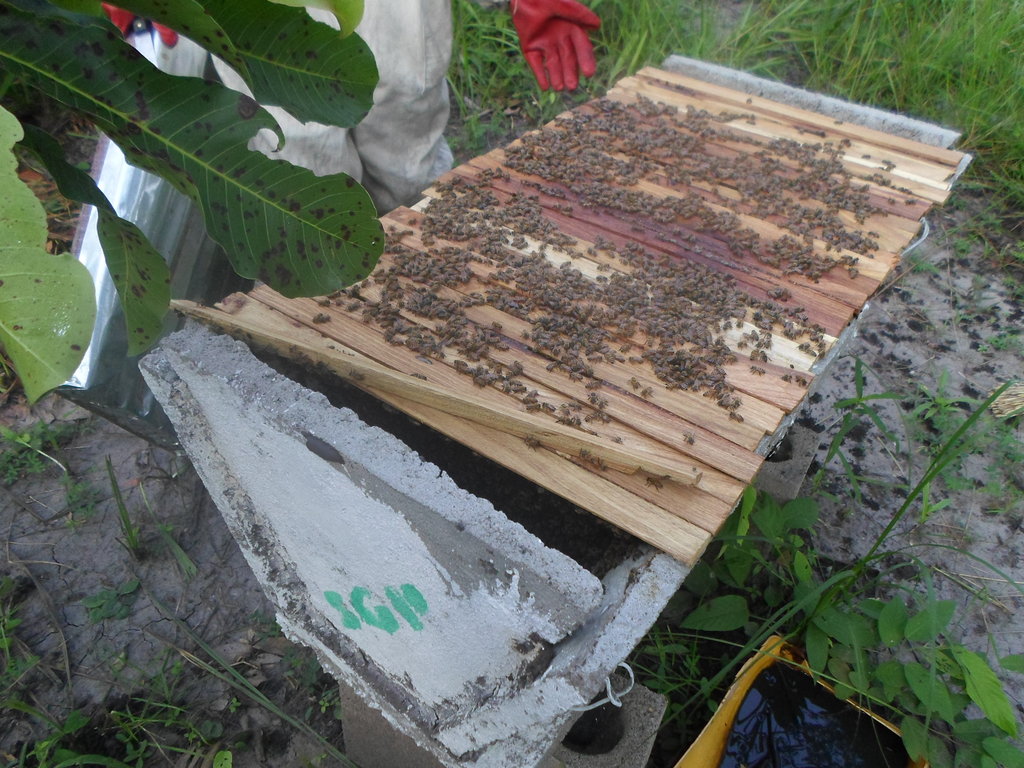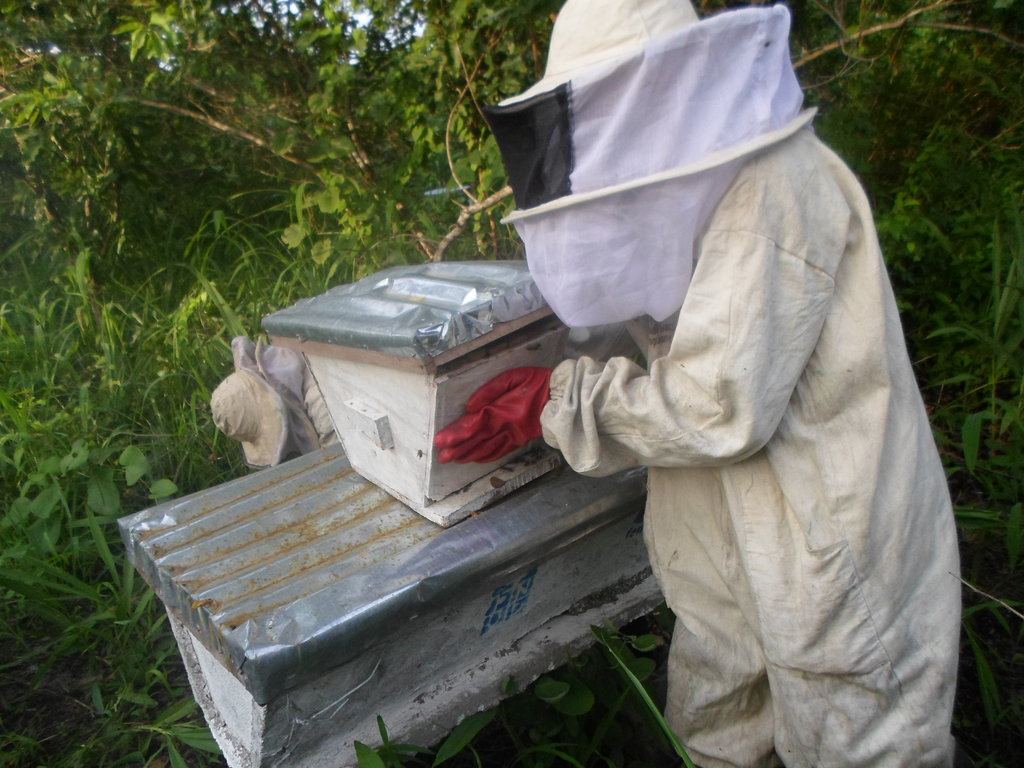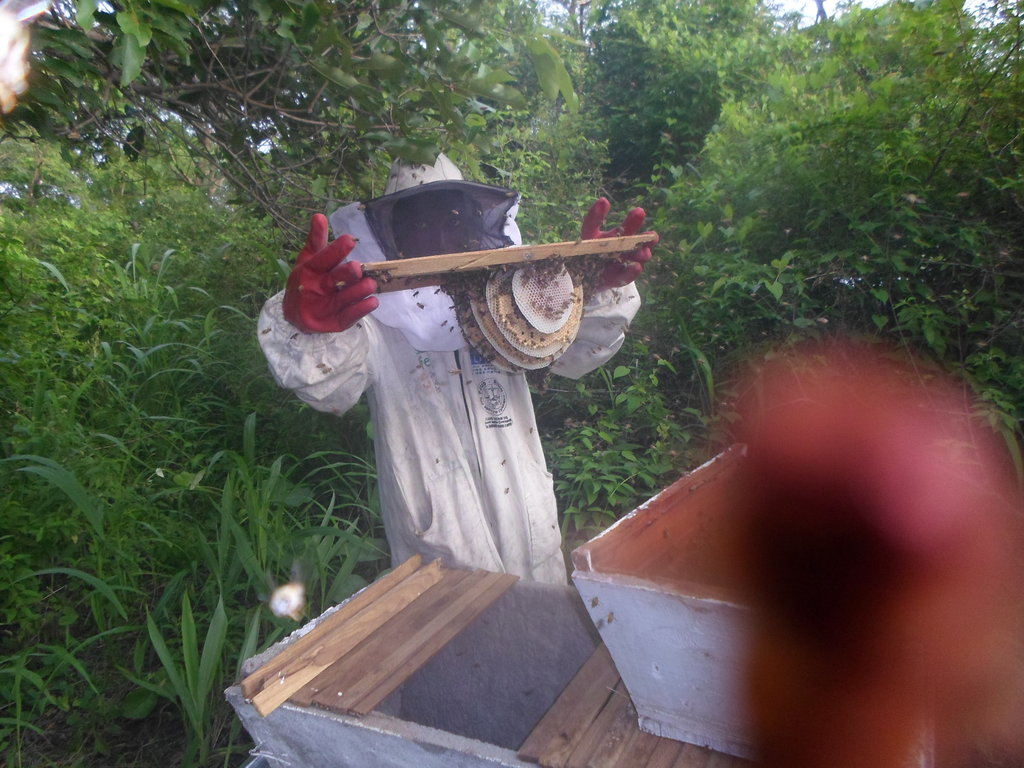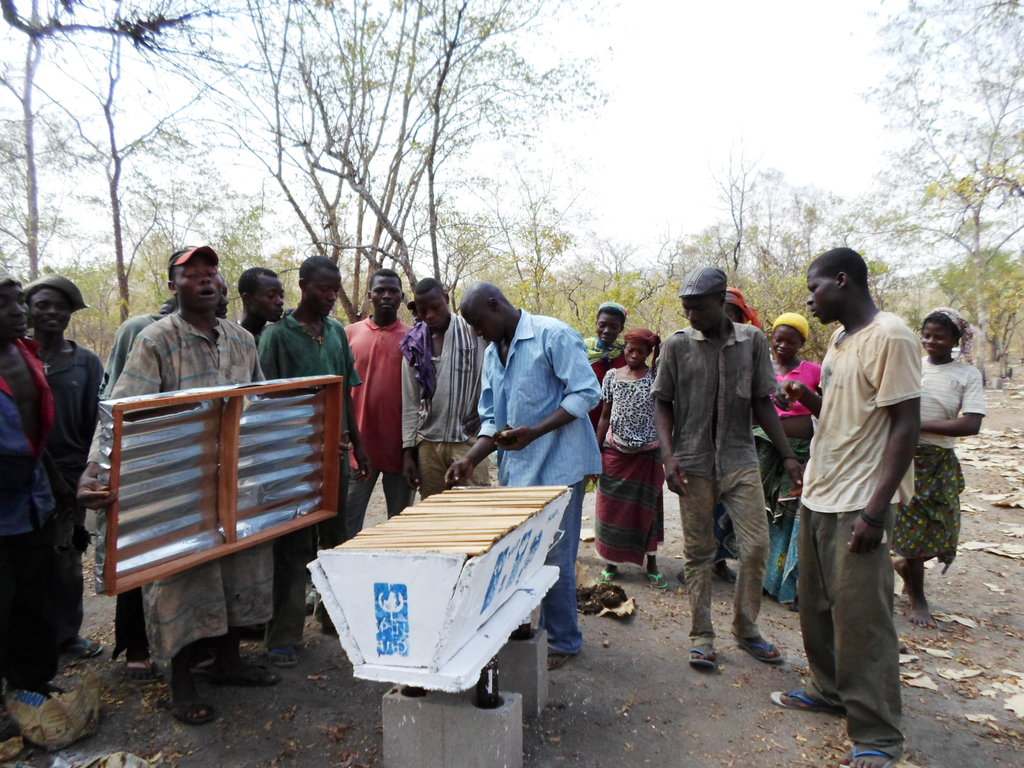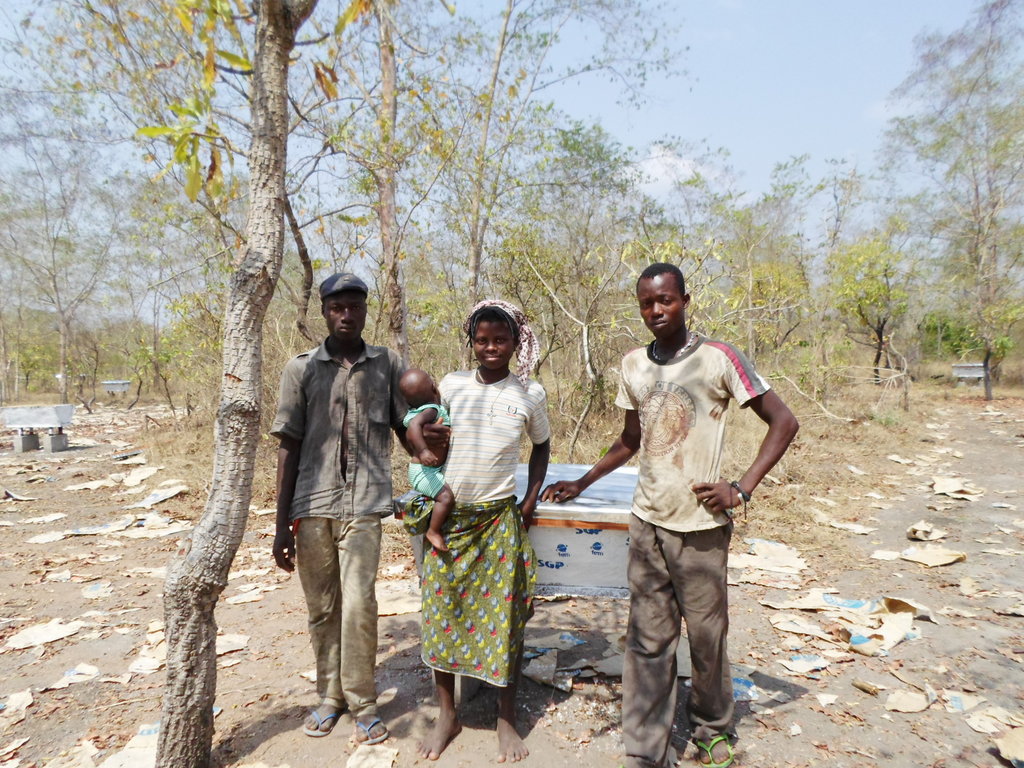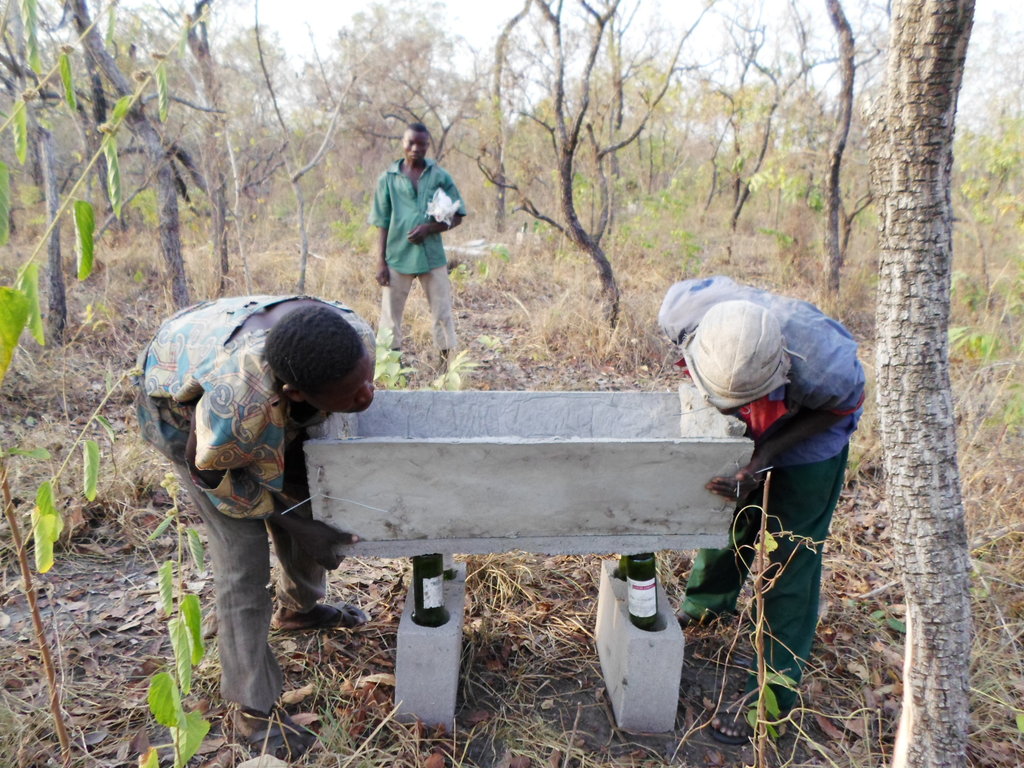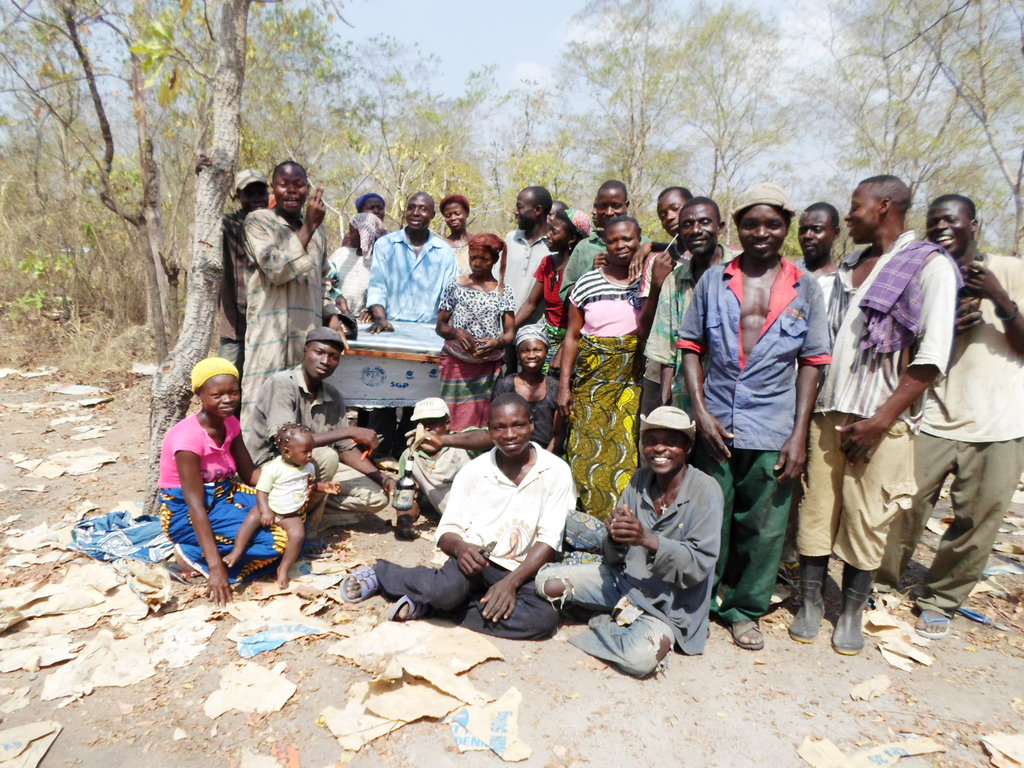
This project aims to use the modern beekeeping as a tool of environmental awareness, for wealth creation therefore the fight against poverty. In effect, this project aims at the creation of a value chain beekeeping by the development of the products of the hive (honey, pollen, propolis and wax) for the benefit of 300 villagers in the rural commune of Dassa-Zoume in Center of BENIN in West Africa.
With the difficulties that are facing the rural communities in their daily struggle for the development, they have developed the hunting to honey everywhere in the forests to have additional revenues to feed, care or dressing. Unfortunately, this traditional bee is predatory of natural resources and seriously threatens biodiversity because the trees that serve as gites to bees are slices and burned, and the colonies of bees are at the crossing were decimated by the fire lit by the villagers.
It would then be desirable to put in place a modern beekeeping to enable the people to diversify their incomes while harmonizing their reports with their environment. PJUD - BENINONG believe that the strengthening of the capacity of beekeepers in the common, integrated in the management of forest may be an option that will enable farmers and to the local administration to generate income while maintaining and enriching the resources flora and even wildlife.
Furthermore, the practice of beekeeping modern can foster in the nature the multiplication of pollinating insects. Forest species, the culture and fruit that we met with offer of good pasture for bees. The consequences on the future plant of these landscapes, the absence of bees in nature could also have effects on the wildlife, birds and small mammals including, large consumers of fruit or seed wild. The hive are recognized, by their qualities and virtues agri-food and their therapeutic values.
This project has provided additional documentation in a PDF file (projdoc.pdf).