By Cloe Medina Erickson | Project Director
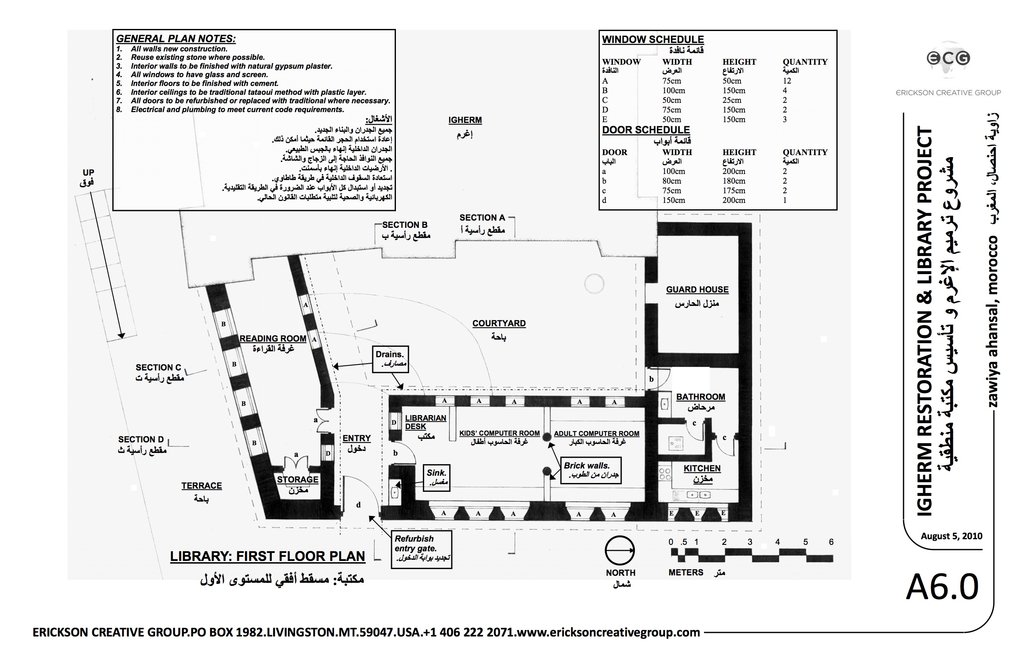
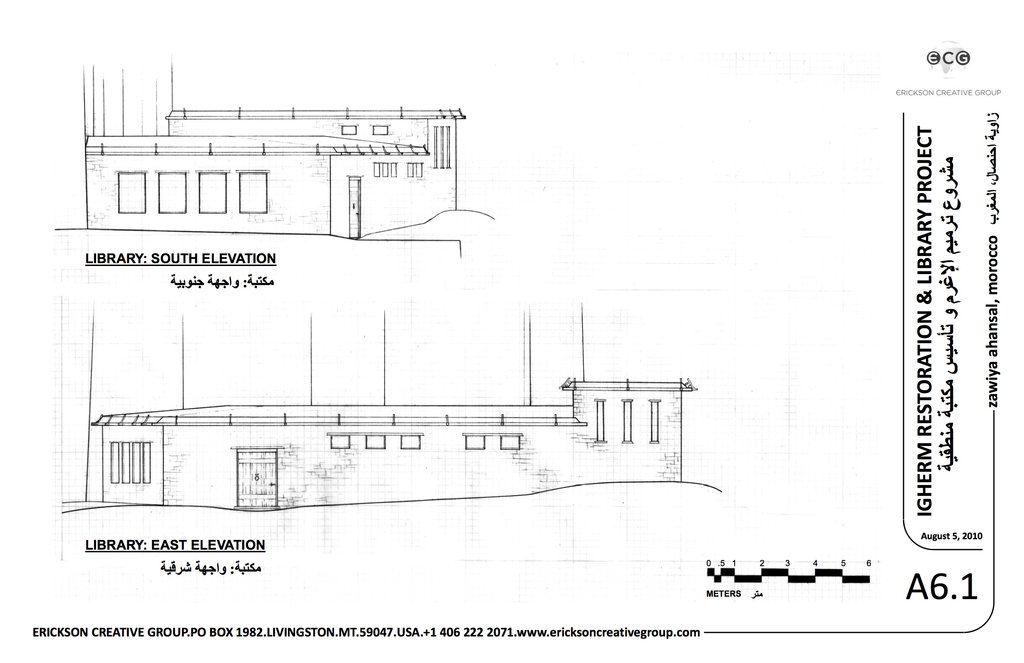
The past year has been devoted to developing management and fiscal responsibility documents between the building owners and local association. Now with those documents in place, we will be able to finalize the desin of the reading and computer rooms and begin construction of the third and final phase of the project.
Here is an updated project description written by the Atlas Cultural Foundation, the nonprofit organization managing the project.
Project Description
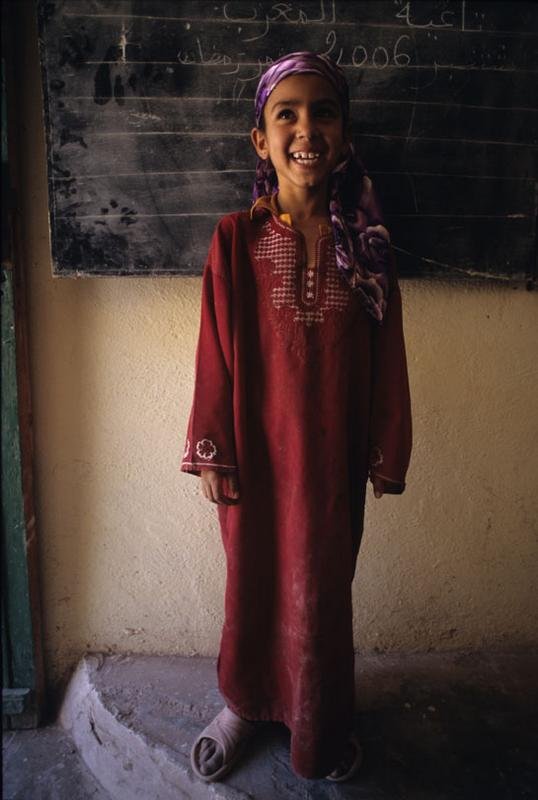
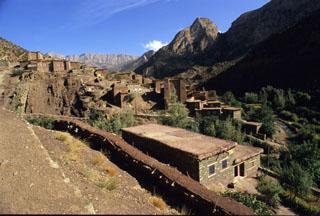
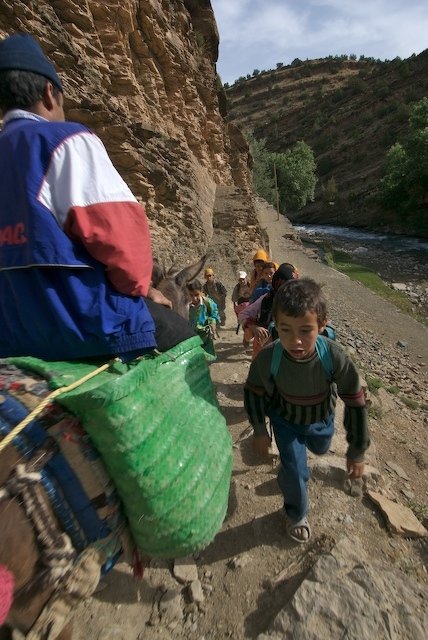
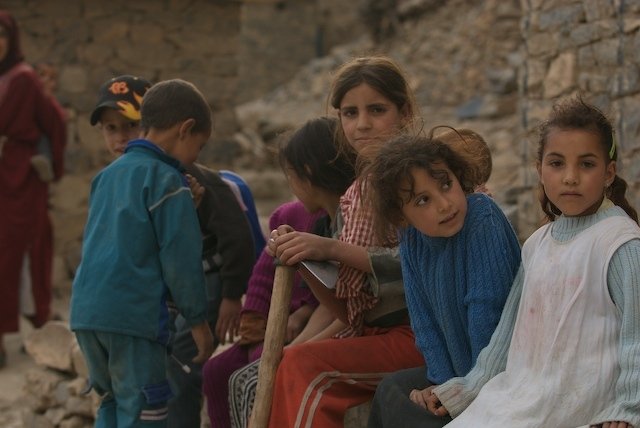
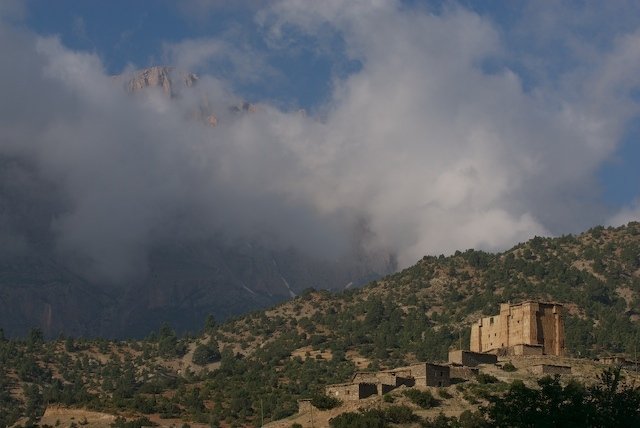
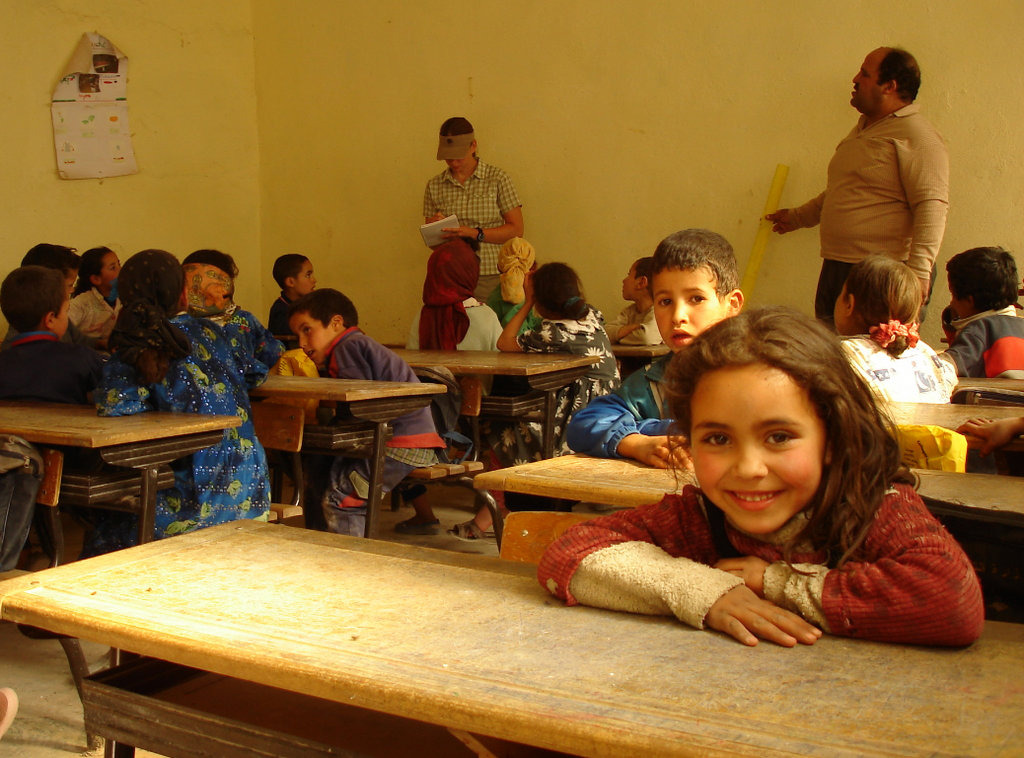
The IQRA Library and Community Center is an education project that will serve the remote, underprivileged region of Zawiya Ahansal, Morocco. Zawiya Ahansal is considered the second poorest region in Morocco and the women and girls of Zawiya Ahansal suffer from nearly a 100% illiteracy rate. To date, no girls from the region have completed secondary school, let alone high school or university. In addition to providing the first ever library access to the regions 15,000 residents, the IQRA Library will house ACF’s early childhood, elementary tutoring, and adult literacy programs. These programs are specifically focused on increasing literacy of the region’s women and girls and provide girls with the academic skills they need to progress successfully through secondary school, high school, and potentially university.
The library will include: government issued elementary textbooks; general subject books donated by the Moroccan National Library; computers with internet access for adults and children; regional and national magazines and newspapers; and regional historical documents, maps, and texts donated by the Moroccan Ministry of the Interior.
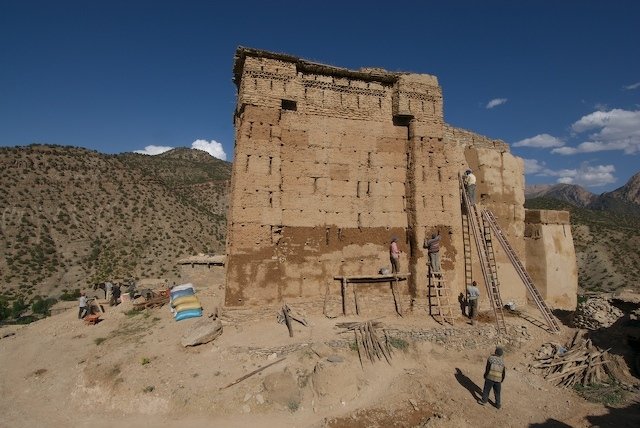
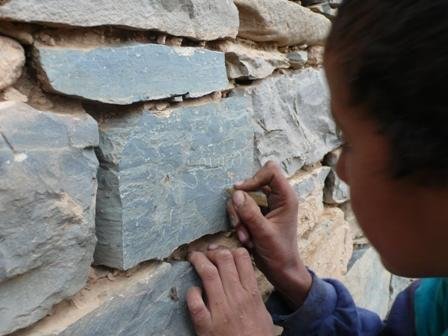
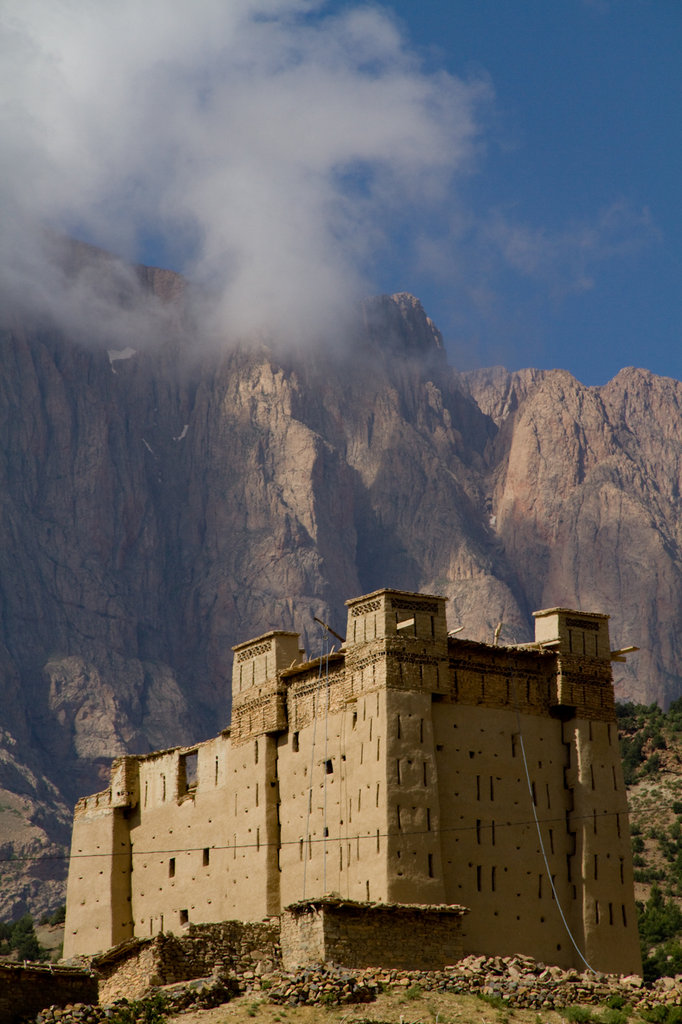
The IQRA Library project started in 2008 with the restoration of a 350-year-old fortified granary. The project follows ACF’s founding principle that the added time and financial resources required to incorporate historic preservation into community development projects will result in an increase in sustainable outcomes. ACF preserve’s unique and threatened historic architecture with the goal of adapting the uses of these buildings to meet modern development needs. A familiar and historical aesthetic has the ability to transition responsive members of a culture, such as women and children, in a safe, comfortable, and traditional environment; incorporating their rich history into their expanding future.
Project Phases
The project is divided into three phases. Phase One and Two are complete. Phase Three is slated for completion in 2012, which will be immediately followed by Phase Four, relocation of ACF’s education programs into the IQRA Library.
The Dodge Foundation monies will support the completion of Phase Three.
Project Beneficiaries
The IQRA Library project will have an intergenerational effect among students, teachers, parents, other adult members of the community, and, most importantly, the community as a whole. In study after study, girls' education emerges as the single best investment that any society can make. Educated girls become educated women - women who participate in the social, economic and political life of their nation. They are more likely to be healthy, to have smaller families and to have healthy and educated children.[1]
The core user group that will benefit from the project includes: preschool, elementary, secondary, and high school students; women; men; and researchers.
Project Programs
The following ACF education programs will be relocated to the IQRA Library:
(1) Bellamy, C. (2001, August 15). Press Centre. Retrieved February 14, 2012, from UNICEF: http://www.unicef.org/media/media_10450.html
Links:
Project reports on GlobalGiving are posted directly to globalgiving.org by Project Leaders as they are completed, generally every 3-4 months. To protect the integrity of these documents, GlobalGiving does not alter them; therefore you may find some language or formatting issues.
If you donate to this project or have donated to this project, you can receive an email when this project posts a report. You can also subscribe for reports without donating.