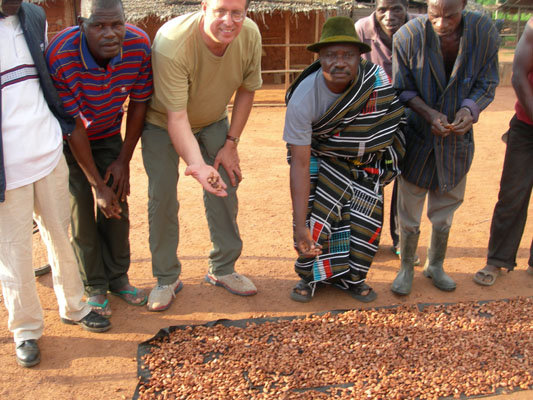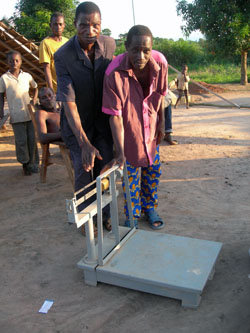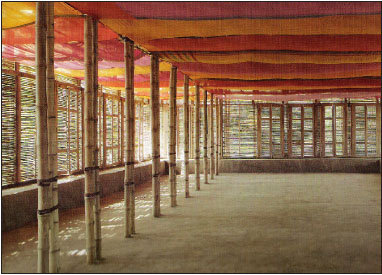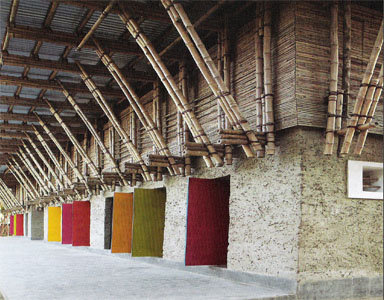
The purpose of this project is to build and use a Center for Cocoa Study in Ebolowa, Cameroon, where international and African university students will work with cocoa-farming villagers to enhance economic and environmental sustainability. Research will include these academic areas: appropriate technology (solar-powered cocoa dryers), nutrition (status of cocoa farmers' children), food technology (chocolate manufacture), and value chain (local distribution issues around cocoa and chocolate).
The current system by which cacao is harvested, processed and then eventually turned into chocolate creates high levels of disparity between those who harvest the beans, mainly residents of Africa (which grows >70% of the world's beans), and those who process the beans into chocolate, mainly residents of First World countries in North America and Europe. In the interests of global economic and environmental health, this situation needs to change.
The proposed Cocoa Study Center would partner international and local students with villagers and experts to discover new ways that enhance economic and environmental sustainability. Joint projects will include: development of solar-powered cocoa dryers, producing higher quality beans, providing classes in nutrition for mothers, and chocolate manufacture and marketing to increase the farmer's participation in the value chain.
West African cocoa-growing countries provide minimal extension services to their cocoa farmers. Some international agencies have run farmers' field schools. But universities have done little to create opportunities for farmers and students to cooperate on issues of economic and environmental sustainability. This partnership would impact Cameroonian cocoa communities as farmers come to the school to attend classes while students return to the villages to develop and test hypotheses.
This project has provided additional documentation in a PDF file (projdoc.pdf).