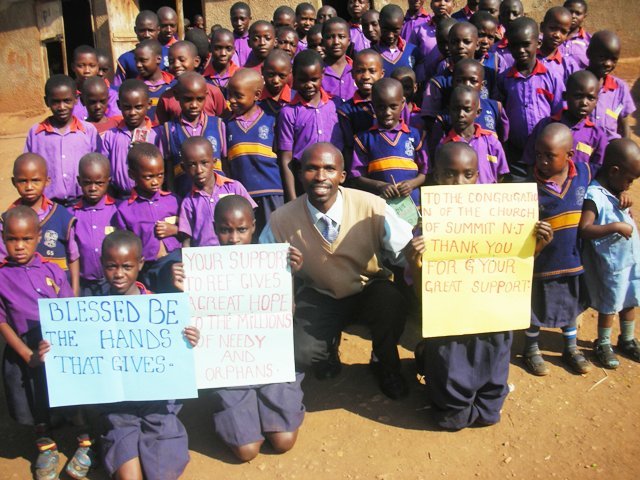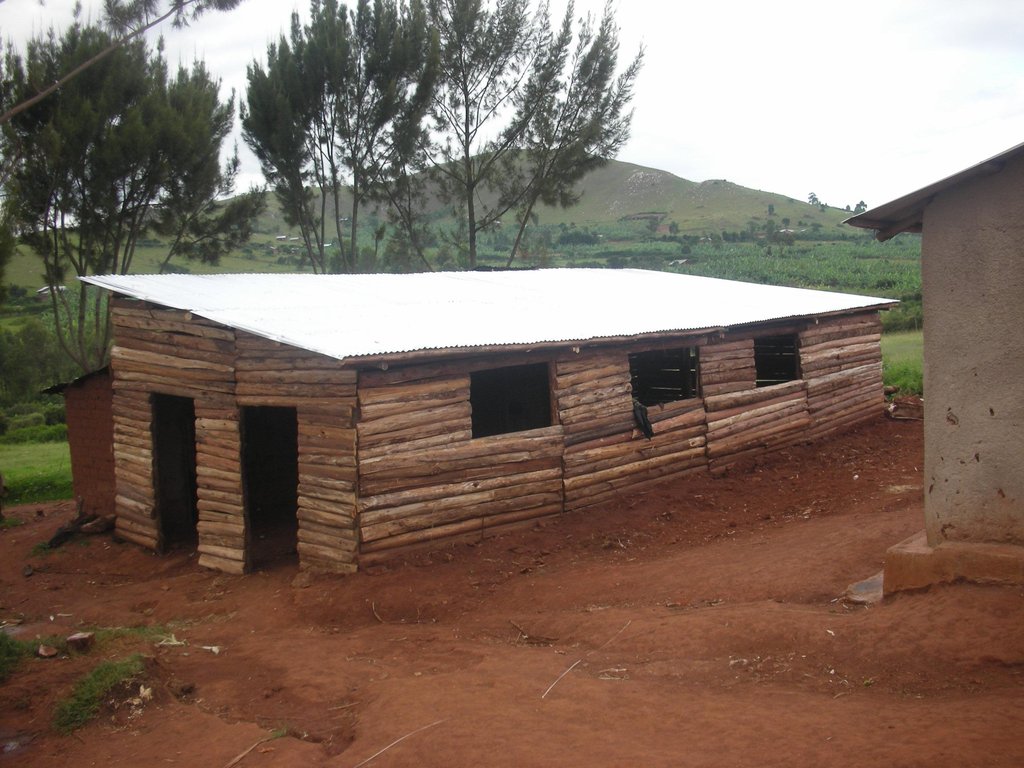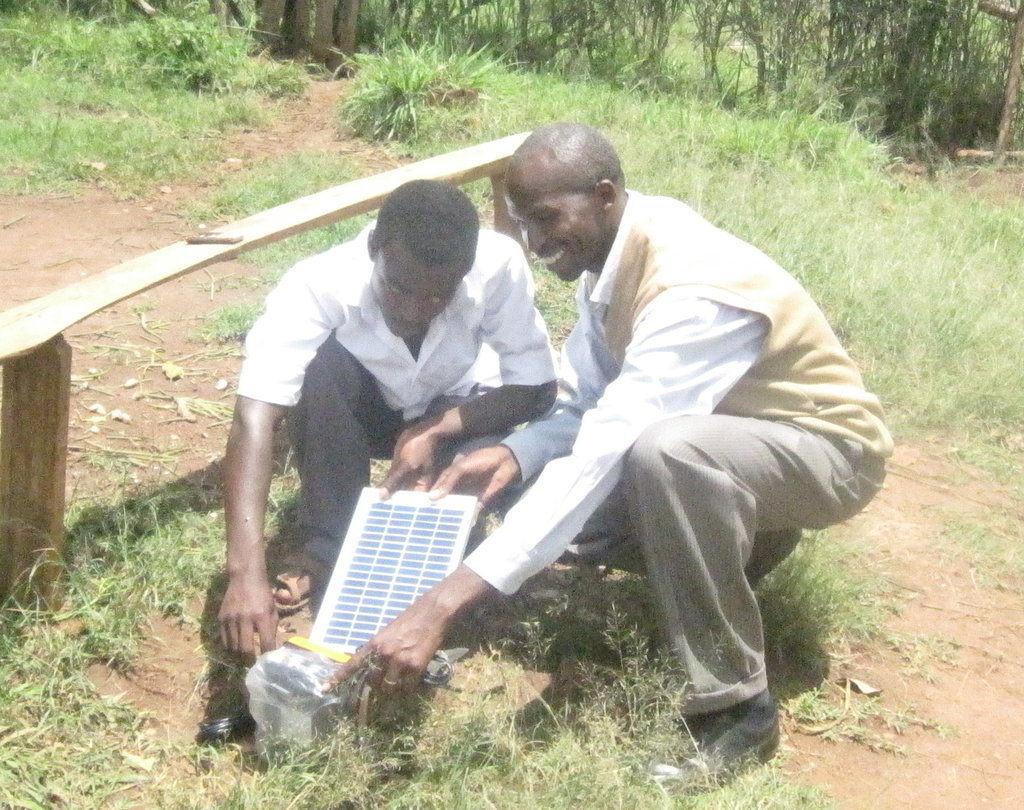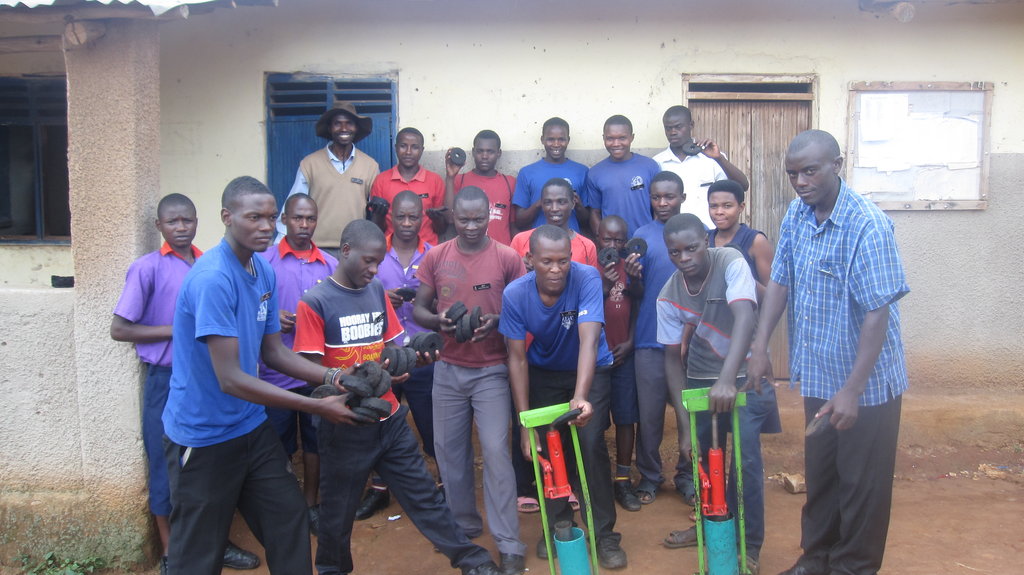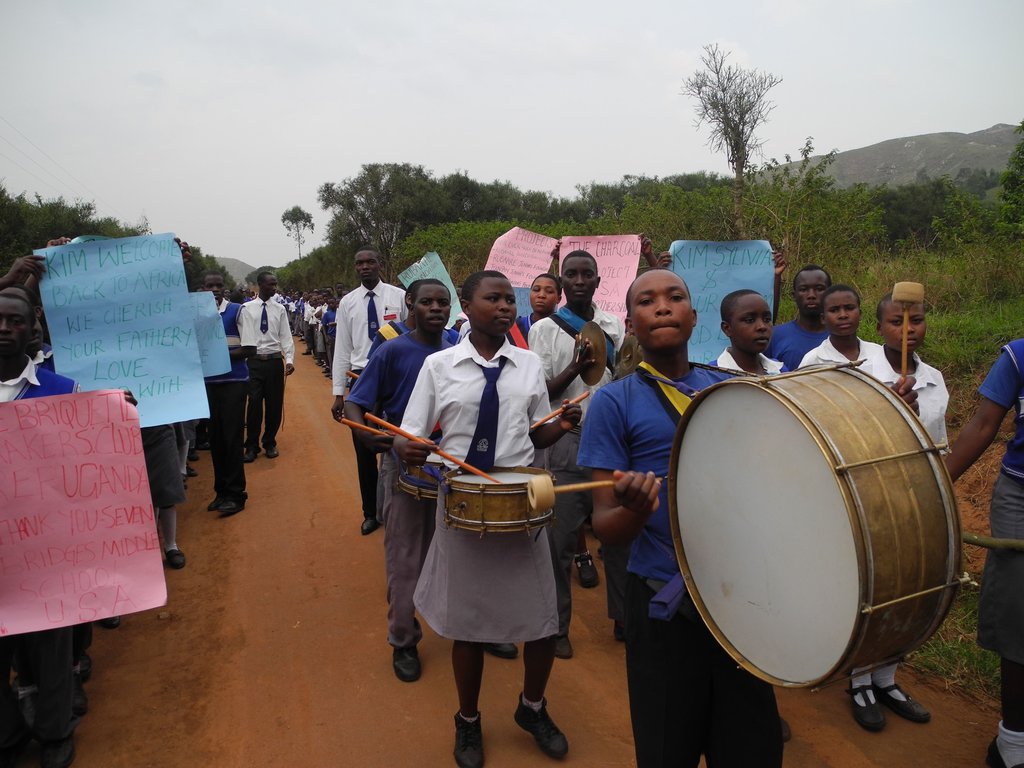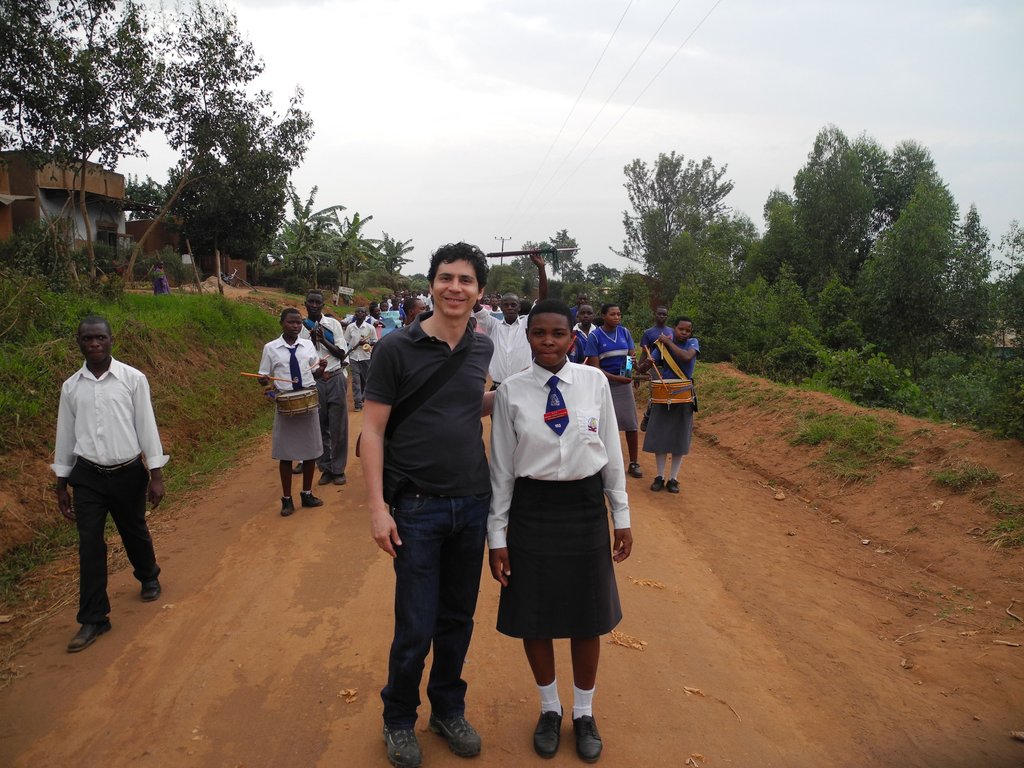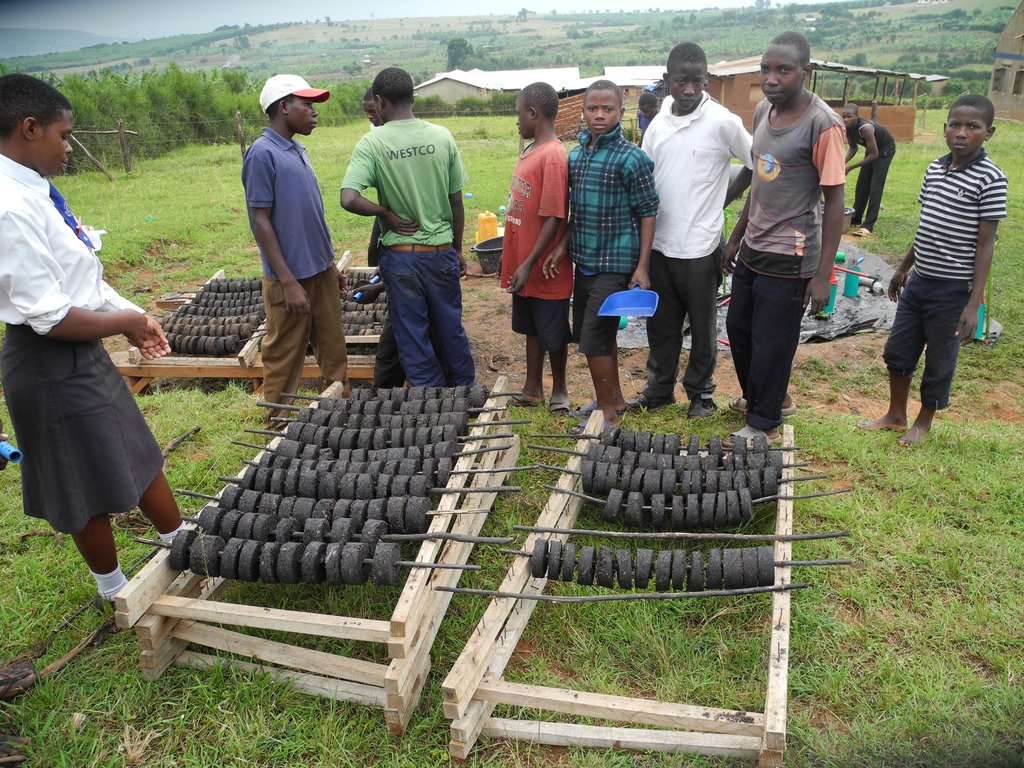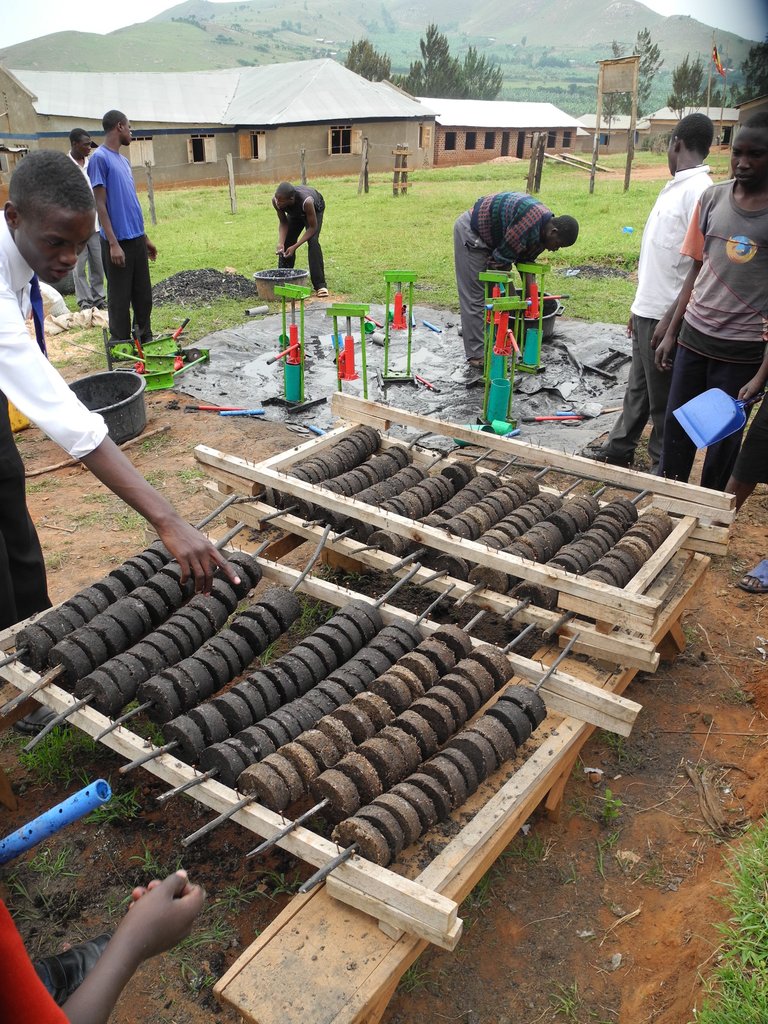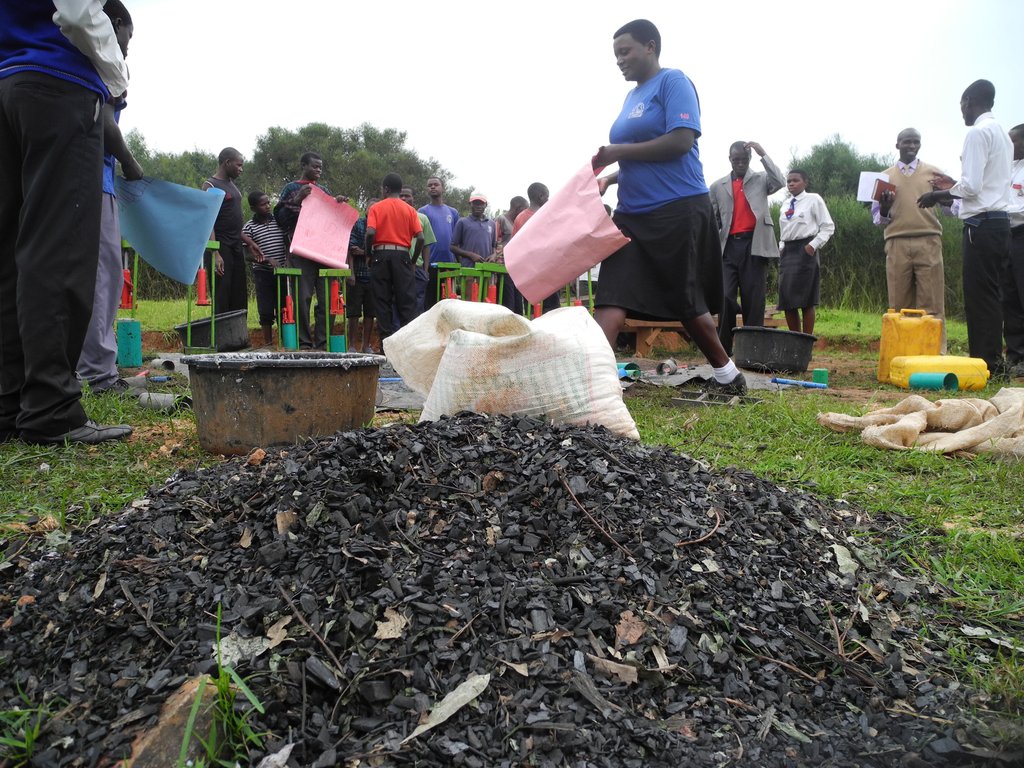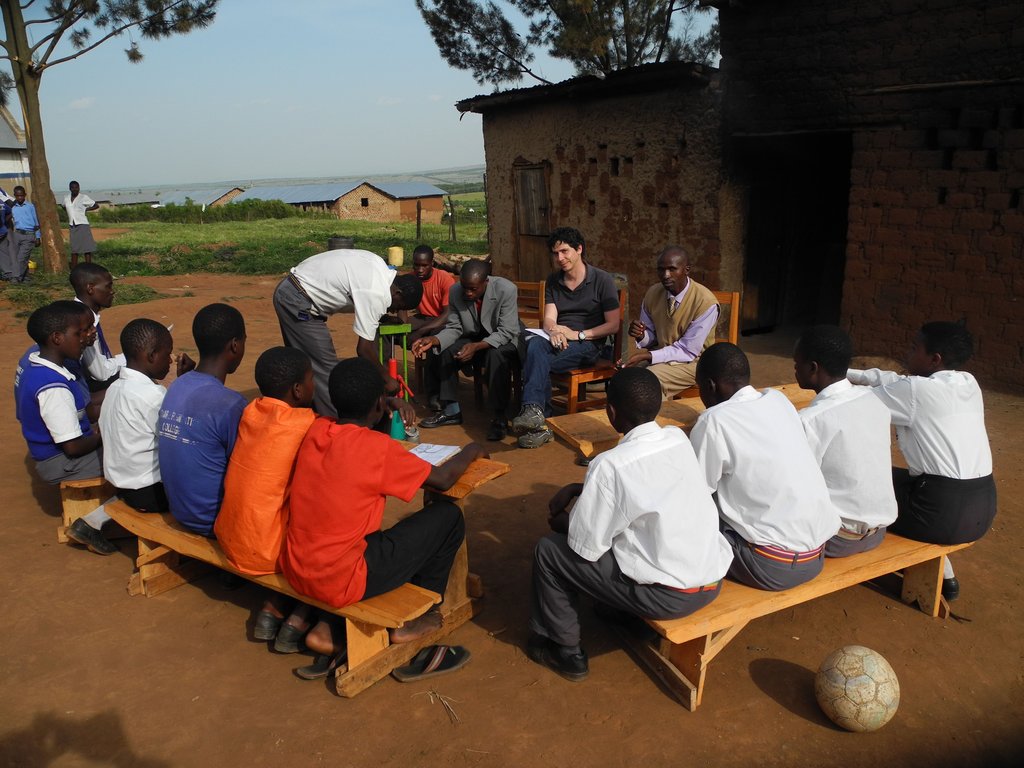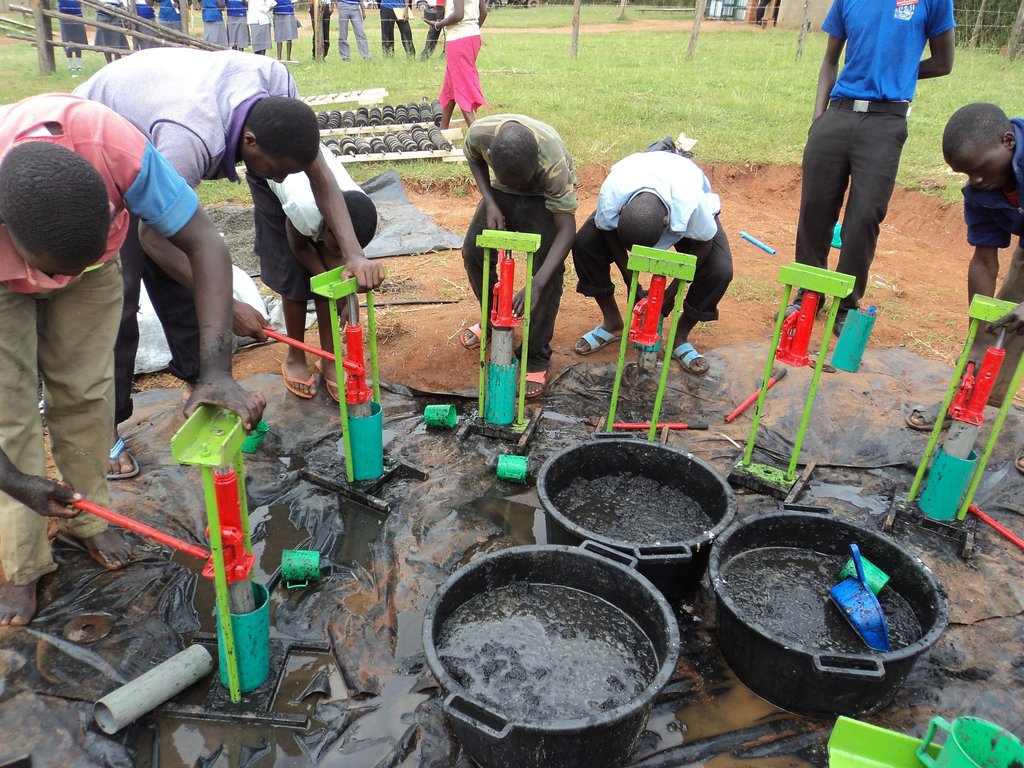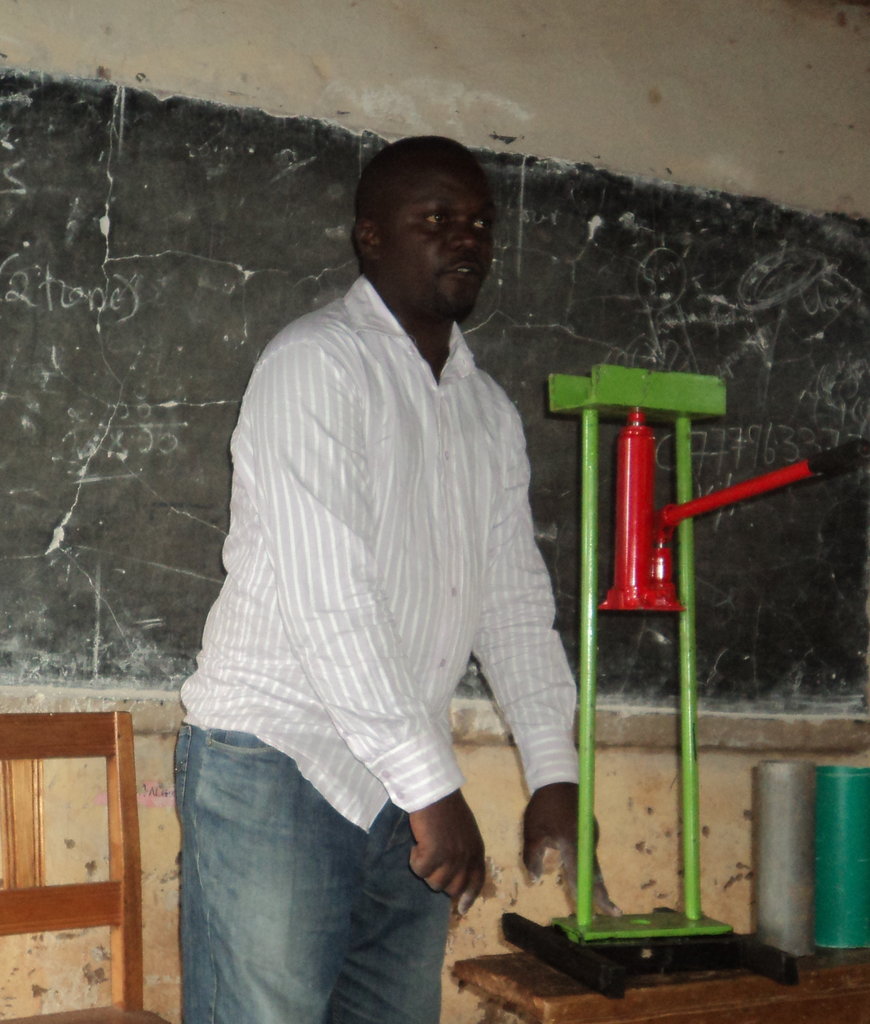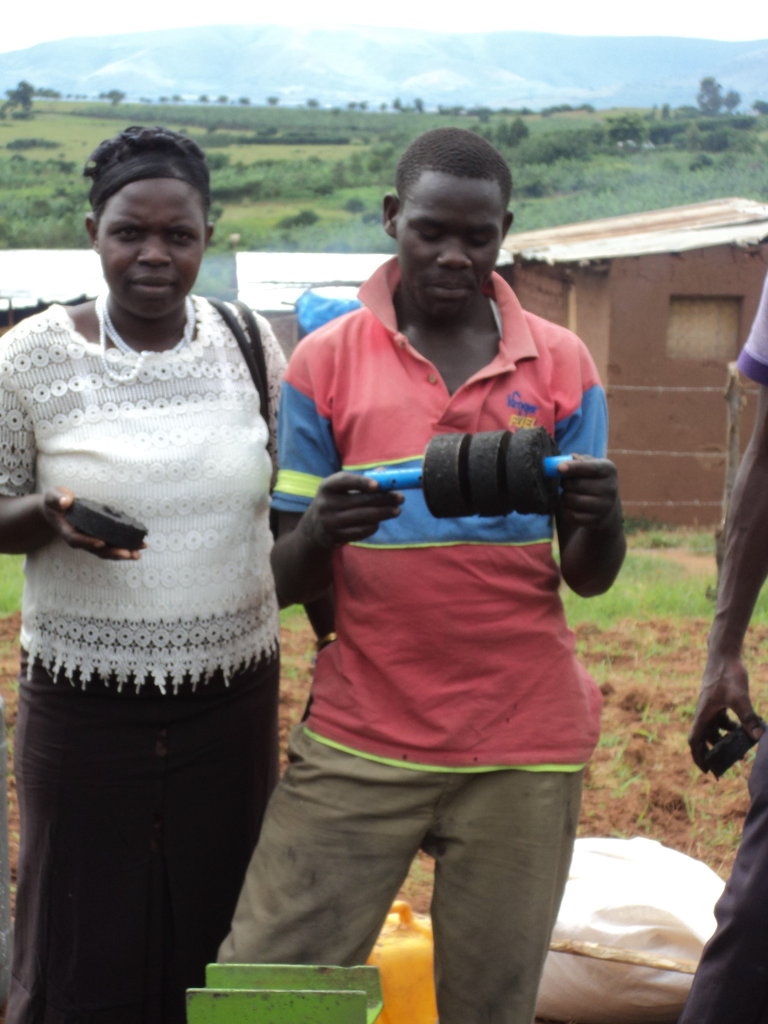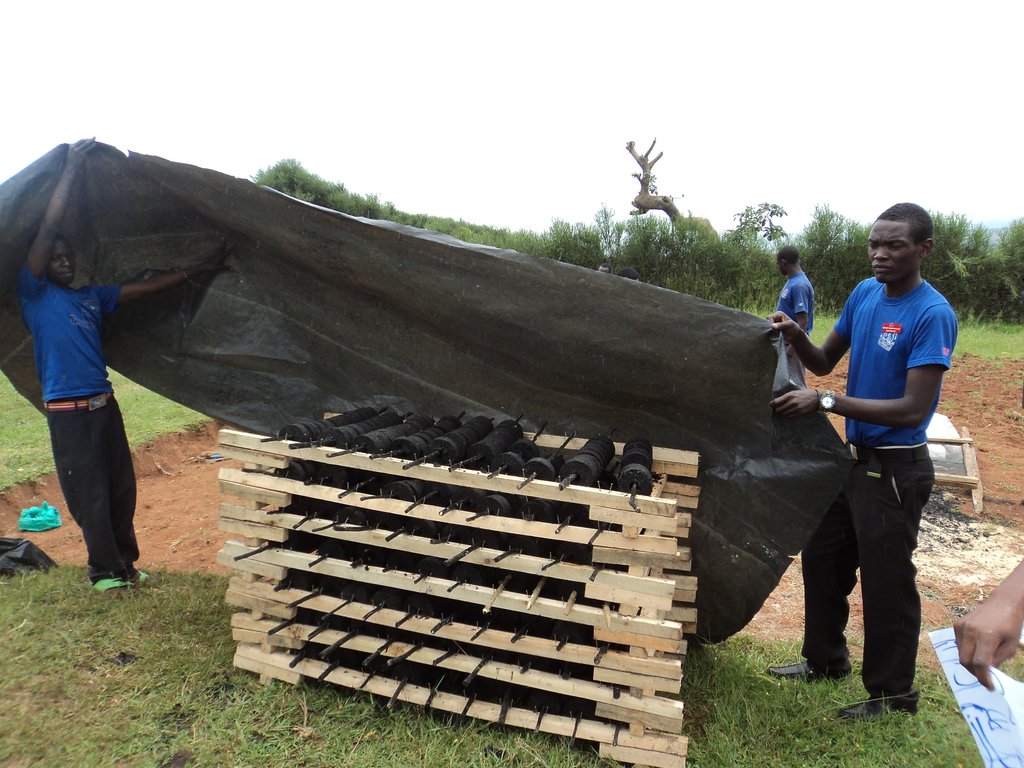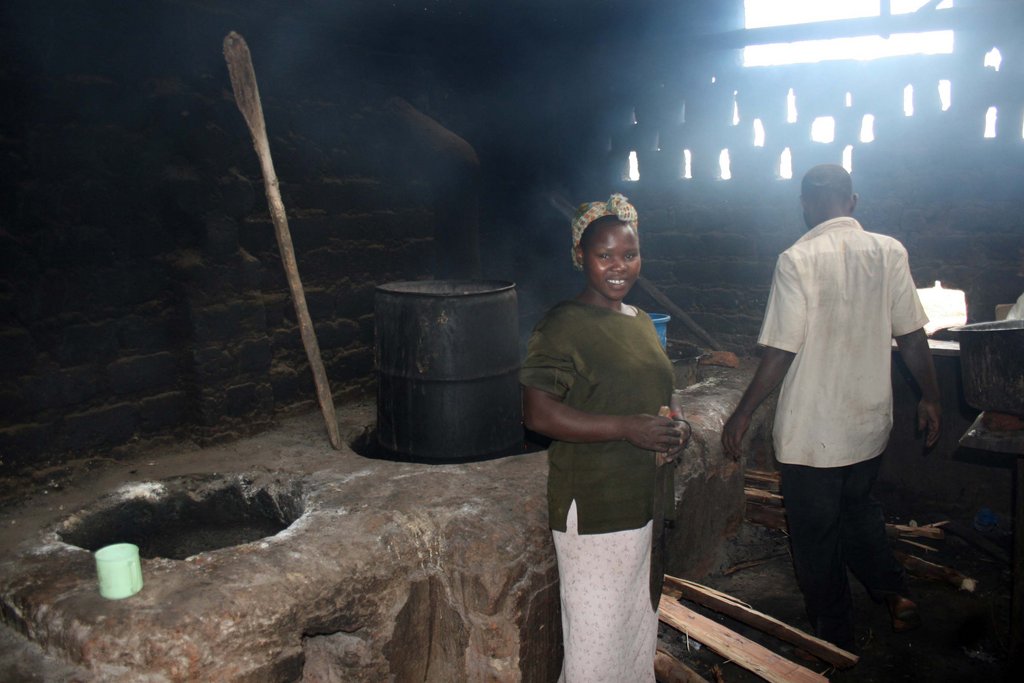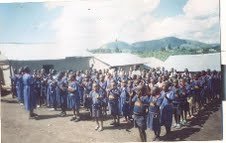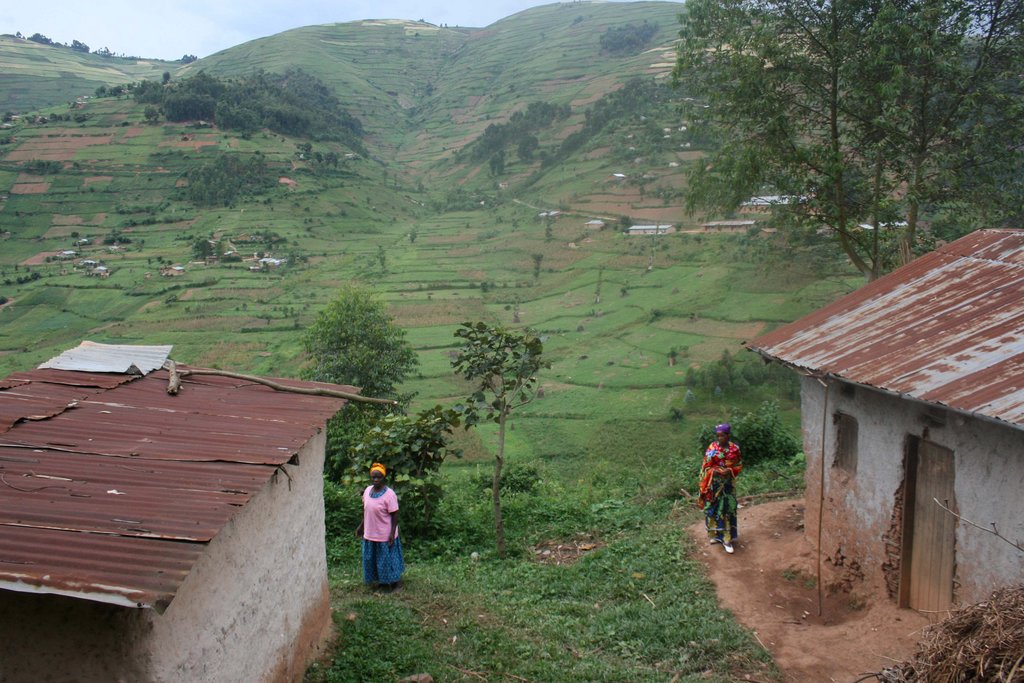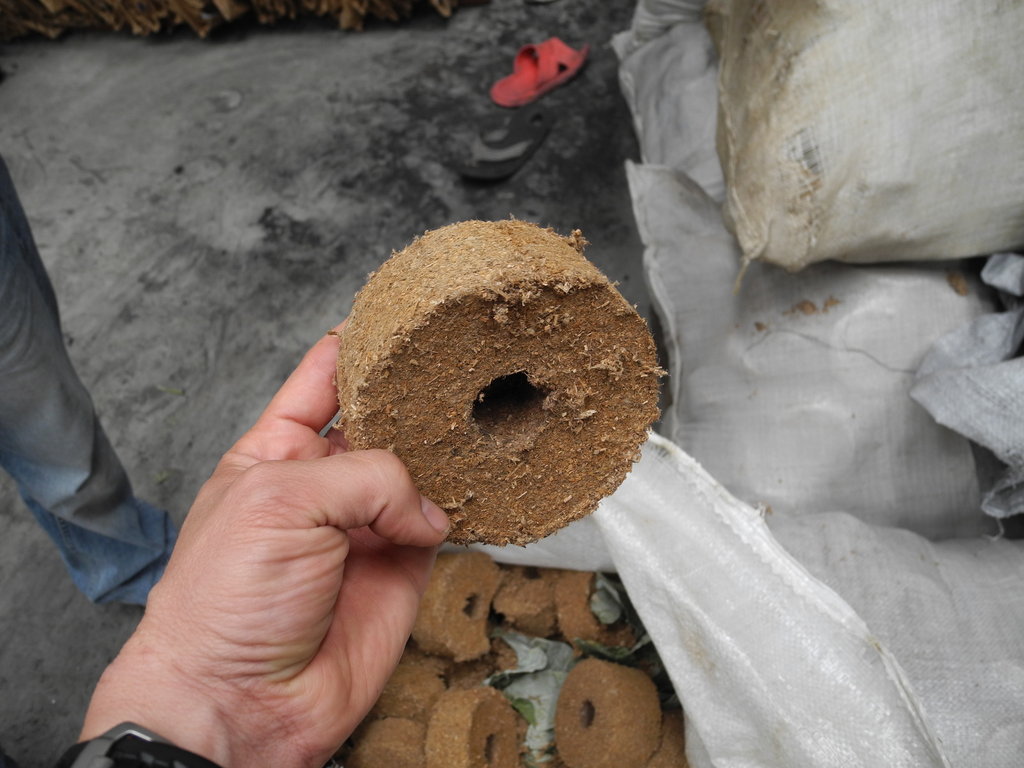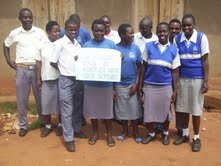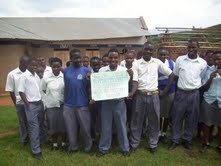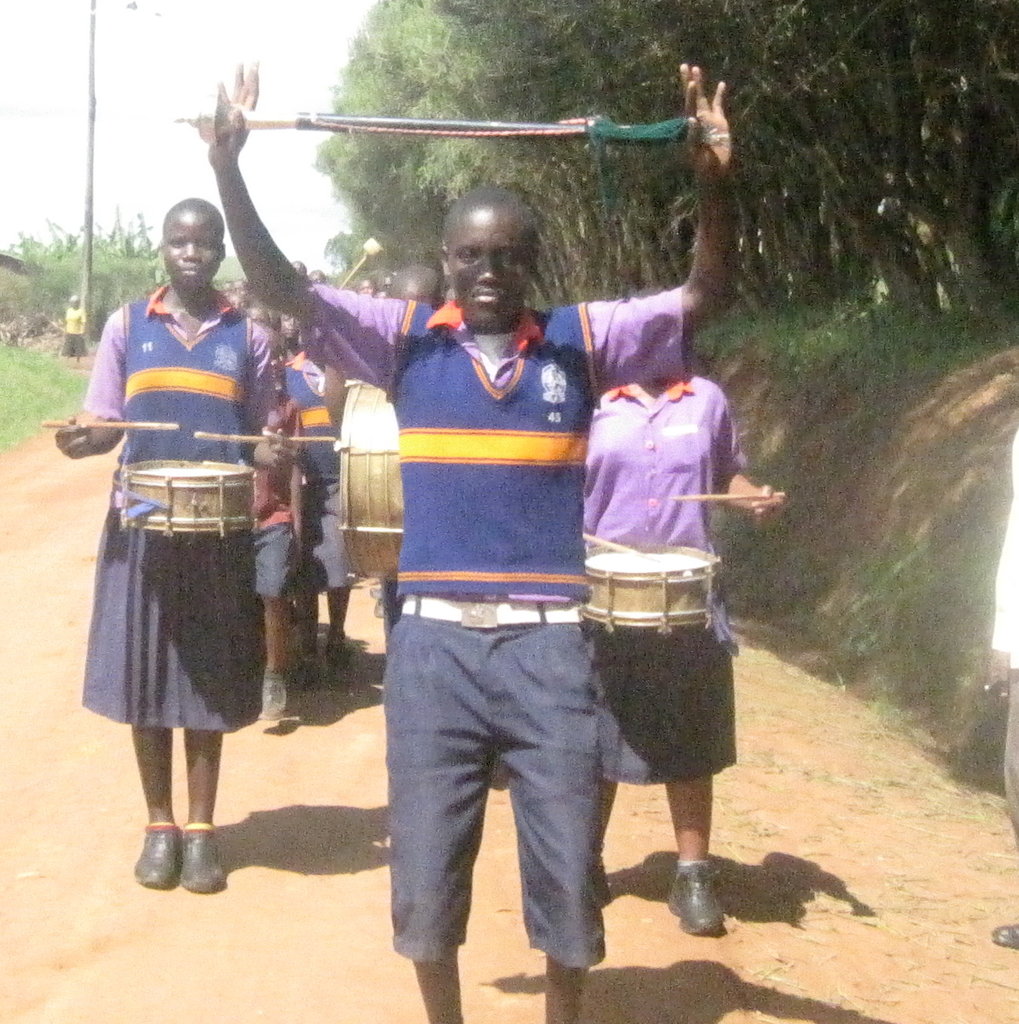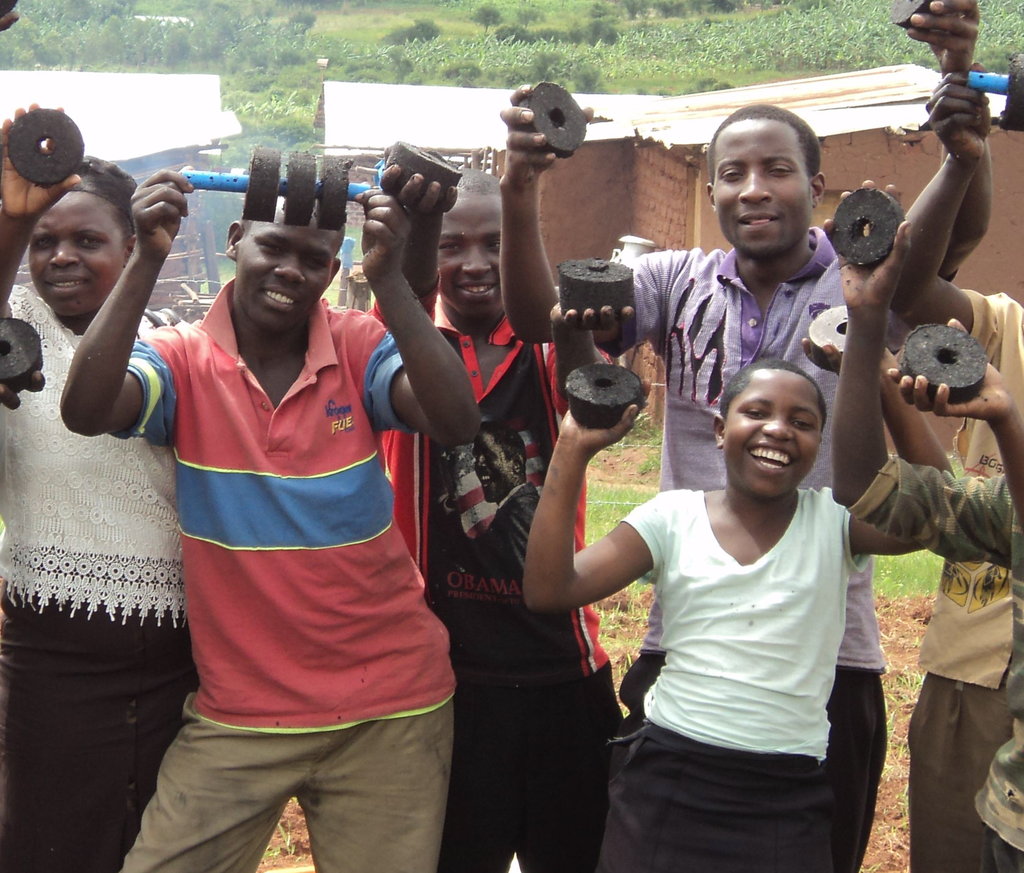
A Ugandan school district is in dire need of better wood-burning stoves and sustainable fuels for cooking. Our program will train students to make fuel briquettes from agricultural waste. Our improved cookstoves will reduce fuel consumption and hazardous smoke. Once established, the program will expand to the surrounding communities to meet their fuel needs and improve public health. Sustainable tree farming will be encouraged to provide additional fuel/income sources. Jobs will be created.
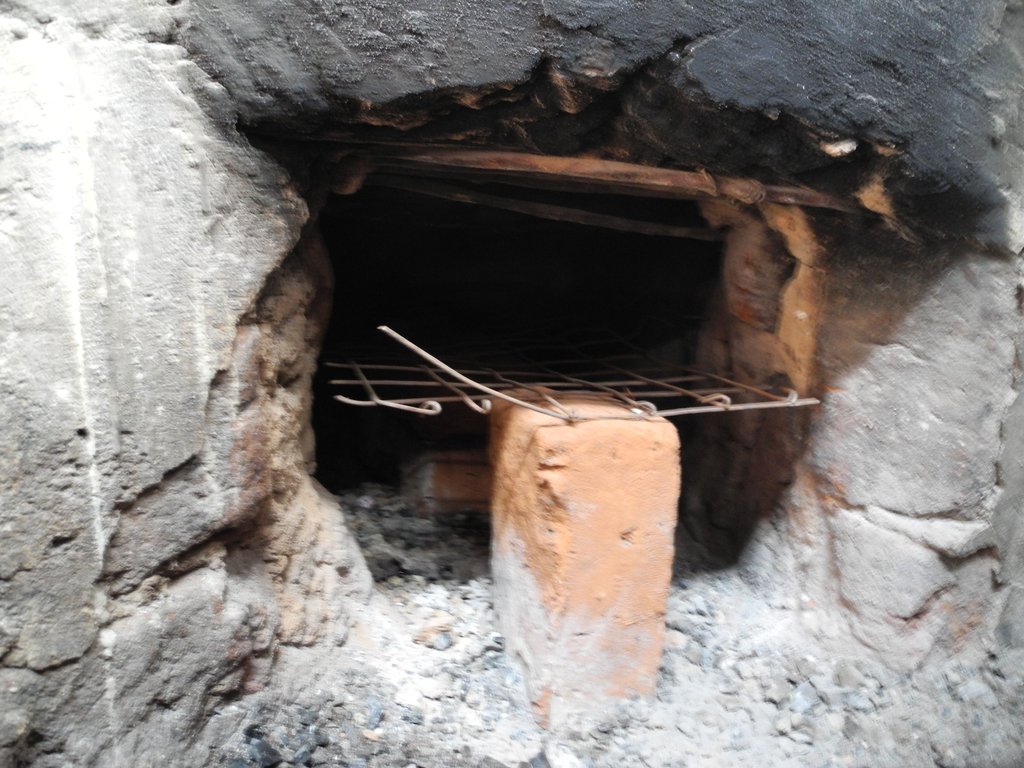
Roughly half of the world depends on wood, charcoal for cooking and heating. In sub-Saharan Africa, over 90% of the population depends on these fuels. Woodfuel scarcity is a big problem in Southwestern Uganda. The rising cost of woodfuel and the time spent gathering it makes it difficult for families and the community to emerge from poverty. People's health and the local environment also suffer greatly from the unsustainable demand and use of wood for fuel.
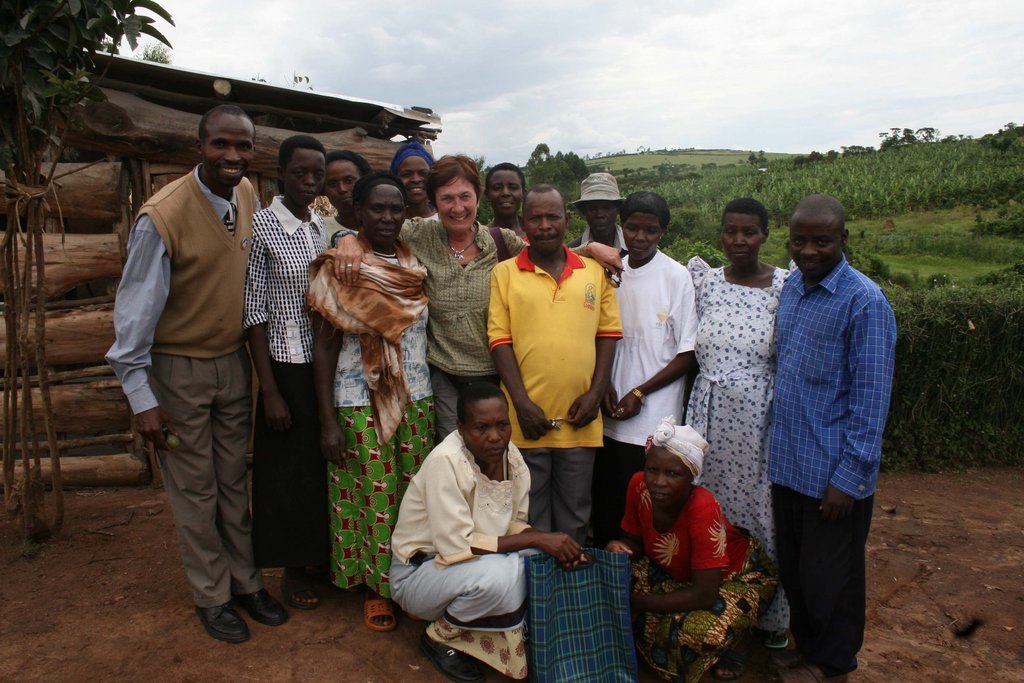
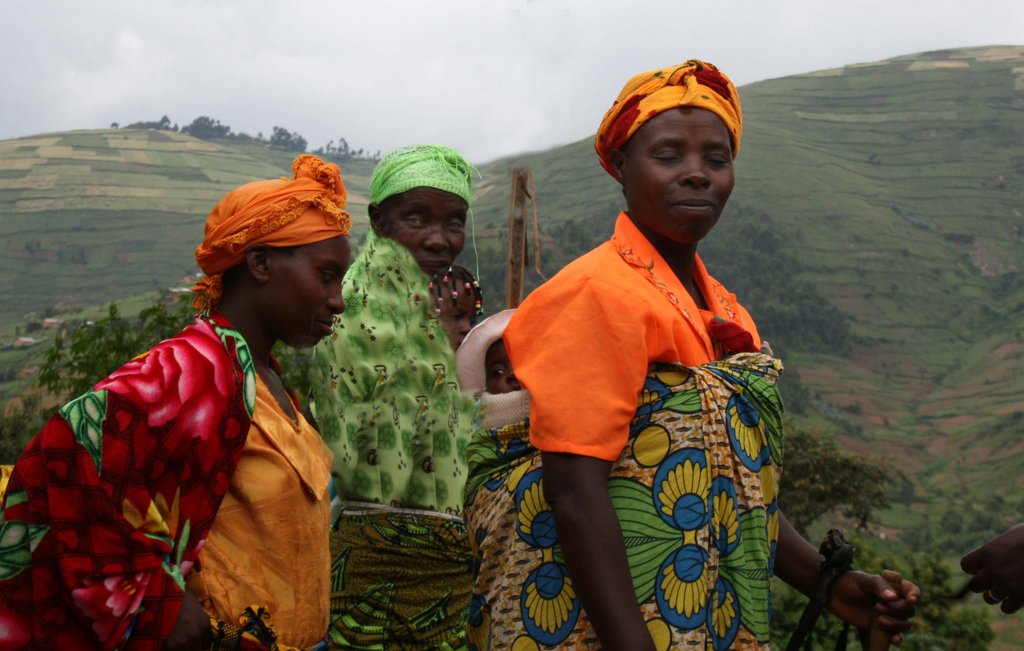
We will deliver a energy efficiency program for the school district and the surrounding community. The program will produce fuel briquettes from agricultural waste that are cheaper and burn longer, hotter, and cleaner than woodfuel. The schools' cookstoves will be upgraded and tree-farming will be implemented. Once firmly established, the briquette, cookstove, and tree planting programs will be spread to a community of 15K to 20K. The training/skills of women and girls will be emphasized.
The project will initially provide energy efficient technology and renewable fuel solutions for the 2K-strong school community, freeing up much-needed financial resources for books, food, and tuition. Additionally, the program will also reduce costly environmental and public health problems.
This project has provided additional documentation in a PDF file (projdoc.pdf).