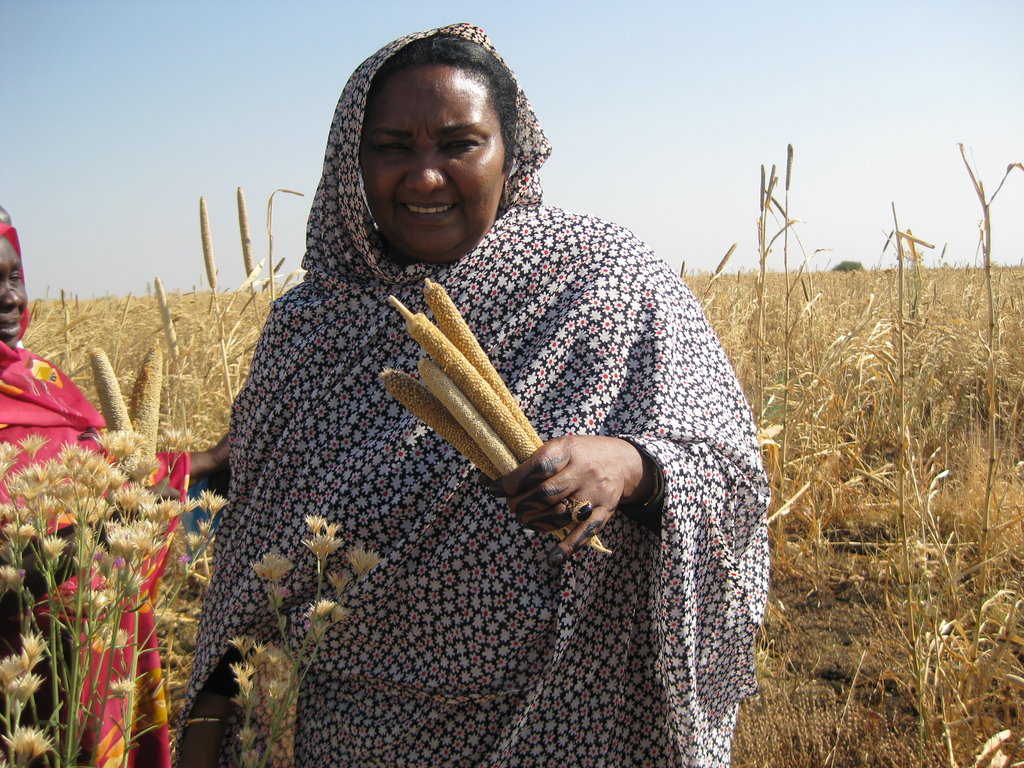
Sudanese Women Farmers Unite

Summary

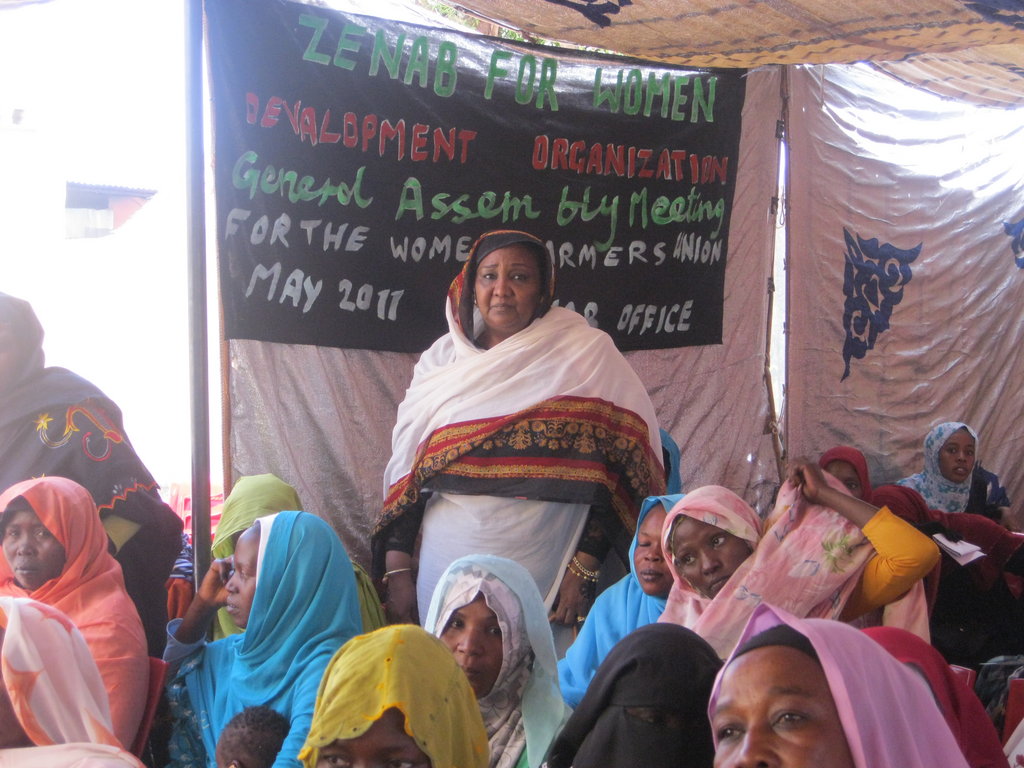
Help MADRE and sister organization Zenab improve economic sustainability in Sudan by giving women farmers access to seeds, land, and tools, and helping form the first Sudanese Women Farmers' Union. progress reportread updates from the field

How You Can Help  question mark

Make a donation
 

Received $1,490 from 29 donations from people like:

forlisac
cecysnyder
rbrowne
svnagappa

+


YOU!
Give now to become donor #30!

More Information About this Project

Project Needs and Beneficiaries

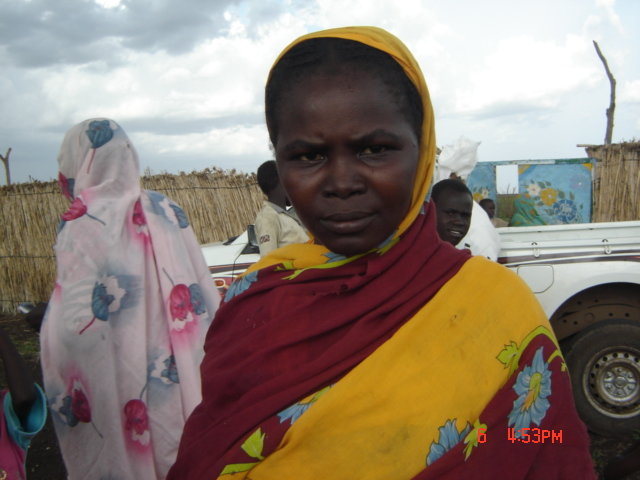
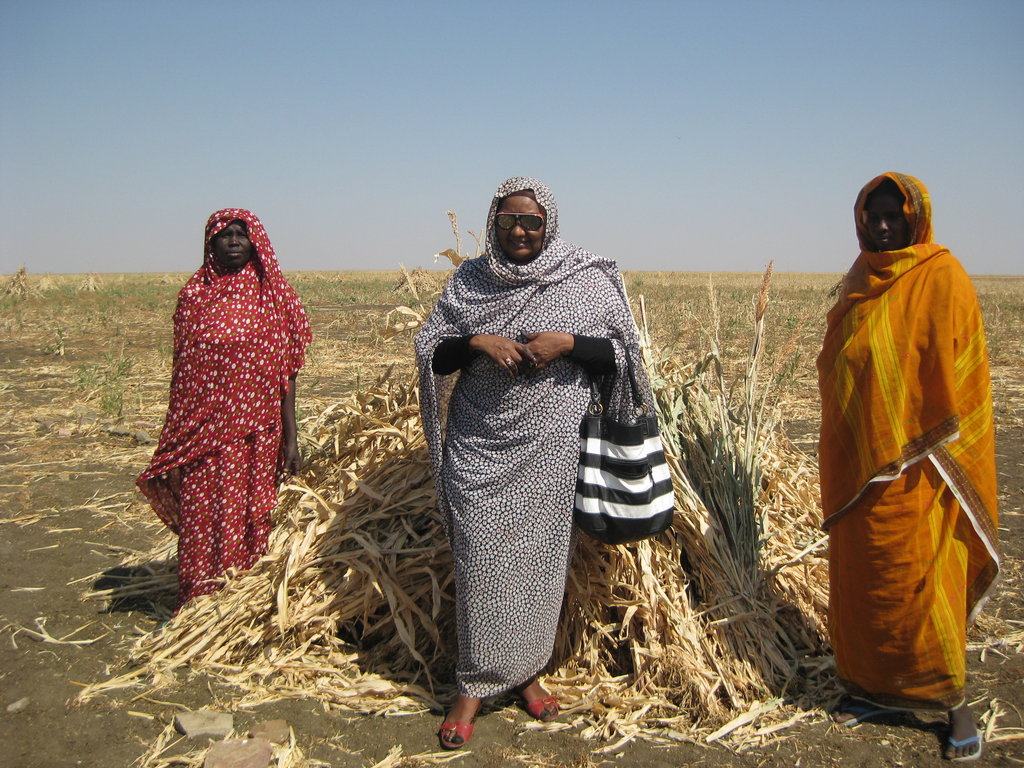
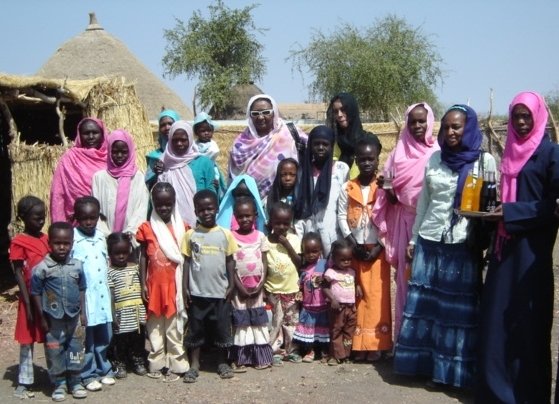
Women in Sudan are hit hardest by conflict and climate change, and by the drought and poverty that follows. They must generate income, prepare food, collect water and firewood, and care for 6-7 children on average; yet they are prohibited from unionizing to increase their earning power. By sharing resources with these women, who represent 20 villages and include refugees from Darfur, we can help them generate income to support their families and alleviate hunger one village at a time.

Activities

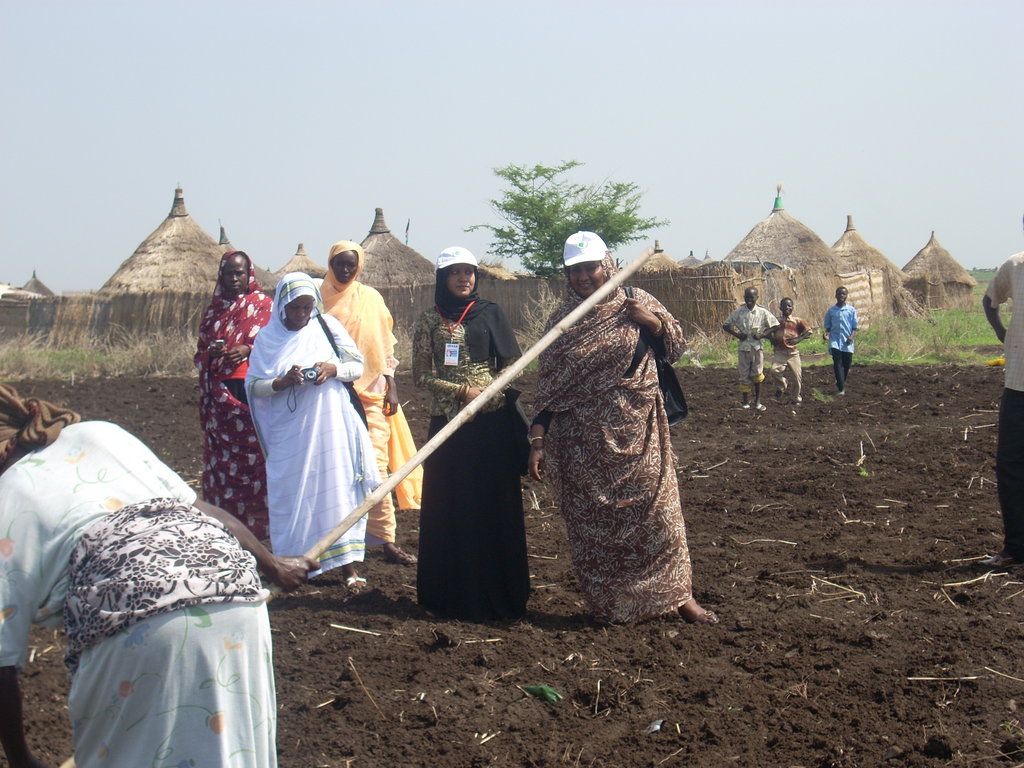
(1) Providing training in business, agriculture and human rights to ensure crop productivity and project success; (2) preparation of the land, including land and tractor rentals, and collection of seeds; and (3) harvesting.

Funding Information

Total Funding Received to Date: $1,490
Remaining Goal to be Funded: $40,010
Total Funding Goal: $41,500

Additional Documentation

This project has provided additional documentation in a Microsoft Word file (projdoc.doc).

Resources

Why this Project is Important

Potential Long Term Impact

While the initial harvest will include 200 women total from 20 villages, project participants are expected to increase to 500 by next year. This project will significantly increase the quality and quantity of food production in Al Qadarif and beyond.

Project Message

Before, the women had no hope, no access. Now they have a big hope. But this project goes so far beyond them. 75% of Sudan's sorghum comes from this region. We are farming for everyone.
- Fatima Ahmed, Director & Founder, Zenab for Women in Development

Who is Running This Project

Contact

Vivian Stromberg,
Executive Director
121 West 27th Street
Suite 301
New York, NY 10001
United States
212-627-0444
Email:

Project Sponsor

MADRE

Organization

MADRE, An International Women's Human Rights Org.
121 West 27th Street #301
New York, NY 10001
United States
212.627.0444
http://www.MADRE.org

Learn more about MADRE, An International Women's Human Rights Org. and the project team.


MADRE, An International Women's Human Rights Org.'s Current Projects on GlobalGiving

Support Women's Organizations in Myanmar Relief
Sustainable Agriculture for Women Farmers
Colombia: Giving Hope to Children of War
Help Colombian Families Displaced by War
Art Action for Peace: Support Young Iraqi Artists
Educate Indigenous Children in Kenya
Help Plant Family Gardens in Nicaragua
Help Families in Haiti Devastated by Hurricanes
See all 9 projects

Where this Project is Located

Country

This project is located in Sudan and can also be found under Environment.

For more information about Sudan, read the Human Development Report on Sudan or the Wikipedia entry for Sudan.

When this Project was Updated

Last Updated

This project was last updated on May 09, 2008.

Date Added to GlobalGiving

This project was added to the GlobalGiving project catalog on November 20, 2007.

Latest Update from the Field

The women farmers of Sudan need your help!

By Vivian Stromberg - Executive Director, MADRE, May 09, 2008 06:37 PM

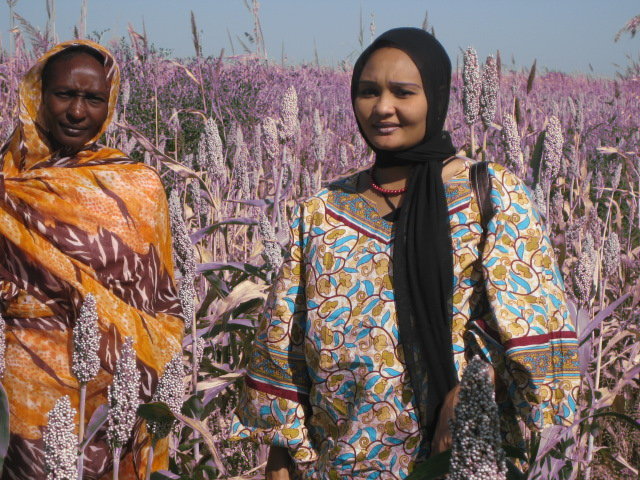
Al Qadarif is Sudan’s main agricultural state; 75% of sorghum, a dietary staple for many, consumed nationally has traditionally come from this region. As virtually all of Al Qadarif’s population relies on farming for their livelihoods, and a vast majority of residents live in a female-headed household, it is clear that women play a huge role in the state’s overall agricultural output. However, until 2007, women were denied entry into Sudanese farmers’ unions, and thus deprived of the information and resources crucial to a successful harvest. Here were thousands of women sitting on some of the most fertile land in all of Africa; meanwhile, war and famine were ravaging their country, and male-centered family and government structures were preventing them from lifting themselves, and their families, out of poverty.

Enter Fatima Ahmed, the director and founder of Zenab for Women in Development, MADRE’s Sudanese sister organization. Fatima comes from a legacy of community organizing. Her family has lived in Al Qadarif for many generations, and her mother, for whom Zenab is named, was well-known throughout the region as a champion of the children’s education, and girl’s education in particular. Because she is native to the region and has a comprehensive understanding of the culture and its unique challenges, Fatima has been able to gain the trust and commitment of the women farmers, along with the cooperation of government officials. She is truly an amazing and accomplished person, and this story, her story, the story of the women farmers of Al Qadarif, is inspiring.

Very little data exist on the population and agriculture of Al Qadarif, as government, scientific, and academic institutions in Sudan have been in varying states of upheaval for years. Fatima gathered information from twenty of Al Qadarif’s sixty-four villages. According to her research, 70% of households in the region are headed by women, with an average of 8.5 people per household. 72% of residents are illiterate, while 8% have obtained the U.S. equivalent of a high school degree. 99% of households studied rely on farming for either subsistence or income; poor seed and a lack of financial resources were the most commonly reported agricultural problems.

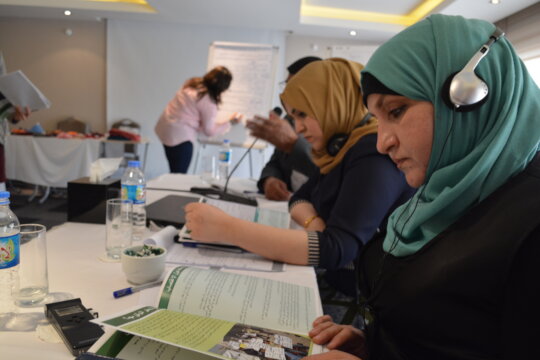
Armed with this data, project planning shifted into high gear, and we entered phase one of the project. Several women representatives from each of the 20 villages surveyed traveled to Al Qadarif City for an intensive two-day series of workshops in late March of 2008. The trainers taught interactive classes on successful agricultural techniques, basic business education, and human rights. Several participants initially exhibited some reluctance and trepidation; their wariness was warranted, as the history of outside aid in most areas of poverty and conflict has been riddled with shallow, quick-fix “solutions” that do little to address root issues, leaving the wellbeing of participants compromised. The trainers and organizers were sensitive to these needs, and by approaching them from a culturally relative perspective based on achieving lasting change, were able to not only gain the participants’ full trust, but their excitement and full commitment to the project.

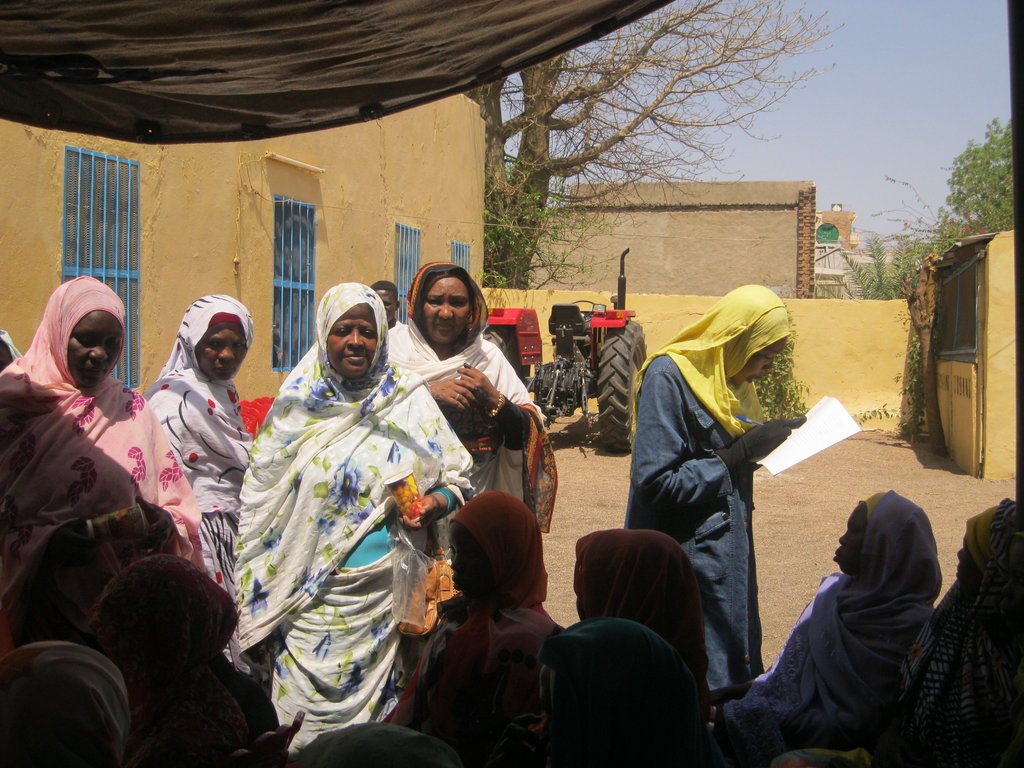
Phase two of the project, which we are currently in, concerns the acquisition and preparation of land and resources. Some of the farmers own their own land, but many rent small plots from others; we have to ensure that the women from each village had enough communal farming space to sow crops for both subsistence and income. Once this is accomplished, the soil has to be readied for an optimal harvest; as the survey showed, the women had very low levels of production, due to use of poor seeds, inefficient methods, and plant and animal parasites. Tractors must be rented and shared between villages to clear this amount of space. Land is rented and cleared easily enough, but finding seeds that were of good quality and reasonably priced presented a much larger hurdle. Fatima was able to secure a meeting with then-minister of agriculture; he sagely realized the potential of this project to raise overall food productivity and standards of living in Sudan, and offered to sell Zenab sorghum, sesame, and millet seeds at a reduced price. Finding a controlled environment for seed storage was another major issue, but Fatima was also able to persuade the minister to offer space in national seed bank for Mothers’ Farm.

Phase three, the planting and harvesting of the crop, was originally slated to begin in early July of 2008. However, trends in climate change have caused the rains to come early this year, so the planting has been stepped up to late May. Fatima and the women farmers are doing everything in their power to pull together the finishing touches of land preparation, but there are still many materials, and much land, that need to be rented, and only in a matter of weeks. Your donations in these next few weeks are crucial to the success of this project!

The women are thrilled about the very real potential for individual and collective success, but they’re not yet fully equipped for this season’s quickly impending harvest. You, the Global Giving community, have the ability to make a palpable difference in the lives of many. Please give today to ensure lasting change for the women farmers of Al Qadarif.

Comment on this update | Subscribe to "Updates from the Field" by E-Mail

How Else You Can Help

Spread the Word on your Profile, Blog, or Website

Put a widget for this project on your profile, blog or website to turn your friends into givers. Using our widget, it's quick and easy to add this widget to your profile or blog!

Get this widget on: