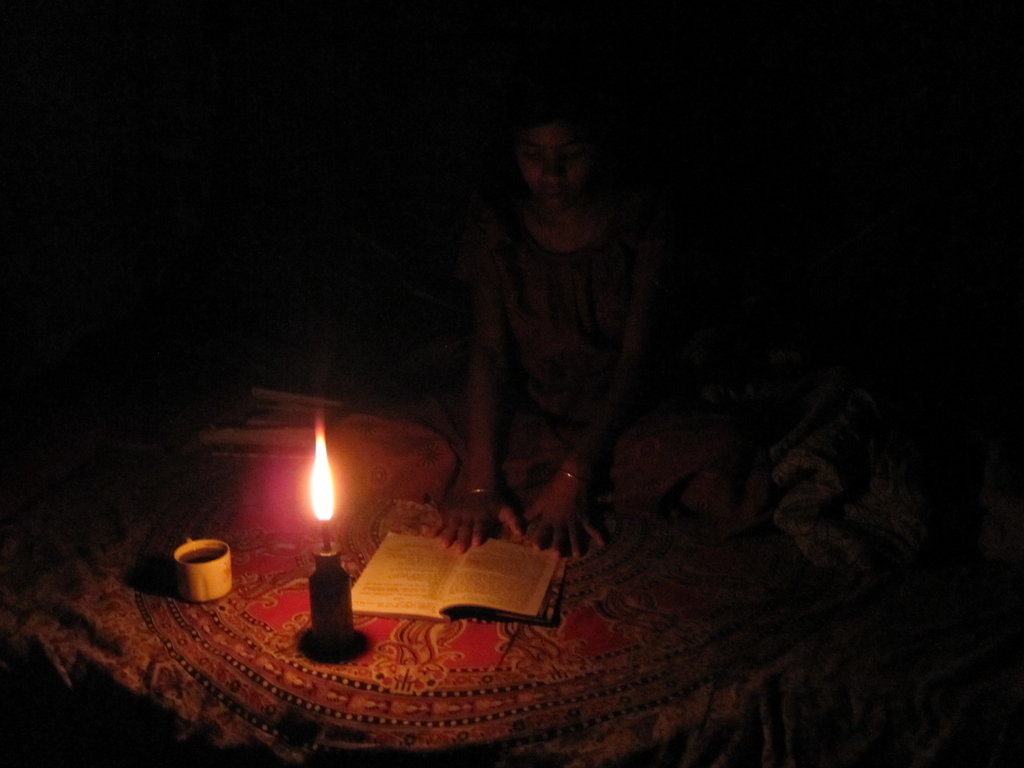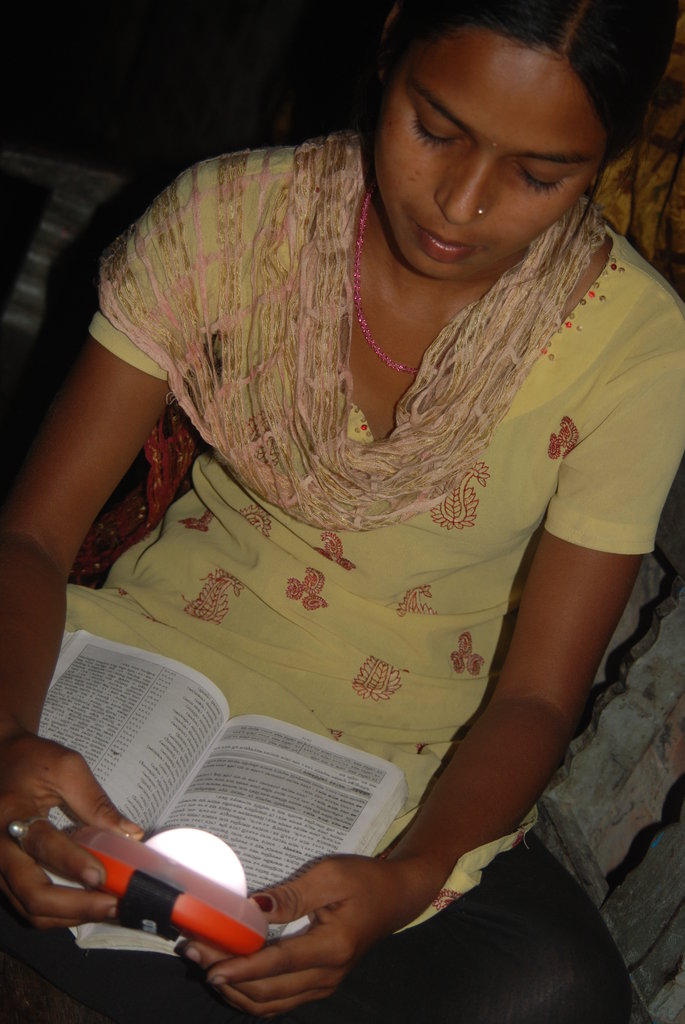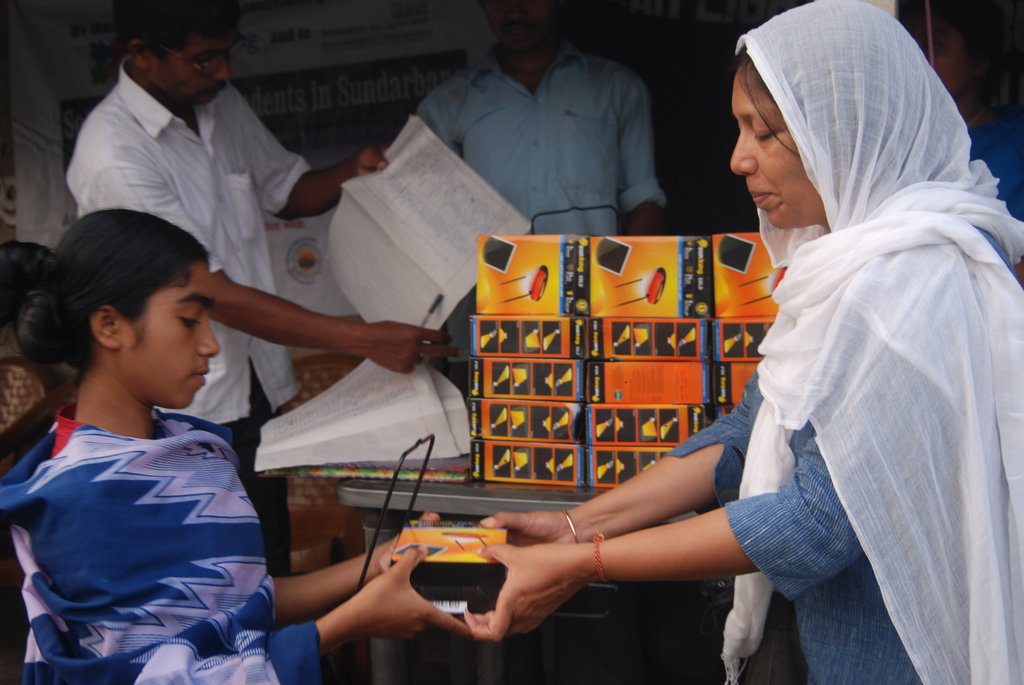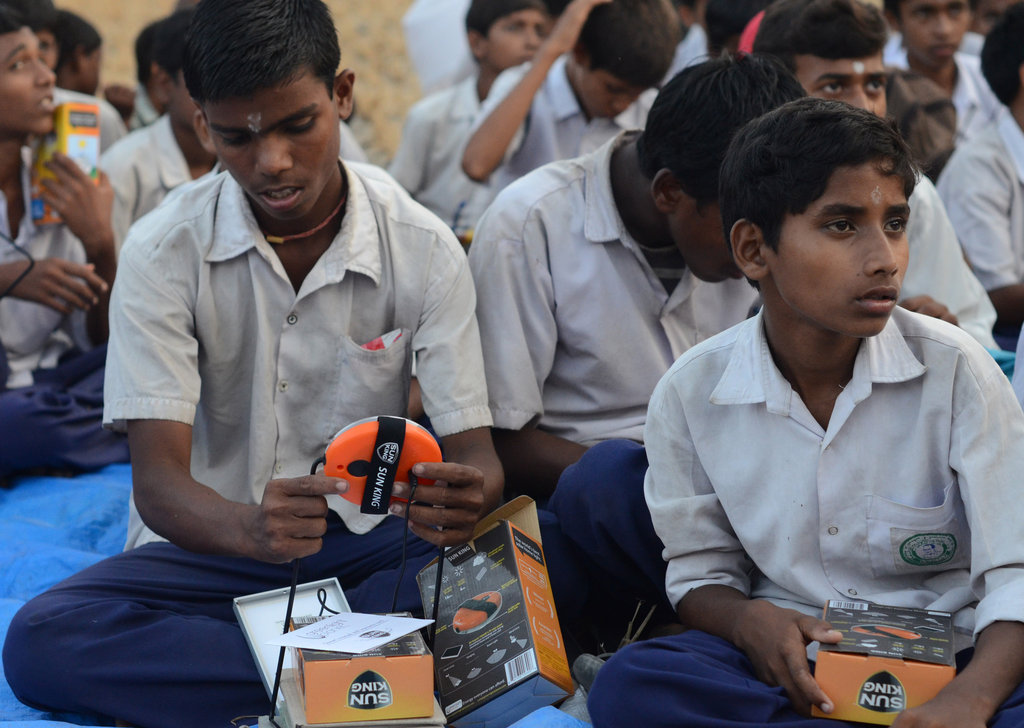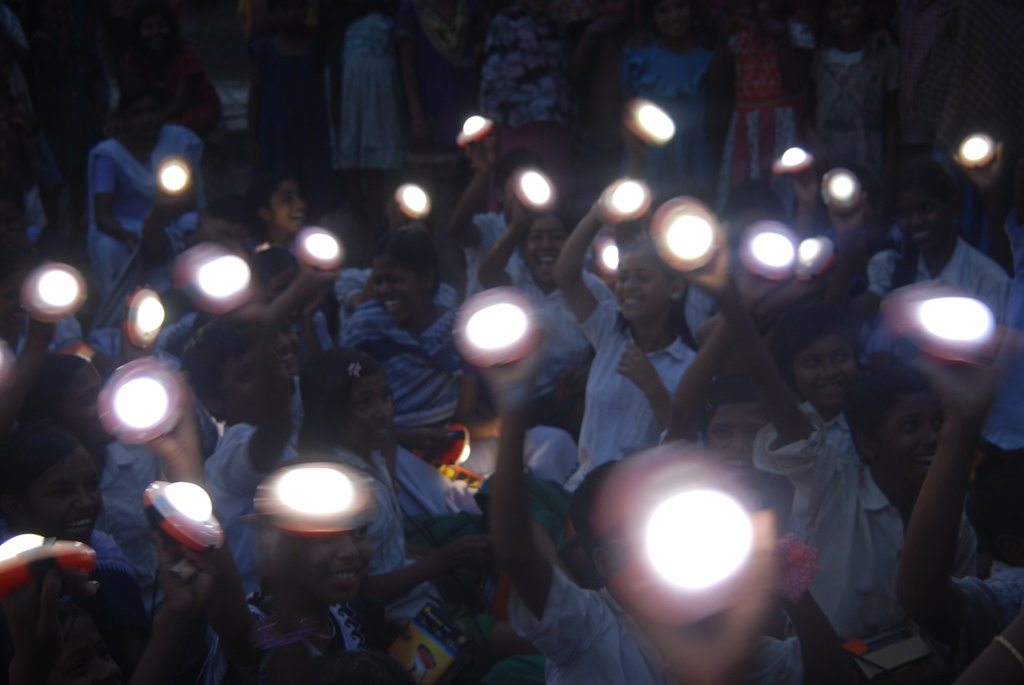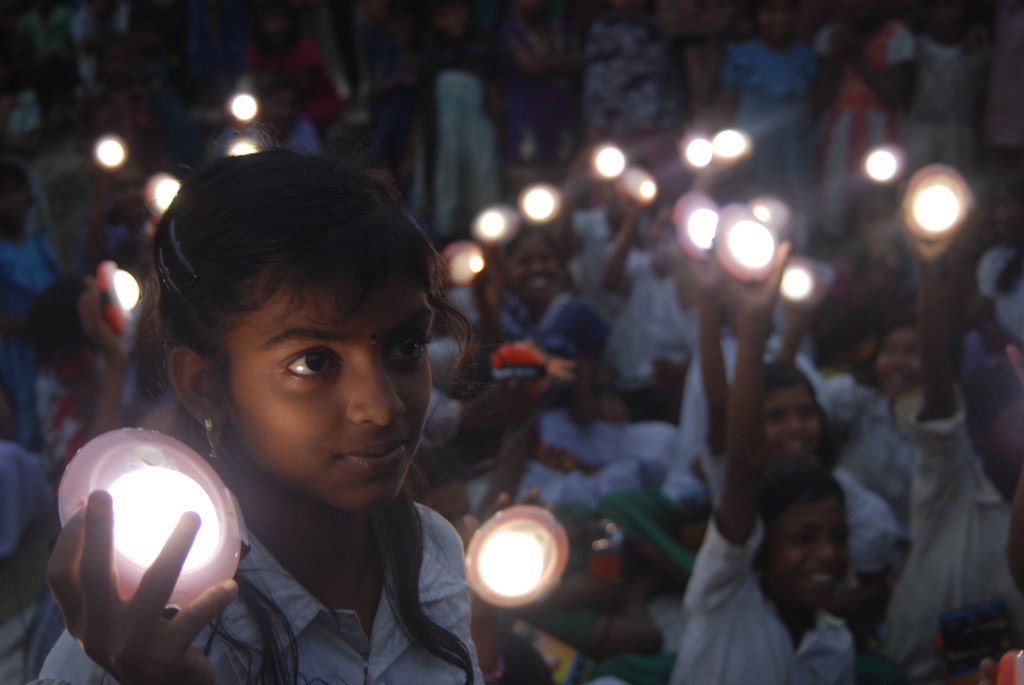
Children in the Sundarbans, India live in non-electrified villages making it difficult to do school work when the sun goes down. Those belonging to poor and ultra-poor families cannot afford to purchase solar-powered lamps. By providing solar lamps, we hope to further the educational endeavors of 2600 such school students. They will be provided with a solar lamp which they can use at home.
Rural electrification is a challenge that the Sundarbans face and this impacts the children of the community. Although a World Heritage Site, it is an area of poverty and lacks amenities for all-round development of children. Children often are faced with stopping their studies when darkness settles in. Most students use kerosene lamps, which require expensive oil and emits harmful smoke. By providing solar lamps, children will become active participants in their education.
We will provide a source of efficient and clean energy to 2600 individual school students and their families by giving them solar lamps. The students will have additional time to study and rise out of their poverty. The families can use the lamp for household chores when the students are not using the lamps for their studies.
The benefits of a solar lamp extend to the families of recipients as well, as the money saved on kerosene can be used for other purposes, for example invested in studies or household provisions. Ultimately, giving children the access to solar lamps will increase their investment in their own education, further the community's economic development and contribute to environmental protection.
This project has provided additional documentation in a Microsoft Word file (projdoc.doc).