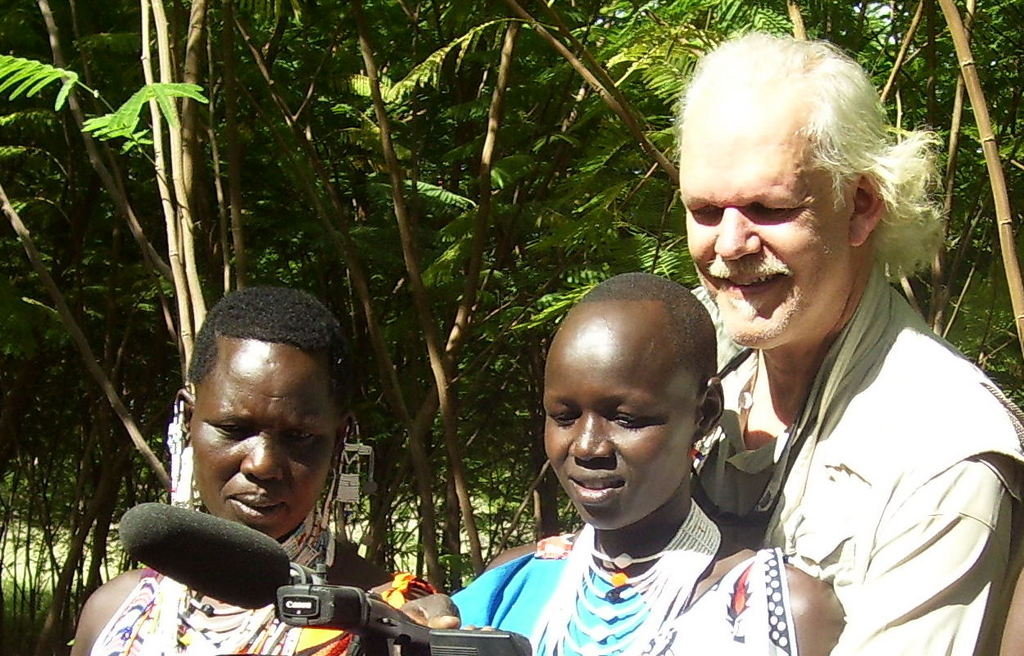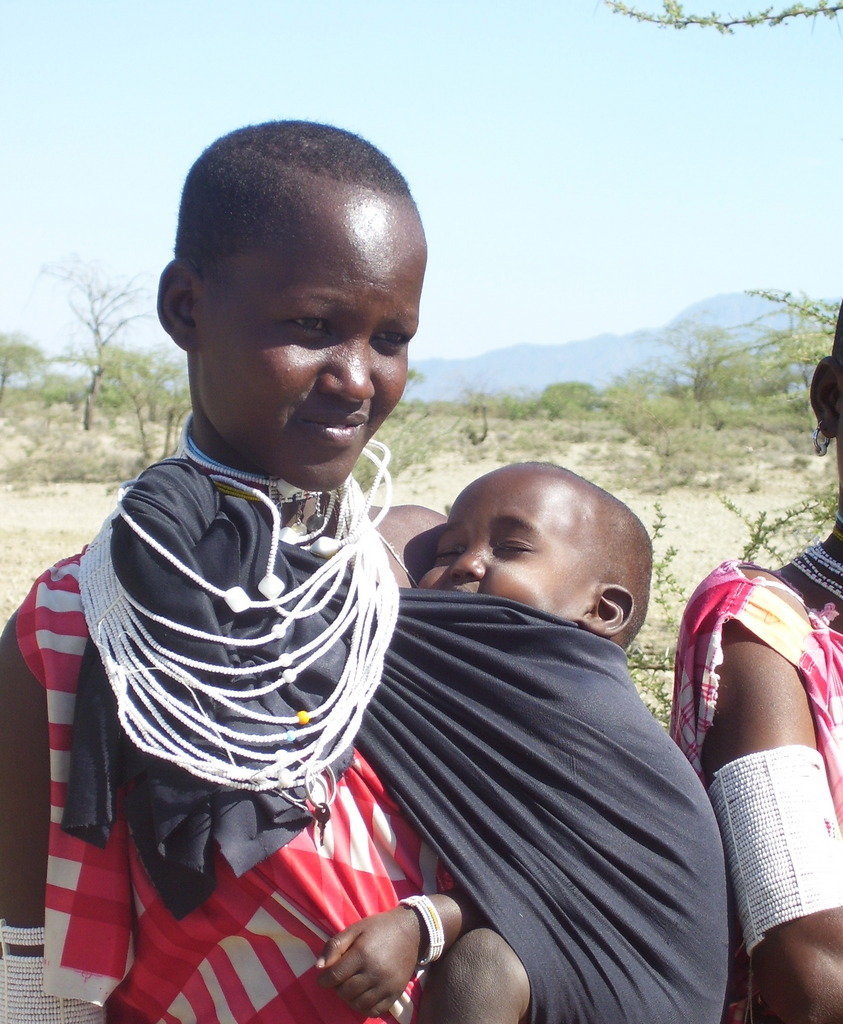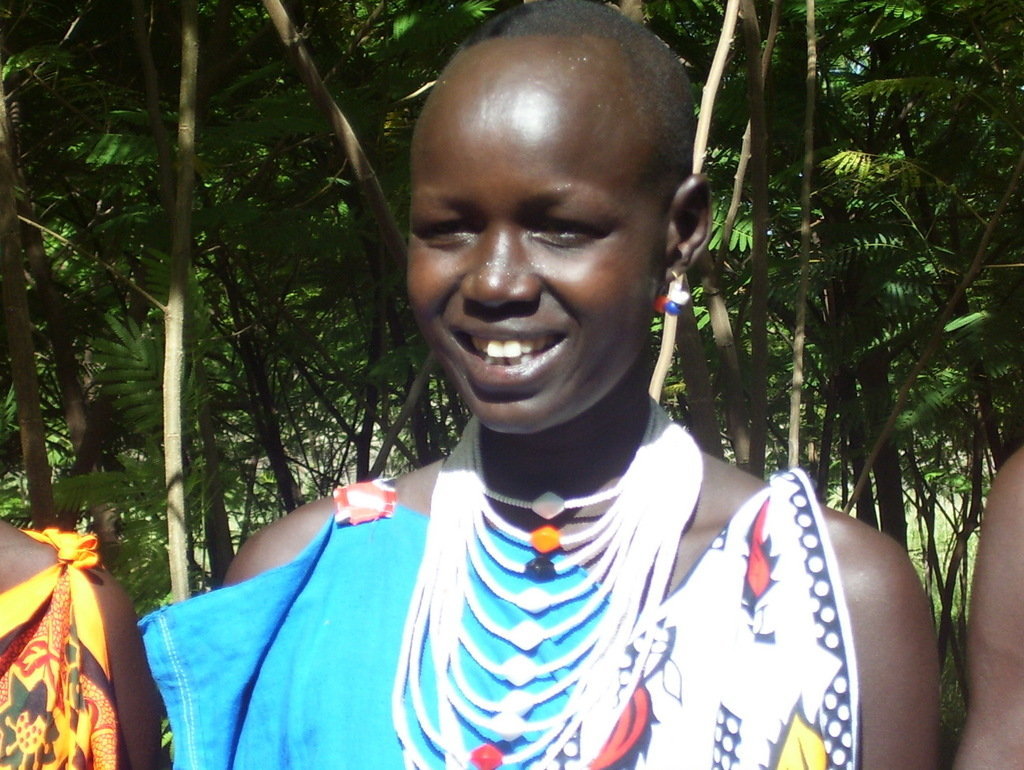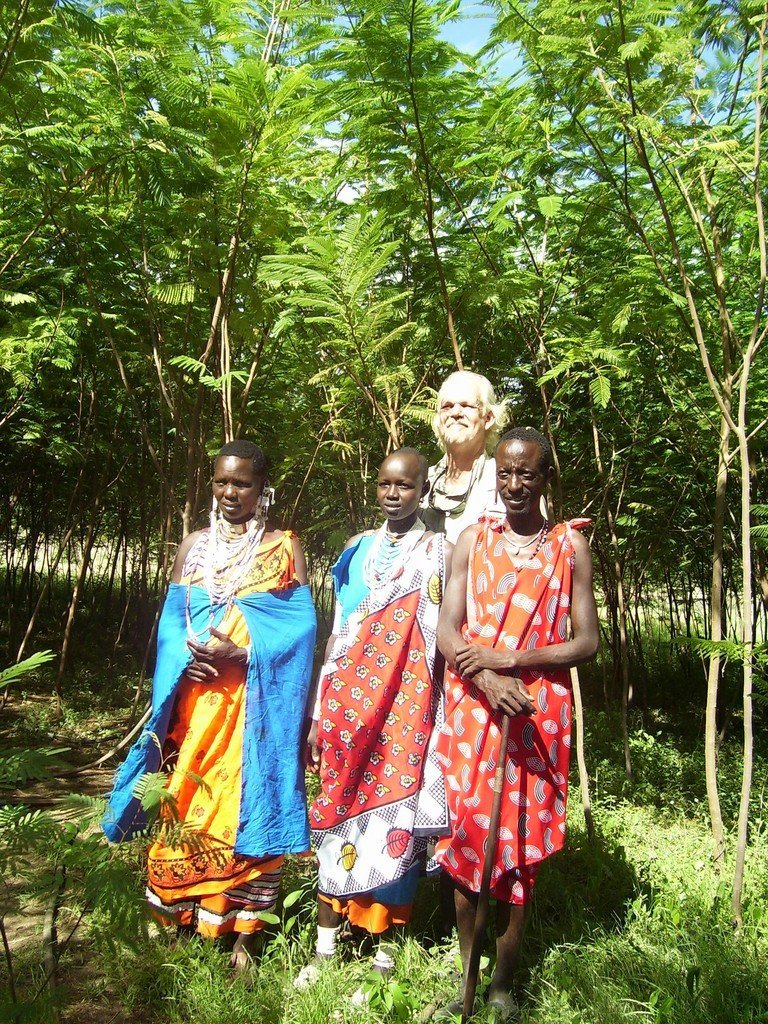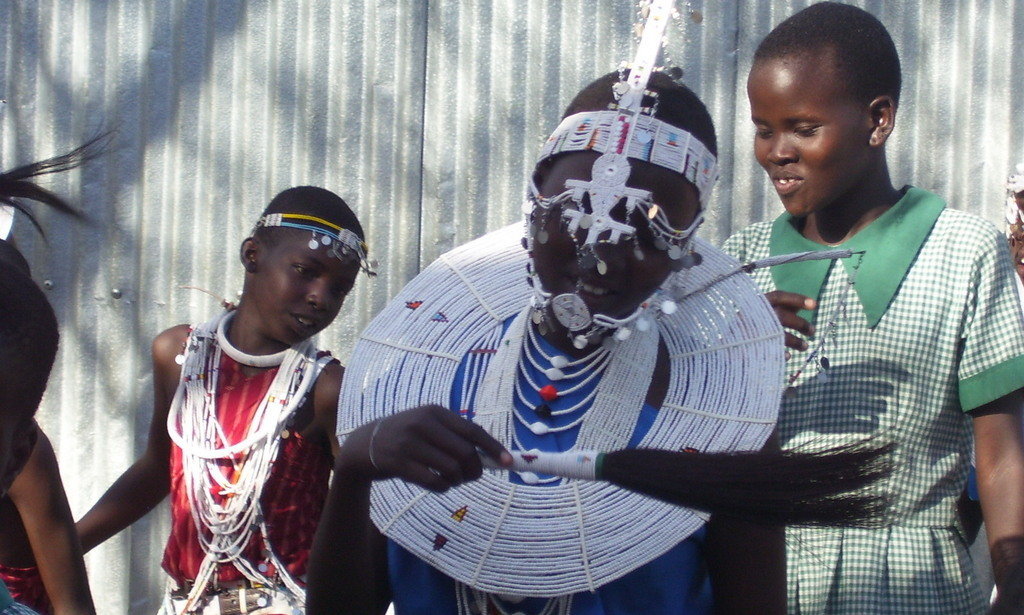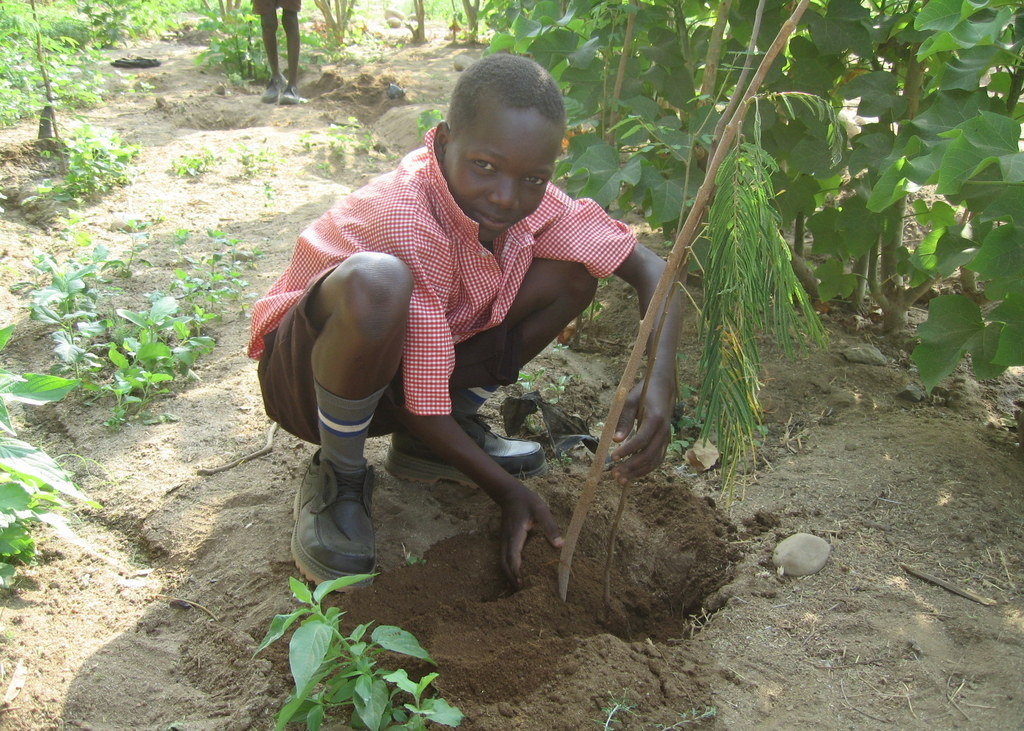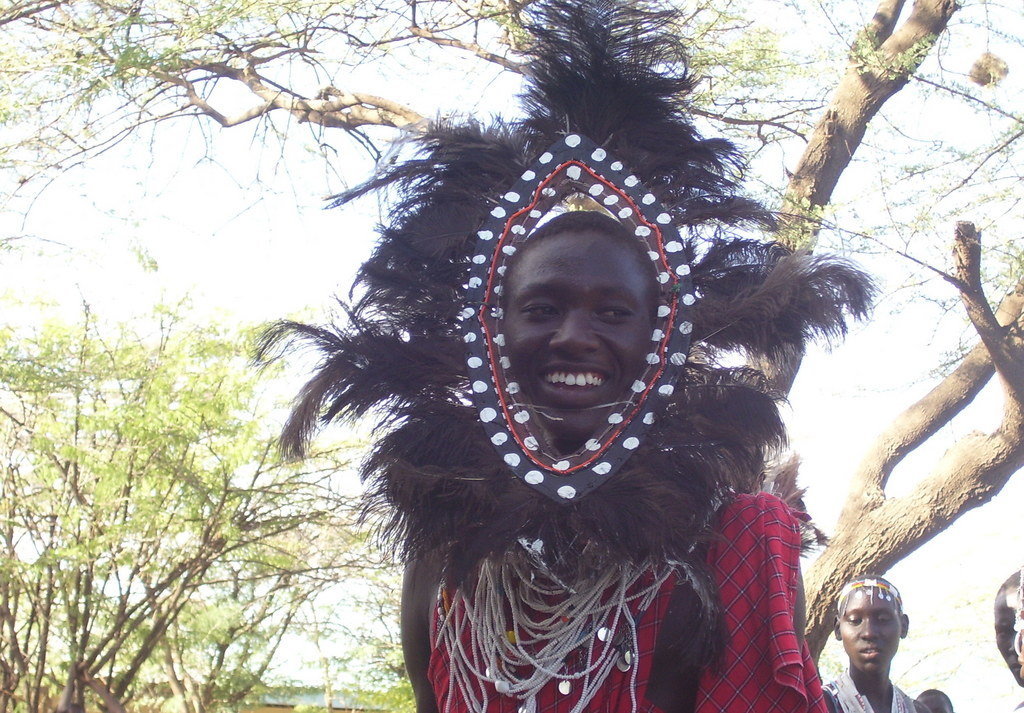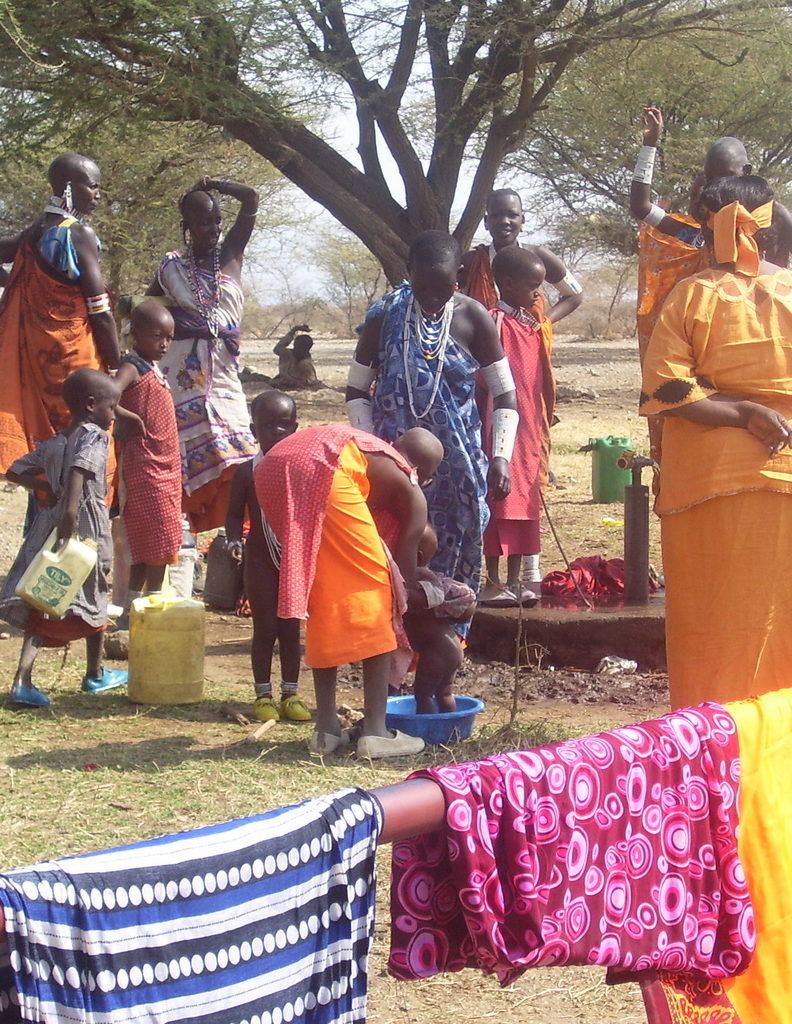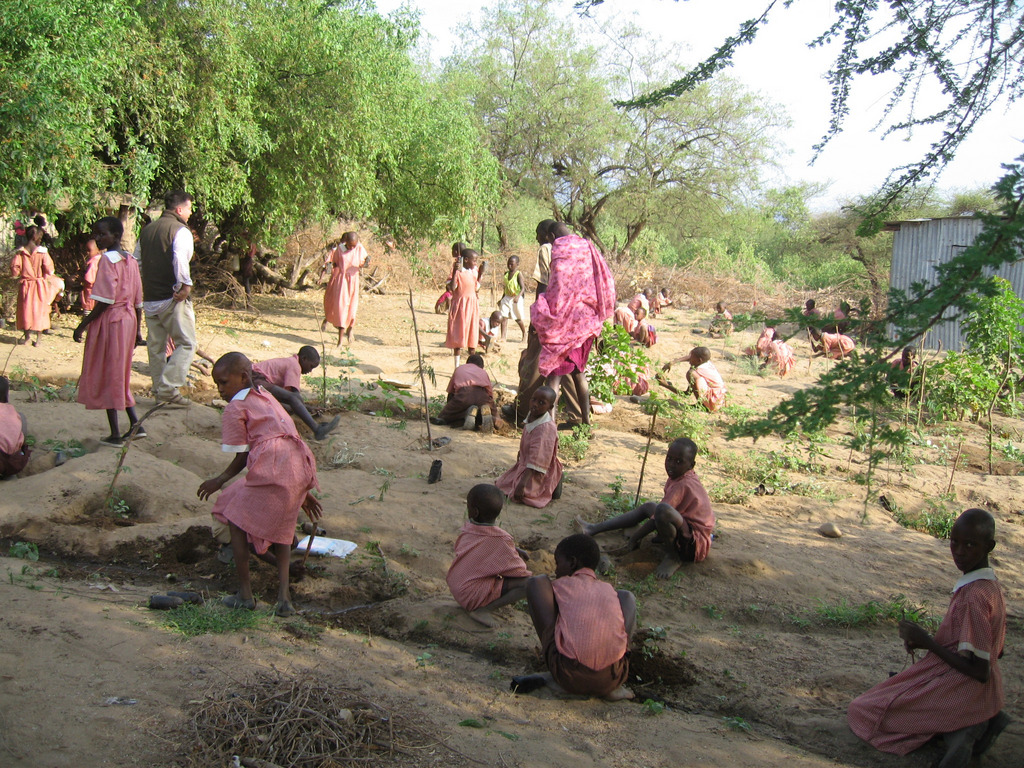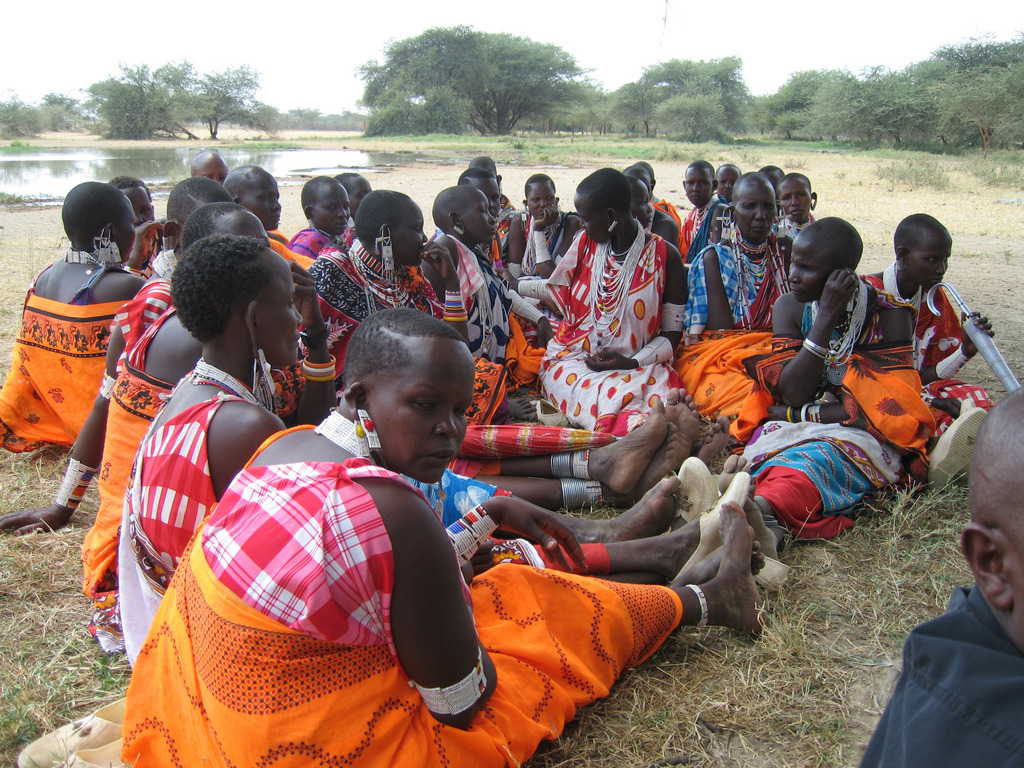
Thanks to your support we will be officially opening our "Community Watering Area" on November 27th. We are allocating 2 hectares of land where we will pump clean water from the river for the Masai women. We are going to cut there walk down dramatically and they will have a place to rest, in the shade, and a place where the women can fellowship. This is the official beginning of our Woman's Group. We will also be planting out 500 trees at the "Community Area" and another 5,000 trees will be planted in the community. Over 1,000 students are expected to attend. This will truly be a great day for the community. As we bring clean water and food, we are literally bringing life!
The Masai women have to work so hard everyday just to survive that we are grateful for the support of Global Giving and its donors. Instead of a 3 km walk each way, now they will only walk less than 1 km. But the best part is, we have started a garden in the "Community Area" The women are being trained in agriculture and we will be planting, greens, beans, melons and tomatoes Now we will be able to give them water security and food security. We already have 15 women signed up to volunteer to work in the garden and many more are coming. It is good to see them inspired.
The "Community Area" will have calliandra (fodder crops) for the livestock. The Masai live of their cattle and goats and with the drought they have been dying and people have been losing their livelihoods. The herdsmen will take turns grazing as to not overgraze the area. There will also be a watering trough specifically for the livestock. On a recent visit there were more dead carcasses than I have ever seen in my life. Bones littered the area.
"One lady committed suicide because she invested all her money in cattle and they all died due to the drought, also the men are under so much pressure, they are starting to commit suicide. This has never happened in our community" Peter Tingai, Masi Elder/Camp Manager
Life is unbearably tough for the Masai of Kenya, yet through your support we are able to positively impact their lives. I have a special thank you to all our supporters from the Masai women. "If we can get water and food, we will be able to keep ourselves going, otherwise, there is no future in Magadi." Female Masai Worker
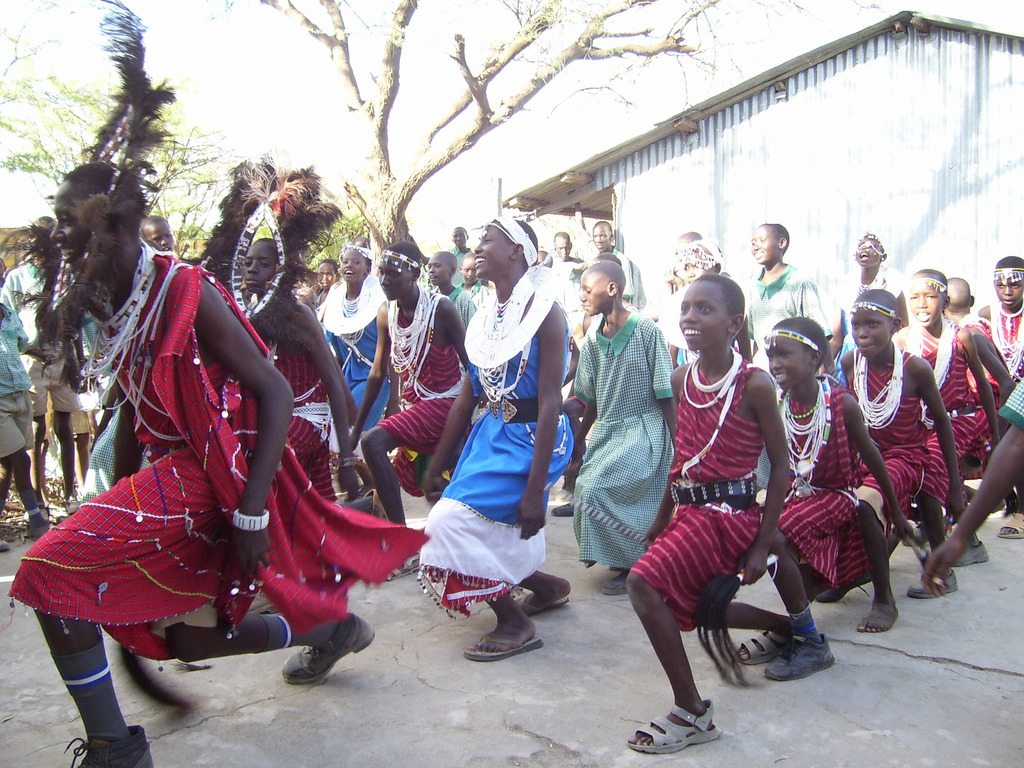
CONGRATULATIONS to the Shompole Primary School for taking first place in Kenya Music Festival. Their trip was sponsored by Global Giving supporters who visited the school earlier this year and donated money for their transportation. You can hear them sing on Turk Pipkens video listed on the site. For students to live in such a remote and dry area and to perform at this level, it is truly remarkable. A special thanks goes to Mary Drinkwater, from Canada, who stayed at the school for 30 days and worked with the students.
If you are in southern Florida on November 17th, check out the Miami Short Film Festival and you will see a film about our project and the impact it has on the Masai women. The film was produced and directed by Turk Pipken.
Thank you for your continued support and together we can change the lives of vulnerable Africans. it is not their fault that all the trees were cut down or the water has been polluted, yet they are the ones who suffer the consequences. They have lived here for over 500 years, lets keep them here a little bit longer.


Links:
STACY (staff)
Our appointment with Stacy had been fixed for 09:30 hrs. We arrived few minutes past the agreed time at the gates of Karen Connections the friendly guards directed us to the offices of African Conservation Trust, or ACT as everyone around referred to it. We were warmly ushered into a well organised single room office. He is so humble and we wouldn’t expect him to be the guy we were to meet, but yes he is Stacy.
In this well-lit office was a gentleman who was calmly sitting in a corner and a bubbly lady, the two introduced themselves as Peter and Zipporah respectively. Before we could even sit down Stacy was already introducing us to the world of trees, trees and more trees.
One of the projects being undertaken by ACTS and particularly the one supported by global giving is based in Magadi. Magadi happens to be one of the driest regions in the country. With the aid of video and pictures, Stacy took us through what they are doing to keep this region habitable and productive; his message was quite simple and plain “plant trees”.
Stacey is so passionate about trees that we sought to know if he grew up planting trees, to our amazement, he is an American whose first love was working with children in the slums of Kenya, something he is still actively involved in and enjoys doing. Stacey was introduced to Mr. Adam Tuller by one of the Trustees of ACT. That's how his love for trees began. By the number of times Stacy mentions Mr Tuller and how much support they are receiving from him it’s quite evident how pivotal Tuller is to the organisation and his passion for environmental matters. Even though he is quite talkative it’s very easy to notice how a team player Stacy is as he keeps on referring some questions to Zipporah and Peter to elaborate on issues on the ground as he actually refers to him as “The Man on the ground”.
Stacy is so proud of having the local community on board of the project; he sees this as the first achievement of meeting their goal which is self sustainability. From the video clips its easy to see how everyone from school children to old women are involved in the conservation of the environment and this is Keeps a smile on Stacey’s face as this makes him yearn for the next day in Africa as a conservatist.
=============================
ZIPPORAH (staff)
Zipporah is one happy lady. Immediately we got into ACT’s office she gladly offered a cup of coffee and for sure it was timely as it was quite a cold, chilly morning not to mention the location of the office which is basically located in a mini forest and so when they talk about trees we actually understand what they mean.
With an elderly beautiful grin on her face Zipporah does not hide her excitement of being associated with this organisation. Having lived long enough to understand exactly how the Maasai’s men have for a long time looked down upon their women folks, she feels very proud of how this has come of age as it’s so apparent with the current empowerment going on, women in the communities where ACT has had an opportunity to interact with are taking the front in the conservation of mother nature which has a polite way of paying back by giving them the conducive environment to do farming.
This initiative has greatly reduced the rate of malnutrition and dependent of handouts. Excess gotten from the farms is sold hence generating income for the families involved in the project. Zipporah's wish is they could have more support as this will greatly increase their presence and activities not just in Magadi but in Kenya and Africa as a whole. Zipporah is all smiles as he teases Peter on how the Maasai women can now go to work and girl go to school and compete with boys in all aspects of life.
As we leave ACT we promise ourselves to visit Magadi and share the experiences with the rest of the World.
=============================
PETER (Masai elder and beneficiary)
Peter - whom Stacy kept on referring to as the Guy on the ground - is a Maasai elder. Because of his position in the community - a community that respects hierarchy - he is a very important person for the project. Peter is composed and calm, from the looks you wouldn’t expect him to speak much but when starts talking about of the project you realise how much knowledgeable he is of the trees especially those that are suitable for the environment.
Peter is very proud when he sees members of his community embrace the initiative with so much enthusiasm especially when his fellow men in community allow women to go out and work, since time immemorial it has been a taboo amongst the Maasai community for women to go out and work as their place belonged to the Kitchen and child bearing. But since the inception of the project more and more Men are allowing their wives and daughters to go out and work for a living. Peter appreciates that when women are paid, they easily transform their earnings into food and savings for the family. On the contrary, Peter notes that men easily end up spending the same in non-beneficial ways, like drinking.
With trees and the involvement of women in the community is, he is aware that the future is bright. Self-sustainability of the community is not elusive as it has been widely conceived in the past. Peter says, "The Maasai goats and cows will have grass to graze on. There will be enough firewood for cooking and even selling."
The most important thing being that the environment will be conserved and food will be produced in plenty due to the nitrogen fixing plants.
Being an elder, Peter is happy that he is imparting knowledge to the future leaders of his community. Through the school outreach program - which is a sure way of leaving a lasting impact and a good legacy - Peter sustains the drive to get involved in the project rather than go for a paying job elsewhere.
"Make sure you visit us and see what we are talking about!" This is Peters parting shot.
Thanks to Sopranos actor and filmmaker, Turk Pipken, our video about the Masai women and our vision will be viewed at the Miami Short Film Festival from November 13 – 22. Come and support our program if you are in the area. Over 500 films were screened our film, produced by Turk Pipken, “A Convenient Truth” was one of the 70 films selected.
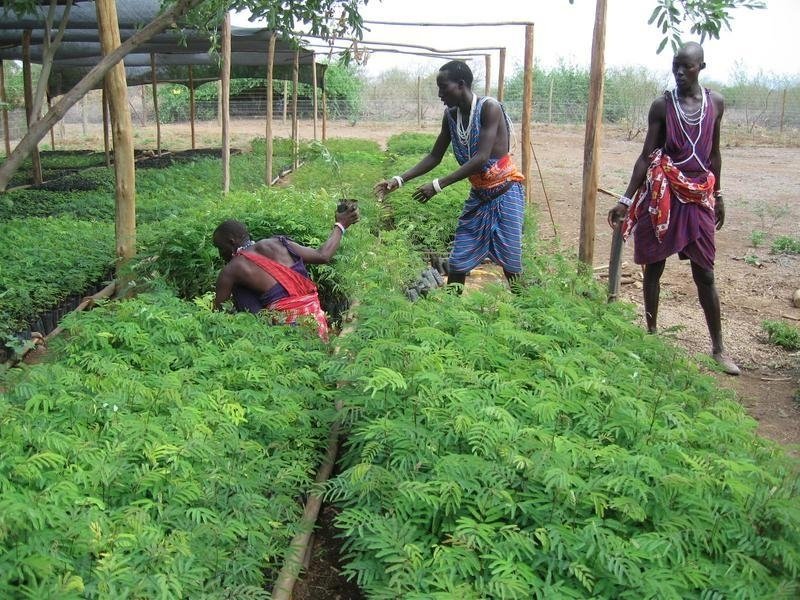
We have committed 25,000 trees to the UNEP Billion Tree Campaign and we will be planting out an additional 5,000 trees in November. With help from the Masai community, including elders, women and children, 5,000 trees will be planted out alongside the river.
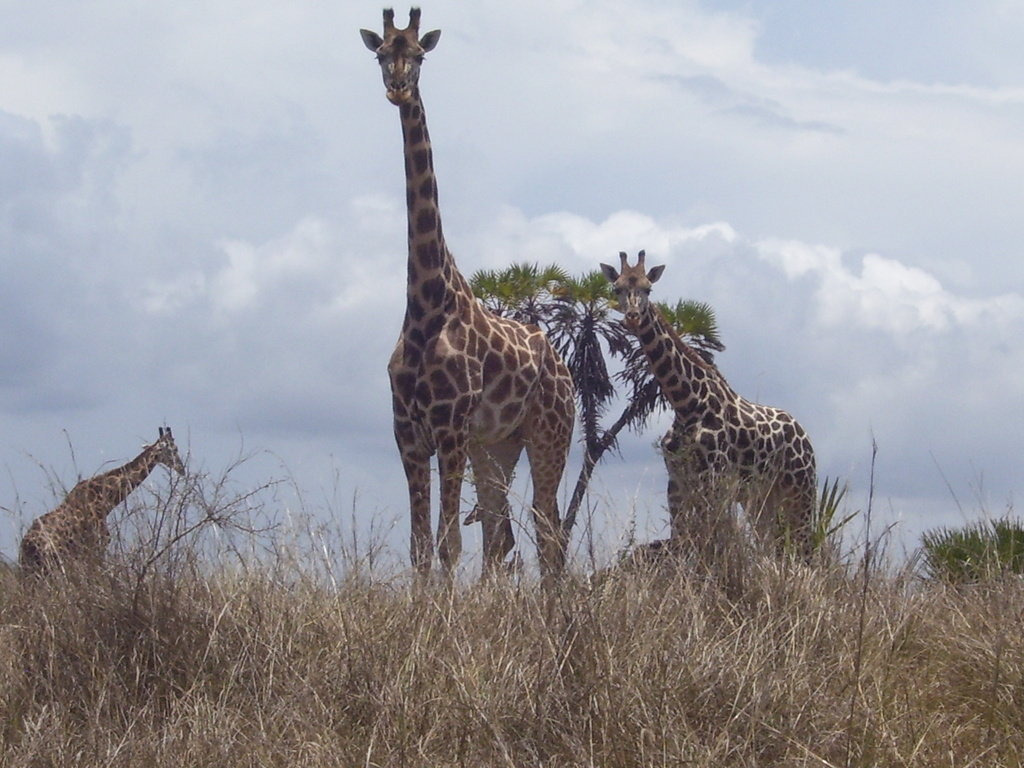
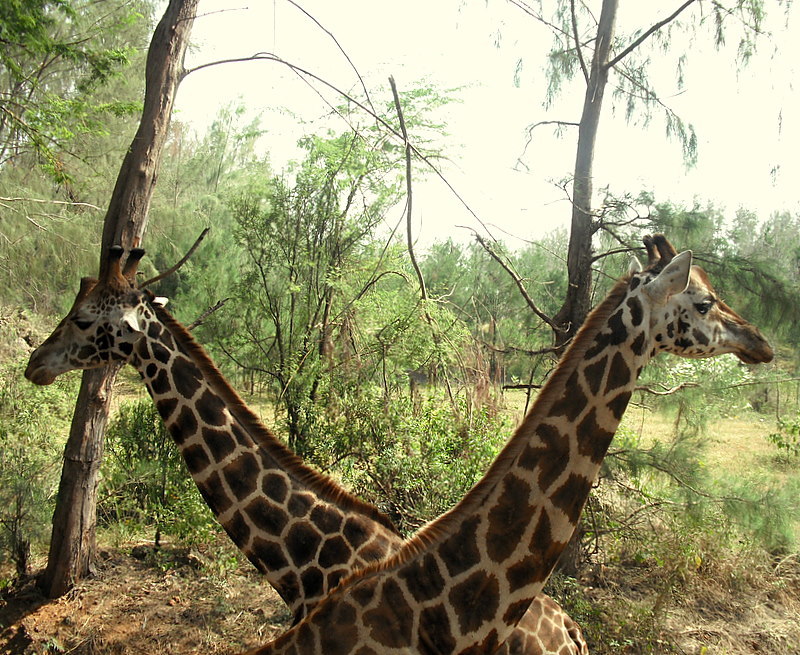
Due to the extended drought we will be planting the trees along the river to ensure that they grow properly. The lack of rain is causing problems for the trees, wildlife, but most importantly, the local inhabitants. Animals, mostly giraffe and baboons, are persistently eating the trees, and likewise, dead animals, mostly zebras, can be found all around the camp.
Yet through all the obstacles, it is the Masai women who have proven themselves most resilient. The come to work, take care of the families, fetch water and even work in the schools. The money they earn goes to feed their families and pay school fees for their children, and in addition, they cater to the needy in the community. We hope to have a fully functioning Women’s Program with 40 Masai women controlling the program by the end of the year. They will be trained in food crop management, water management and agro forestry. Most Masai traditionally do not eat fruits and vegetables, they rely mainly on meat and milk, but they are excited to start growing food crops. I am looking forward to the day when I can share a salad with my Masai coworkers.
There are even conflicts between humans. Many Masai travel days to find water and when they come across our nursery and plant out area there is often a disagreement. Everyone wants to graze their goats on our land, but overgrazing is part of the deforestation problem. To solve this problem, we have set up a rotation for the goats to eat the fodder crops to ensure it is not overgrazed. However, we have not been able to completely solve the water problem. People are breaking the water pipes at night and stealing the water.
To solve this problem we have started our Women’s Program. We will set up 2 community water tanks on our fenced in nursery. Water, through our solar pump, will be pumped to the tanks and then in turn, the water will be pumped to a community watering site. 1 tank will be used for drinking, bathing and livestock while the other tank will be used by the women to grow food crops (beans, greens, tomatoes, melons).
2 hectares will be set aside for food crops, fruit trees and fodder crops for the livestock. Since the area is adjacent to the nursery it will have full security. Most importantly this will provide water and food security for these vulnerable Masai. The women will have a short walk compared to the 3 km walk they make each way every day. Also, the women will be trained in agro forestry and water management to ensure all 500 families living in the area benefit.
The extreme drought is causing problems all across Kenya. As the water supplies are steadily dwindling, people are coming into conflict with one another. Animals continue to die and despite being illegal, loggers continue to fell trees all across Kenya. Yet through it all, our Masai workers have proven resilient. When the solar pump is down, they fetch water with buckets from the river to preserve the trees, however this is very dangerous as many Masai children have died falling down the steep river banks.
The Olika Boarding School has received more trees and is planting our on their compound. The children are excited to see the trees grow tall. One Masai girl stated “I love seeing the trees grow bigger and bigger. The taller they get, it makes me feel like there is a bright future for us.”
Thank you for your continued support and the Masai women thank you because without you they would not have the opportunity to empower themselves. Your contribution is literally saving lives and changing the outlook for the future for many women and children. Together we can change the world, ONE TREE AT A TIME!
Links:
Project Reports on GlobalGiving are posted directly to globalgiving.org by Project Leaders as they are completed, generally every 3-4 months. To protect the integrity of these documents, GlobalGiving does not alter them; therefore you may find some language or formatting issues.
If you donate to this project or have donated to this project, you will get an e-mail when this project posts a report. You can also subscribe for reports via e-mail without donating or by subscribing to this project's RSS feed.
This project is no longer accepting donations.
Still want to help?
Find another project in
Kenya
or in
Climate Change
that needs your help.
Nairobi,
Central Province,
Kenya
http://www.africaconservationtrust.org
Projects on globalgiving.org undergo compliance checks to ensure they have a bona fide charitable purpose and meet applicable laws relating to international philanthropy. Organizations listed as partners do not necessarily endorse or support any particular project listed on globalgiving.org. The GlobalGiving Foundation is a 501(c)3 organization (EIN: 30-0108263).
GlobalGiving
1023 15th Street, NW, 12th Floor, Washington, DC 20005
Phone: (202) 232-5784 Fax: (202) 315-2558
Contact us