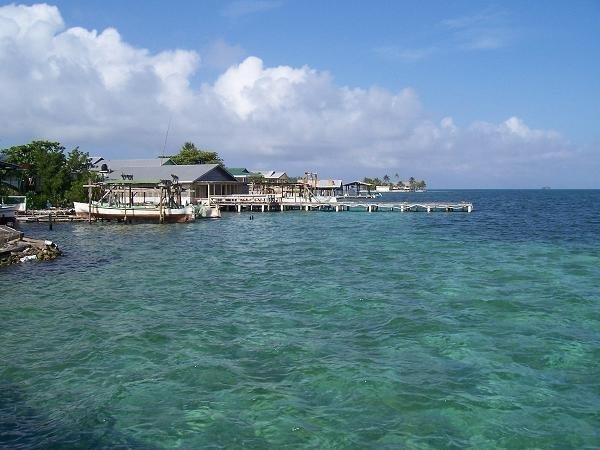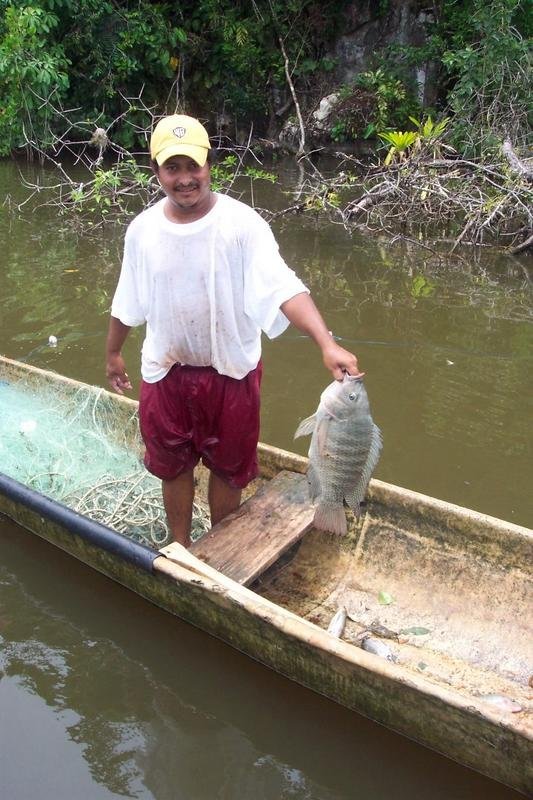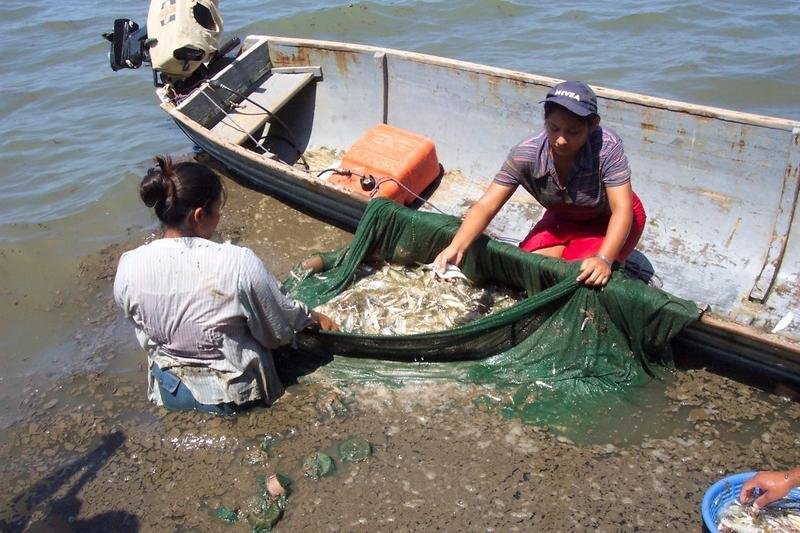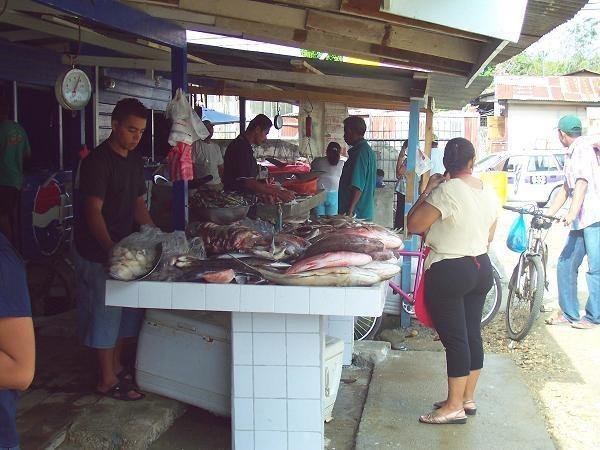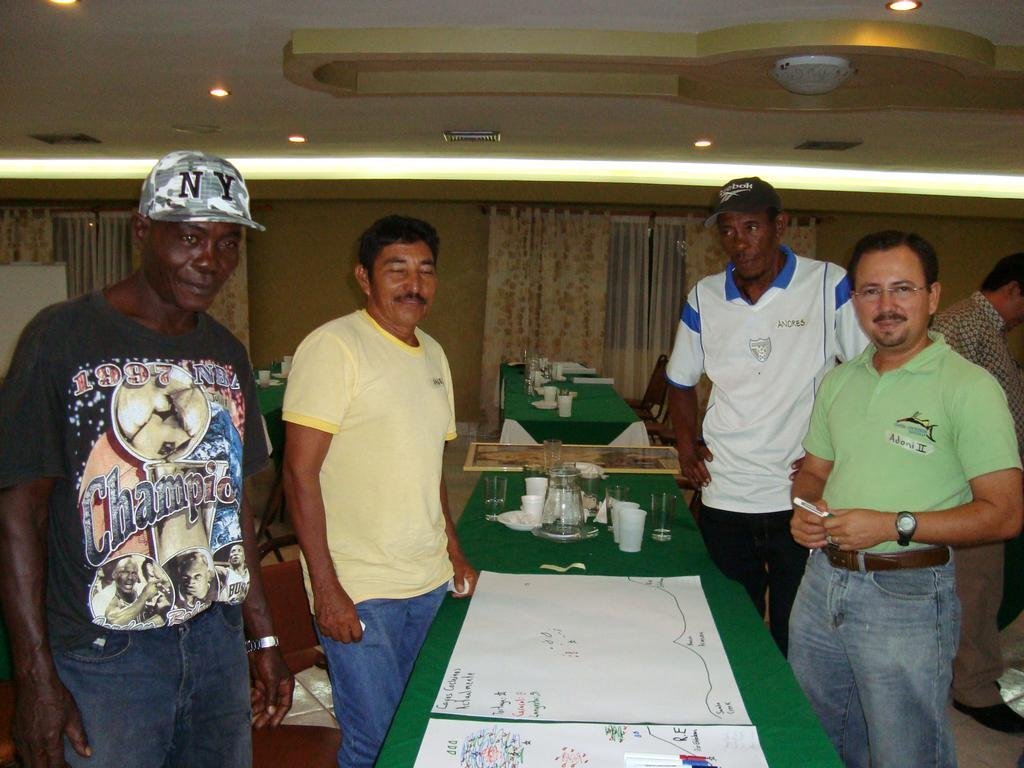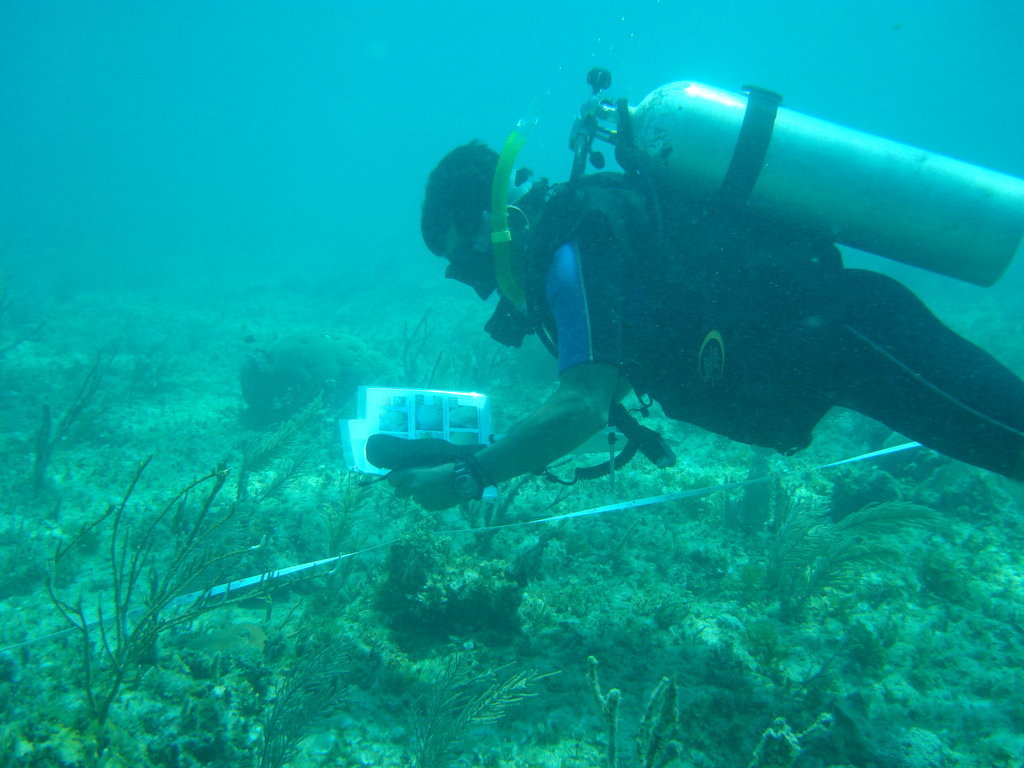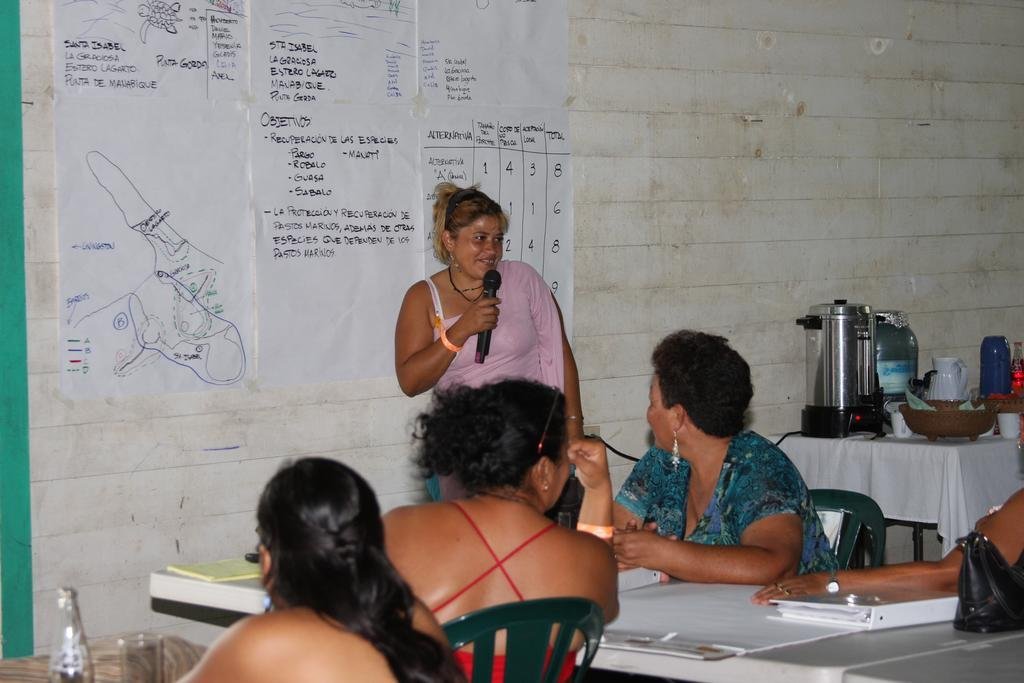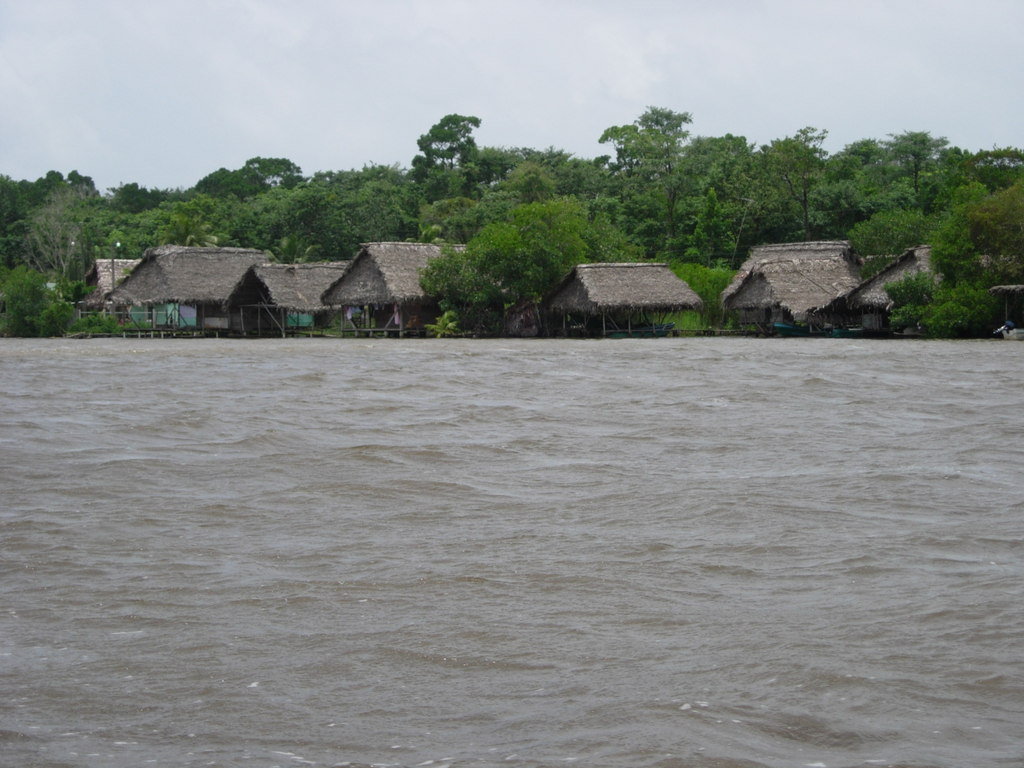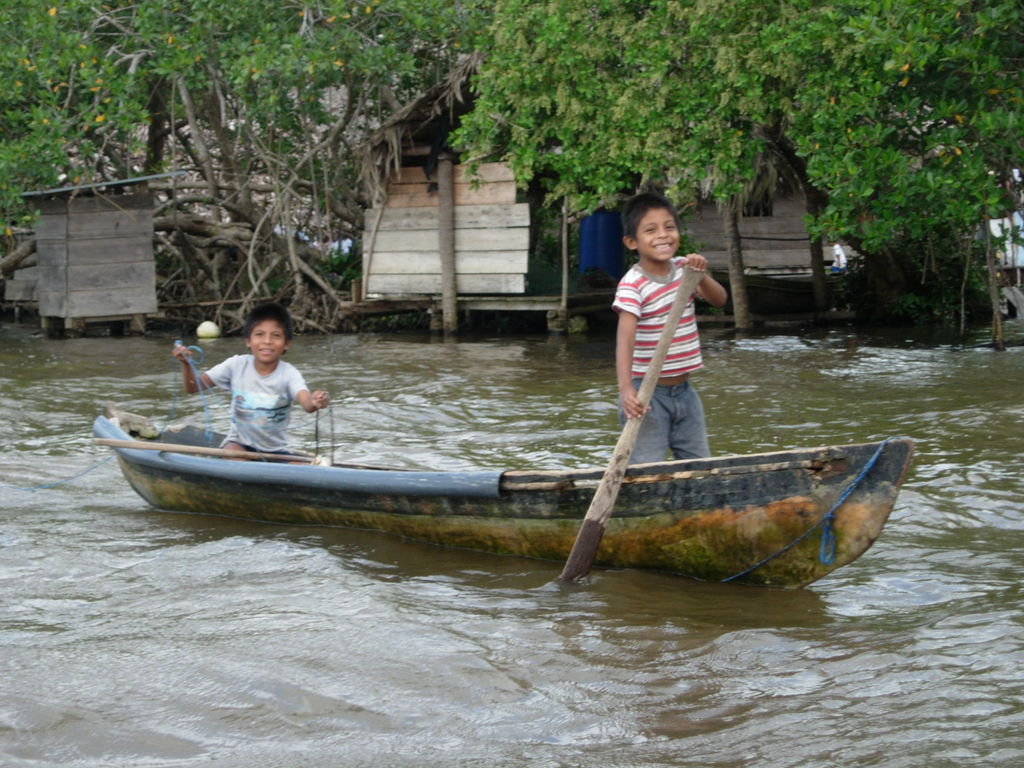
Now that the fishing communities from La Graciosa Bay, Punta de Manabique Wildlife Refuge, Guatemala, are taking their role as co-managers, they began by identifying action lines that they should work on, in order to empower themselves as resources managers. The action lines identified were:
They are also working in the identification of needs of the protected area and its natural resources. They have also designed the Action Plan for the fisheries recovery sites and are now socializing it with all the communities before beginning its implementation.
It has been a long and hard way to obtain the official involvement of fishers in the co-management process, but we are walking the right way on achieving the natural resources recovery through the participation of stakeholders, who after all are the main users of this resources.
Do you agree with me?
Thank you very much,
The MAR Fund team
In recognition of the importance of this signing of the fisheries co-management agreement as a first step towards conservation of fishing resources and marine ecosystems, authorities from the Council of Protected Areas (CONAP), the Fisheries Department (DIPESCA) and the Ministry of Environment and Natural Resources (MARN) organized an official ceremony for the delivery of the signed agreement on September 18.
These are the first fisheries recovery areas (no take zones) established in Guatemala, and the first co-management agreement signed between authorities and fishermen. Through this experience, 345 ha (853 acres) are being protected.
CONAP and Fundacion Mario Dary (FUNDARY), an NGO supporting the fishermen in the zone, have been participants in this process since the beginning. As part of the supportive activities, they started a training process on management of coastal marine protected areas with the fishermen. Among the topics that have been covered to date are: Communication techniques and participatory planning of marine protected areas, and management of marine protected areas.
We are very excited that our efforts and your support are gathering together organizations to keep supporting the fishing communities who have just started their new important role as co-managers.

We are very happy to share with you the exciting news that on July, 2012, the first fishing co-management agreement between authorities and civil society was signed in Guatemala.
Now, fishermen of the four communities from Bahía La Graciosa and Puerto Barrios will share responsibilities with the authorities to protect and preserve their fishing resources inside the bay. The agreement consists in providing the fishermen a co-management area and three fisheries recovery sites.
This remarkable event was taken as an example for other fishing communities of the Guatemalan Caribbean. They are all waiting to see the results that the fisheries recovery sites will bring - more fish.
Although the agreement is already signed, there is a lot of work to do. Fishers and authorities have to design and implement an action plan for the co-management area and the recovery sites. This consist on meetings, paper work, designing of monitoring methodologies, capacity building, equipment, etc.
We are certain that with your help we will be able to support this extraordinary group of persons that only want to ensure fishing resources in a sustainable manner for their children.
Thanks for all your support!
After fifteen months of efforts and hard work, three fishing communities of La Graciosa Bay and one from Puerto Barrios, Izabal, and the National Council of Protected Areas (CONAP; Spanish acronym) have reached the point of signing the co-management agreement for three fisheries recovery sites and a co-management area.
If everything goes well, this will be the first agreement of its kind in Guatemala, and will open the door for other many fishing communities that are interested in these kind of initiatives, but were pending to see how the La Graciosa project turned out.
The most valuable and rich outcome from this process has been the consisting interest from the fishing communities. They have never stopped fighting to implement the fisheries recovery sites, and they stopped fishing inside of these areas even when they didn't have any official tool to support them, as the agreement.
At least two more fishing communities in Guatemala are requesting support to begin their own co-management proposal, as they are clear that the fishing resources are decreasing, and the only way to preserve them is to get involved in its management.
We are very grateful for your support and we need more of it to consolidate more successful initiatives like this one!

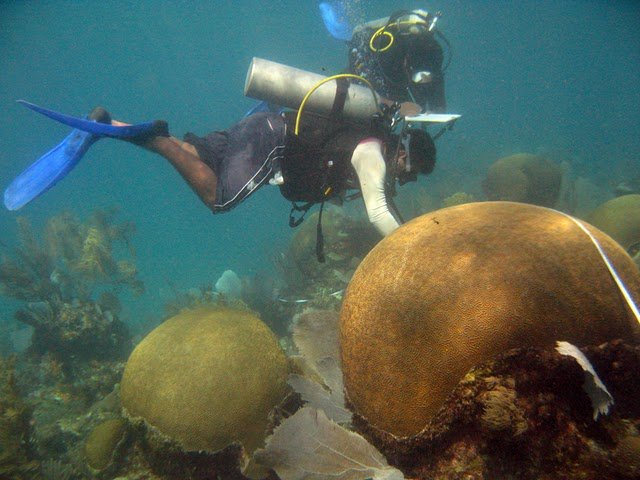
After only two years of the Community Fisheries project’s implementation in the Arrecife de Puerto Morelos National Park, Mexico, fish stock has shown an admirable recovery inside the established fisheries recovery sites (fish refuges or no-take zones).
Fishermen are very happy, because they have begun witnessing how spillover from recovery sites is filling their fishing grounds again, and their fish catch is increasing.
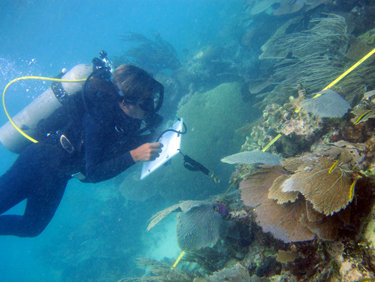
The most important outcome of this process is that the fishermen are not only taking advantage of the spillover, but since they continue to monitor inside and outside the no-take zones, they can see the difference between the two.
Now, with proof on their minds, and convinced that no-take zones are a viable solution for coastal fisheries within Protected Areas, they can share this information with other fishing communities that are still not convinced of the effectiveness of this method.
We are designing exchange visits to other communities so that our Community Fisheries Program can grow and we can create a network of community marine reserves (no-take zones) across the MAR region.
Please continue supporting us to help us achieve this goal and spread this practical fisheries recovery solution!

Project Reports on GlobalGiving are posted directly to globalgiving.org by Project Leaders as they are completed, generally every 3-4 months. To protect the integrity of these documents, GlobalGiving does not alter them; therefore you may find some language or formatting issues.
If you donate to this project or have donated to this project, you will get an e-mail when this project posts a report. You can also subscribe for reports via e-mail without donating or by subscribing to this project's RSS feed.