Support Women Farmers in Sudan

 
$6,396
$35,104
Raised
Remaining
Jan 7, 2012

MADRE Partner Fatima Ahmed on Climate Change and Women's Leadership

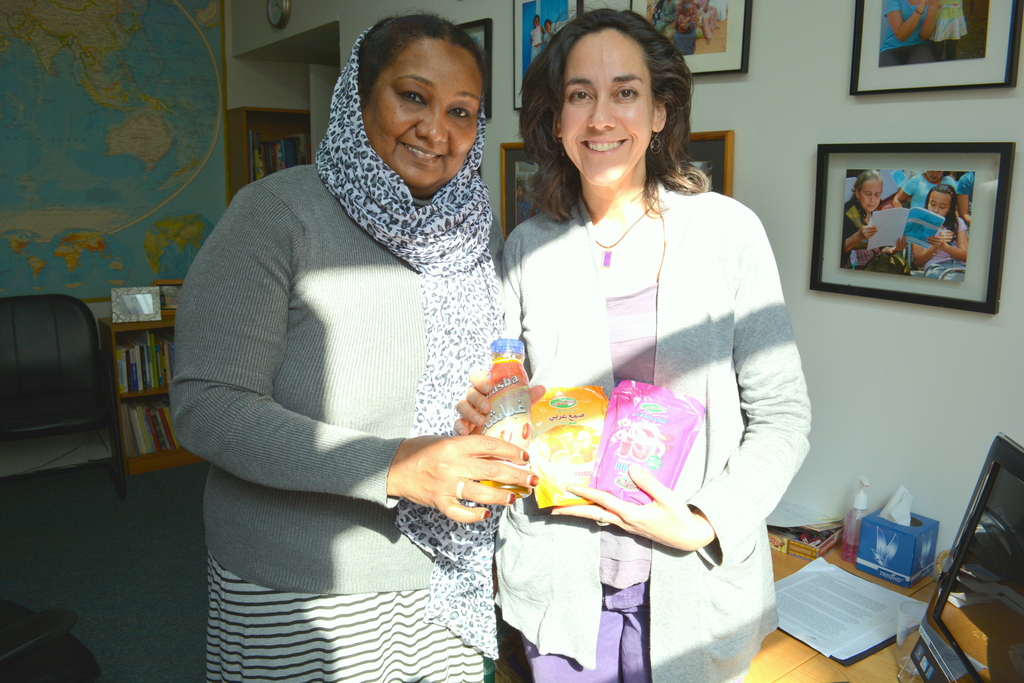
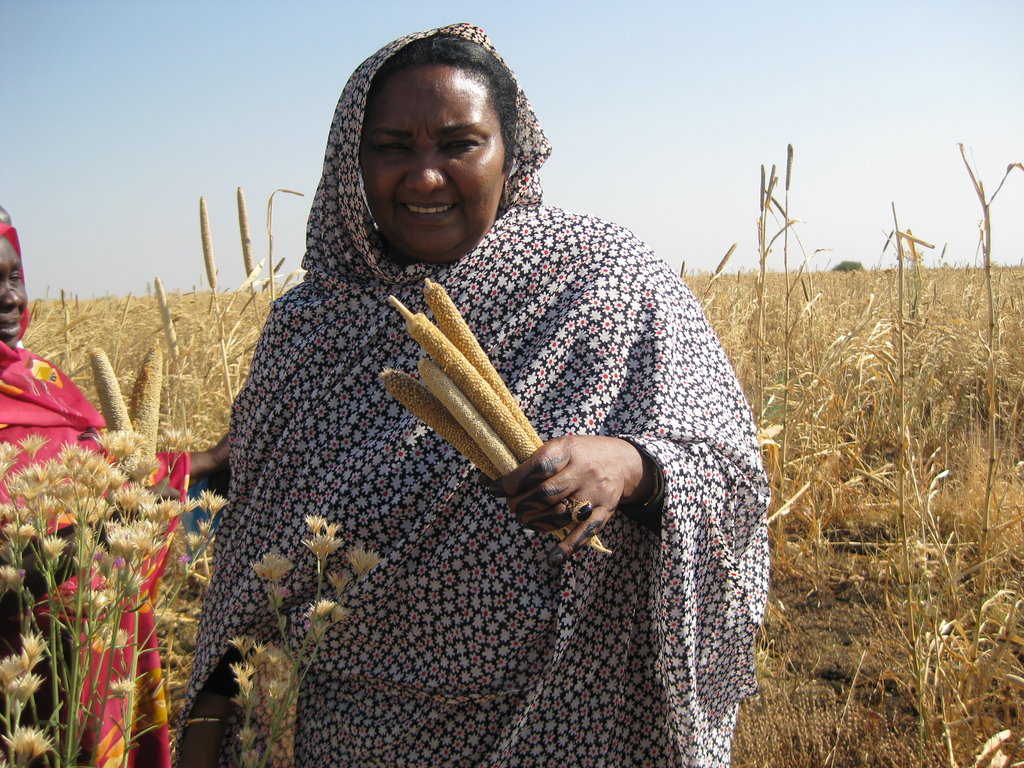
Fatima Ahmed of Zenab for Women in Development

In December, Fatima Ahmed, President of MADRE’s partner organization Zenab for Women in Development and founder of Sudan’s first women farmers union, attended the international conferences on climate change in Durban, South Africa. We interviewed her on the effects of climate change on women and on her community, how women are at the forefront of the fight against the climate crisis and what needs to be done at the conferences to secure meaningful solutions. Read her responses below:

How has climate change impacted your community?

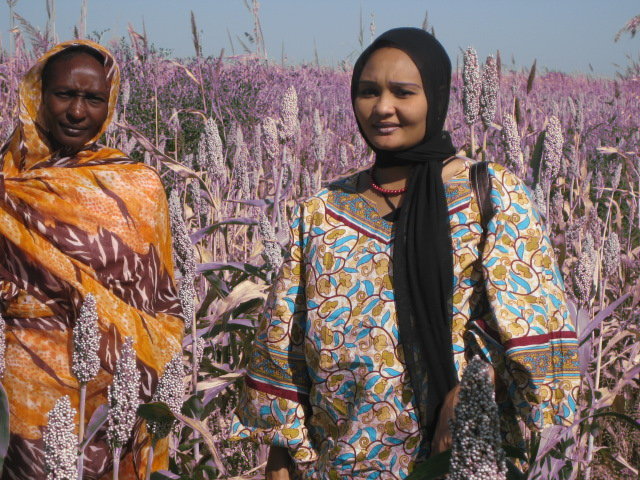
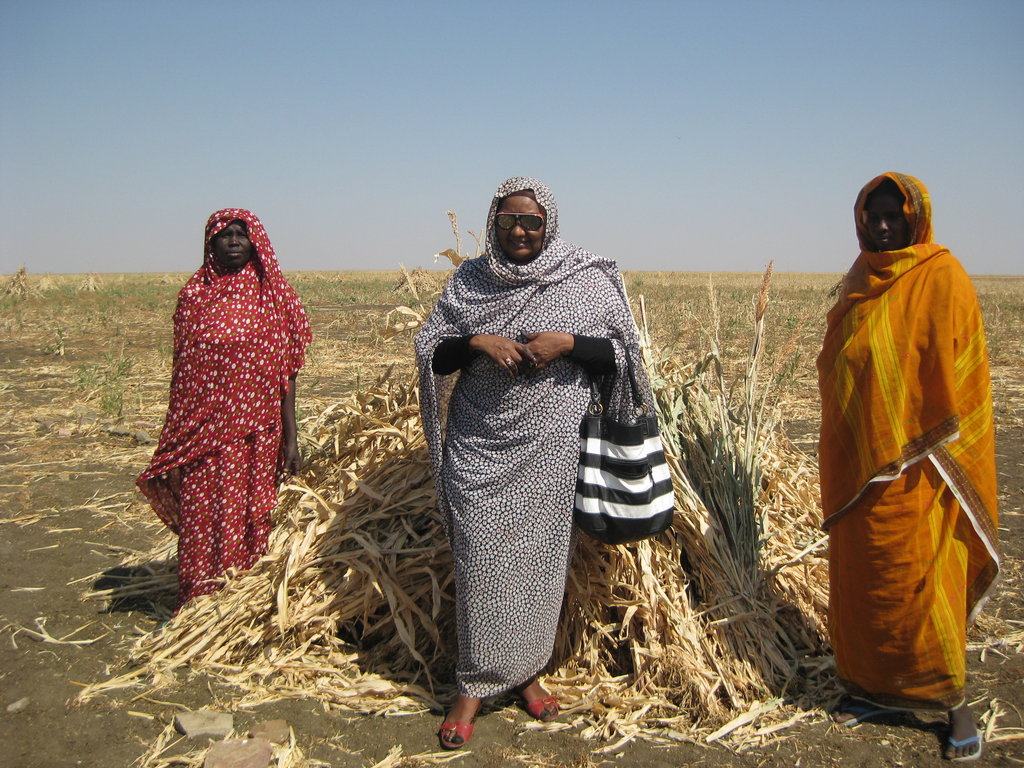
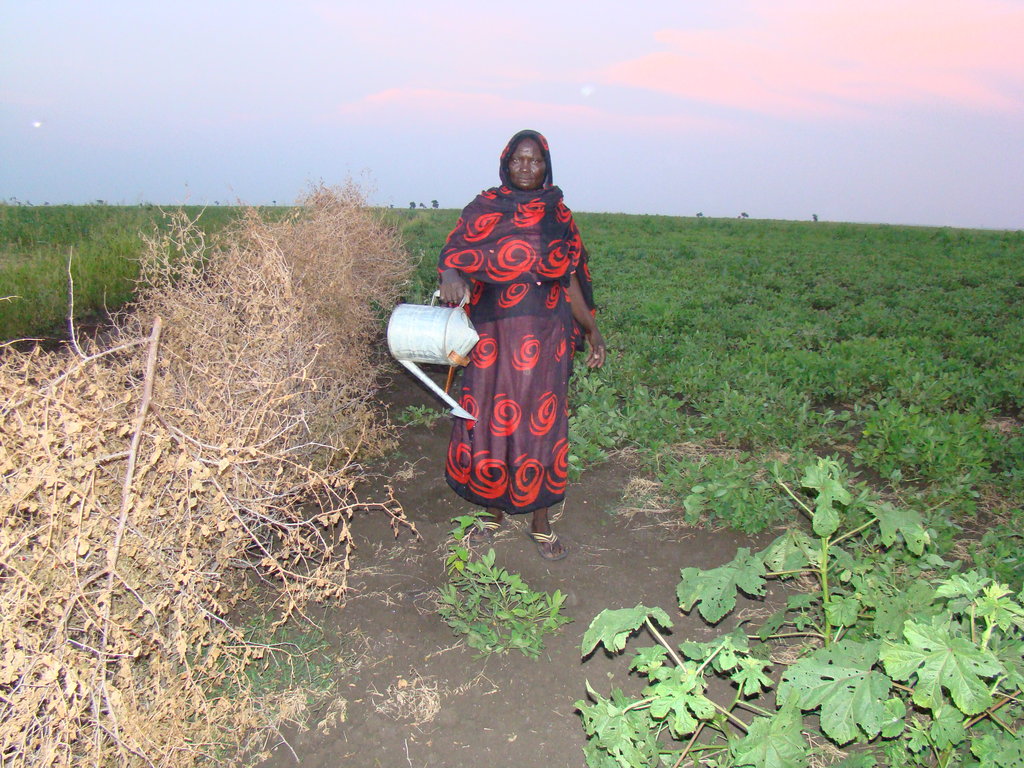
Climate change has had a big impact on my community in Gadaref State, Sudan, which is the number one major production area of the staple foods for Sudan. It produces 75% of the sorghum and other cash crops like sesame, gum arabic, ground nut and millet. For years now, there have been fluctuations in the amount of precipitation we receive, and drought makes it very hard for the small scale farmers, including the women farmers, to grow their crops.

The price of the sorghum has tripled in the last couple of years and is still going up. This has contributed to extreme poverty and malnutrition, not only in Gadaref State but in the whole Sudan. There have also been floods in some areas around the rivers and the tributaries of the Blue Nile.

Also there has been a shift in the pattern of the seasons. Some areas like Khartoum, which is more at the North, now receive more rain than before, which affects the poor people who live in shanty houses who are not protected from this much rain. This current pattern and Mediterranean climate is very unusual for Sudan.

How are women particularly affected by climate change?

Women are more affected by these changes because they can’t produce enough food for their families, it is harder to find clean drinking water and the women who are pastoralists must travel long distances looking for water and grass for their animals. The overall outcome is that women become more vulnerable and live under extreme poverty.

How are you helping communities adapt to the impacts of climate change?

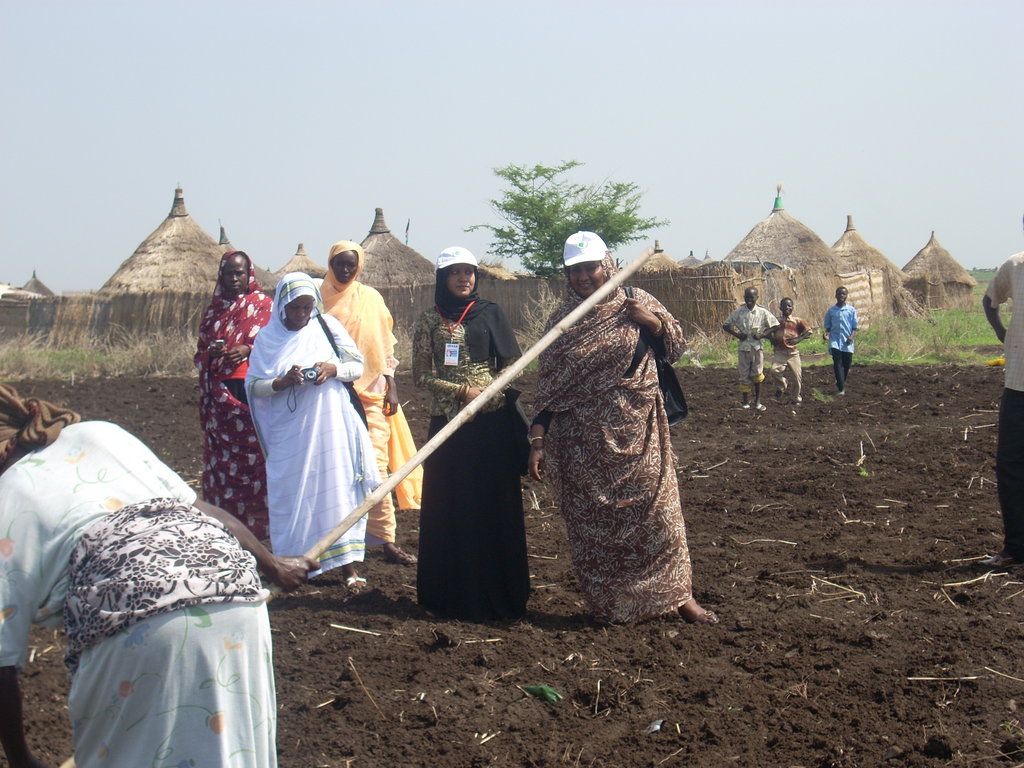
To adapt we are working with women farmers to learn new ways of planting, including using better tools for their land preparation. These tools go deep into the soil so the little precipitation we receive can be conserved for some time. We are also training women farmers to use more varied and improved seeds which better withstand drought, and also teaching them to learn simple techniques of water harvest, using crop rotation and weeding in a better way. We also encourage the women to plant trees as much as they can in their villages and not to cut the trees. We have dug water wells for women and their families in poor communities.

How have women been leaders in this work?

Women are very committed to finding solutions to this problem; this is why they are eager to get informed and to follow recommendations. They are trying very hard to cope with this problem and to adapt but they need much help in many ways.

Moving forward, what do you hope to see accomplished at the UN Climate Change Conference? In other words, what do you think needs to be done by policy makers to protect women and their families from the climate crisis?

The Cancun agreement provided real opportunities to advance global cooperation in adaptation, reforestation, climate change finance and technology transfer. If all opportunities within the Cancun Agreement are fully grasped, and parties take logical next steps, COP 17 could lay the ground work for a fair, ambitious and legally binding global climate change regime. If instead there is delay and lack of ambition, then we risk losing the chance to keep global warming below 1.5 degrees Celsius and the world will face catastrophe. Poor communities and countries are already feeling the devastating impacts of the changing climate; without adequate mitigation, finance, technology and capacity building, their homes and livelihoods will be destroyed.

Additional Resources:

Dec 29, 2011

A Letter from Our Sisters at Zenab for Women in Development

As famine struck East Africa, our partners at Womankind Kenya mobilized to provide emergency food and water to refugees. The members of the Women Farmers Union in Sudan, founded by MADRE's sister organization Zenab for Women in Development, wrote the following letter to the members of Womankind Kenya.

To Our Sisters at Womankind Kenya,

We stand with you in this time of tragedy and hardship. As women farmers of Sudan, we know what it is like to wait months for rain and to watch our children grow hungry. Every year, when we plant our crops, our families depend on us. Without rain, we have no harvest – we have nothing.

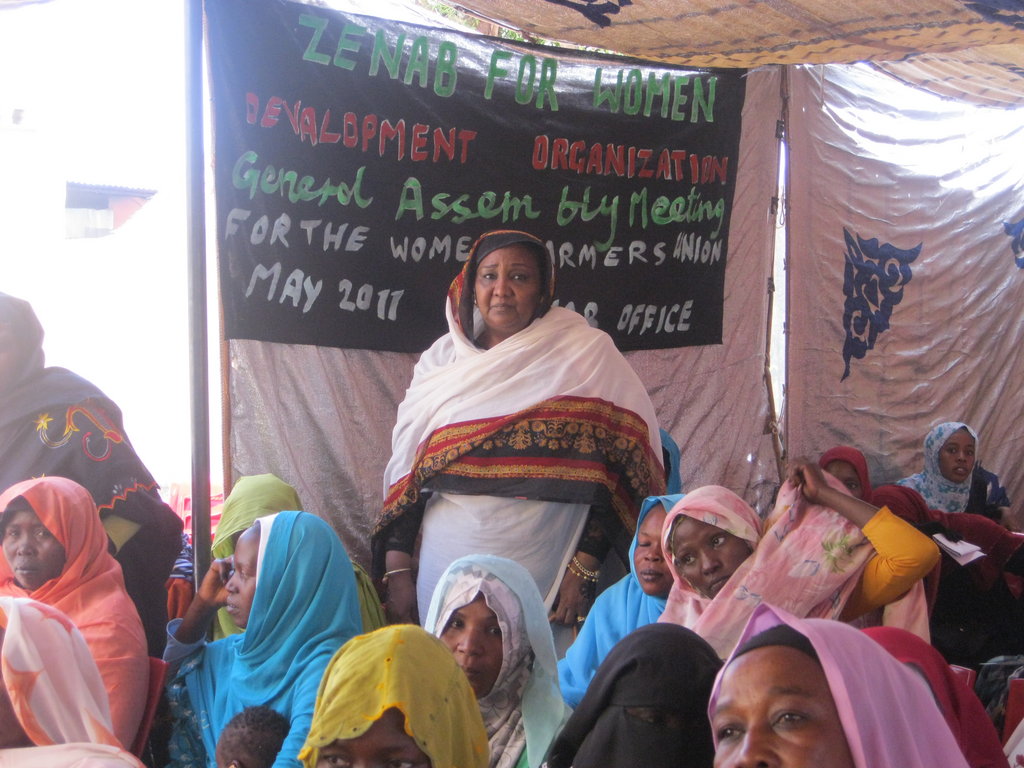
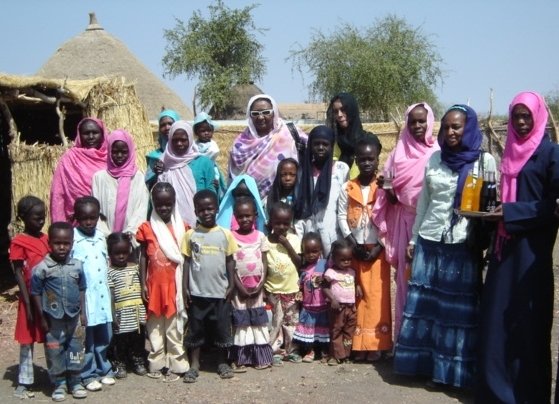
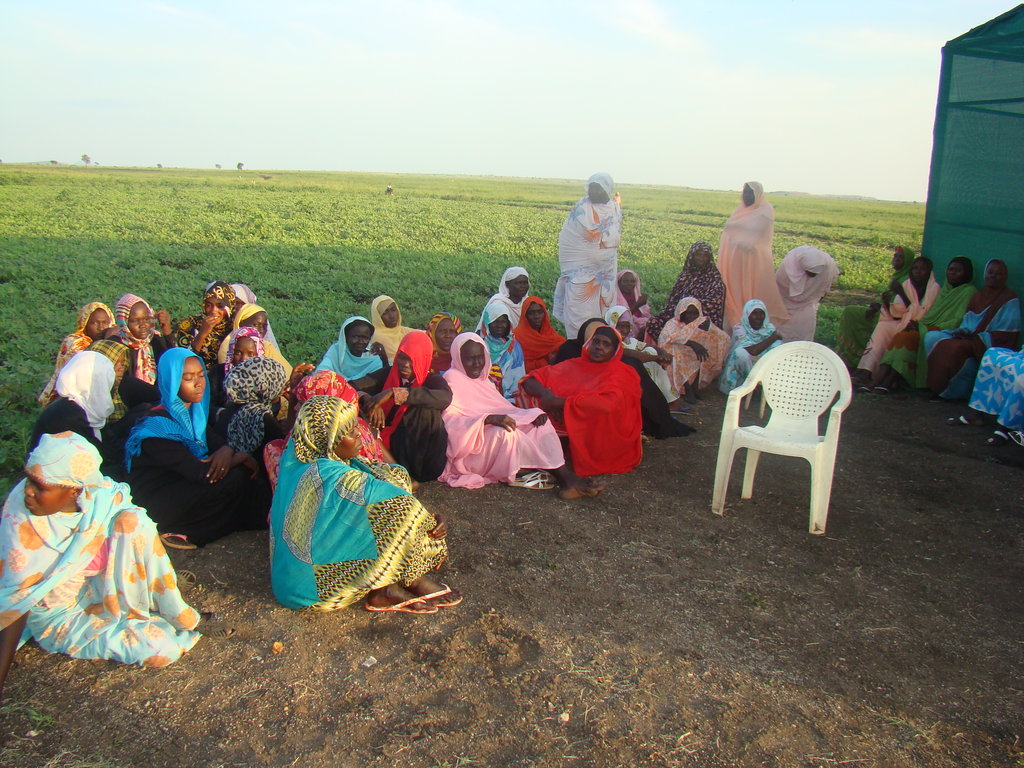
We made our Women Farmers Union so that we could support each other. Before that, the government did not recognize women farmers and gave tools, seeds and training only to the men. So we came together to share our resources and to demand that the government respect our rights.

In eastern Sudan where we live, farming has always been part of our lives. But recently, the droughts have gotten worse, and they come more often. We had to adapt how we farm. This is because of climate change, a danger created mainly by those in the rich countries. 

Our friends at MADRE have helped us through the years, when the harvests have been good and also when the rains failed to come. They told us how refugee women and families are fleeing Somalia to Kenya. They told us that what you need are the resources to buy emergency food and water to help them live.

And so we are sending you the money that we saved after our last harvest. Usually, we use these savings to improve our communities. Last year, we put a roof on the local school. But this year, your needs are greater than ours. We are able to send you this money because we joined together as women farmers and made ourselves stronger. We hope you will be able to use this gift to feed your children and strengthen yourselves as women. 

We send this to you with our blessings. As mothers and as farmers, the future depends on us.

In solidarity,

Fatima Ahmed, Director of Zenab for Women in Development & The Women Farmers Union
Sudan
Sep 24, 2011

Seeds, Tools and Even Rain for Women Farmers in Sudan

c. Zenab
c. Zenab

Just a few weeks ago, it rained in the communities of the Women Farmers’ Union in Sudan—welcome news! It has been a productive month, and we’d like to share some of the updates we’ve received from our partners at Zenab for Women in Development.

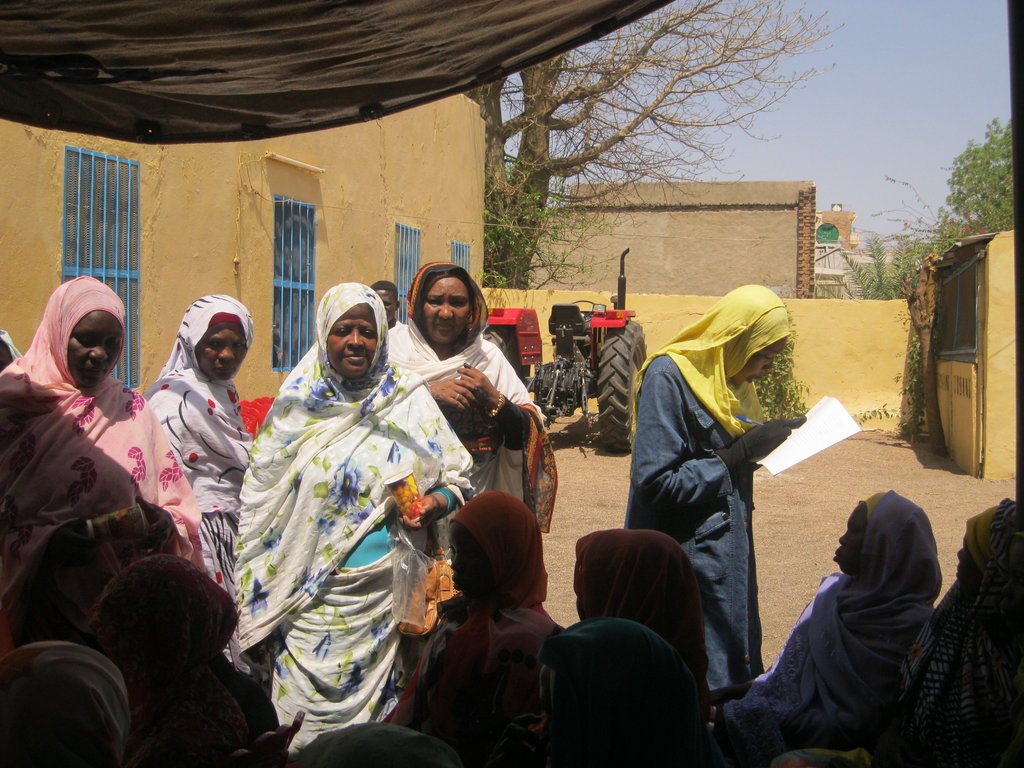
With MADRE support, Zenab was able to purchase seeds for the upcoming planting season. Najla, a young woman leader with Zenab, oversaw the distribution of sesame, millet and sorghum seeds to over 2,000 women across 50 communities.

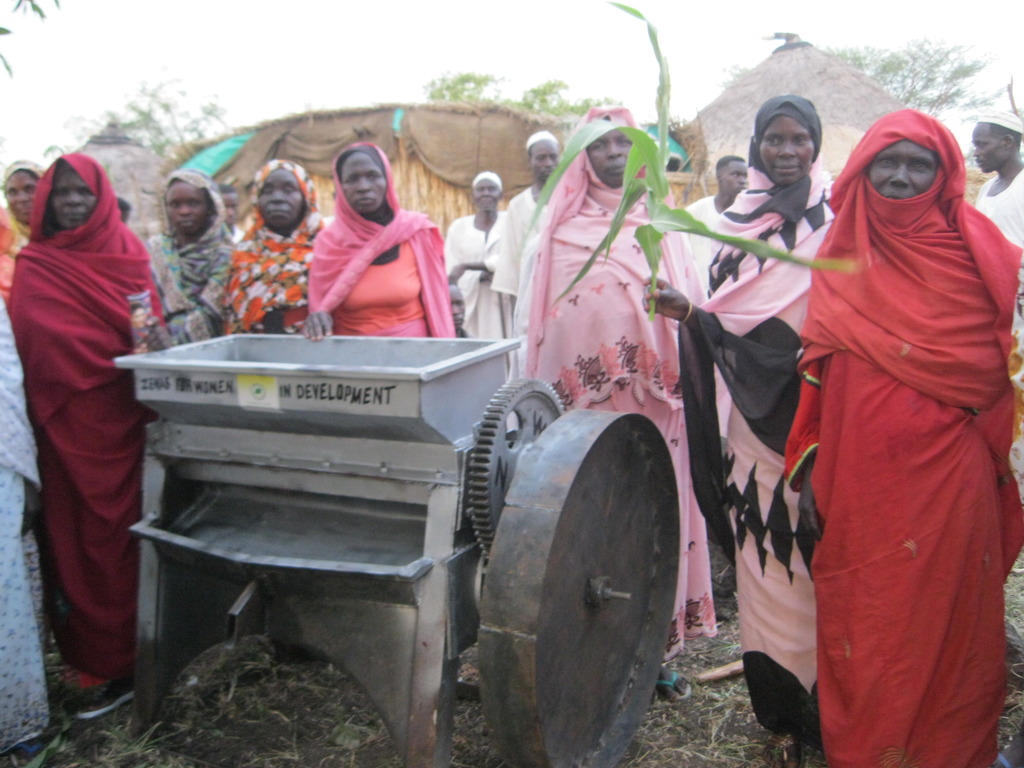
What’s more, with your help, the Women Farmers’ Union was able to purchase a wide tractor disk to aid in plowing. Remember when we gave you the good news that they had bought a tractor? Now, with the new wide tractor disk, they will be able to increase their efficiency in harvesting crops even more. It will greatly cut back on the time it takes to plow.

About Project Reports

Project Reports on GlobalGiving are posted directly to globalgiving.org by Project Leaders as they are completed, generally every 3-4 months. To protect the integrity of these documents, GlobalGiving does not alter them; therefore you may find some language or formatting issues.

If you donate to this project or have donated to this project, you will get an e-mail when this project posts a report. You can also subscribe for reports via e-mail without donating or by subscribing to this project's RSS feed.

Make a monthly recurring donation on your credit card. You can cancel at any time.
Make a donation in honor or memory of:
What kind of card would you like to send?
How much would you like to donate?
gift Make this donation a gift, in honor of, or in memory of someone?

Organization

Project Leader

Yifat Susskind

New York, NY United States

Where is this project located?

Map of Support Women Farmers in Sudan