Provide medical care to Haiti

 
$242,055
$57,944
Raised
Remaining
Aug 10, 2011

Preparing for Surge in Cholera Cases Following Tropical Storm Emily

Dear friend,

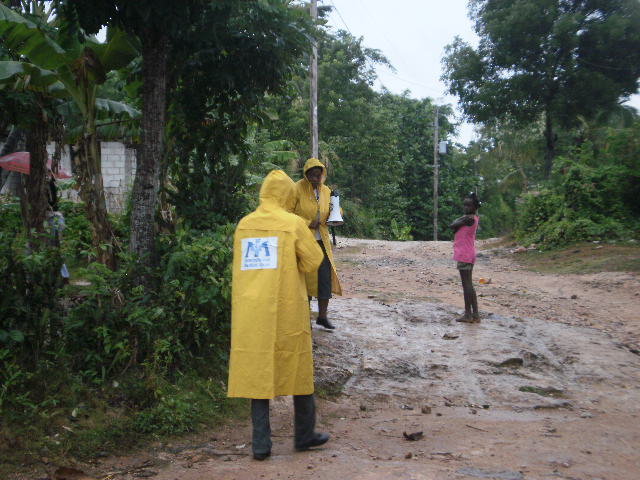
Last week, as Tropical Storm Emily threatened to cause widespread flooding and landslides in the Caribbean, our team in Haiti sprung into action to prepare our cholera treatment centers for an increase in cases. 

Haiti’s topography is prone to both flooding and landslides – perfect conditions for the spread of water-borne diseases like cholera. Flash floods are possible in low-lying areas, such as Gonaives and Carrefour, while strong winds can destroy tents and unstable structures, such as those found in the camps where people are still living.

As the storm approached, Sean Casey, our Haiti Country Director explained: “We are very concerned that heavy flooding will occur as a result of Emily, which will likely lead to a dramatic increase in the spread of cholera.  We are preparing all of our cholera treatment facilities and pre-positioning medicines and supplies so that we can continue to treat our most severe patients and to prepare for a likely increase in cases after the storm.”

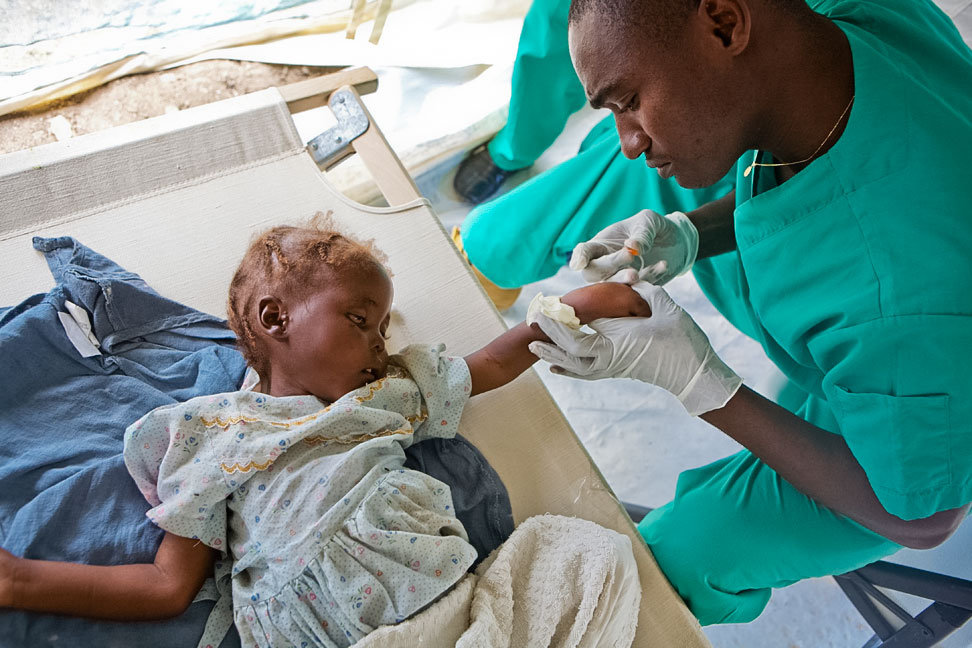
In Les Cayes, International Medical Corps relocated 27 severe cholera patients out of our tented cholera treatment center into a safe, permanent structure, where they could continue to receive 24-hour care and be protected from the storm.  Our team also pre-positioned an emergency room physician at Port-au-Prince’s University Hospital to prepare for the possibility of an increased patient load.  They reinforced tents and other temporary structures, stocked our facilities with medicines and supplies, and ensured that vehicles and generators were fueled and ready.

Thankfully, Emily did not directly impact Haiti; there were strong winds and rains to the south but no damage to our program sites.  However, heavy rains will likely drive an increase in cholera cases, and with your support, International Medical Corps is ready to respond and meet an increased caseload.  Our staff remains on the ground in Haiti more than 18 months after the earthquake, helping to support and rebuild the country’s fragile healthcare infrastructure and provide ongoing treatment.  Thank you.


Links:

May 23, 2011

Improving Emergency Response in Haiti

International Medical Corps
International Medical Corps' Staff, Haiti 2011

Dear supporter,

As you know, while it’s impossible to prevent natural disasters, careful planning and preparation can greatly reduce their impact.  It’s the same reason that we practice fire drills in school: when there is an emergency, we know we’re ready. 

With hurricane season approaching, we’ve been partnering with the government, local doctors and nurses, and communities to ensure that they too will be ready.

Here are just a few ways in which we’re improving emergency response:

  • At the University Hospital in Port-au-Prince, we’re training 100 nurses and 50 doctors on Emergency Medicine.  The month-long course will prepare them to work in a hospital emergency department. 
  • Additionally, International Medical Corps has held disaster drills at the three district hospitals of Jacmel, Mirogoane, and Petit Goave.
  • Using a “train-the-trainer” curriculum, we’ve taught hundreds of first-responders on disaster response. These individuals have provided this training to others, helping to educate schools, churches, and communities on emergency response.
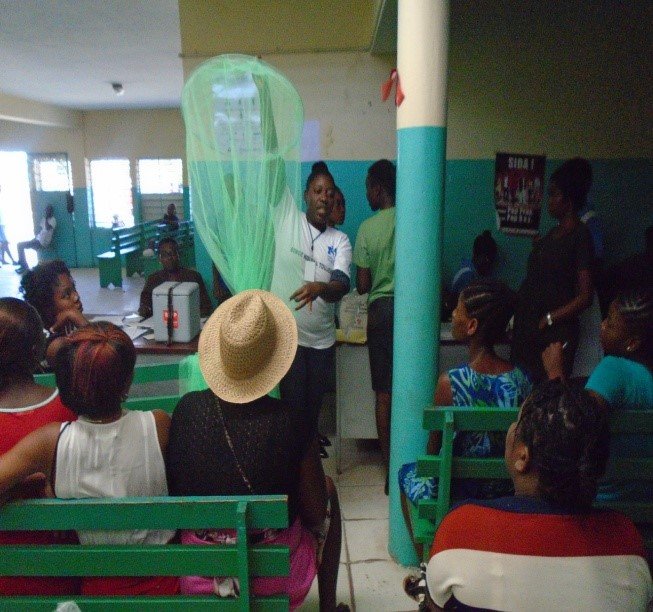
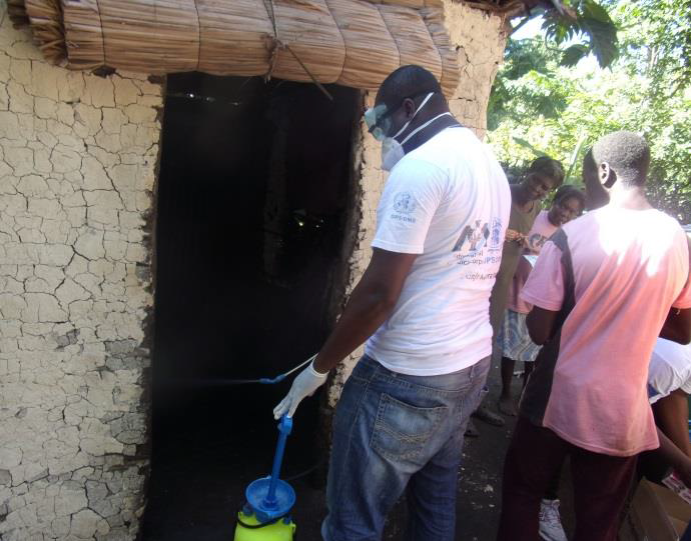
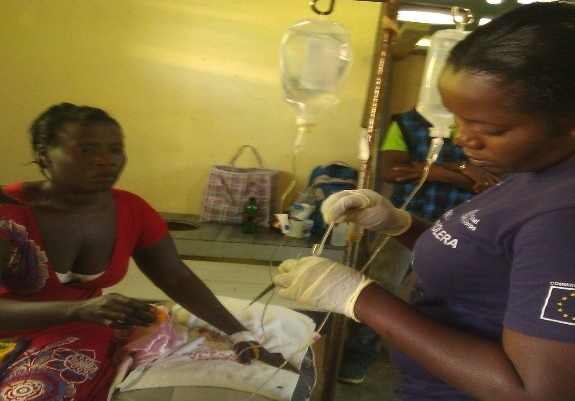
  • Cholera prevention is a crucial aspect of disaster preparedness in Haiti.  Our 7 cholera treatment centers have treated thousands of patients since the initial outbreak in 2010.  In addition, our trained community health volunteers are promoting key health education messages, including cholera prevention, within their own communities. 
  • In addition, we’ve carried out an Essential Trauma Care course in Jacmel to provide training for physicians and nurses. 

Our commitment to Haiti is long-term; we plan to help build a sustainable health system that can withstand myriad emergencies.  Your generosity has made our work possible – thank you.

All the best,

International Medical Corps

Jan 28, 2011

GlobalGiving visits IMC's clinic in Haiti

IMC staff see patients in Petionville Camp

We bumped along the road up the hill to Petionville to visit International Medical Corps’ clinic in the J/P tent camp, where about 50,000 Haitians now live since the earthquake destroyed their homes.  Their clinic is in one of the largest of such camps in Haiti, and specializes in primary care so they see a lot of cases of skin rashes, coughs, and stomach problems.  Another specialized hospital is also in the camp, where they refer more serious medical cases, like cholera.


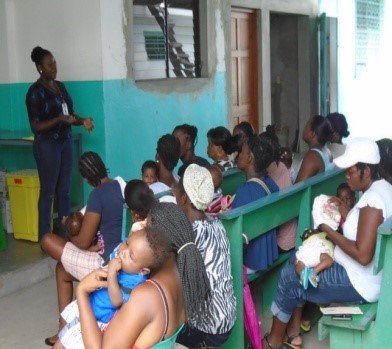
The temporary shelter that IMC built is divided into a few smaller rooms.  On our left, over a dozen patients sat waiting for their check-up.  Children smiled and ran up and down the room while their parents waited to be seen by one of the two Haitian doctors working in the clinic.  Other medical staff took down the details of the patients waiting to be seen.


We sat down and spoke to Manuchecka Dajeantal, a pregnant woman who was in the IMC clinic for the first time.  She came with her husband, who was there to see a doctor about a rash on his neck.  She lives near the clinic, and the free care it provides means she can see a doctor about the unusual swelling she’s experiencing in her legs.  She says that if the clinic was not there she wouldn’t see a doctor at all.


The doctors at the IMC clinic also keep an eye out for psychological problems that their patients may be facing.  Because of the stigma associated with mental health issues, many people don’t seek care for problems like depression or PTSD, which many earthquake survivors are facing.  This is one of the few clinics specially equipped to deal with these issues, and mental health care is integrated into the primary care that the doctors are already providing.

 

After speaking with the doctors, we walked through the tent camp behind the IMC clinic where we met Leonie Joseph, a woman living in the camp with her husband and two children.  During the earthquake her house collapsed with everything in it.  Luckily her family, which included a three-year-old and a newborn baby, survived.  She is now looking for work and hoping to find a way out of the camp and into a home again.  She says shelter is her number one need.


Soon it started to rain, and everyone ran back under their tents.  We ran to our car and got in as the raindrops got larger.  Our car slipped and slid into the mud as we attempted to leave, eventually getting stuck in several inches of mud.  Over the next hour and a half the community came together to help us move the car and get to where we needed to go. 


Thank you for supporting International Medical Corps’ efforts in Haiti!

Manuchecka Dajeantal, 19, a patient at the clinic
Leonie Joseph lives in the camp with her family
Jan 18, 2011

With Your Support in 2010

Thank you for your support!

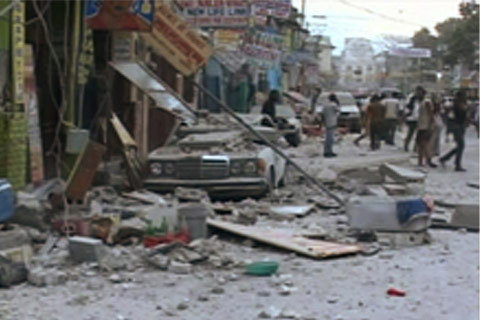
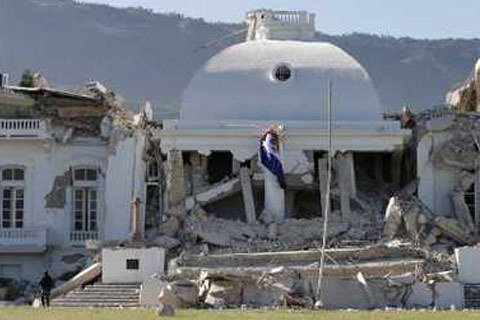
1 year ago, a 7.0 earthquake struck Port-au-Prince.  An estimated 230,000 people lost their lives, thousands more were gravely injured, and a million others were displaced. Even before the earthquake, Haiti suffered from crushing poverty and a weak infrastructure. The country had now become a massive humanitarian crisis. For many Haitians, the past year has been a daily struggle to rebuild their lives.

The pain of the Haitian people should not be diminished but looking back, we believe we have been able to ease some of their suffering. With the help of our amazing supporters, over the last 12 months we have:

•    Conducted more than 156,600 patient consultations.
•    Established 13 clinics and 7 cholera treatment centers.
•    Distributed $16.2M in medicines, supplies, services and equipment donated by our in-kind partners.
•    Screened more than 20,000 children for malnutrition.
•    Trained and employed 1,300 Haitian health care workers and community mobilizers.
•    Treated more than 7,500 patients in our cholera treatment centers.


To read our 1-year accountability report, please click here.


Right now, we are looking toward the future in Haiti. Working hand in hand with the people of Haiti, we’ve expanded our health care services to reach those in need, while implementing critical medical training and education programs. These programs will help Haiti meet its own health care needs in the future, as well as help the Haitian people prepare for future disasters.

Please take a moment to watch all we've accomplished together in 2010.

The 2010 earthquake was an unprecedented disaster that will undoubtedly affect Haiti for years to come. Although the recovery process will be long, we are committed to improving quality of life, fostering self-reliance, and bringing hope to the Haitian people.

Links:

Oct 25, 2010

Emergency: Alarming Cholera Outbreak in Haiti

A cholera outbreak has struck Central Haiti, causing more than 130 deaths and sickening at least 1,500 others. International Medical Corps teams here in Haiti have already responded with medical supplies to the cholera-affected areas, and are pre-positioning supplies in other areas in the event the outbreak spreads. As the only member of the UN emergency response team, International Medical Corps is ready to deploy a full Emergency Response team with doctors and nurses to the area within 24 hours, if needed.

“International Medical Corps is extremely concerned at the speed in which this outbreak spread,” says Dr. Jojo Cangao, International Medical Corps' medical director in Haiti. “We have already begun community outreach and prepositioning of supplies in the camps in which we work in Port-au-Prince in case the outbreak moves south.” More than one million people have been living in displacement camps since the January 12 earthquake, which killed more than 300,000.

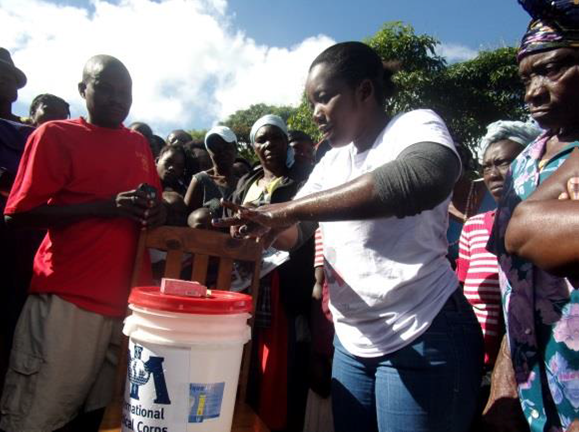
There are already reports of the outbreak moving south, closer to Port-au-Prince, and International Medical Corps is pre-positioning supplies for orphanages in this area. Supplies, such as IV saline solution, water purification tablets, and oral rehydration salts, are being collected to dispatch to Artibonite if needed and to preposition in camps where International Medical Corps runs clinics. International Medical Corps is also coordinating with partners in camps where it has clinics to begin community education campaigns on cholera prevention, identification, and treatment - and clinic staff are being trained in cholera treatment and management.

“We are prepared to support the emergency response to the cholera outbreak however is most needed, whether through medical personnel, supplies, or both,” says Dr. Cangao.

International Medical Corps has extensive experience in cholera outbreak response, management, and prevention, with its most recent responses in Zimbabwe, Mozambique, and Iraq. Clean water, sanitation, and hygiene are also one of its top organizational priorities, with such programs in countries including Haiti, Somalia, Kenya, and the Democratic Republic of Congo. 

Thank you so much for your continuing support -- we are able to respond to emergencies like this because of your wonderful generosity. 

Links:

About Project Reports

Project Reports on GlobalGiving are posted directly to globalgiving.org by Project Leaders as they are completed, generally every 3-4 months. To protect the integrity of these documents, GlobalGiving does not alter them; therefore you may find some language or formatting issues.

If you donate to this project or have donated to this project, you will get an e-mail when this project posts a report. You can also subscribe for reports via e-mail without donating or by subscribing to this project's RSS feed.

An anonymous donor will match all new monthly recurring donations, but only if 75% of donors upgrade to a recurring donation today.
Terms and conditions apply.
Make a monthly recurring donation on your credit card. You can cancel at any time.
Make a donation in honor or memory of:
What kind of card would you like to send?
How much would you like to donate?
gift Make this donation a gift, in honor of, or in memory of someone?

Organization

Project Leader

Chessa Latifi

Resource Development Officer
Santa Monica, CA United States

Where is this project located?