Environmental conservation builds families, India

 
$10,771
$7,228
Raised
Remaining
Aug 9, 2010

Gangeshwar Site Visit

Men
Men's self help group

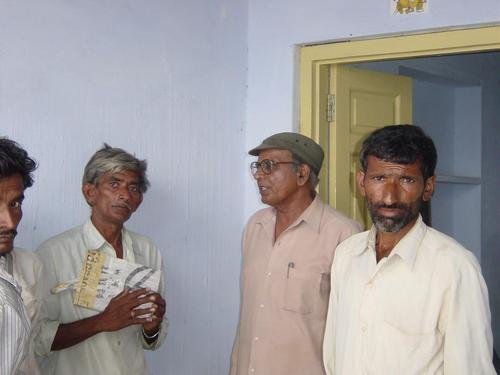
Bill Brower is a Field Program Officer with GlobalGiving who visited our partners’ projects throughout South and Southeast Asia. On June 25th he visited Gangeshwar to see Sahyog Sansthan’s activities in the area. His “Postcard” from the visit:

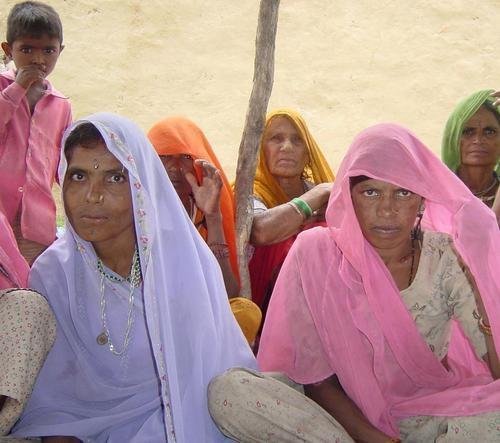
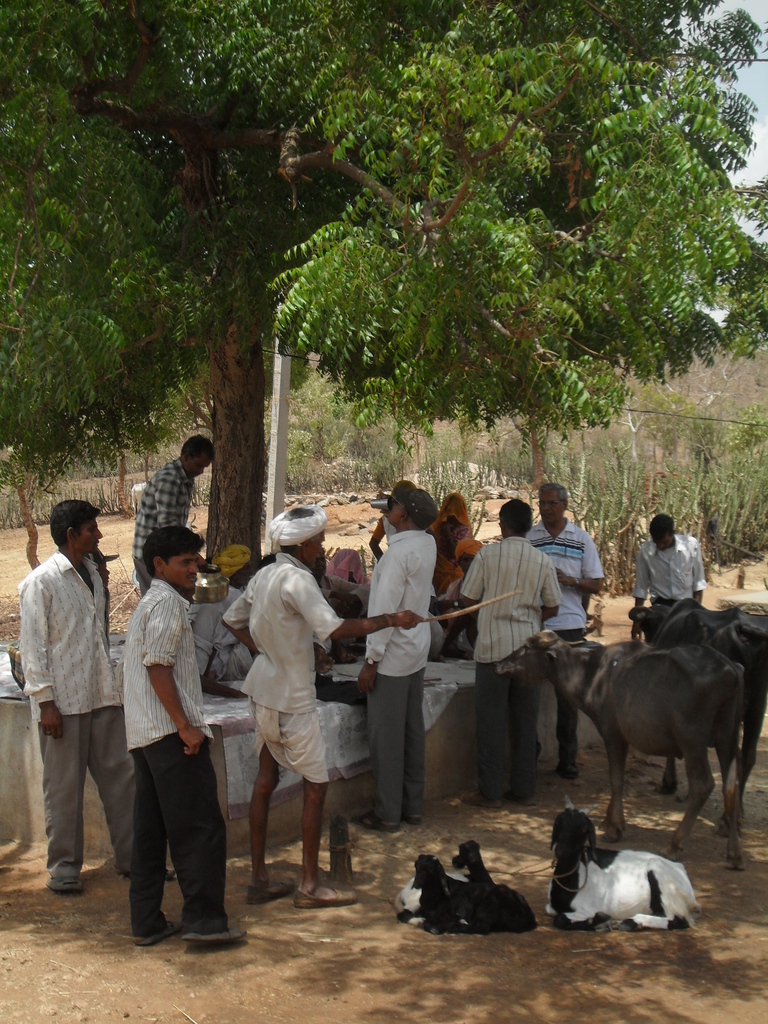
In the forgiving shade of a large tree, I chatted with the members of a men’s self-help group (SHG) that Sahyog Sansthan helped initiate in a village a couple hours outside Udaipur. All of the men (culturally women don’t participate in such groups, though many sat around the periphery) said their property had benefitted from Sahyog Sansthan installations to reduce soil erosion and help retain water—retaining walls, small-scale irrigation, anicuts. They said in previous years with a drought like the one they’ve experienced the past few years they wouldn’t have been able to have a second crop. This last year, with the retaining measures in place, all but one (of 11) claimed to have had a second crop and six even had a third. (Those with a third had also separately obtained electric water pumps. In fact, the only person who claimed to have gotten three crops without a pump was a woman who spoke up from the edge of the group.)

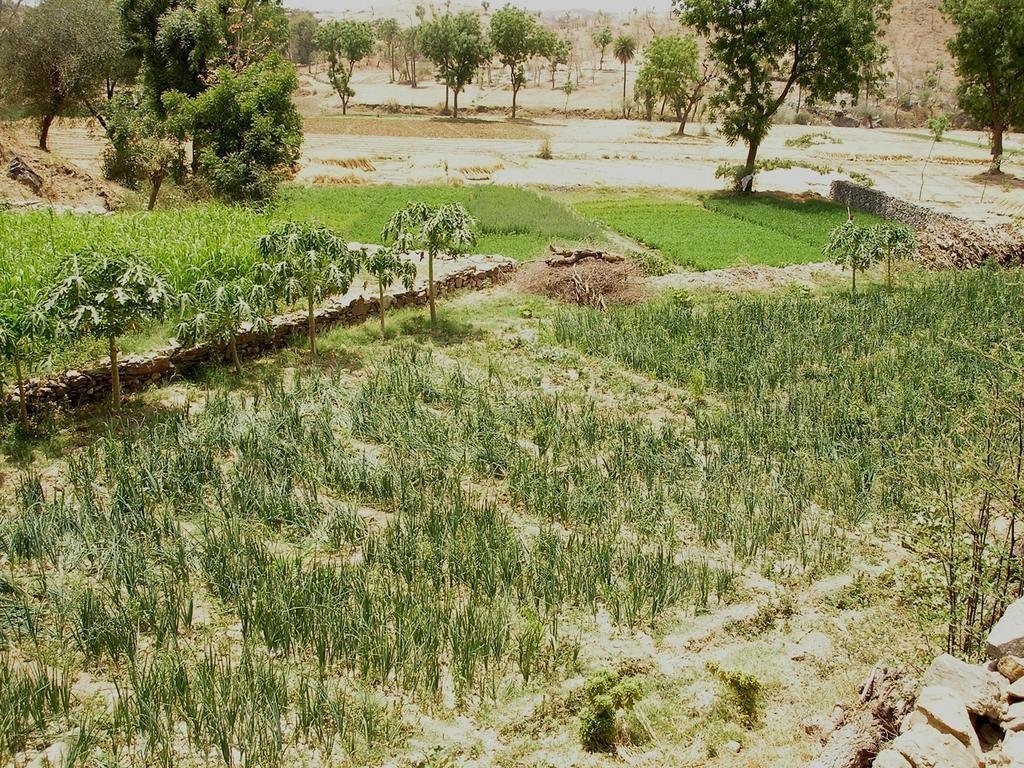
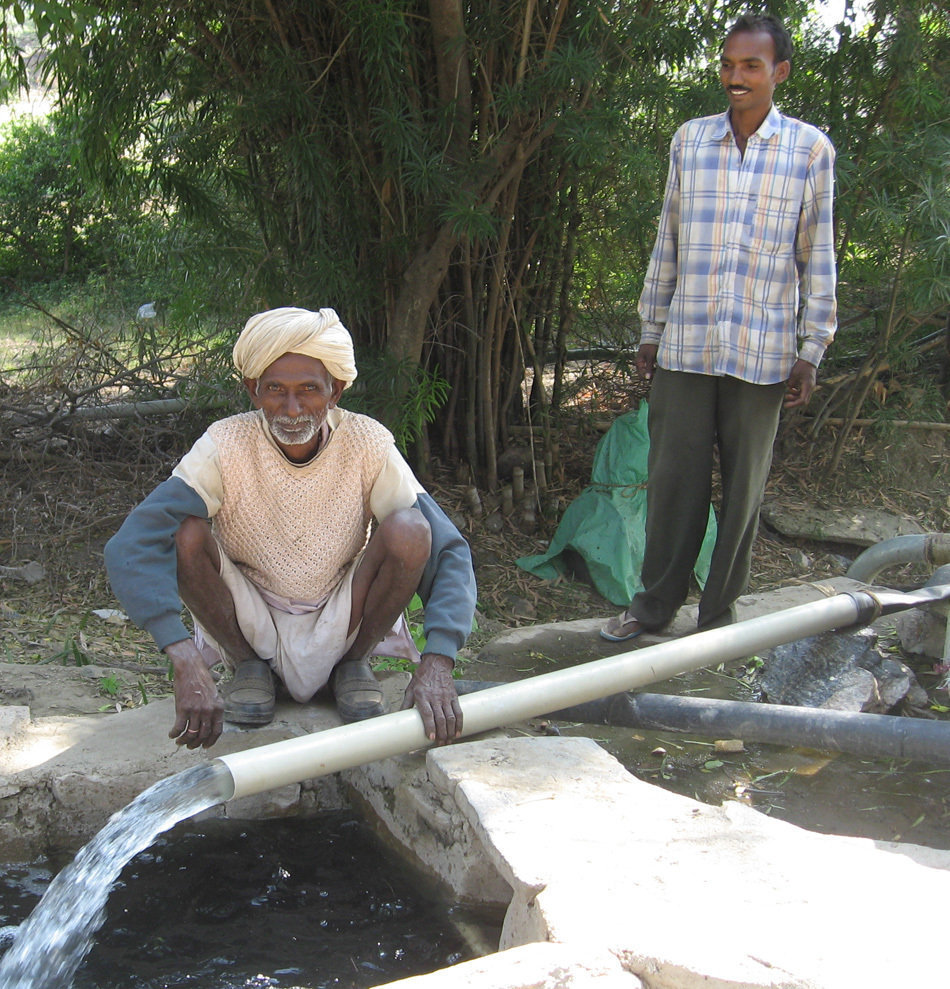
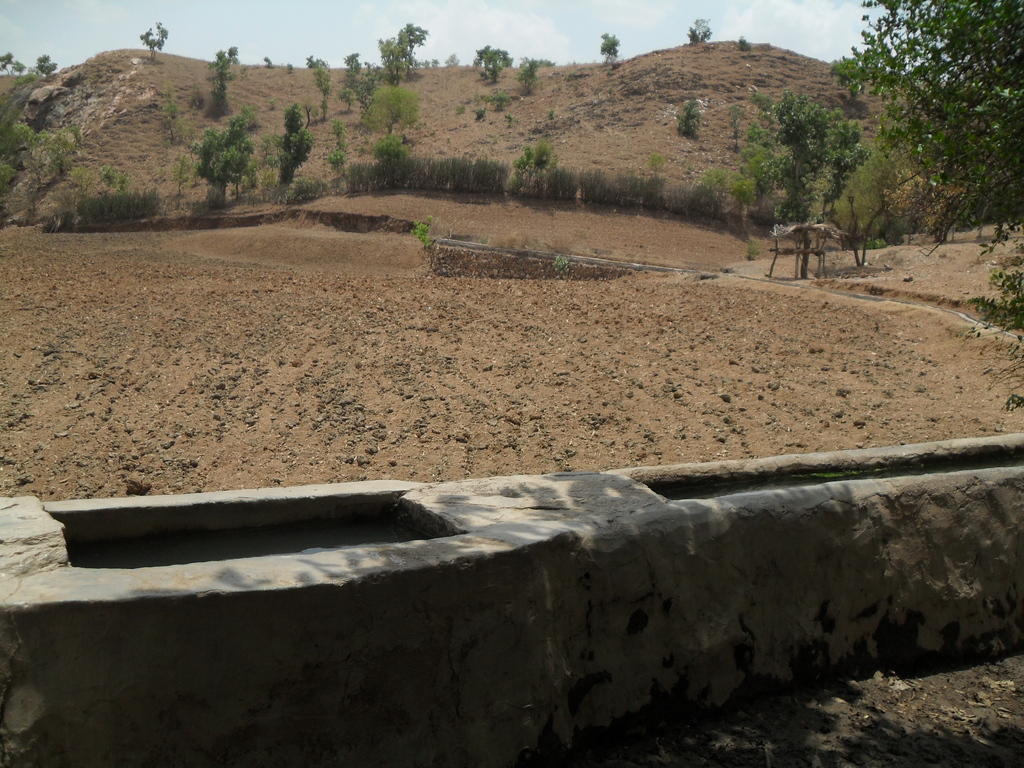
The drip irrigation systems, traditional irrigation systems, retaining walls and other installations I saw seemed to be professionally installed and in a good state.

Despite this success and the claim of those associated with the project that anecdotal evidence pointed to a much better water situation in this village versus others, it did not sound like the fairly low-tech technologies were spreading organically to adjacent areas—something I take as the highest sign of success for a project. Also, it was worrying to hear that all the men in the SHG were still involved in illicit cutting of trees despite laws against logging in the area. It seems a conservation project should look not only at technical solutions to environmental problems but also address the drivers of those problems. I hope Sahyog Sansthan will work to reduce the perceived need of people in the community to illegally cut down trees.

As an engineer, it was a pleasure to see a poster detailing the scientific method on the wall in Sahyog Sansthan’s field office. They seem to be bringing solid technical work to this drought-stricken area with a few areas to improve upon to provide a more holistic conservation effort.

Check out their Sahyog Sansthan's new project here: http://goto.gg/6007

Irrigation infrastructure

Links:

Aug 4, 2010

Sahyog Final Report

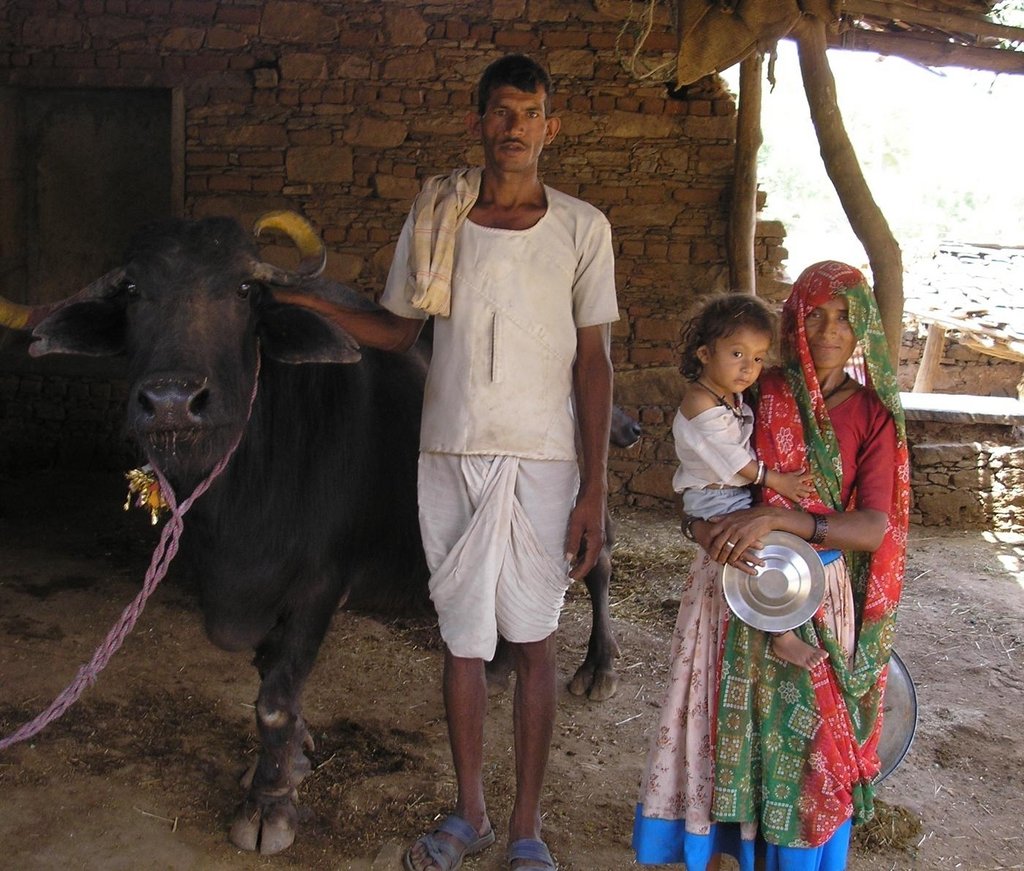
Thank you for all your support and donations to Sahyog’s work. Together you have helped families learn about sustainable agriculture methods that have ensured they have enough food to feed their families.

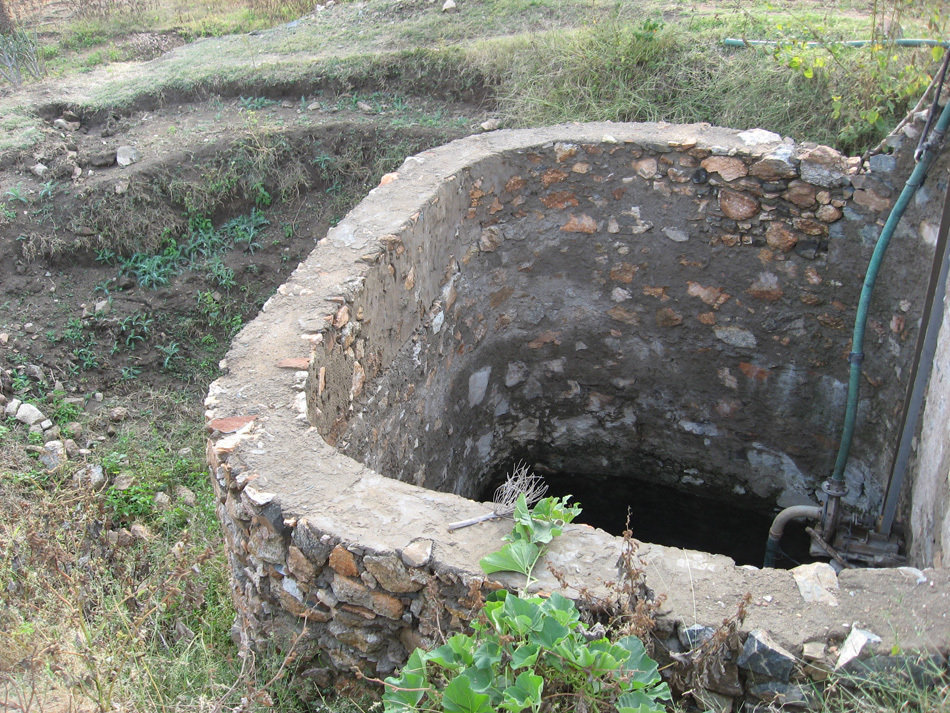
In the past year you have helped Sahyog do the following: •317 people participated in monthly meetings; an average of 44 Self-Help Groups (SHGs) were represented in each meeting •431 participants received SHG training •82 people, representing 28 SHGs, participated in an Experience Sharing •13 new Self-Help Groups were formed (1 male and 12 female); the total number of SHGs supported by Sahyog has increased from 102 to 119 •Approximately 95 SHGs are actively engaging in performing the basic SHG activities: o Meetings o Depositing monthly share amount o Taking loans from SHG funds and commercial banks o Repayment by members o Bookkeeping and bank account and records maintenance •Of the 95 well-functioning SHGs, 52 have been linked to banks; 8 SHGs have an available loan of R1,393,873/USD $29,701 •50% of the 95 SHGs have reached the stage 0f self-management •The self-help group trainings have enabled the SHG members to improve their systems and approximately 76 SHGs are maintaining proper records and have accessed financial and technical support from various agencies •189 families adapted and demonstrated with the Rabi/Spring crop and purchased agricultural implements such as sprayers and after the meetings/trainings with the different government departments •Horticulture promotion o The previous 3 years’ trainings and horticulture promotion has supplemented income for villagers as some of the horticulture units have started fruiting and the excess is being sold for income o Sahyog hopes that more people will adapt horticulture units as supplementary income activities in the future •Agriculture promotion has helped some of the SHGs build good relations, mobilize support for development, demonstration, achieve effective irrigation systems and agricultural and horticultural implements o Many villagers have shown interest in adapting these practices •The income generation activities such as: dairy, horticulture, pastureland and well renovation have enabled the villagers to increase production and earn more income during a drought year

But there is more still to be done. Sahyog has supplied us with details of their current activities and we have post new project information here: http://globalgiving.org/projects/ environmental-conservation-builds-families-in-india, project ID #6007.

Links:

Jun 29, 2010

The Importance of Drought Tolerant Plants

Horticulture is a key activity for Sahyog and its self-help groups. In particular Sahyog promotes planting native, drought tolerant plants that will yield crops both for sale and for consumption by the farmer.

The horticultural units need to be planted just before the monsoon season begins. However many of these plants take a year or two to bear fruit and for families to start making money from them. Sahyog recently reported that:

The previous 3 years’ trainings and horticulture promotion has supplemented income for villagers as some of the horticulture units have started fruiting and the excess is being sold for income. Sahyog hopes that more people will adapt horticulture units as supplementary income activities in the future.

Agriculture promotion has helped some of the SHGs build good relations, mobilize support for development, and successfully implement effective irrigation systems. Plants that are typically cultivated are Gooseberry, Mangoes, Lemon, Guava, and Coconut.

These income generation activities have enabled the villagers to increase production and earn more income during a drought year. Even better, Sahyog is working with governmental departments to generate sustained support for the families and provide them with more resources.

By donating to Sahyog you are ensuring more families can benefit from this program.

Thank you for your support.

About Project Reports

Project Reports on GlobalGiving are posted directly to globalgiving.org by Project Leaders as they are completed, generally every 3-4 months. To protect the integrity of these documents, GlobalGiving does not alter them; therefore you may find some language or formatting issues.

If you donate to this project or have donated to this project, you will get an e-mail when this project posts a report. You can also subscribe for reports via e-mail without donating or by subscribing to this project's RSS feed.

Funded

Thanks to 106 donors like you, a total of $10,771 was raised for this project on GlobalGiving. Combined with other sources of funding, this project raised enough money to fund the outlined activities and is no longer accepting donations.

Still want to help?
Find another project in India or in Climate Change that needs your help.

green leaf

Certified Green Project

This project is certified GlobalGiving Green for addressing climate change sustainability.
Learn more.

Organization

Sahyog Sansthan

Udaipur, Rajasthan, India

Project Leader

Gillian Wilson

IDEX Latin America Program Director
San Francisco, CA United States

Where is this project located?

Map of Environmental conservation builds families, India