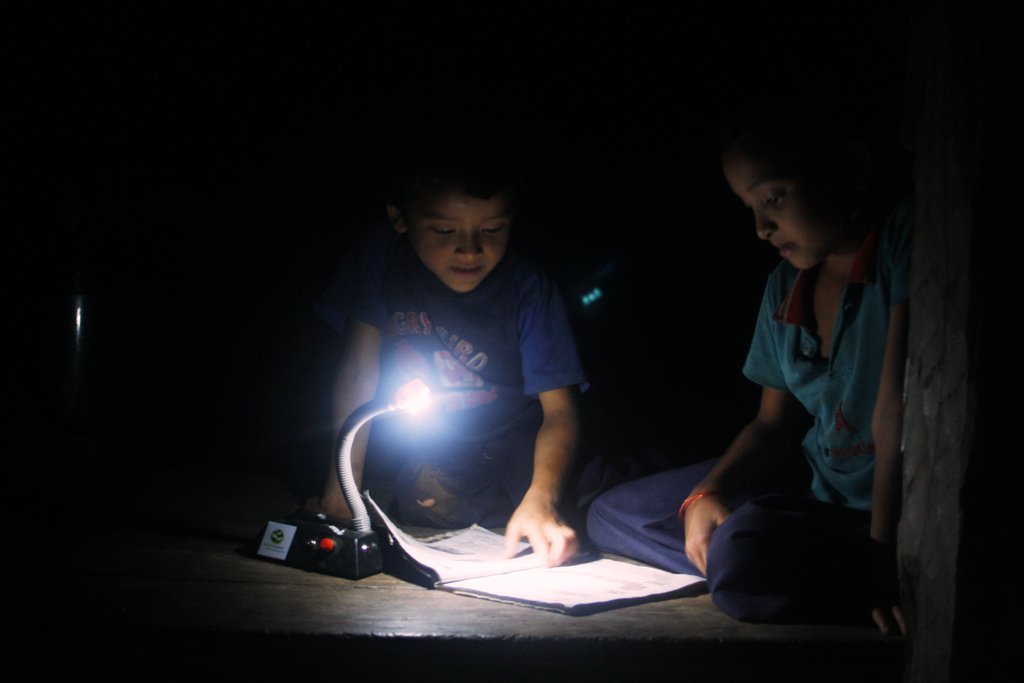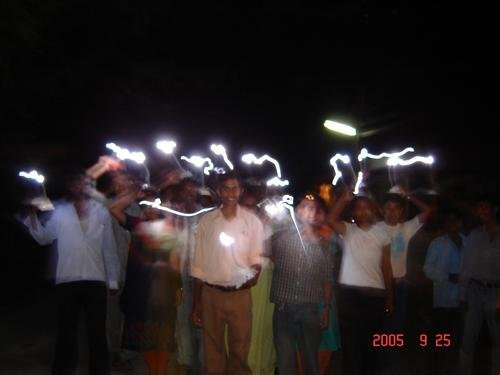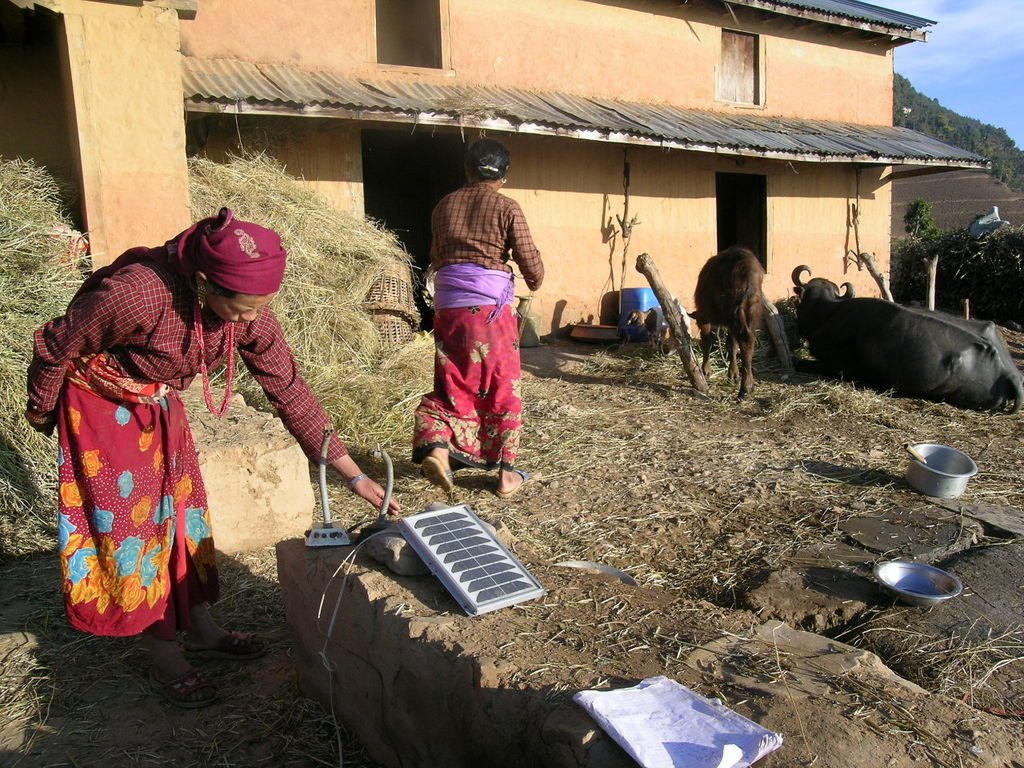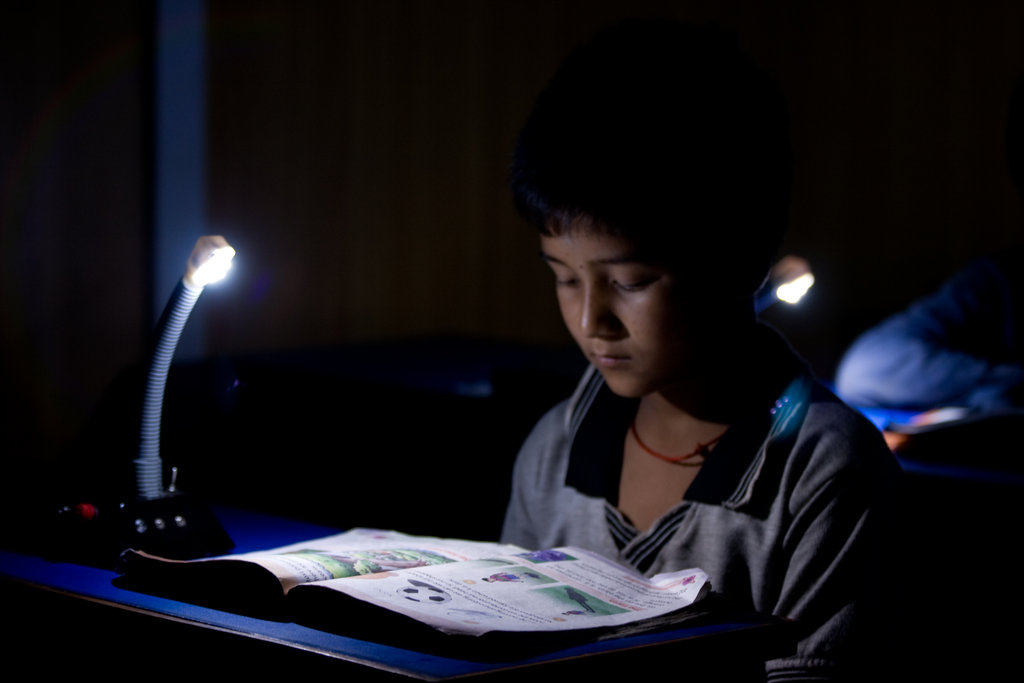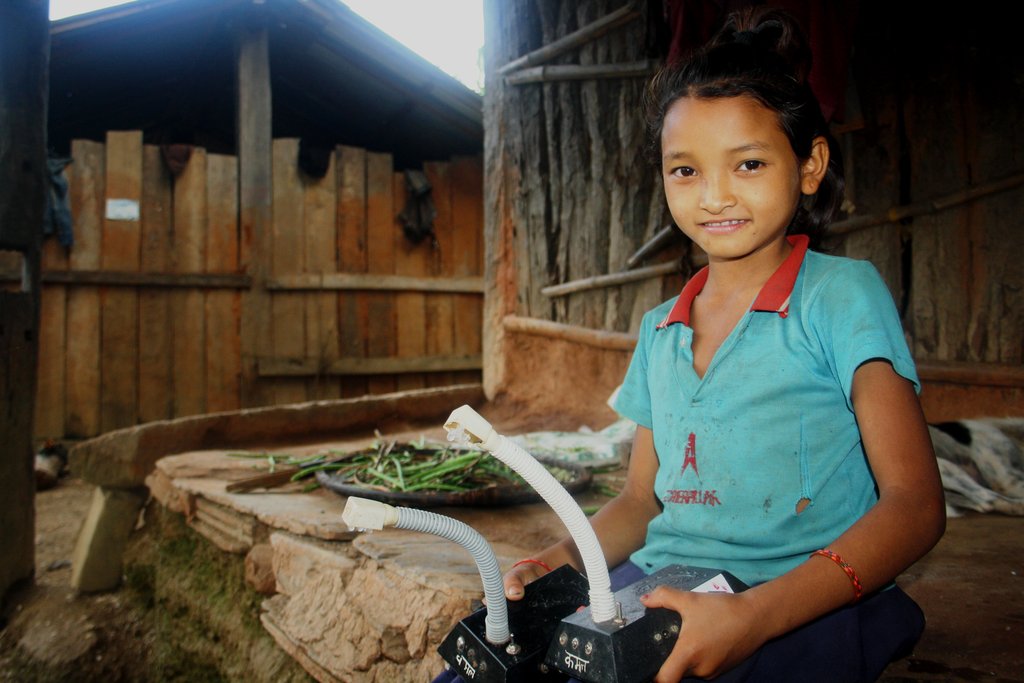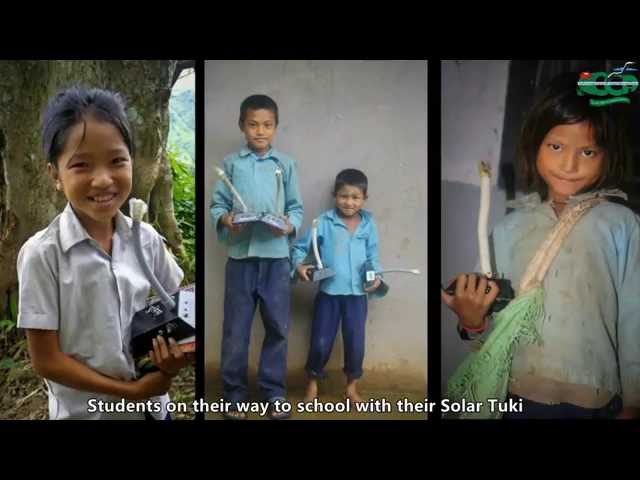
Due to the mountainous terrain of the country, it is very difficult to build national electricity grid in Nepal, because of which large parts of the country are still without electricity access, and hence, people still need to use kerosene lamps. This project aims to provide solar powered lamps as a sustainable substitute.
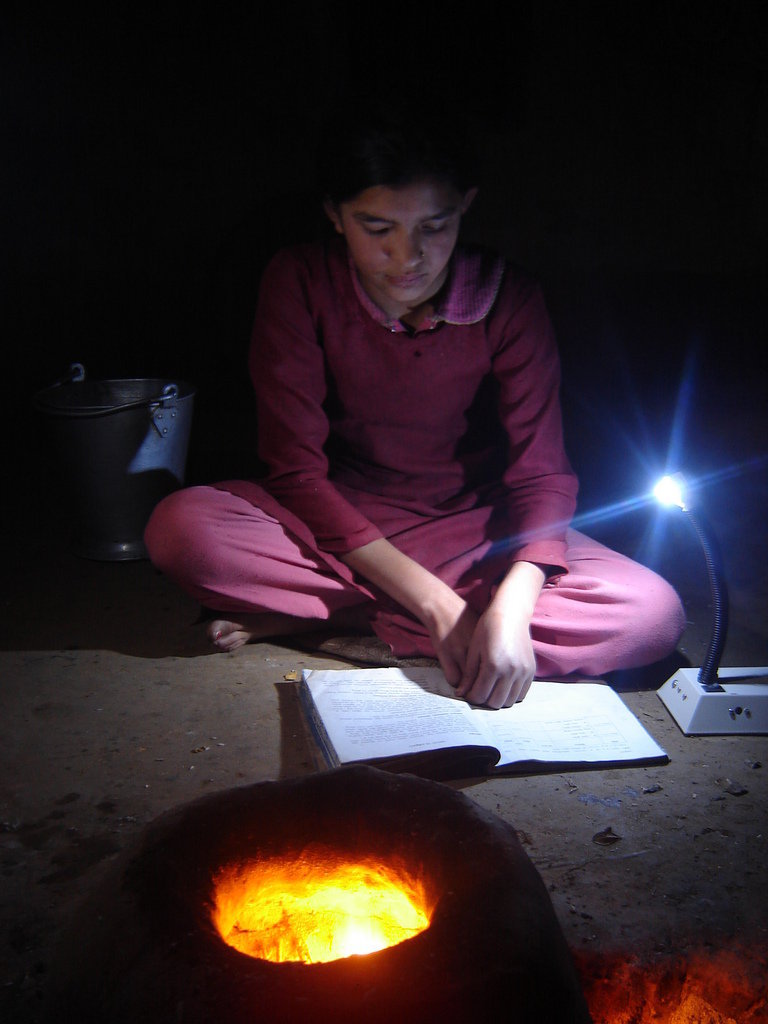
In Nepal, those without access to electricity generally rely on kerosene wick lamps (in 2.4 million households). This form of lighting is neither cost-effective nor environment-friendly. Fumes from the kerosene lamps affect eyes and lungs and contribute to global warming with the release of greenhouse gases. The quality of light is inferior and there is a high risk of accidental fire. Additionally, since kerosene has to be imported, government has to spend its limited funds in foreign currency.
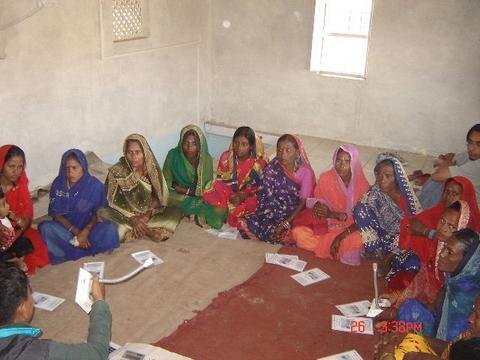
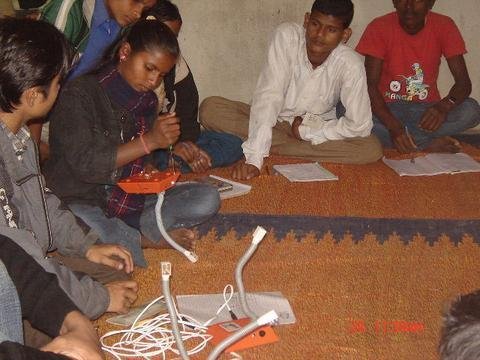
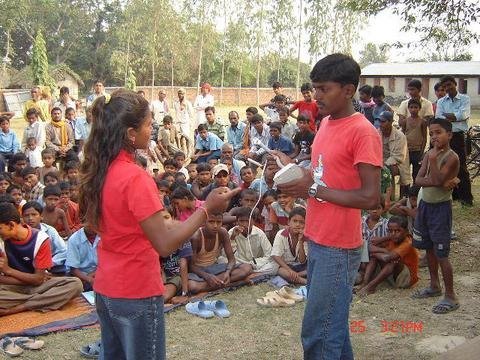
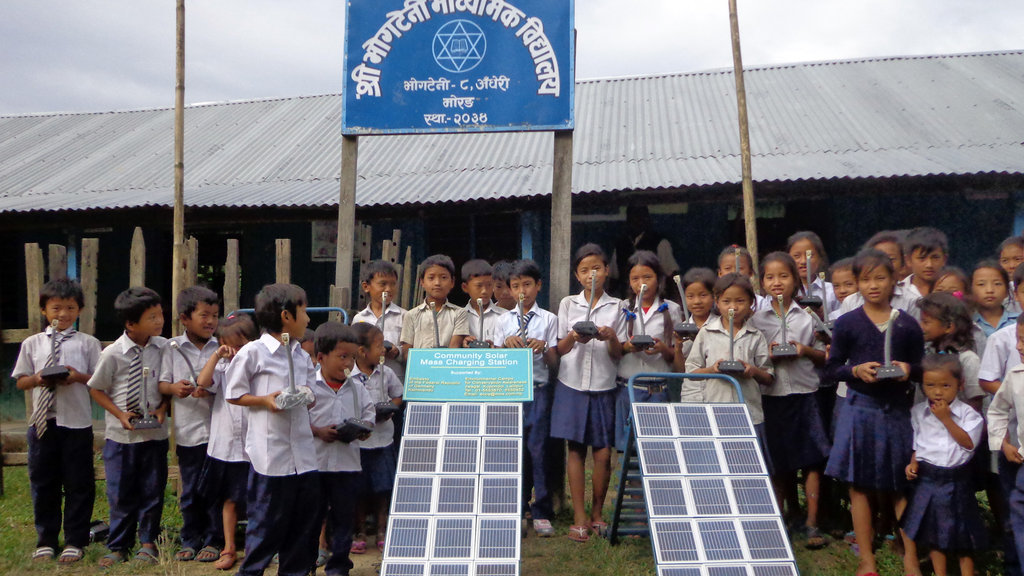
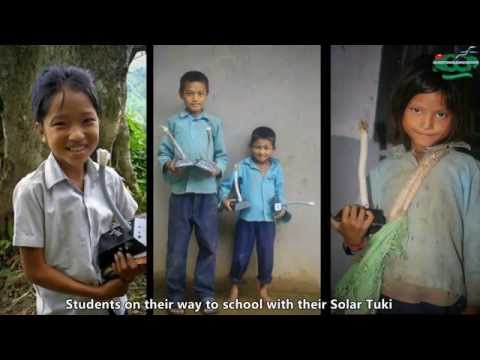
1) Give orientation to village youths & school students on renewable energy, 2) Train on repair & maintenance, 3) Distribute solar lamp, 4) Install multiple charging stations at schools
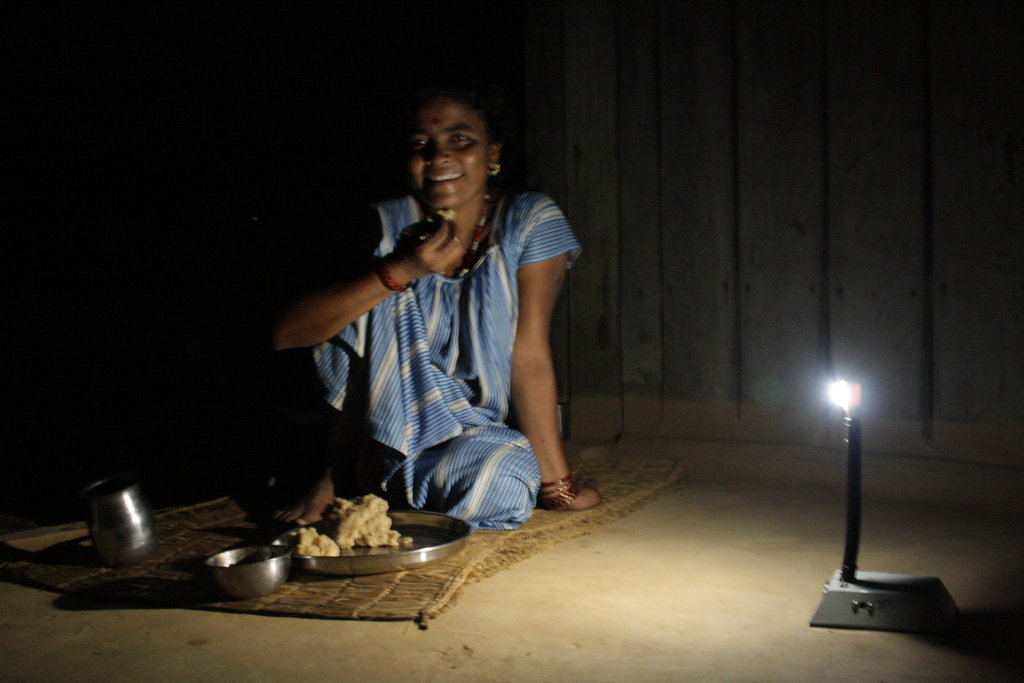
Improvement in quality of life, health (especially of children and women), and studying conditions; increase in evening economic activity; reduction in fire hazards, environmental pollution, global warming, and dependency on imported kerosene; increase the school enrollment and class attendance rates by establishing charging stations at schools
This project has provided additional documentation in a Microsoft Word file (projdoc.doc).



Support this important cause by creating a personalized fundraising page.
Start a Fundraiser