Rescue Children Suffering From Severe Malnutrition

Summary

Provide food and medical care to starving Nepali children. Educate mothers on nutrition and hygiene, enabling them to take this information back to the villages where they can teach other families. progress reportread updates from the field

Everybody Can Win Challenge Participant

How You Can Help  question mark

Make a donation
 

Received $1,533 from 14 donations from people like:

kevinconroy
SusanZC
Gab
Nikos

+


YOU!
Give now to become donor #15!

More Information About this Project

Project Needs and Beneficiaries

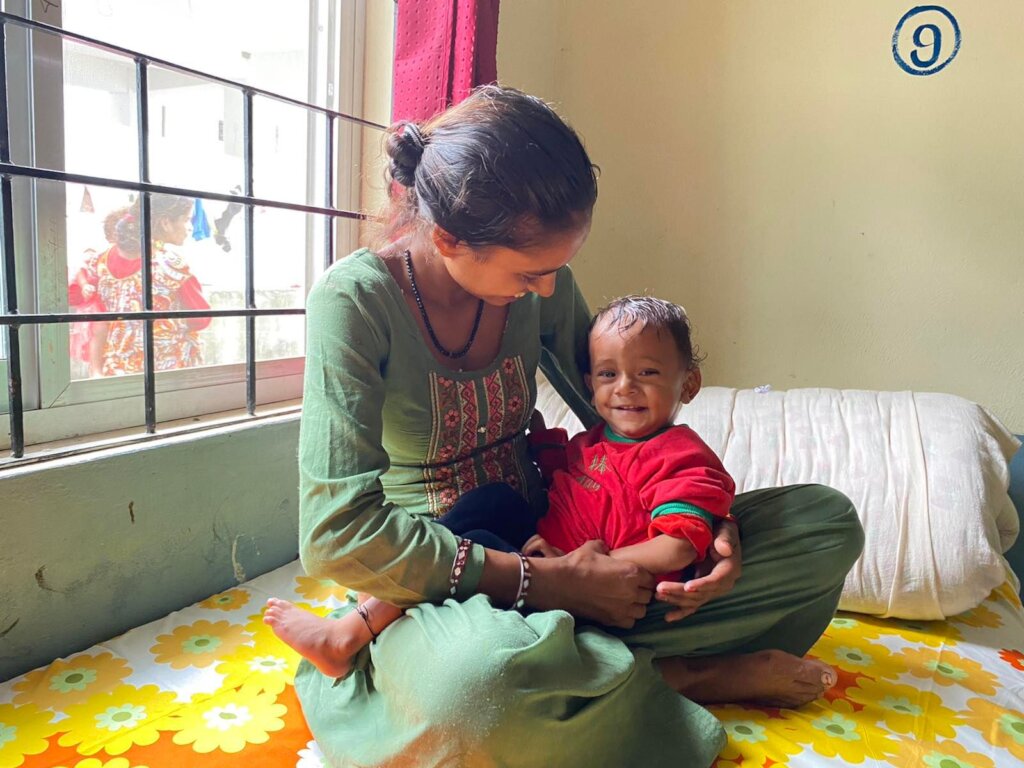
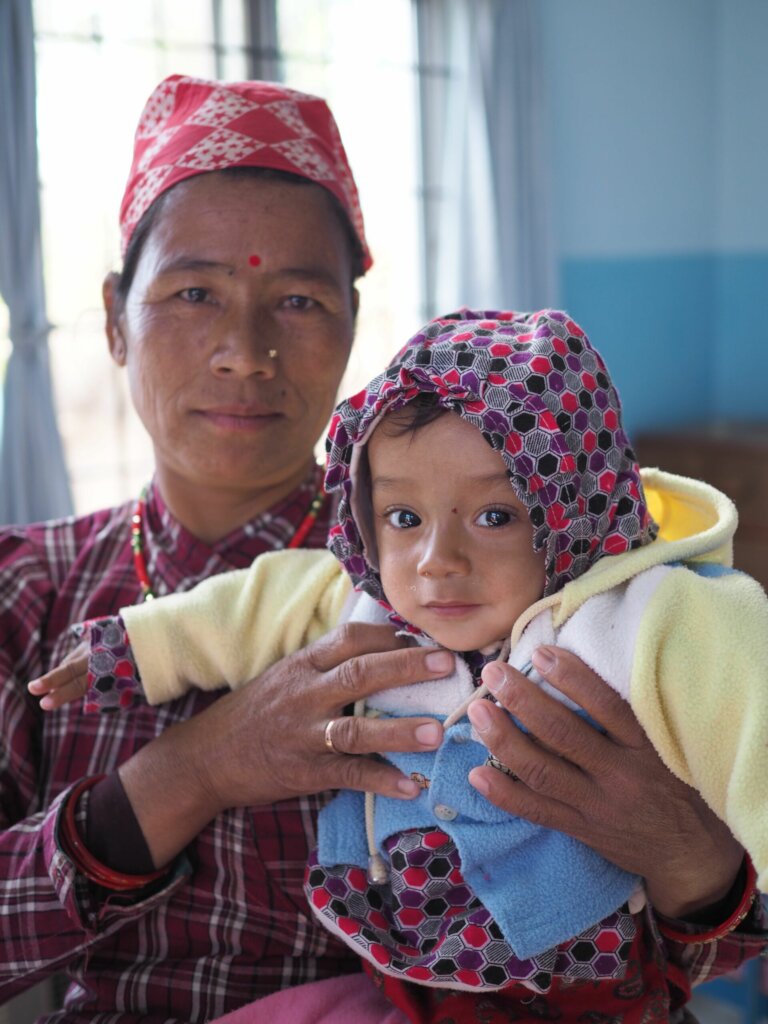
Nutritional Rehabilitation Homes (NRH) for severely malnourished children. About half the children in Nepal under age five are malnourished. This is a leading cause of death in this age group. Children come with their mothers to one of our six Homes. They are so malnourished that they are close to death. In just six weeks, we restore the child to health and educate the mother in nutrition, and proper childcare. Field workers visit the village to be sure that the weight gain is being maintained.

Activities

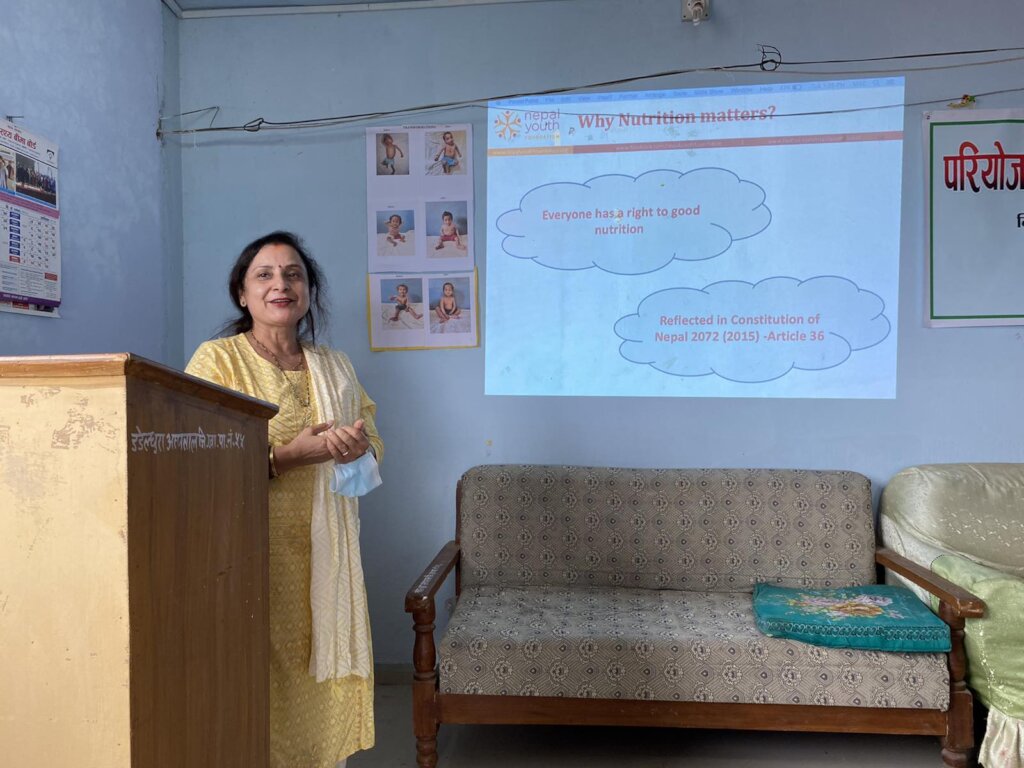
NYOF provides proper nutrition and care to starving children while educating the mothers on how to feed their children with nutritious, locally grown food, and provide hygienic care. The mothers can return to the villages and instruct other families.

Funding Information

Total Funding Received to Date: $1,533
Remaining Goal to be Funded: $18,467
Total Funding Goal: $20,000

Additional Documentation

This project has provided additional documentation in a Microsoft Word file (projdoc.doc).

Resources

Why this Project is Important

Potential Long Term Impact

Prevent children from dying of malnutrition, and from growing up with disabilities and mental disorders as a result of their lack of proper nutrition and care. Educate the mothers so they realize the importance of proper care and nutrition.

Project Message

NYOF’s NRH works miracles! Children are so weak they are barely able to breathe; they have no strength and are almost dead from starvation. In about six weeks they are transformed into healthy babies.
- Olga Murray, NYOF Board President and Founder

Who is Running This Project

Contact

Janis Olson,
Executive Director
Executive Director
3030 Bridgeway, Suite 123
Sausalito, CA 94965
United States
415.331.8585
Email:

Project Sponsor

Marketplace 2005

Organization

Nepalese Youth Opportunity Foundation (NYOF)
3030 Bridgeway, Suite 123
Sausalito, California 94965
United States
(415) 331-8585
http://www.nyof.org

Learn more about Nepalese Youth Opportunity Foundation (NYOF) and the project team.


Nepalese Youth Opportunity Foundation (NYOF)'s Current Projects on GlobalGiving

Sending Children to School in Remote Villages
Free and Educate 300 Bonded Nepali Girls

Where this Project is Located

Country

This project is located in Nepal and can also be found under Health.

For more information about Nepal, read the Human Development Report on Nepal or the Wikipedia entry for Nepal.

When this Project was Updated

Last Updated

This project was last updated on June 25, 2008.

Date Added to GlobalGiving

This project was added to the GlobalGiving project catalog on April 17, 2008.

Latest Update from the Field

Progress and Expansion of the Nutritional Rehabilitation Homes

By Olga Murray - President and Founder, June 25, 2008 05:09 PM

The Nutritional Rehabilitation Homes are small hospitals devoted entirely to restoring very malnourished children to health and educating their mothers in nutrition and all other aspects of child care so that the condition does not recur. Since half the children under five years of age in Nepal are malnourished and this is a leading cause of death in this age group, these centers provide a critical service. Because of the help provided by our doctors, nurses, and nutritionists, children who are admitted looking as though they cannot survive much longer, leave the NRH an average of five weeks later as bouncy, plump little kids, brimming with life. We use only food easily and inexpensively available throughout Nepal to work these miracles. After discharge, a field worker visits the children to be sure they are maintaining their weight gain.

We began this project ten years ago with a small facility in Kathmandu above a children’s clinic. Later, we moved to larger quarters, with 23 beds. At the urging of the Nepali government, we have been establishing such centers throughout the country so that children who cannot come to Kathmandu can also get help. At present, there are six NRHs in different parts of Nepal, and we are building three more, some in areas which were not possible to work in during the Maoist insurgency.

Over 3000 children have been restored to blooming good health over the years at the NRHs, and their mothers trained in the principles of child care. The average stay is five weeks, and the average cost is only $300.

Taking the Show on the Road

Last year, we began a pilot project to try to head off malnutrition by taking the tried and tested methods we have developed at the NRHs to remote areas of the country. We established free camps in rural areas, distributing leaflets in advance to the remote, roadless villages in the area, inviting children, their family members, and women of childbearing age to the free camp. Doctors, nurses, and nutritionists were in attendance, all experienced in imparting knowledge about children’s health to usually illiterate mothers. All the children who attended the camps were assessed and the mothers were taught to prepare a nourishing and easily digestible mix of locally available food. Children who were only moderately malnourished would be helped by this formula. Those who suffered from severe malnourishment were referred to the nearest NRH. Two follow-up camps will be held to assess the success of the program.

An interesting aspect of the project is that the mothers-in-law and sisters-in-law of the mothers and prospective mothers were also urged to attend. In Nepal, the tradition is that after marriage, a wife goes to live with her husband’s family. From that day onward, she is subject to the dictates of her in-laws in almost all matters, including child rearing. The ten years of experience at our NRHs has taught us that some mothers who have returned to their villages fully instructed in good child care practices, were unable to apply their knowledge because their in-laws insisted that traditional methods of nourishing children and maintaining their health be followed. Therefore, the in-laws in the family are also encouraged to attend the training sessions.

Links:


Attachments:

Comment on this update | Subscribe to "Updates from the Field" by E-Mail

How Else You Can Help

Spread the Word on your Profile, Blog, or Website

Put a widget for this project on your profile, blog or website to turn your friends into givers. Using our widget, it's quick and easy to add this widget to your profile or blog!

Get this widget on: