
If someone had told me a year ago that a mere $50 could mean the difference between remaining in poverty and the chance at a better life, I don't know if I would have taken that claim very seriously.
Since joining ETC in late 2011, however, I have come to understand just how powerful and life-changing a small amount of money can be, for hundreds of women in rural Dolakha, Nepal.
ETC supports 42 women's groups in Dolakha, which have a combined total of more than 850 members. These women were almost all illiterate and living in grave poverty, often suffering from food shortage and malnutrition. Since ETC's arrival in Dolakha in 2008, they have learned to read, write, and do basic math. They have also received the resources and support they need to start and expand their own small businesses.
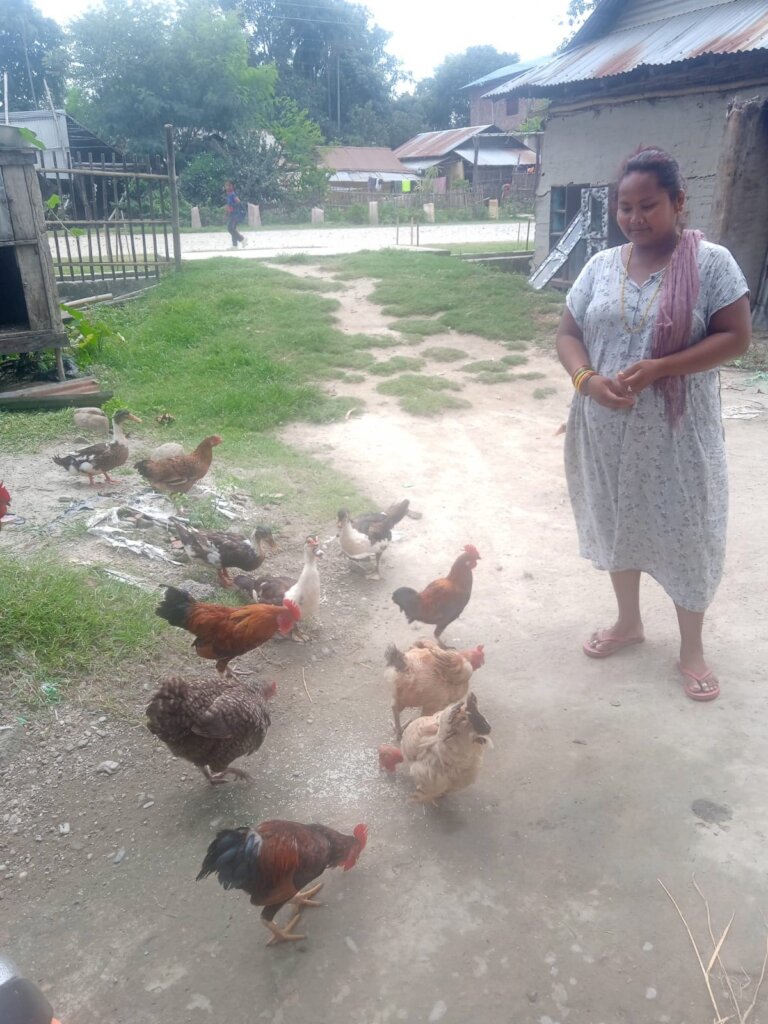
The women's groups control a total of more than $28,000 in savings assets, which they loan out to fellow group members. The average loan size is just under $50. In the past year and a half, hundreds of women have taken out and repaid business loans. The most popular types of small business for which start-up and expansion loans are requested are goat and poultry farms, accounting for more than 75% of all loan purposes.
A woman with a thriving small business can afford to feed her family more nutritious food and can ensure that all of her children are able to attend school. Moreover, she feels a significant sense of pride in her new-found abilities and achievements.
By supporting ETC's Women's Empowerment Program, you have helped to ensure that hundreds of women have gained the skills and confidence to improve their own lives and those of their families.
From all of us at ETC: Thank you for your generosity!
Links:

Hello, Educate the Children supporters! I am writing to provide you with an update on our GlobalGiving.org project, "Help 832 women in Nepal start their own businesses."
Your support of this project is helping us solve two problems with one solution. How?
As you know, women in Nepal are traditionally expected to remain silent and subservient. They are discouraged from taking any public role, even from speaking their minds in public. Only one-quarter of women age 15 and older are literate, because schooling for girls is undervalued and often unaffordable. Girls are often married young - in their early teens, even - and become mothers soon thereafter. They typically move to their husbands' villages, where they likely have no family, close friends, or other support networks of their own - at first.
Through ETC's women's groups, these women become literate, gain access to the skills and resources (including microcredit loans) necessary to start their own small businesses, and achieve a sense of confidence in their abilities. They also become part of a peer group, through which they share their successes, lessons learned, and dreams for themselves and their families. They learn to speak up and advocate for their rights, knowing that they are not alone because their women's group "has their back."
By enabling women to start their own businesses, you and we are solving two problems: women's lack of empowerment, and families' lack of access to nutritious food.
Nepalese agriculture is characterized by subsistence farming and the concentration of most land in the hands of a few people. Most Nepalese live on $1.25 or less per day, and many women scrape an insufficient living by working in other people's fields. Food insecurity and malnutrition are all too common.
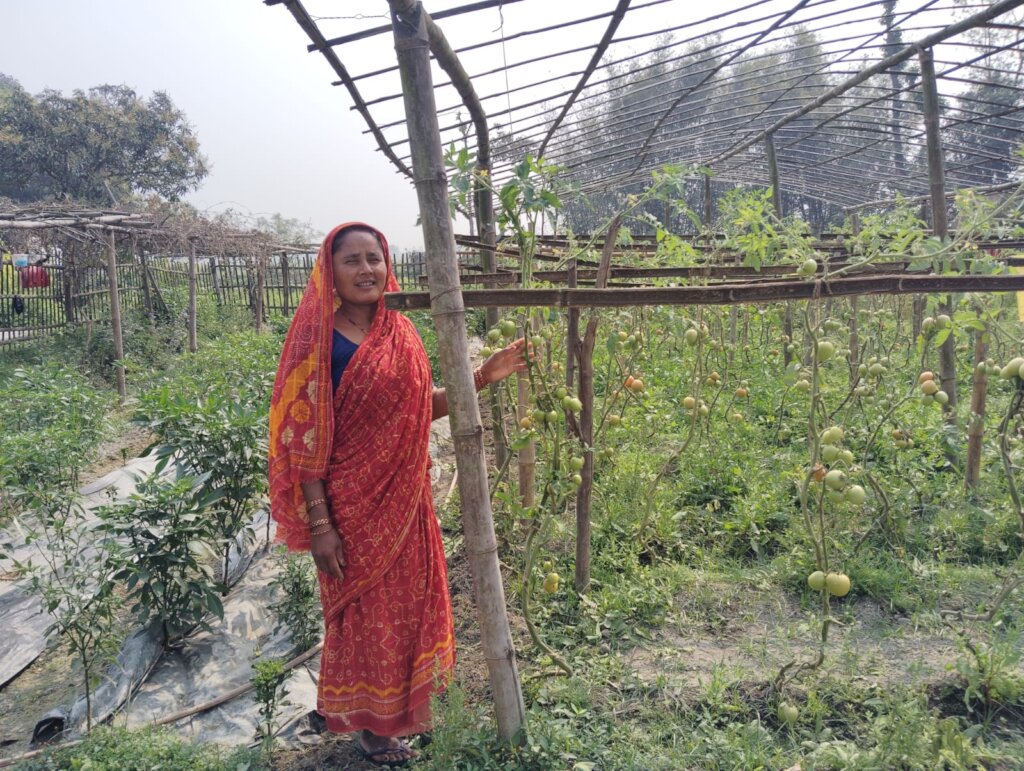
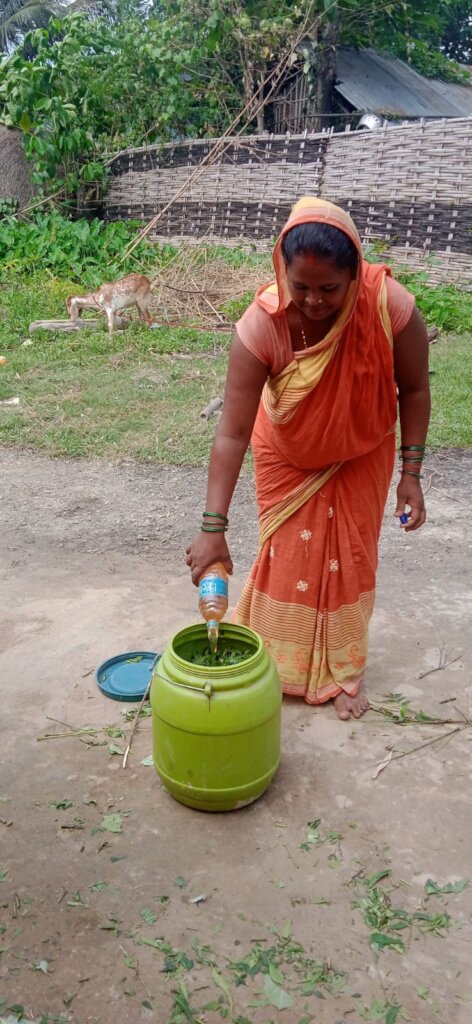
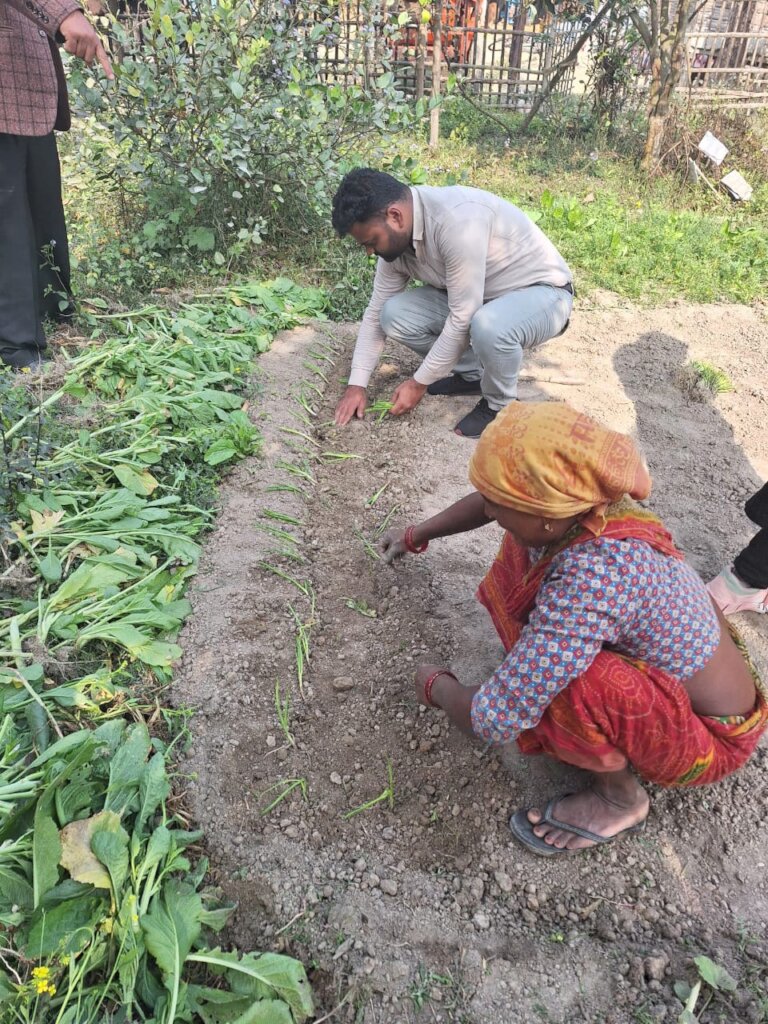
Most of the women with whom ETC works start small agri-businesses - goat and chicken farms and market gardening (often through the establishment of kitchen gardens next to their homes) are especially popular.
The women's small agri-businesses produce nutritious food such as goats' milk, eggs, leafy green vegetables, and fruits for families whose diet had previously consisted largely of rice. The extra income generated also helps buy more food to supplement what they can grow themselves. Whole families, even whole villages, become healthier. And the women who work so hard feel a sense of great pride, knowing that their efforts are not only materially helping their loved ones, but also winning them respect and higher status in their communities.
From all of us at ETC, thank you.
Links:

Dear Global Giving Donor:
Happy 2012! I am writing today for two reasons.
First, I want to introduce myself as the new U.S. Director of Educate the Children. I am very pleased to have joined such a dynamic agency, doing such effective and important work.
Second, I want to thank you very much for supporting this project. More than 850 women in 42 women's groups are developing the important basic skills, such as literacy and numeracy, that most would otherwise not have had the opportunity to develop. You and I take these skills for granted as basic human rights, but in many areas of the world - including rural Nepal - they are still, in effect, privileges. Yet they are crucial to these women's ability to contribute to the financial support of their families.
Less easily measurable than reading and math skills, but no less important, is these women's increased sense of self-worth and empowerment. For example, Shrijana Thami was an agricultural day laborer earning about 700 rupees per year - that's only about $10 U.S., which is very low even according to the usual standard of living in rural Nepal. She joined an ETC women's group, learned basic reading and math skills, borrowed funds from her women's group's microcredit fund, and started her own goat farm. Her business flourished and she has recently purchased additional goats, and has participated in ETC-sponsored livestock management training. She now earns more than four times her previous annual income, which means that all of her children can attend school and her family's health and well-being have been increased significantly. She takes pride in her achievements and abilities. She says, "I now have hope for my family’s future and a better life for all those in my community.”
Your support has ensured Shrijana's success and that of hundreds of other women in rural Nepal. We thank you again.
Lisa Lyons
U.S. Director
Links:

