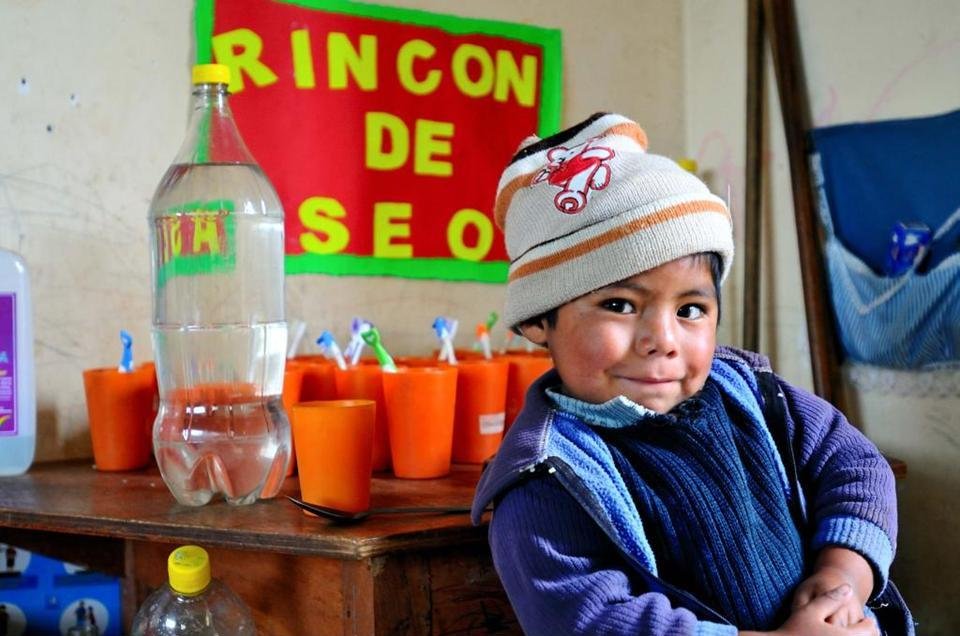
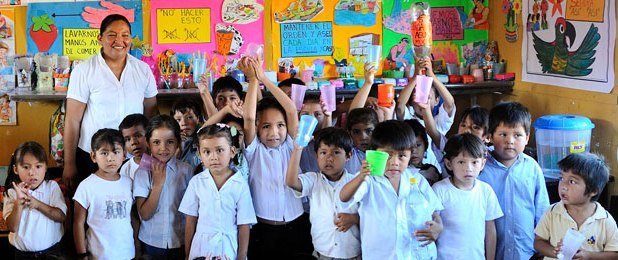
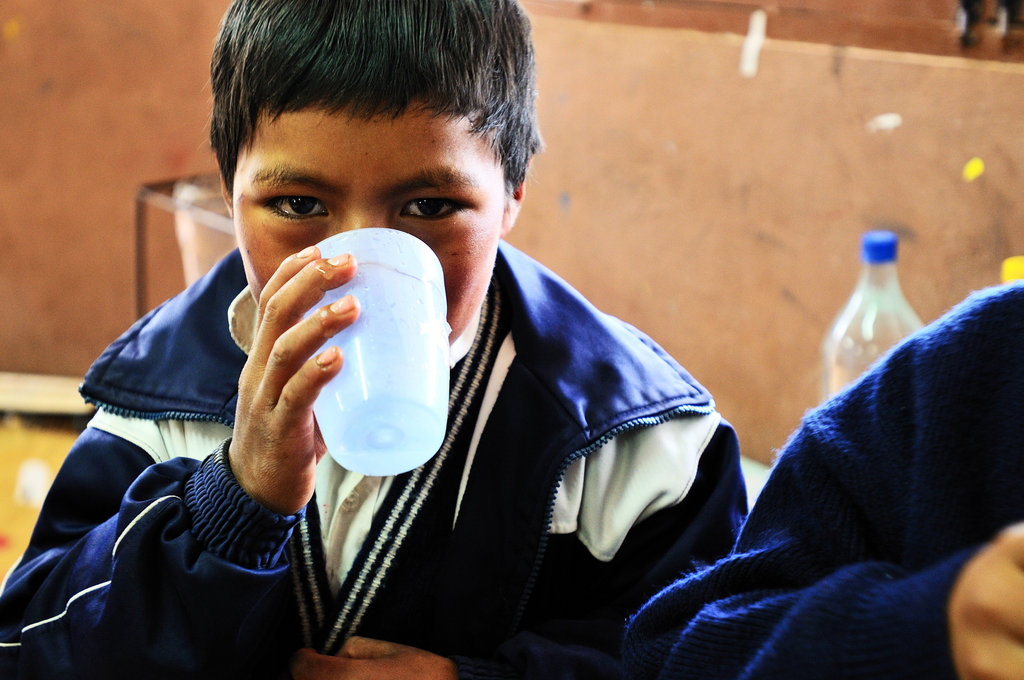
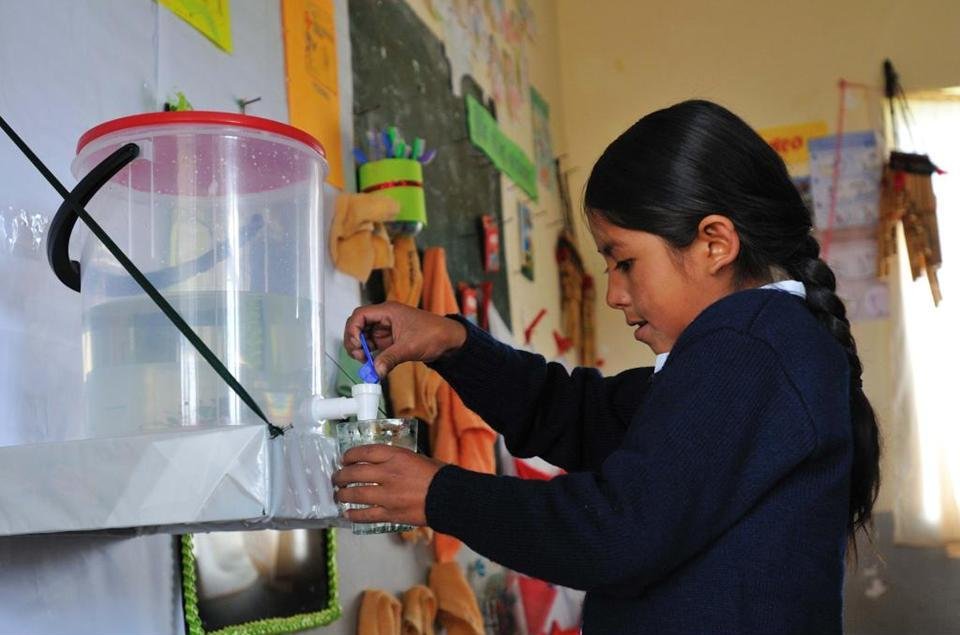
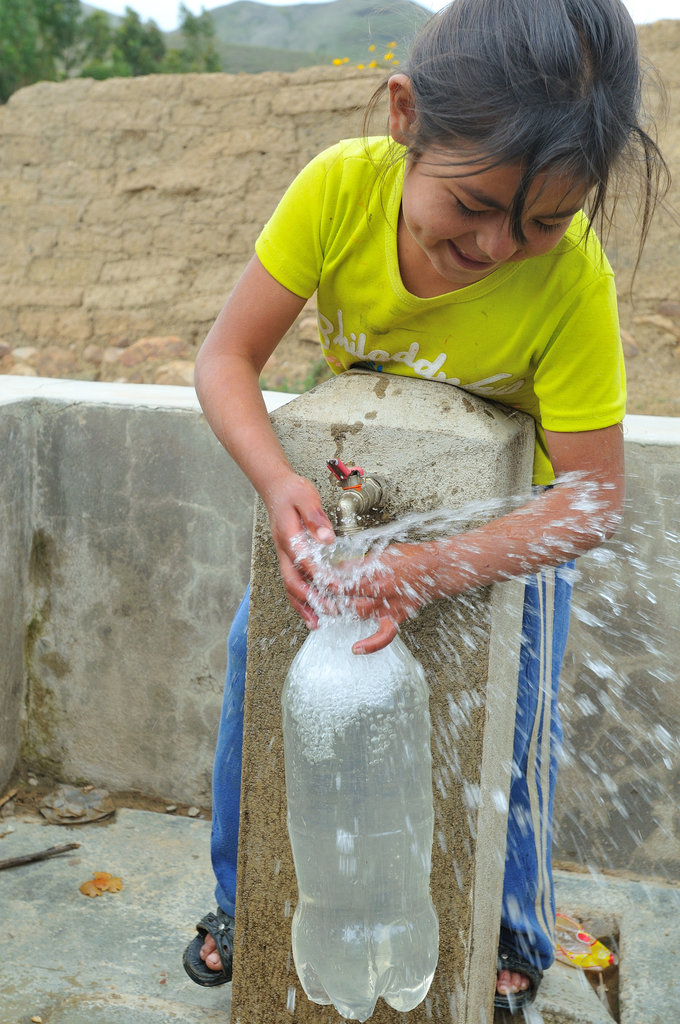
Teachers and students of 40 schools in Bolivia will be trained on how to obtain safe drinking water and improve hygiene conditions at school. Simple and affordable technologies like Solar Water Disinfection (SODIS) will be promoted.
Worldwide, every 15 seconds a child dies from diarrhea. Diarrhea is one of the biggest killers of children under 5, caused by poor hygiene conditions and lack of adequate water and sanitation conditions. Thousands of schools in Bolivia, like in many other low-income countries, lack basic infrastructure for drinking water and sanitation, making the precarious hygiene conditions even worse. These conditions not only affect the health of children but also their mental and physical development.
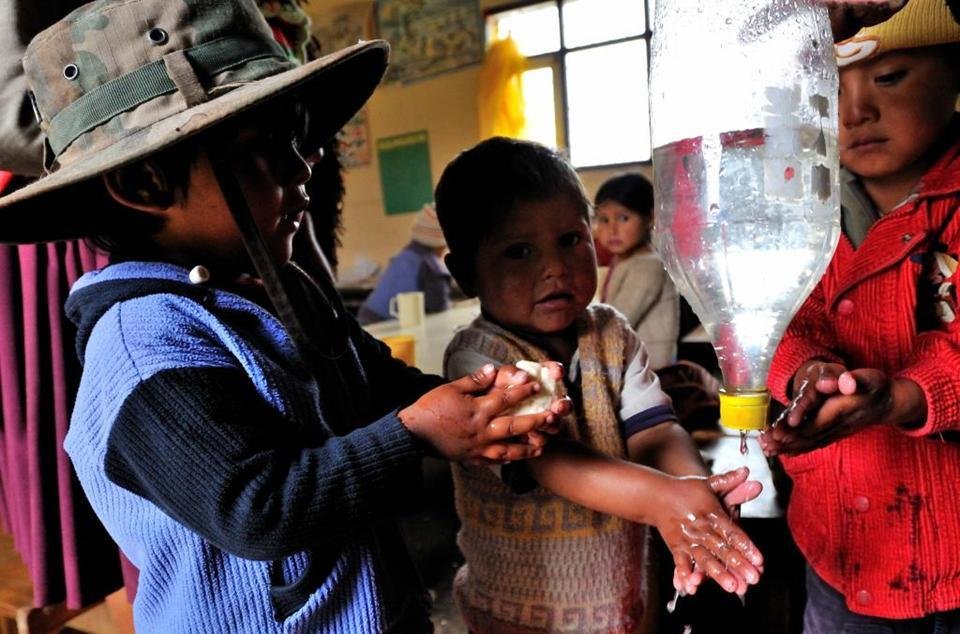
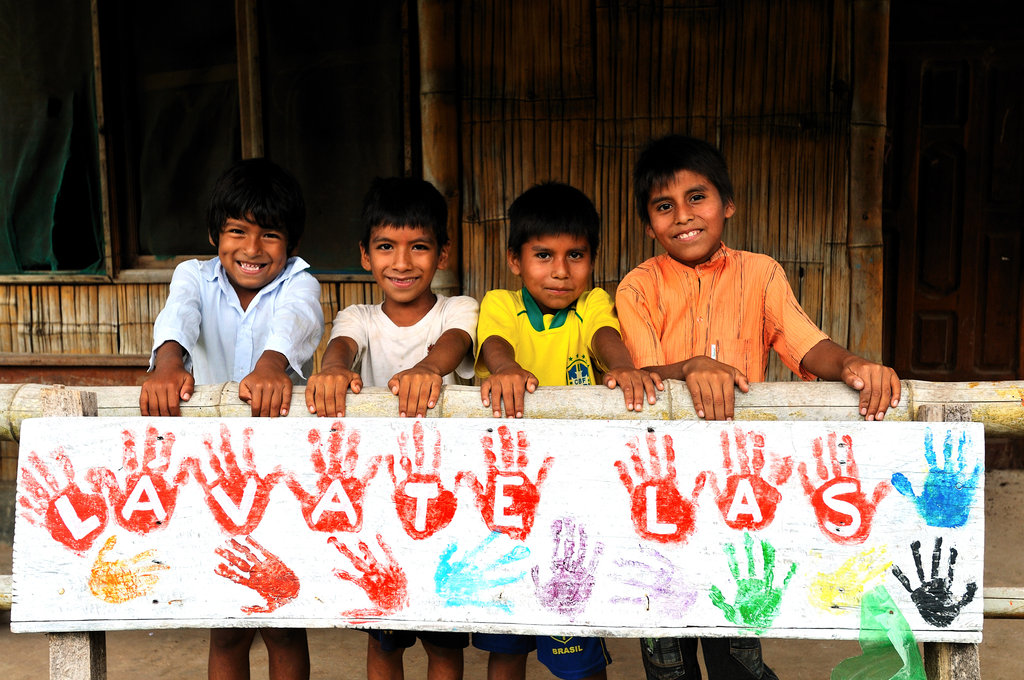
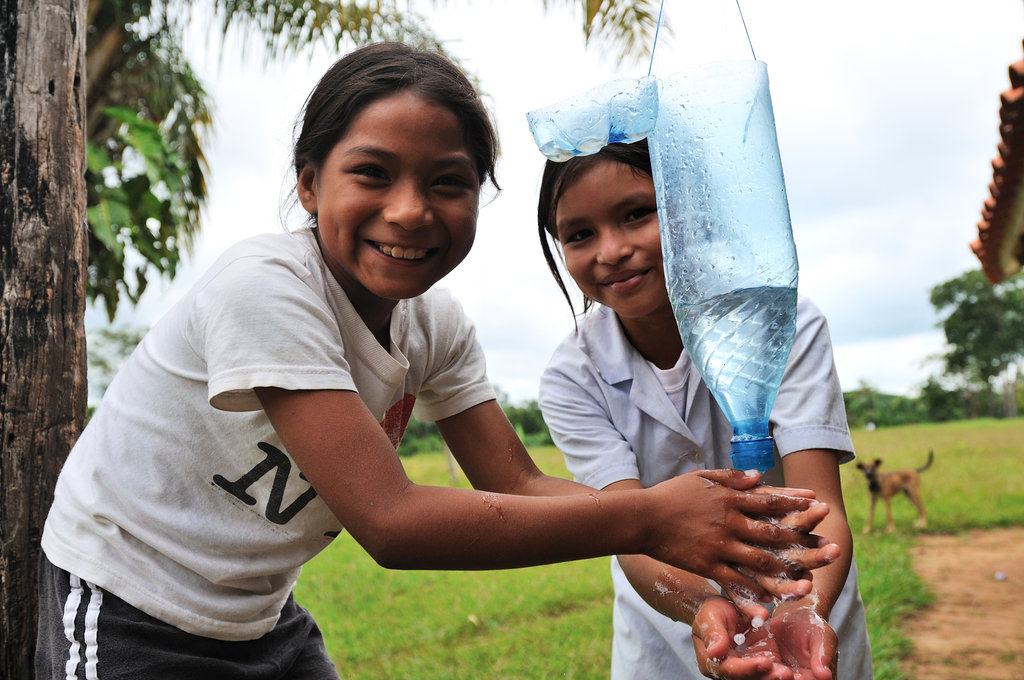
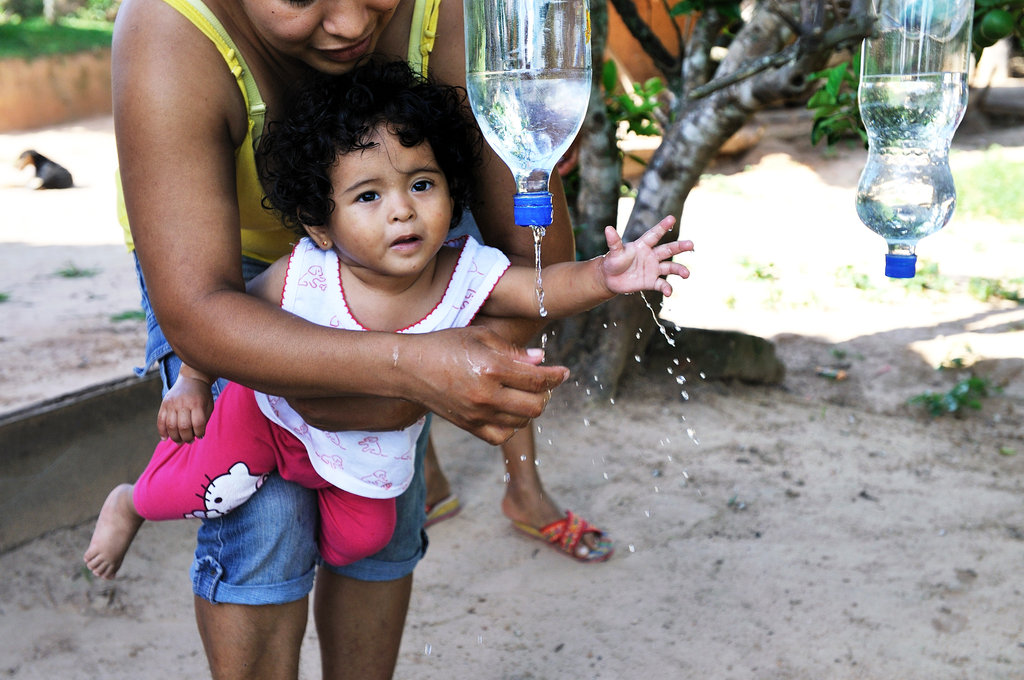
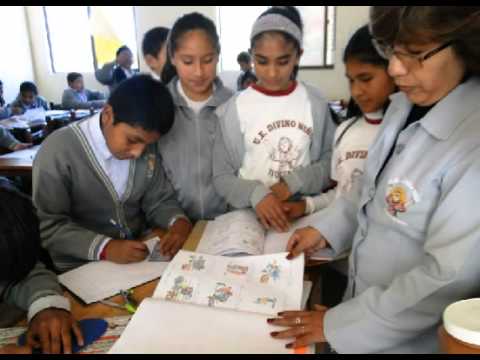
Teachers and students of 40 schools in Tiquipaya (Bolivia) will be trained in simple, effective methods to improve water, sanitation and hygiene conditions at school. Previously tested and developed solutions like Solar Water Disinfection (SODIS) and hand washing with soap will be implemented at the schools. Hygiene education will be integrated into school curricula. Parents will be actively involved and students will be trained to implement the solutions at home as well.
Lowering diarrhea contributes directly to improved mental and physical development of children. A reduction in diarrhea also means that fewer days of schools are lost to disease and medical expenses are reduced. Healthier settings at schools lead to increased school attendance, especially among young girls. Training children on simple methods to improve water and hygiene conditions will create a generation of citizens who understands health risks of their environment and is able to reduce them.
This project has provided additional documentation in a PDF file (projdoc.pdf).