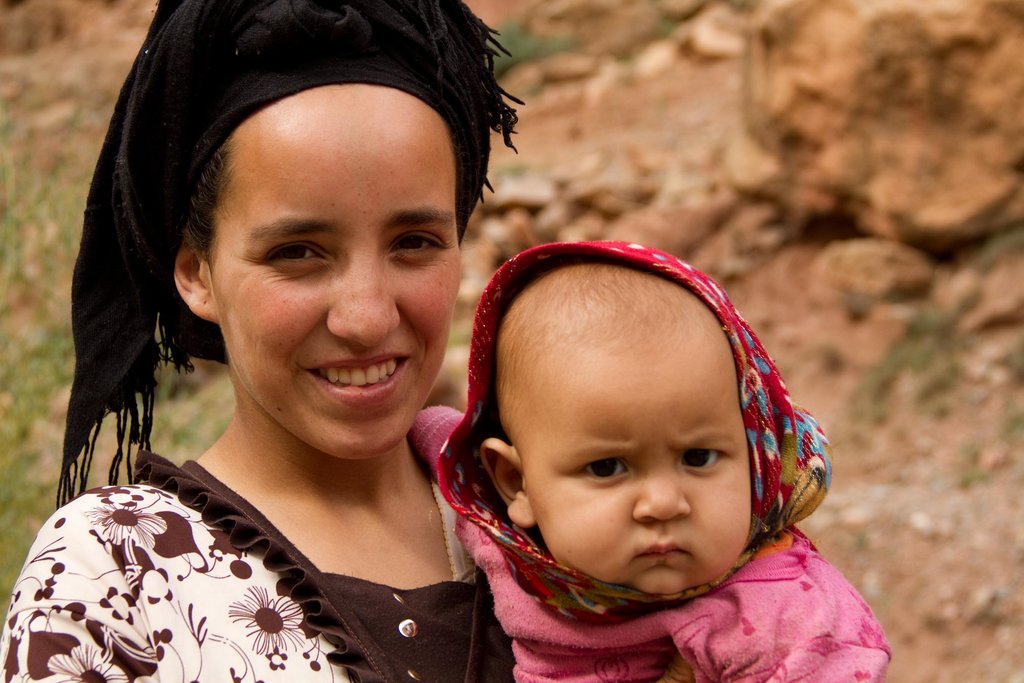
Community Health for 4 Moroccan Villages

by Erickson Creative Group
Community Health for 4 Moroccan Villages

Project Report | Dec 30, 2011
University students help with 5 Community Health Workshops

By Cloe Medina Erickson | Project Director

Through a parternship with Montana State University, graduate and undergraduate health and human development student wiThe Morocco: Sustainable Community Development is an International Service Learning program and field research practicum that provides students with the opportunity to participate in ongoing participatory research and field data collection, project planning, implementation, and management in the rural communities of the Zawiya Ahansal region in the Central High Atlas Mountains of Morocco.  This service learning program offers a five-week immersive experience for students to work directly with a faculty sponsor, the partnering organizations as well as key community stakeholders.

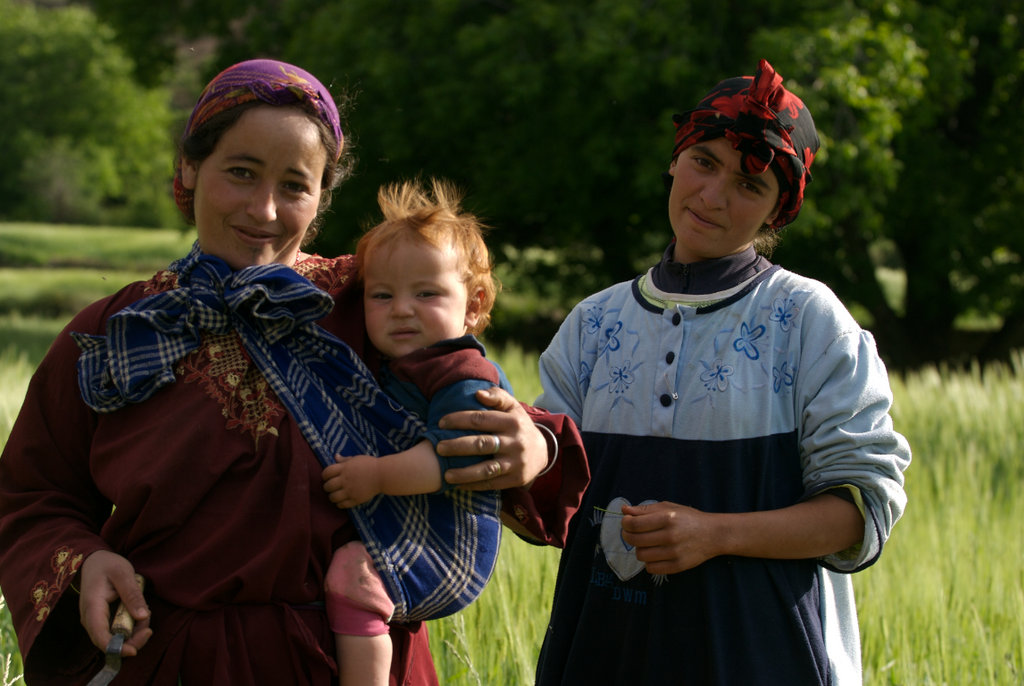
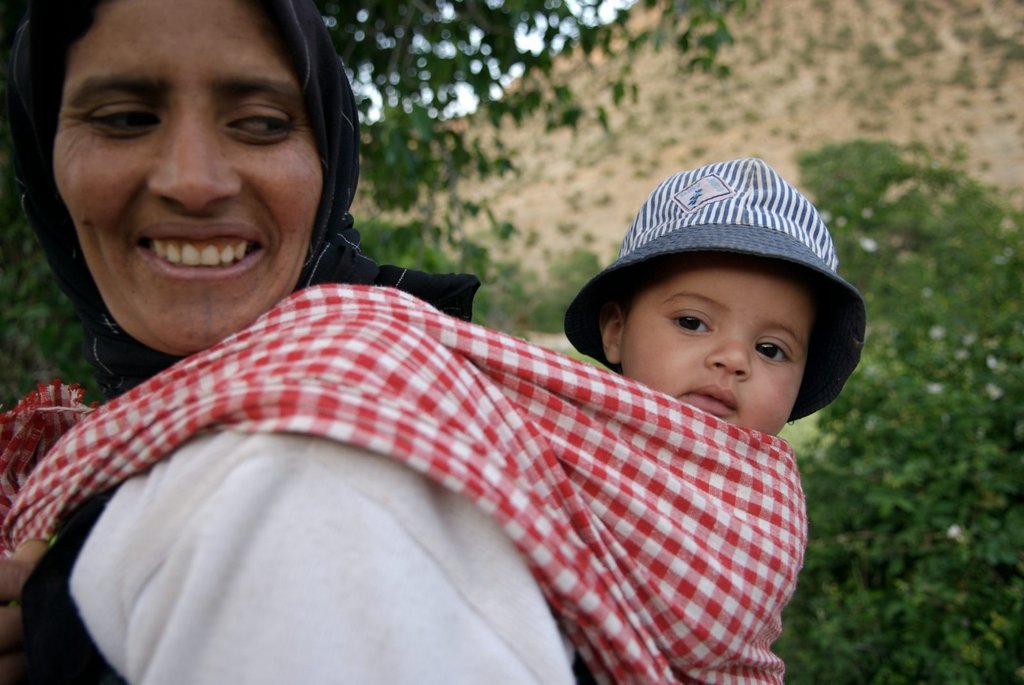
In May of 2012 a select group of graduate and undergraduate health and human development students from Montana State University will help with ongoing monitoring and evaluation of the program led by the partnering non-profit organizations, the Atlas Cultural Foundation and the Iqra Fund, as well as in-country associations.  Currently there are no specific data on infant or maternal mortality rates in these remote communities of Zawiya Ahansal.  Students will work directly with a faculty sponsor and partnering organizations to collect quantitative and qualitative data to help identify mortality rates, daily sanitation and nutrition home practices, and overall quality of community health.  The data collected during the 2012 field research will directly inform the ongoing monitoring and evaluation of the community health and education programs developed and funded by the partnering organizations.       

Students will collect data in one or more of the following areas:

Qualitative Data Collection:

  • Community observations:  Students will have the opportunity to observe daily practices in the community.  These observations may be passive or participatory depending on the program’s need. 
  • Community interviews:  Students will conduct informal interviews with strategic community members to identify community health practices and to describe the overall quality of health in households from the mothers, fathers, and children’s perspectives. 
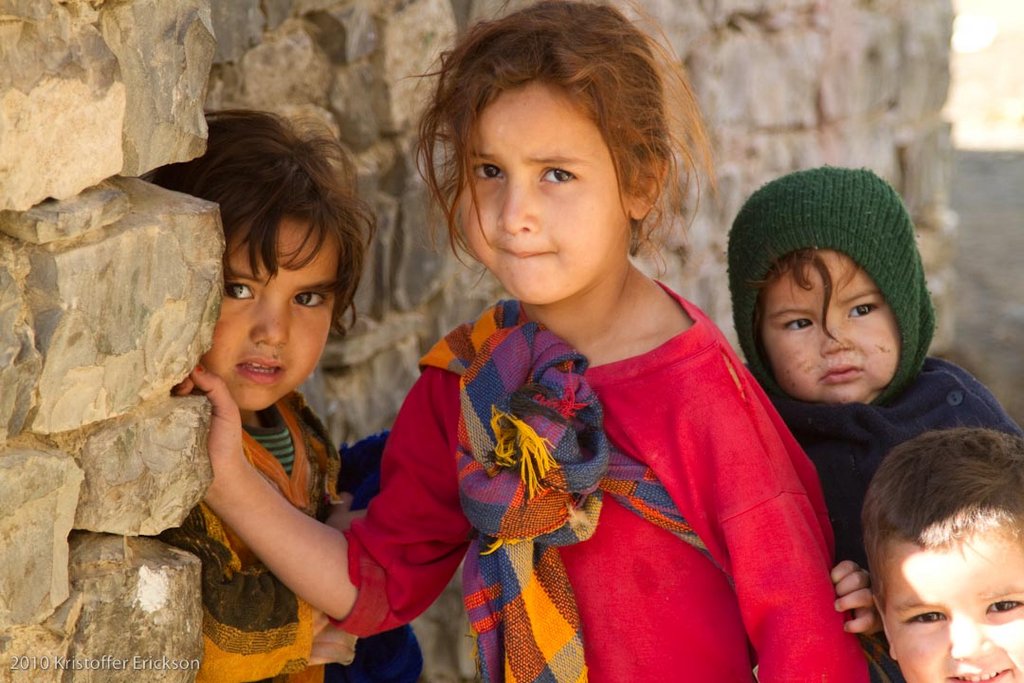
  • Community mapping:  Students will participate in a community mapping project led by local school children to identify significant community locations that impact overall community health.  These include local water supplies, livestock boarding and grazing, and areas of open defecation and open sewage.
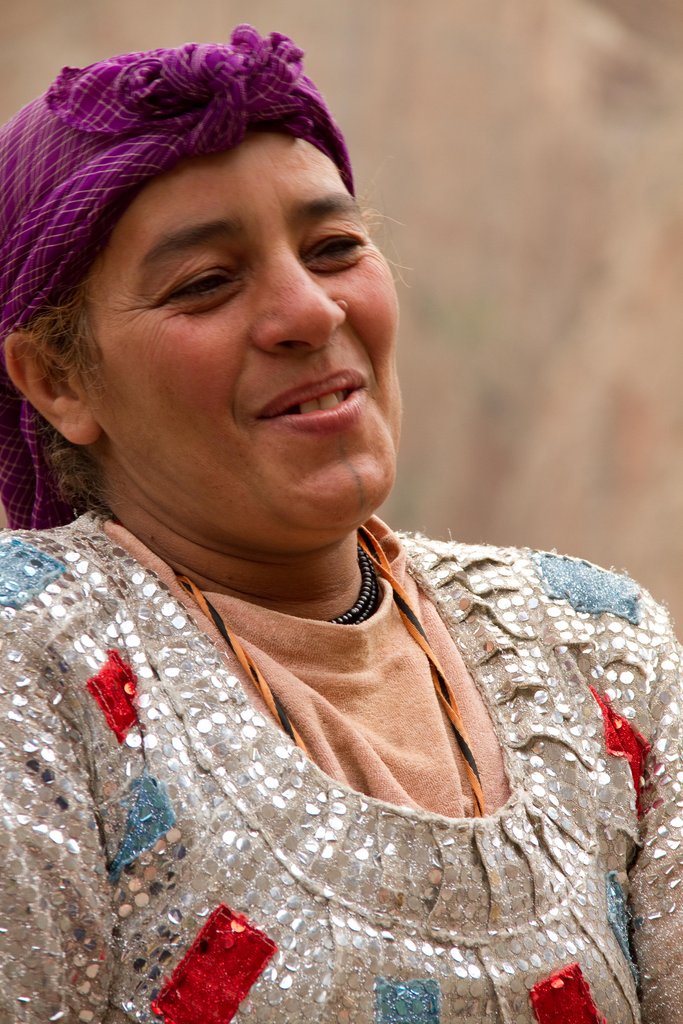
  • Traditional practices:  Students will collect stories from traditional midwives and local women regarding traditional birth and infant care practices.  These stories will be collected to help inform partnering organizations and local associations as they develop community health and midwife training programs. 

Quantitative Data Collection:

  • Infant and maternal mortality rates:  Students will help identify current infant and maternal mortality rates through document analysis (reports provided by local or regional clinics or the Ministry of Health) and through formal inquiry of community leaders. 
  • School attendance and drop-out rates:  Students will help identify how many students are attending school versus how many students drop-out or do not ever attend school through analysis of local Ministry of Education reports.  Education, especially for girls, is an indicator of community health.    
  • Adult literacy:  Students will help identify current adult literacy rates through document analysis (reports provided by local associations) and formal inquiries from community leaders.  Female literacy rates are direct indicators of mortality rates and overall community health.  

Links:

Share on Twitter Share on Facebook

About Project Reports

Project reports on GlobalGiving are posted directly to globalgiving.org by Project Leaders as they are completed, generally every 3-4 months. To protect the integrity of these documents, GlobalGiving does not alter them; therefore you may find some language or formatting issues.

If you donate to this project or have donated to this project, you can receive an email when this project posts a report. You can also subscribe for reports without donating.

Sign up for updates

Organization Information

Erickson Creative Group

Location: Livingston, MT - USA
Website:
Facebook: Facebook Page
Erickson Creative Group
Cloe Medina Erickson
Project Leader:
Cloe Medina Erickson
Project Developer/Manager
Livingston , MT United States

Retired Project!

This project is no longer accepting donations.
 

Still want to help?

Find another project in Morocco or in Physical Health that needs your help.
Find a Project

Learn more about GlobalGiving

Teenage Science Students
Vetting +
Due Diligence

Snorkeler
Our
Impact

Woman Holding a Gift Card
Give
Gift Cards

Young Girl with a Bicycle
GlobalGiving
Guarantee

Get incredible stories, promotions, and matching offers in your inbox

WARNING: Javascript is currently disabled or is not available in your browser. GlobalGiving makes extensive use of Javascript and will not function properly with Javascript disabled. Please enable Javascript and refresh this page.