By Kristen Lamb | Director
The downturn of the national economy has had an adverse effect on the amount of individual donations received by charities and non-profits globally. Center for Wildlife is no exception. Between fiscal years, 2010-2011 and 2011-2012, individual donor giving dropped by 42%, with admissions of injured and orphaned wildlife ever-increasing. However, at the end of the fiscal year 2010-2011 the Center had been the recipient of a large bequest from a long-time supporter. The timing of this generous gift could not have been more valuable, as it provided the resources to buffer the national downturn while dedicating Board and staff resources to analyze trends, reposition development efforts, and improve organizational efficiencies as appropriate. We are pleased to report on the work that we have done over the past several months to ensure the Center for Wildlife's sustainability, along with positioning ourselves to launch a capital campaign that will help us build and ensure staffing and diagnostics equipment for our much needed medical clinic and education center.
I. Intentional Use of Resources
This past year Center for Wildlife made a conscious decision to invest funds in strengthening its organizational foundation, fundraising capacity, staff assessment, program evaluation, and effective policies and procedures, along with creating a maintenance repair plan, thanks in part to the generous operating support from the Barker Foundation. This was seen as an investment in our future, while anticipating continued national economic downturn and commensurate necessary shift in development activities. Additionally, the Board of Directors increased its commitment to committee leadership, and increased the talent pool serving on the Board.
This year (fiscal 2012-2013) the Center is building on last year’s analysis and proven successes, including identifying and developing specific donors, broadening the base of potential donors through increasing visibility and targeted activities (mailings, website, e-newsletters, social networking, and partnering with local businesses and organizations), and strengthening the Board.
The intentional use of resources to stabilize Center for Wildlife focused on:
A. Job analysis and profiling
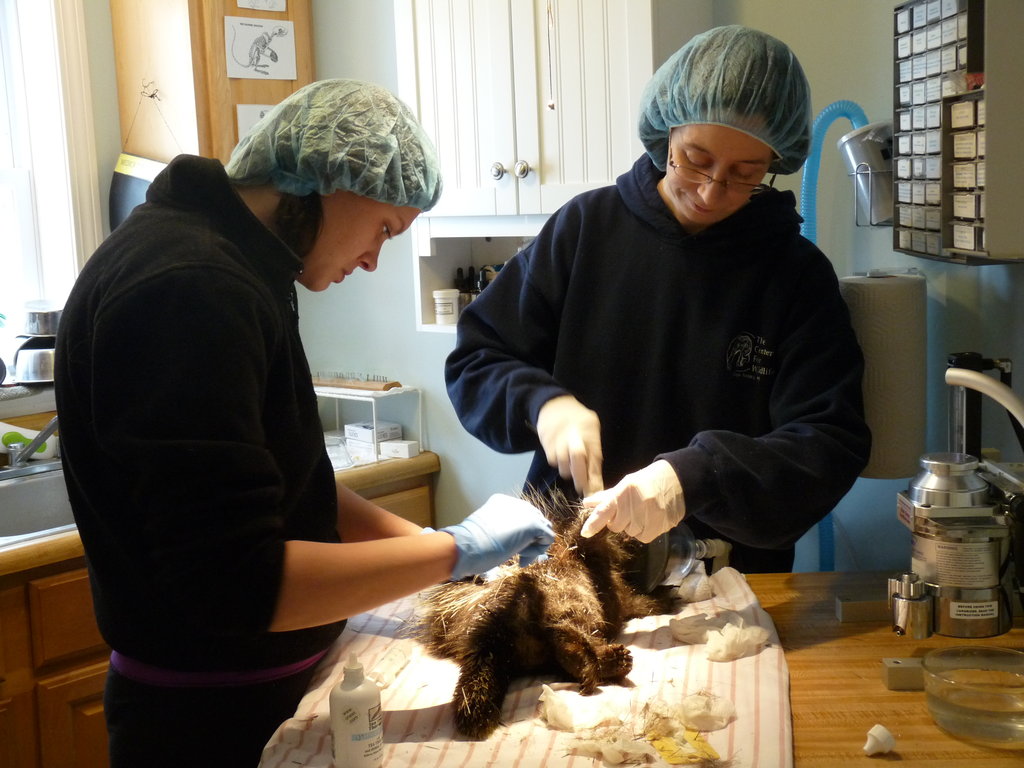
The Center revised the staffing structure and position descriptions. For example, medical clinic positions during the “off season” are required to be involved in grant-writing support and presenting fee-based educational programs and tours, and medical clinic management is assigned to a board member who is a Veterinarian.
B. Recruitment, selection, hiring, and training of new staff
Concurrent with the institutional changes in philosophy 3 long-term full-time staff members resigned. The Center undertook a professional staff search - recruitment, interviewing, hiring, and training for 3 dynamic professionals who are now on board.
C. Leadership
Executive Transitions
During the past fiscal year, Center for Wildlife has undergone an executive leadership transition involving the welcoming of a new Executive Director and President of our Board of Directors, and transition of two other long-term board members.
Creation of New Operating Committees
A result of the organizational analysis was the need for active Board support to the organization in the areas of Development and Medical Clinic Operations. This has resulted in the creation of the Medical Clinic Committee and Development Committee, each chaired by a Board member with experience in their respective areas.
2. Creation of a Maintenance and Repair Budget and Plan
During the in-depth analyses, the need for of a long-term maintenance and repair plan was recognized. Several structural and safety issues were identified in 2011-2012 and either were remediated or are in the process of remediation. Although much of the labor and materials are in-kind donations, this has required much staff oversight and attention.
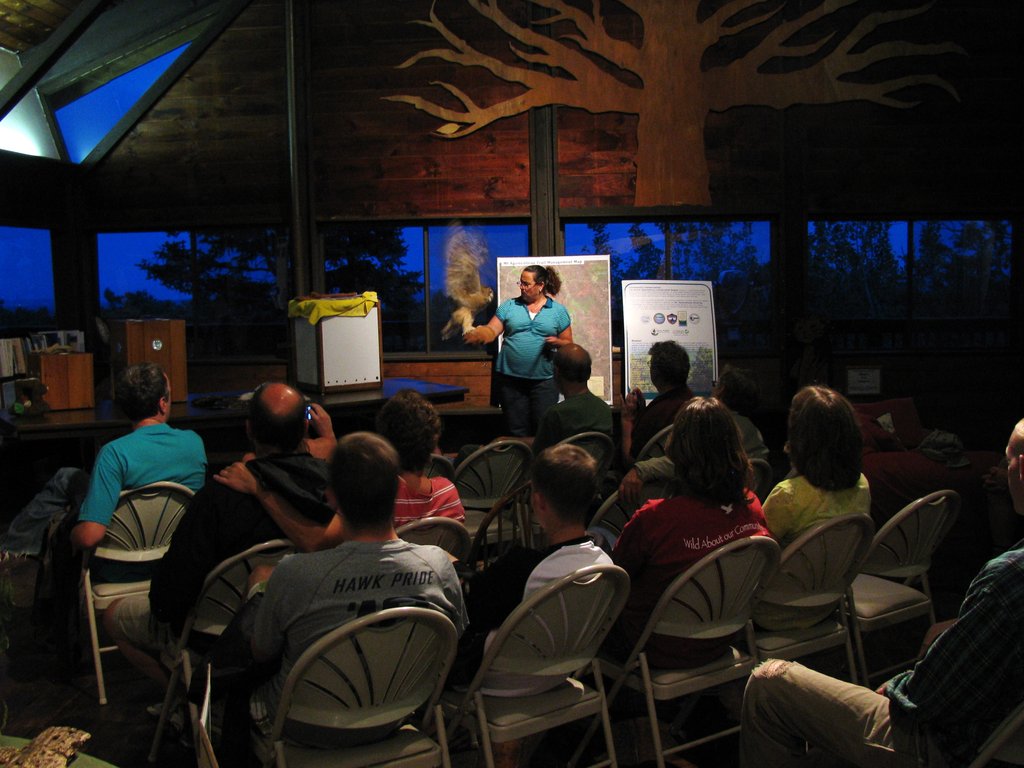
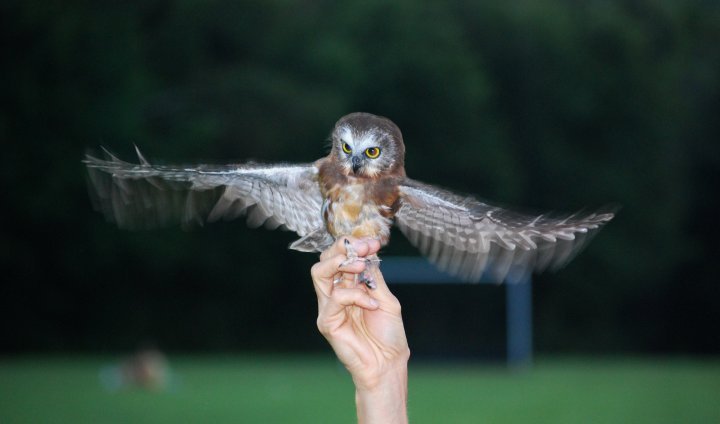
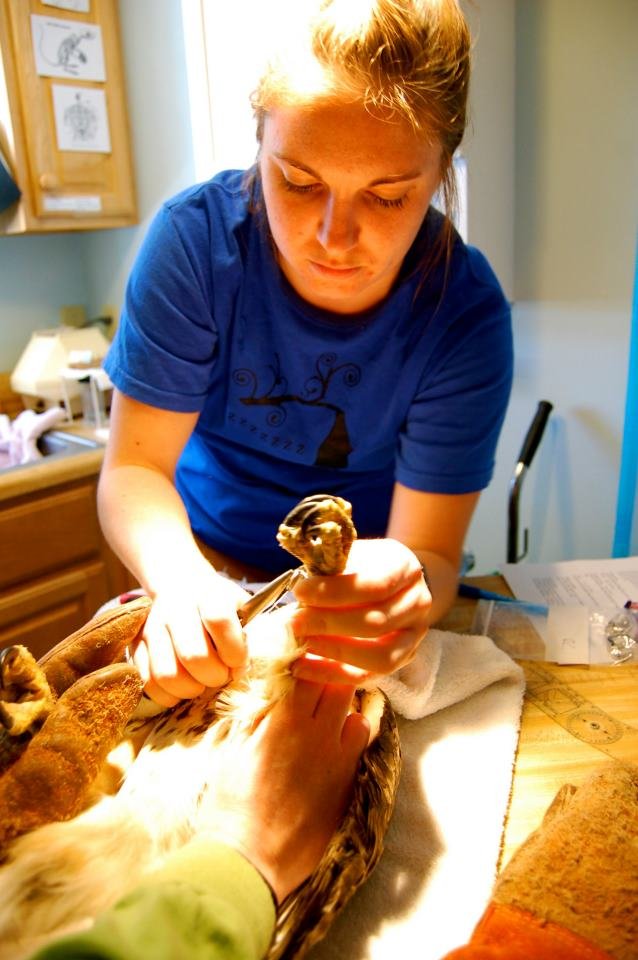
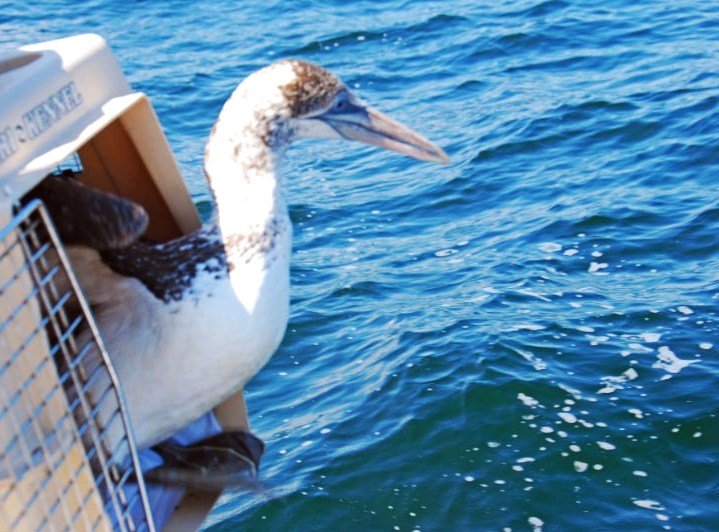
By laying this groundwork we feel prepared to answer "the call of the wild" from our community and wildlife for decades to come. In the midst of creating systems and efficiencies, we have raised over $100,000 toward the medical clinic and education center which remains in reserves for the project. The over 1,600 injured and orphaned wild animals brought to our clinic, 12,000 calls to our Wildlife Assistance Hotline, and over 7,500 participants in our education programs continue to tell us that there is a deep need and interest from the community to provide our unique services. We look forward to continuing to update you, and are very grateful for your support!!
Links:
By Susan Hansen | Executive Director
By Susan Hansen | Executive Director
Project reports on GlobalGiving are posted directly to globalgiving.org by Project Leaders as they are completed, generally every 3-4 months. To protect the integrity of these documents, GlobalGiving does not alter them; therefore you may find some language or formatting issues.
If you donate to this project or have donated to this project, you can receive an email when this project posts a report. You can also subscribe for reports without donating.