By Micu Mensonen | UKUN Volunteer Nurse
We were busy with groups of students from Dar Es Salaam in both weekends. I went to Dar for medical stock and patient Hamisi’s appointment and we did a trip to GOIG School with Abdullah. We lost one life here unfortunately and another life that I witnessed in Dar in motorbike accident. We got a new patient for home care and took Mariam to the hospital for her results.
Updates of patients:
Patient AHM:
I was very lucky and to meet and live with a wonderful finish girl called Minna for almost two weeks. She is an artist and was studying sculpture here in Bagamoyo. Fortunately she had many contacts and also studied in GOIG Art School in Mbezi Dar Es Salaam. Once I told her the story of our orphan patient AHM, Minna had a great idea to take him to visit that school. So together with Minna, Chanzi, AHM and Zakaria (artist from Bagamoyo) we went on a day trip to Mbezi. First GOIG School followed by a lunch and afternoon relaxing at Mbezi Beach J
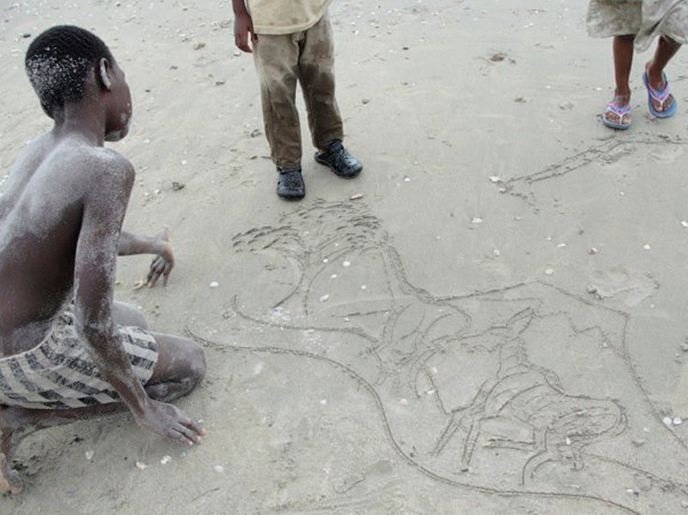
GOIG School is sponsored from my country Finland and they teach many kinds of art e.g. batik, drawing, making rugs, carpeting, stone art, jewellery etc. They also teach basic skills of Swahili and they offer English language classes, which Abdallah is really keen to take. After meeting with the teacher AHM was offered a place starting from January 2014 for one year. It was all too exiting for him and soon after he fell asleep at the beach! They told us that they will find one skill from him, which will probably be drawing/painting and they will concentrate to teach him that for the whole year so he can become very good at it. He has a big passion for drawing already. His fees and accommodation will be free because he is an orphan, which is so nice of them. All we need to fundraise is his meals and little expenses like phone. Once a month he can come to Bagamoyo to take his medications from the hospital (ARVs) or one of us will bring them to him. The school is aware of his HIV status but there is no worry about it as long as we keep close contact with him and the school from UKUN/PHI.
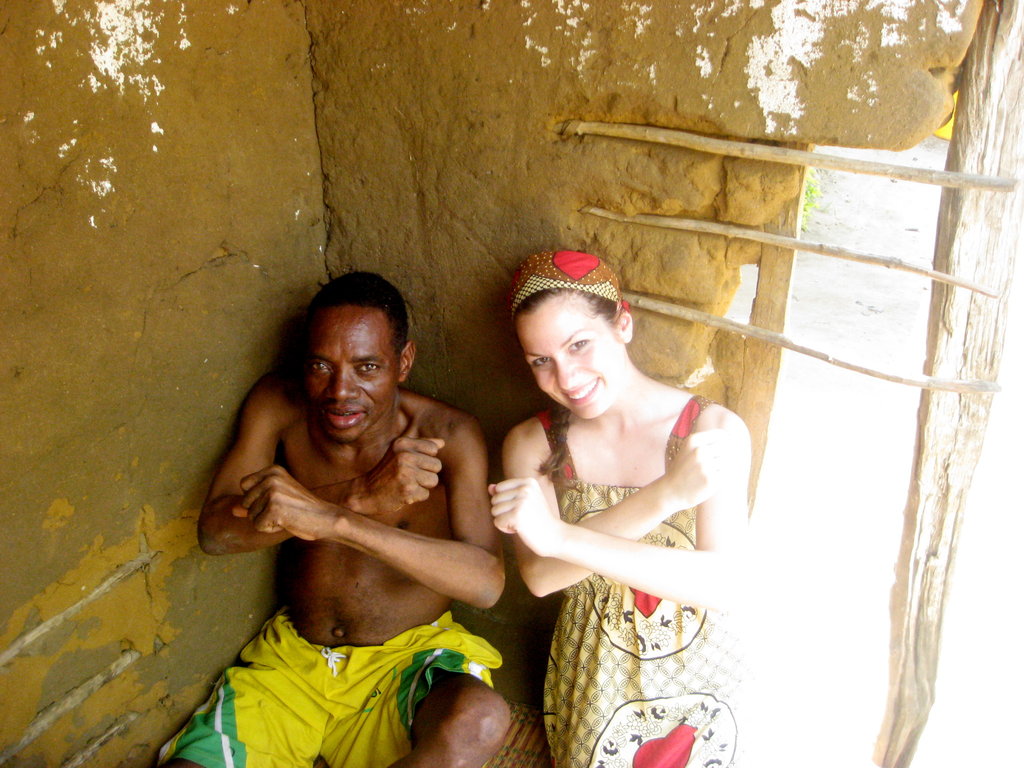
His health is pretty stable. Abdallah was due to stop his TB medications last week but the doctor gave him couple of weeks extra due to cough and his CD4 being as low as 159. He has started to exercise (doing push ups)at the office to get some muscles to his new built body; he is 45 kg now, which is 11 kg gain in seven months! He is feeling happy in himself because he knows that finally this will be his chance to a new different life at GOIG School. Since the trip Abdallah keeps asking EVERY DAY: ‘When do I start the school?’ He is driving us mad but we could not be happier for him!
The same day after Mbezi trip I went to Dar in the evening. It was the EID celebrations (islamic holiday). Unfortunately I witnessed a very bad motorbike accident. A car drove into the motorbike and then drove off fast leaving two people injured; young boy and a girl. The motorbike was in pieces. When I got to the injured girl someone was already taking the other less injured to the car and they drove off leaving the girl lying there. Why could they not take both of them? - I was thinking. There were lots of people shouting and pulling it was a total chaos. My friends helped to push people away so we could go to check her condition. She was still breathing and I begged to get her to the hospital in a car as I realized there will be no chance of getting ambulance (no one knows numbers and apparently they could take hours). People were pulling her from every direction; I have never seen anything like that. She was unconscious but people tried to put her on a motorbike panicking, and she kept falling off. I felt helpless, in shock and angry same time. I shouted to put her down and I saw her head bleeding. When I checked her again she had no pulse and was not breathing. CPR, CPR CPR! - I thought but before I knew people had pulled her again and this time dragged her into a backseat of a car. I was shouting ‘but she is dead she needs CPR’. I begged them to let me into the car at least to the backseat but they wouldn’t and drove off. From over 100 people there were NOONE who knew even little first aid or how to deal with injured people and RTAs (road traffic accidents). The main thing was that she was alive before all the pulling and dragging. She could have possibly survived, never know. I felt massive failure from my part and so sad with the lack of knowledge of these people. There is a MASSIVE need of educating people for basic first aid.
I could see panic in those people’s faces and most of them wanted to help but didn’t know how. Some kept asking what I want them to do. They were also lots of thieves taking their opportunities. One girl was checking the pockets of the ‘dead’ girl. It was disgusting. Next day there was another death from motorbike accident in same area. The third day finally road traffic police arrived to supervise. There accidents are too common here. Most drivers and passengers do not wear helmets, some ‘drink and drive’ and some just drive crazy stupidly wanting to ‘show of’. I taught those local friends who witnessed the accident some basic tips when they arrive into an accident and how to resuscitate someone who is not breathing. This issue need to be more addressed and I surely want to do more about it. It was the biggest shock to really understand how lucky again we are with our health care and ambulances in the developing world. All the government workers have luxury cars but they cannot spend some money for an ambulance. Many people also told me that once you take someone to the hospital it is not easy to enter, the police wants to question you, possibly money and often they do not let the injured inside until they go to their home first to get their hospital card and number. That is too crazy. I have probably been here too long as I was not shocked at all when I heard that.
And to happier things…
Patient HT:
The day after witnessing the RTA in Dar I went to Muhimbili Hospital with our long term patient HT for his booked appointment. That day he was finally discharged from Muhimbili Hospital and he is now on his way back to Bagamoyo.
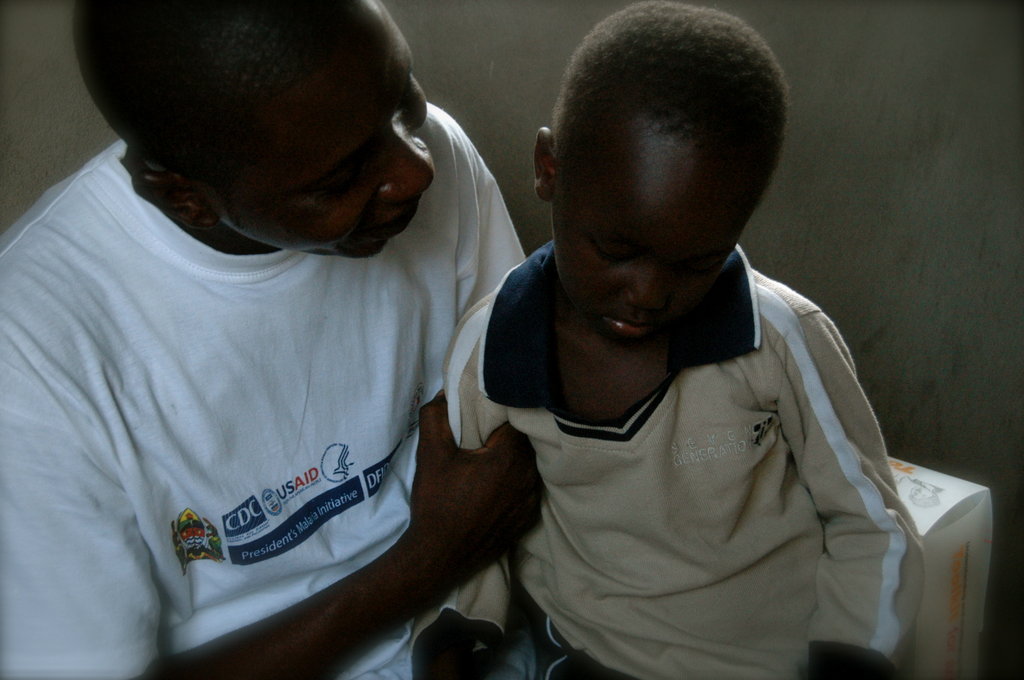
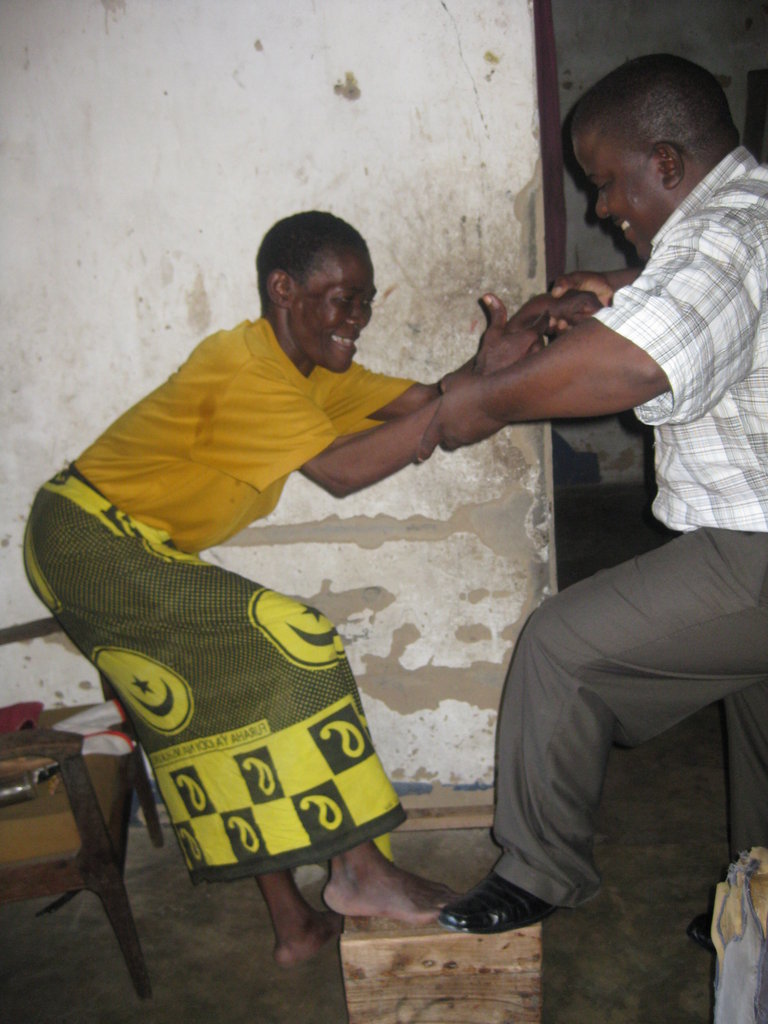
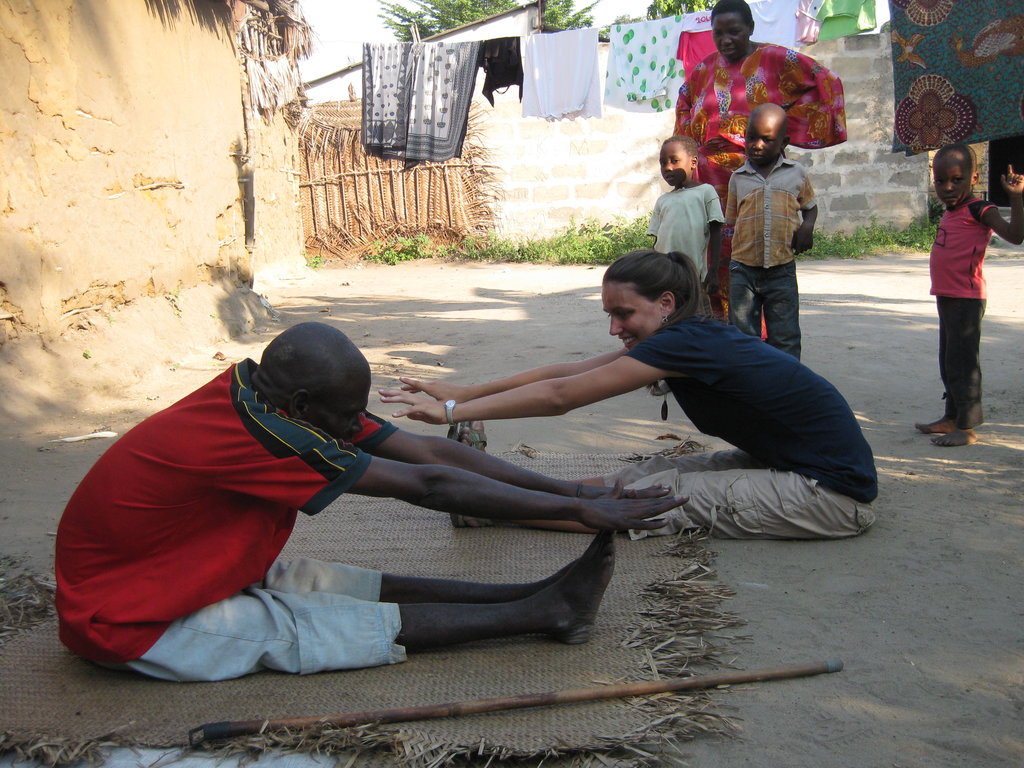
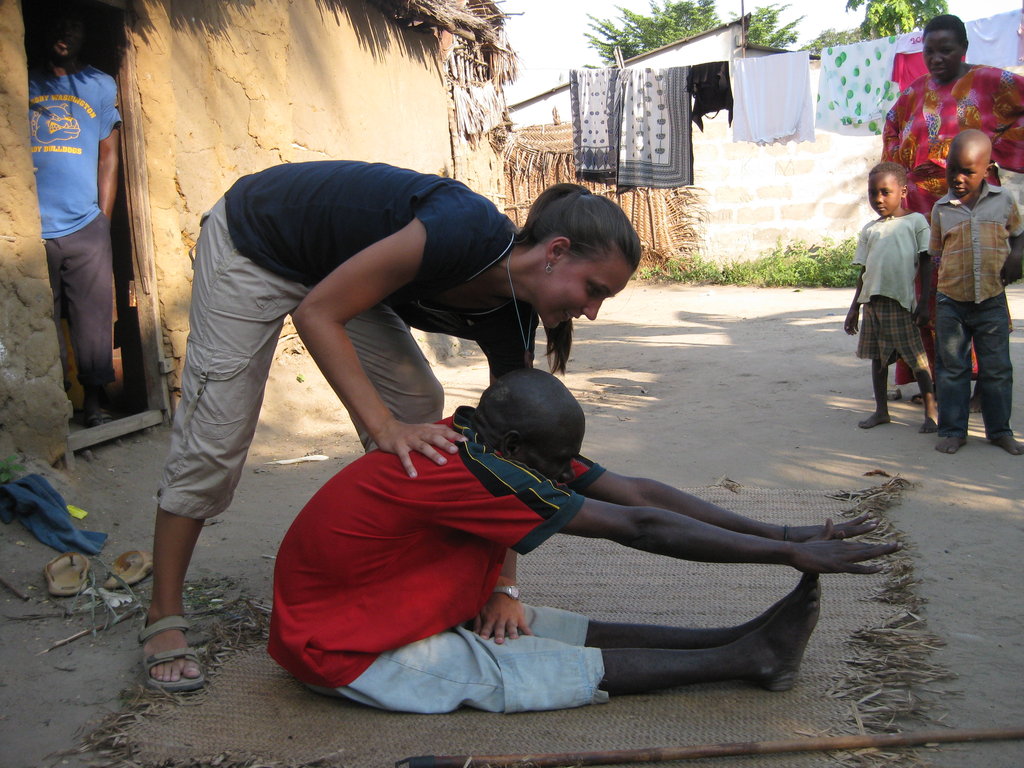
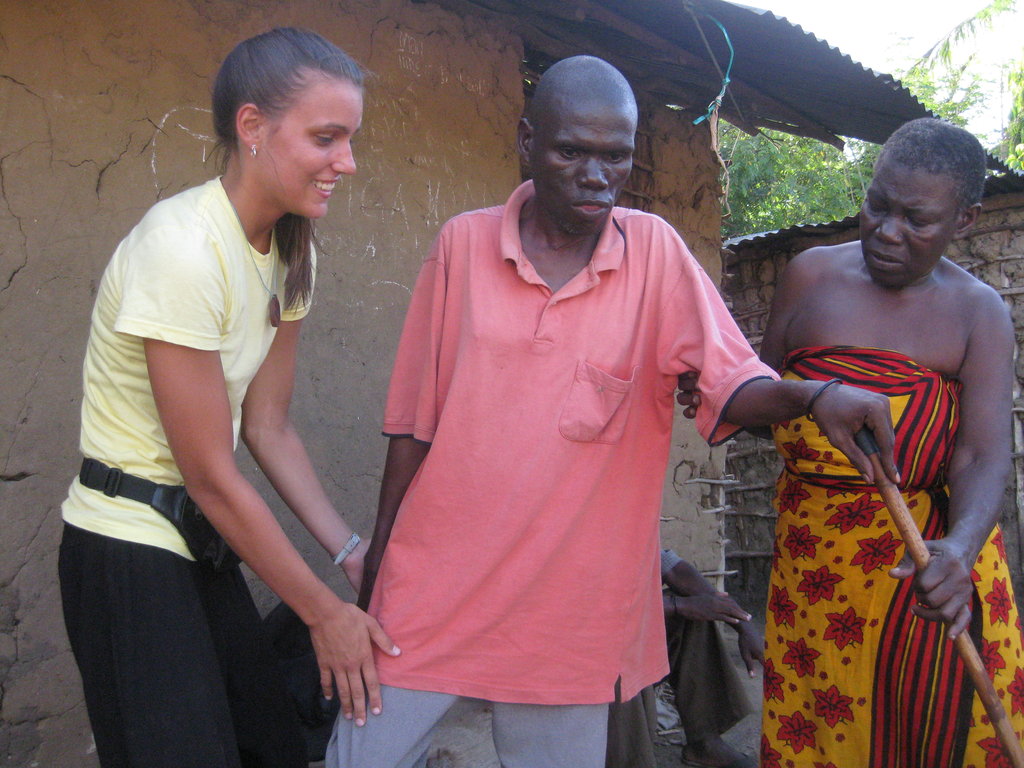
For many years he was suffering from painful and embarrassing gynaecomastia (enlarged male breasts). He finally had his operation; Double Mastectomy one month ago and now his both wounds have healed. There were no need for more stitches or even a follow up appointment! His sister had done an excellent job of dressing his wounds daily. Both Hamisi and his sister waved goodbyes to the hospital with huge smiles on their faces. I even shed a tear from happiness. He appears in good health now and is extremely grateful for us at UKUN/PHI for making all this possible for him. I will go for a visit tomorrow and to see his sister Amina; also our patient, for physiotherapy. She is doing well but there are always issues of poverty as they have no income. We need to look into investing in a small business for them. I am hoping we could organize a small welcome home party for Hamisi this week!
Patient MP:
Mariam, our bedridden patient, who had a stroke six years ago, paid another visit to Bagamoyo Hospital last week as we had planned. This time family were very co-operative and were all ready to go when I came to pick them up with bajaji. MP looked much improved from the previous week and she was ‘glowing’. The family had fed her porridge and those build up bars as well as all the vitamins and Septrin. We received her blood results and they informed us they were ‘ok’.
The biggest shock was that her CD4 had almost doubled to 288! (Last one 149). That was excellent news and we knew with the daughters that we must be doing something right even we get shouted from the doctors every time we come to the hospital. The daughters said that those doctors just don’t know how hard work is it top look after someone who needs all care.
She was restarted on ARVs and her daughters received some counselling. She needs to be back in two weeks time to take more medicines. Since then we visited her again without informing them advance and we saw that the family are taking care of her better. We bought them some maize to prepare porridge for Mariam and disinfectant for clothes and cleaning. We can reduce our visits now to one a week but we need to make sure to keep her comfortable and support MP's daughters for caring for her.
New Patient ZB:
When at the hospital with MP one CTC patient approached me. Her name is Hadija and we have
helped her previously with supporting to grow her food selling business. Hadija told me that her
mother was very sick and she could not come to the hospital. We with Godfrey went to visit her at
their home in Bagamoyo. Her name is ZB and she has been HIV positive for many years like
Hadija too. They both were unsure how many. Now she has been suffering from Peptic ulcers for
few months, she is also treated for UTI (urine infection) and has really poor mobility. She was not
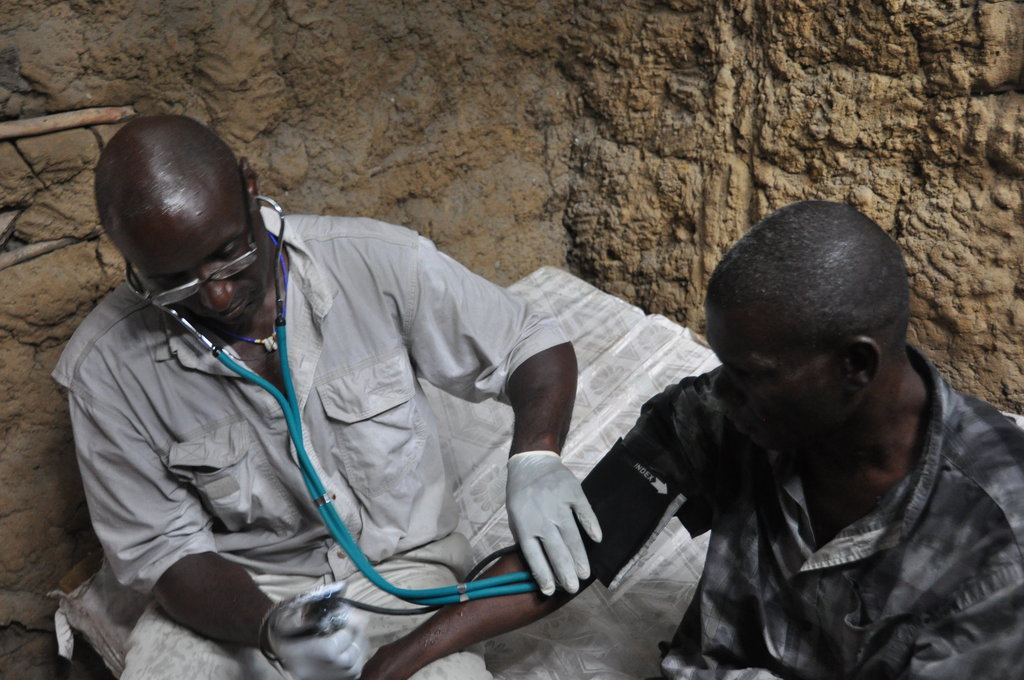
able to speak clearly due to the abdominal pains. On the assessment she was breathless; respiration
rate 26, Blood Pressure 120/65, pulse 80bpm, and temperature 37 degrees. She was in a lot of pain
and had no strength in any of her limbs. She reported no cough and her chest appeared clear when
listening. She reported pain when urinating and complained of constipation too. The abdominal pain
was severe when eating but she still had been eating. Two weeks ago she went to the hospital and
said doctors gave her one saline drip, stopped her Omeprazole – as it was ‘not working’ and gave her
Amoxicillin and Furadantin for UTI. We left her with some Paracetamol and milk and promised to
come back with more medications later. We advised her and Hadija about non acidic diet she should
be following.
After doing some research on the internet and asking nurses and doctors from UK, two days later
we went back and took her Ranitidine (stops the production of acid), more painkillers and laxatives
for constipation. I was also advised that she should continue Omeprazole. She appeared much better
than previously and was sitting or her bed eating ugali! Her arms had got better and with a help of
two she could mobilize to the toilet. We gave Hadija half kilo of porridge to prepare for her mum.
We would visit them again after five days.
After doing some more research on the medications; many state that she should be taking others
and more antibiotics to eradicate the ulcer in case it is H.P (Helicobacter Pyroli) e.g. Clarithromycin.
Patient MSH:
Unfortunately there was one death of a patient in Bagamoyo. He was not apparently one our
UKUN/PHI patients but a relative of our patient Sulemani who informed us about this sick man
MSH (not 100% of the name!). Charles and Godfrey had gone to see him and reported that he
needed a surgery to his arm. When I came back from Dar we went there to see him with David and
Godfrey. The way we found him was horrific; gasping for breaths, spitting blood, severely
malnourished, he looked like he had just been left for a long time. The family reported that they had
had no money for hospital transport ( 2000Tsh= 1 euro) and it didn’t seem right. After quick
assessment we called bajaji and took him with one family member to the hospital. We had to carry
him with sheets and there was diarrhoea all over. Once we got to the hospital we went to the
admissions (there is no emergency department in Bagamoyo Hospital, very common thing in
Tanzania). We put him on the trolley and went passed the entire queue direct to the doctor’s office
and people were helping us to get there. The female doctor started to ask questions and do
paperwork instead of checking the patient. Despite of her ‘bad’ attitude, after ten minutes we were
on our way to a medical ward to admit him. Doctors there told us he had life threatening
Cryptococcal Meningitis (infection and inflammation of brain and spinal cord). The only treatment
for that is IV Fluconazole but it costs 7000Tsh (£3) per bottle and this patient will need fourteen of
them, seven at least. This is a HUGE cost for local people in Tanzania and the doctor explained that
most people die here for that because they cannot afford the medication. The family bought one
bottle (and they did not have 2000Tsh for the hospital transport before!) and we bought another
one. The doctors also told us he had Hypoglycaemia (very low blood sugar). We also bought IV- fluids
including IV-Glucose, Septrin tablets, gloves and syringes (those were the requirement from the
ward.) I promised to come to check on him the next morning and we felt a moment of hope when
leaving with David and Godfrey. However two hours later I got a phone call that he had died, we had
come too late.
As a result of this, we have decided to start a search- campaign next week and find as many old
UKUN/PHI clients as we can; those that are ‘lost follow up’ to avoid something like this happening
again. We need Charles for that but he is away in Arusha. Once he comes back we can start as he is
the only one who possibly knows some of the addresses of our old clients.
I have also made referral form to UKUN/PHI home-based care in English and Kiswahili. I plan to put
them in hospital CTC clinic (for HIV patients) and put it into all the doctors’ rooms with a box to post
them so they can refer patients to us. We collect the forms ourselves and visit the patient referred
to see if they fit our criteria for home-help or help with referrals to a bigger hospital.
Students:
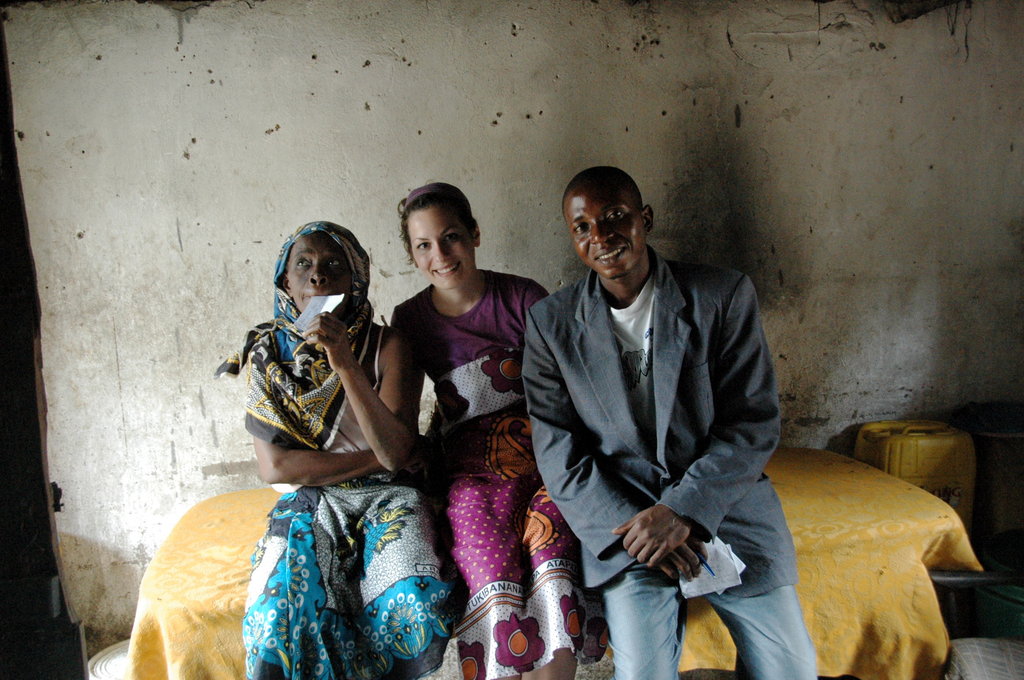
For the past two weekends we had four different groups of HIV counselling students from Dar Es Salaam. They were from that same school that David and Godfrey have now both finished. They wanted to do some field work for two days visiting and seeing how the patients live. They also brought many presents for our patients like soap bars and ugali flour, which was very gesture. They visited four families (5 students for each family); Captain, Mariam, Morogoro family and our new patient Zainabu and Hadija. Patients were very grateful for the gifts and were happy to discuss with them about the history of their disease. Many of them were very keen to come back next year to do their field placement with us for three month


Project reports on GlobalGiving are posted directly to globalgiving.org by Project Leaders as they are completed, generally every 3-4 months. To protect the integrity of these documents, GlobalGiving does not alter them; therefore you may find some language or formatting issues.
If you donate to this project or have donated to this project, you can receive an email when this project posts a report. You can also subscribe for reports without donating.