By Christopher Vance | Project Manager
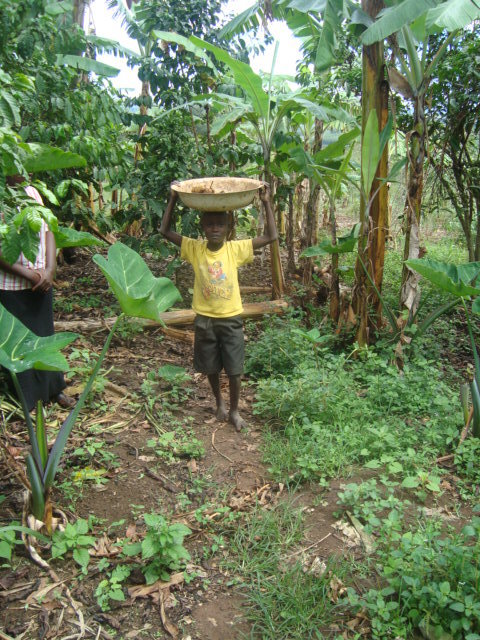
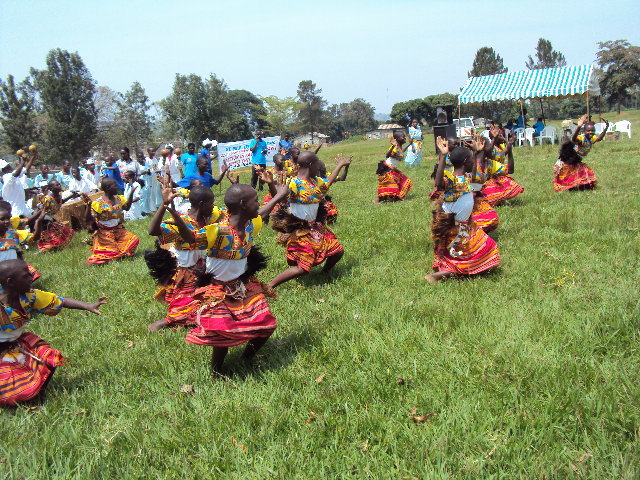
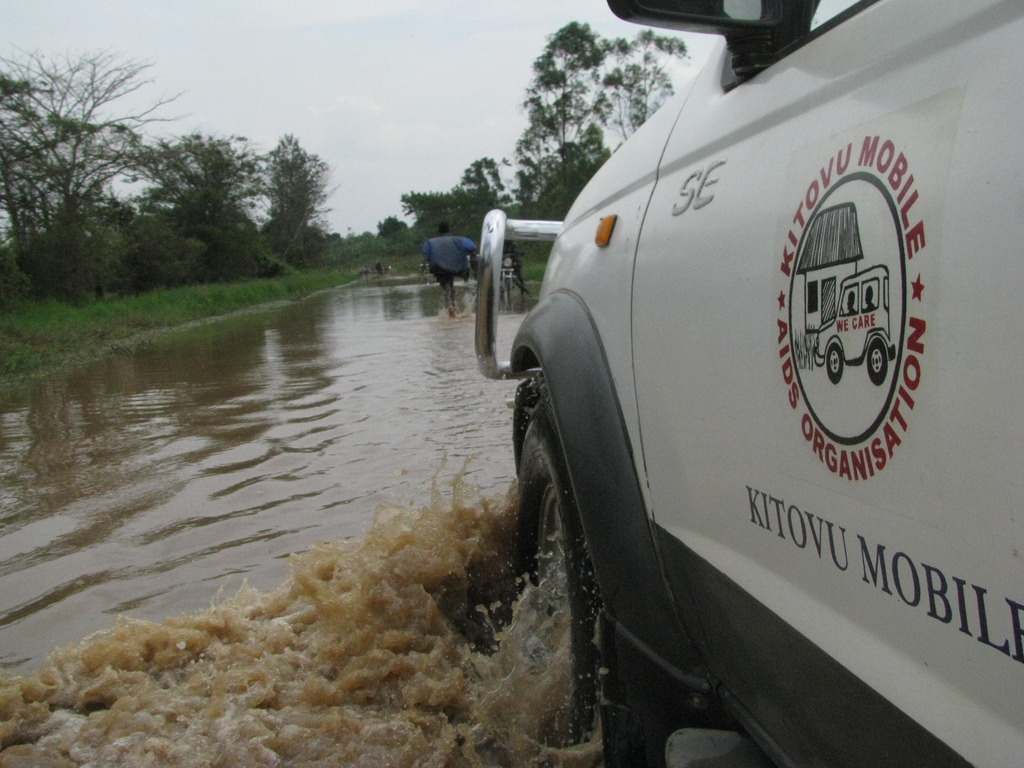
The entire Kitovu Mobile staff and 250+ orphans and vulnerable children (OVC) and their families who will benefit from “Uganda: Empowering Orphans to Become Entrepreneurs” (hereafter referred to as, “Empowering Orphans”) have extended their sincere gratitude for your kind and generous support. As project manager, it has been a tremendously gratifying and illuminating experience to oversee this project. I would like to share with you the accomplishments of the project and allow you to understand the significant and long lasting impact you have had on the lives of so many OVC – – all without having to experience Malaria, nauseating roads, and endless bargaining with suppliers.
Project Headlines:
Important Updates:
Project Funding
Project Budget Allocation
US $
Raised Funds: 3120
Project Allocations
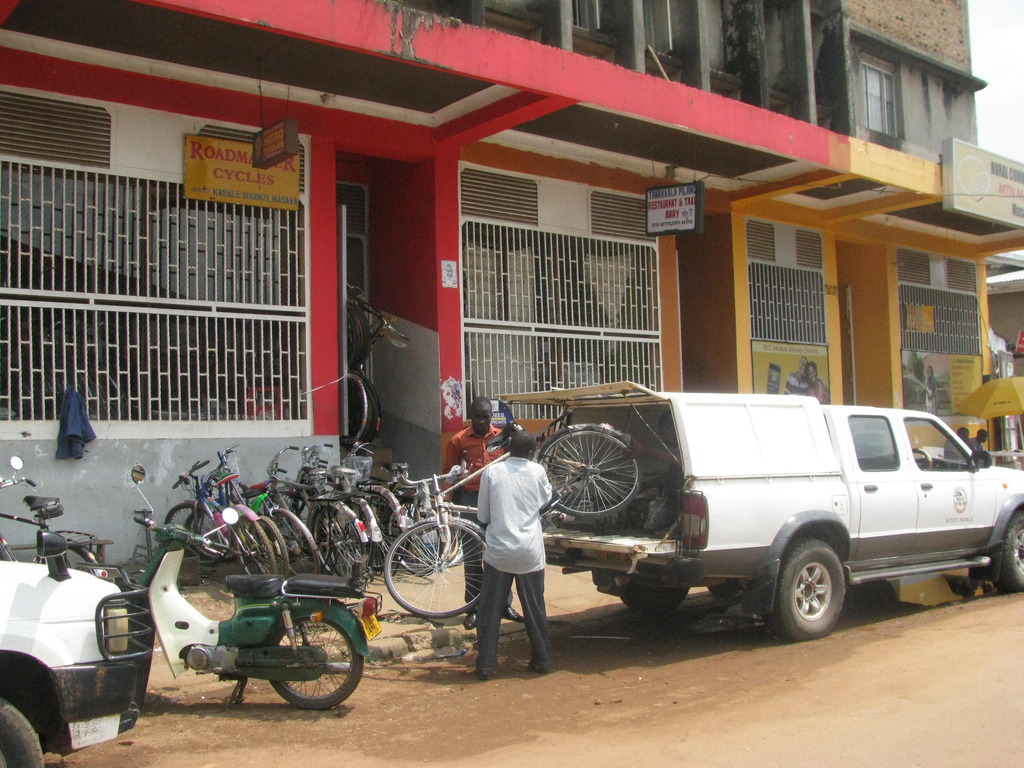
Bicycles: 616
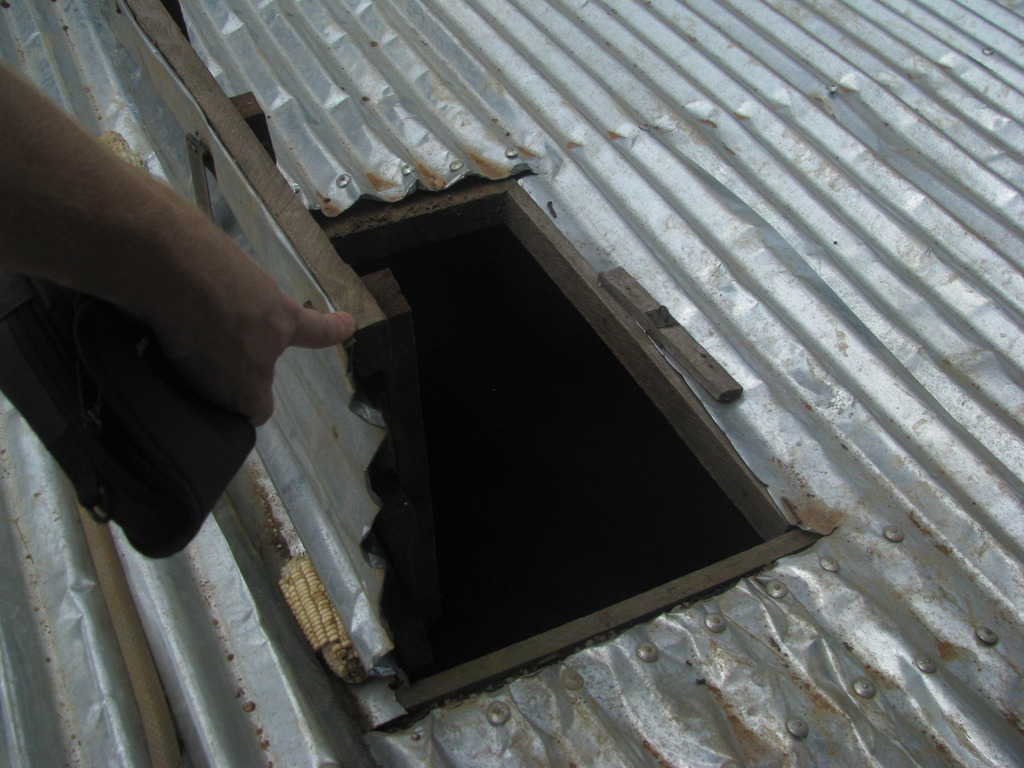
Rain Water Harvesting: 450
Livestock: 400
Internal Expenditures (transportation fuel, casual labor): 224
Farming Equipment: 234
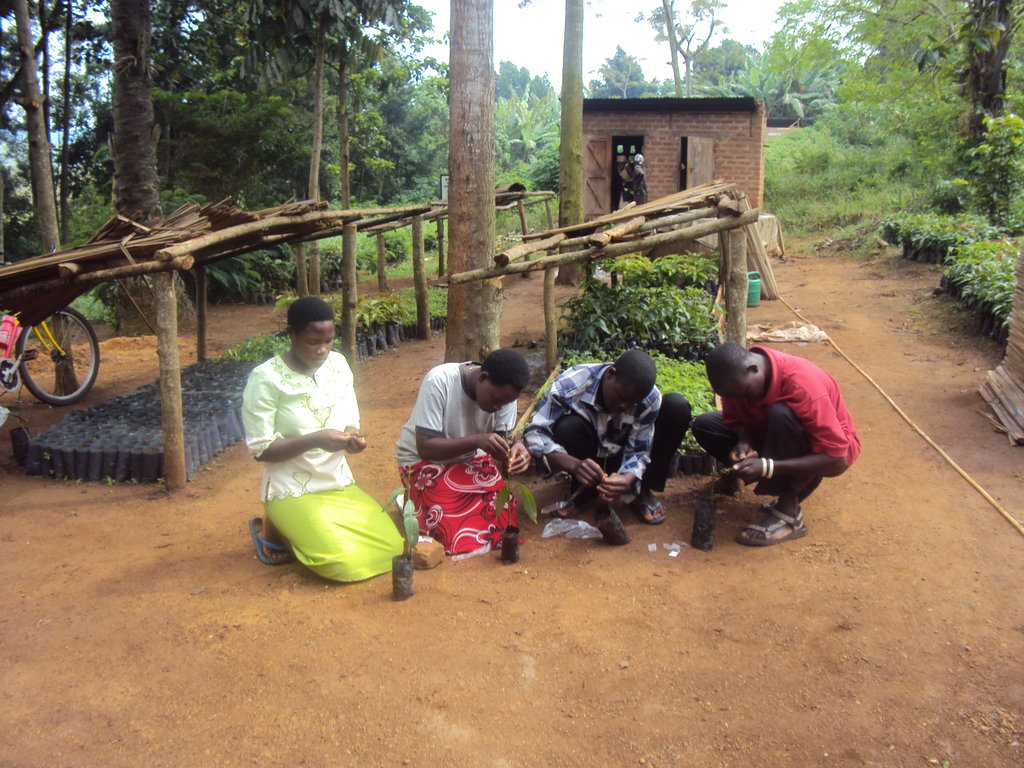
Crop Seedlings: 1196
Total Expenditure: 3120
What is your impact?
Bicycles:
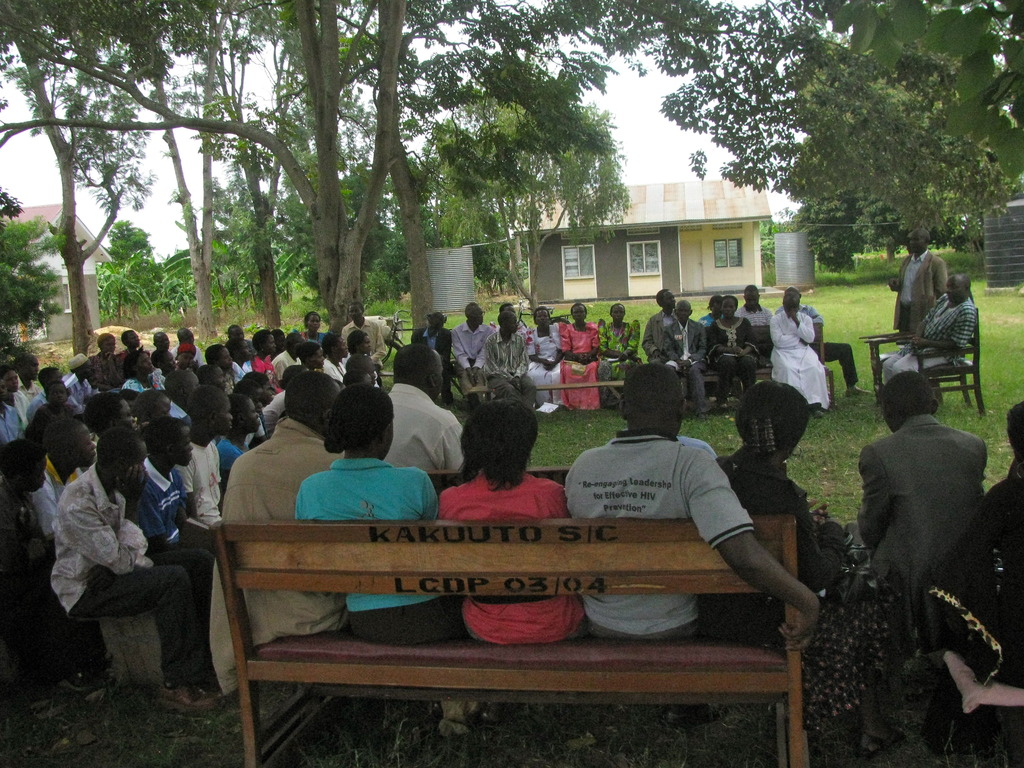
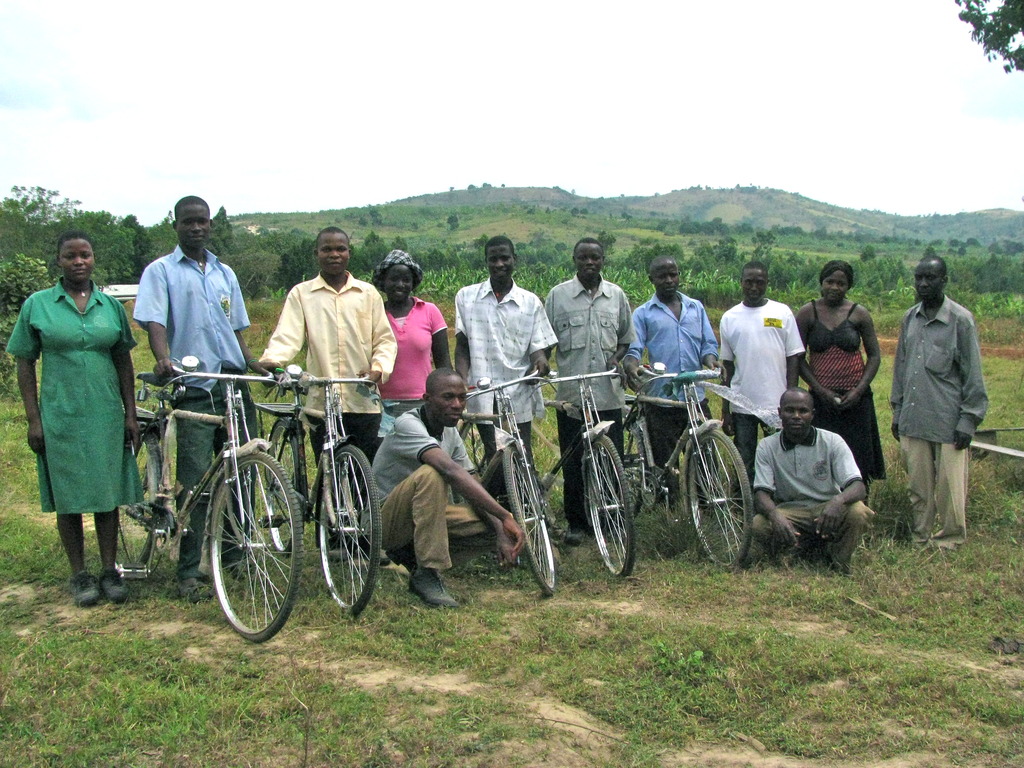
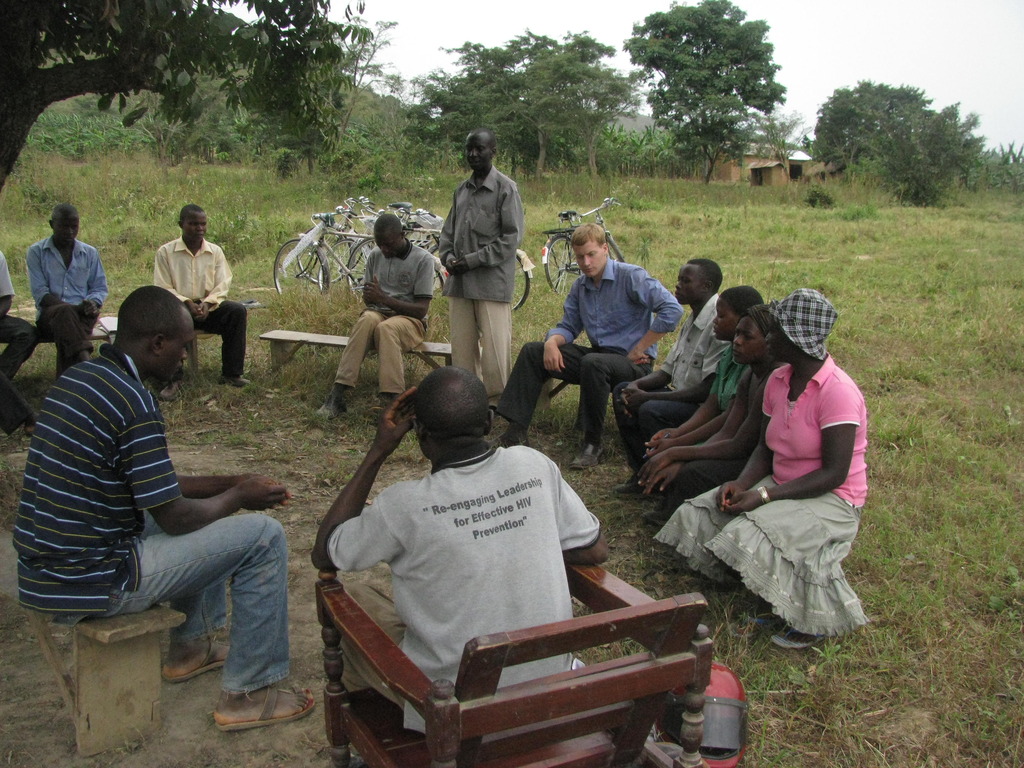
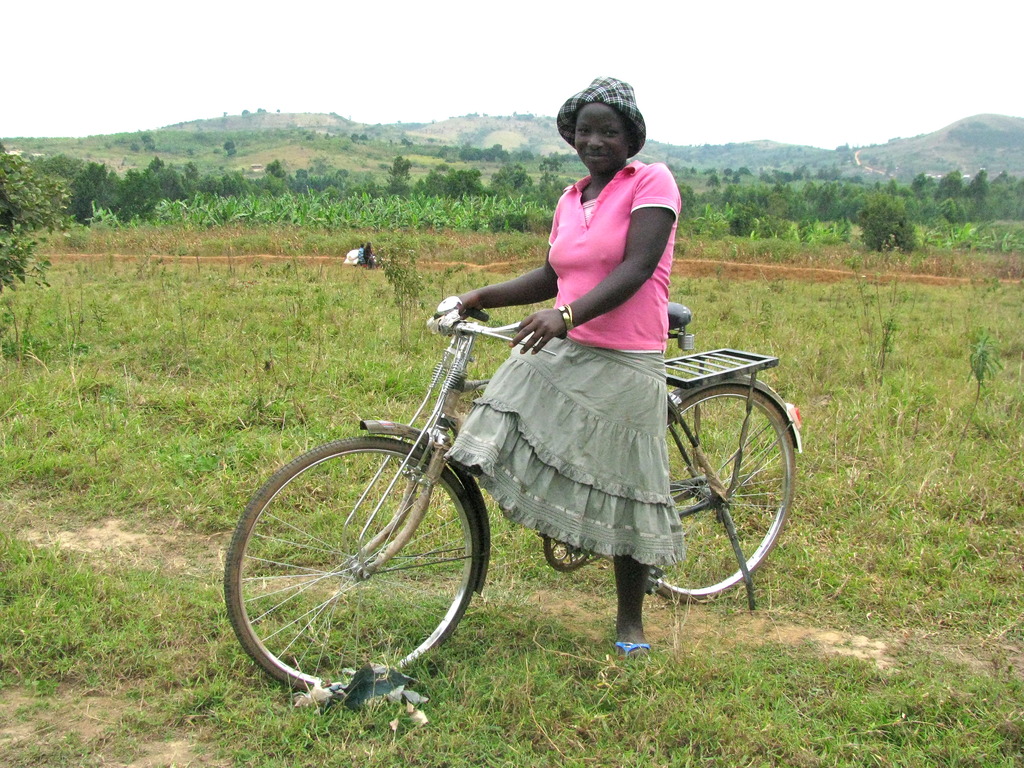
Nakeyenga Rosemary (19) is a newly elected Group Leader in Kagamba Sub-County. She was elected to this position by the 106 Orphans and other Vulnerable Children (OVC) who were enrolled with or who have graduated with Rosemary from Kitovu Mobile Farm School in Kagamba. Rosemary, like any other OVC, has lost her parents to HIV & AIDS. Rosemary and seven other elected Group Leaders will be primarily responsible for 10-12 OVC classmates that have formed a Peer Support Group (PSG). Each PSG will meet twice a month to discuss and help each other with issues pertaining to farming, family, and personal affairs. The PSG will also contribute a small amount of money each month that will go in to a group fund. Once the amount is significant enough, the money will be deposited in a local micro-finance bank under the ownership of a community based organization (CBO) formed by each PSG. This money can help the group access loans to buy farming equipment and make investments in their lives. Using the bicycle, Rosemary will be able to travel to multiple group members in a day. If a certain group member is sick with Malaria and unable to work on his field, or unable to pay for medical treatment, Rosemary can travel to other group members to seek quick relief. Rosemary can meet with other Group Leaders up to 5 miles away to discuss recent events and forge sustainable strategies to deal with the problems at hand. If Rosemary and her group can work together over the next couple years, they may have saved enough money for everyone in the group to afford a bicycle with the long-term hope of supporting a family, sending children to school, and living the life that HIV & AIDS almost didn’t let them have.
The economics of an effective, long-term piggery project:
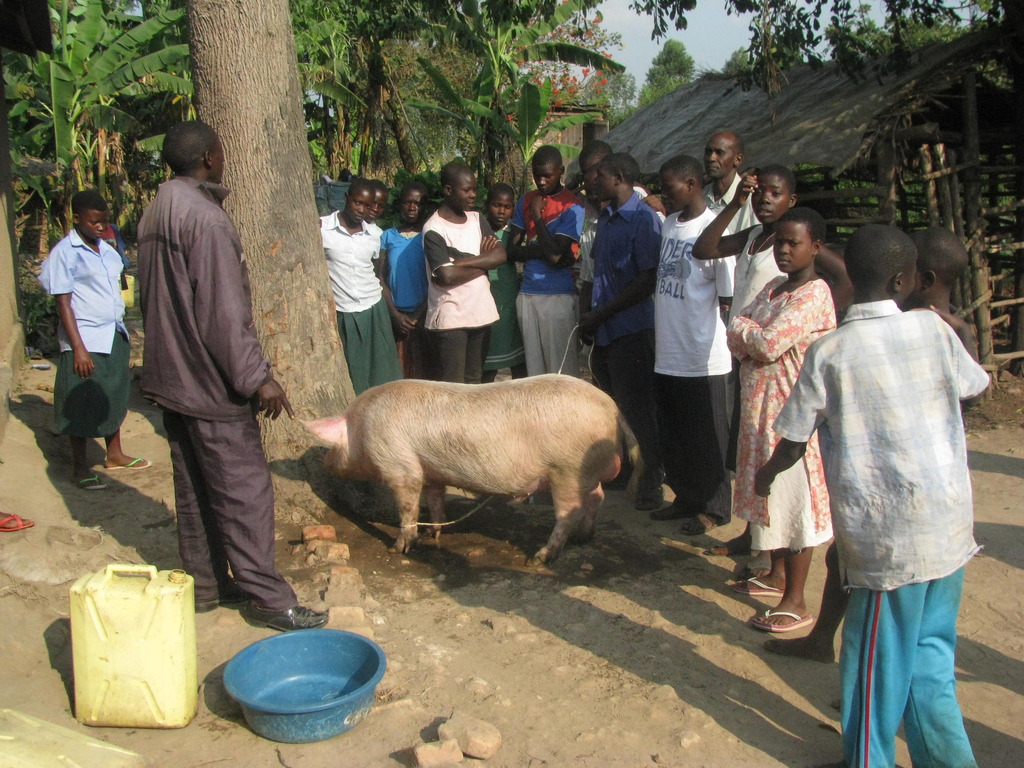
Piggery projects can be very effective in providing supplementary income to a large group of people. Empowering Orphans identified a piggery project as the project progressed as a way to generate income during the off-season (when crop production is low). To kick off the project, 3 Peer Support Groups ranging from 12-15 members will be given a mature pig. The 3 pigs (1 M, 2 F) cost a total of 400 dollars. Each PSG constructed a shelter for the pig and has received training from Kitovu Mobile Farm School on the best animal rearing practices. After 1.5 years an estimated 32 piglets will be produced. Each piglet can be sold after 2 months for up to 16 dollars. Some will be sold, and others will be strategically distributed between the other PSG’s in the sub-county (to avoid inbreeding). After 2 years the offspring can begin to produce, exponentially increasing the litter.
Monitoring and Evaluation
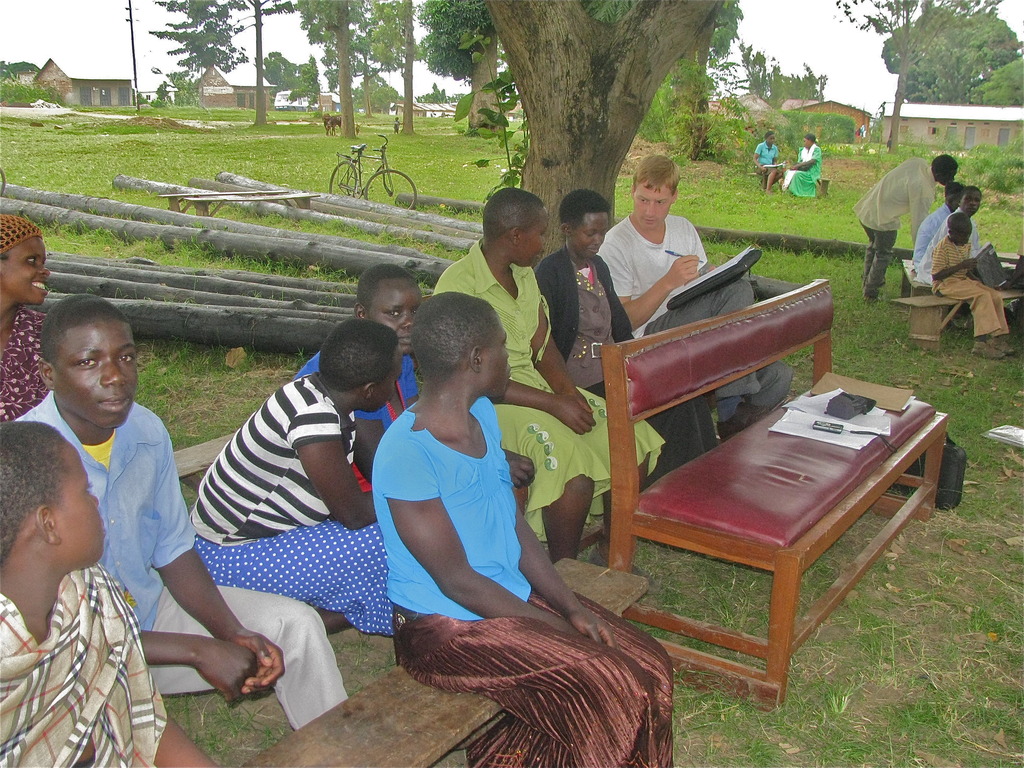
The investments made through Empowering Orphans were aligned with those of Kitovu Mobile Aids Organization to ensure that the impacts of the project can be monitored over the years to evaluate its effectiveness on improving the lives of OVC. Kitovu Mobile conducts quarterly field reports based on interviews with all OVC involved in the project. The information is brought back to the data department who write a report given to higher management.
Carbon Counters
In line with the environmental priorities addressed in the National Development Plan, Millennium Development Goals, Uganda environment policies, international climate objectives and in acknowledging that land is one of the most valuable assets of Uganda and a key to capacity building of people living with HIV and AIDS, Empowering Orphans strives to incorporate sound environmental practices into its project through minimizing negative environmental impacts and improving existing environmental conditions where possible.
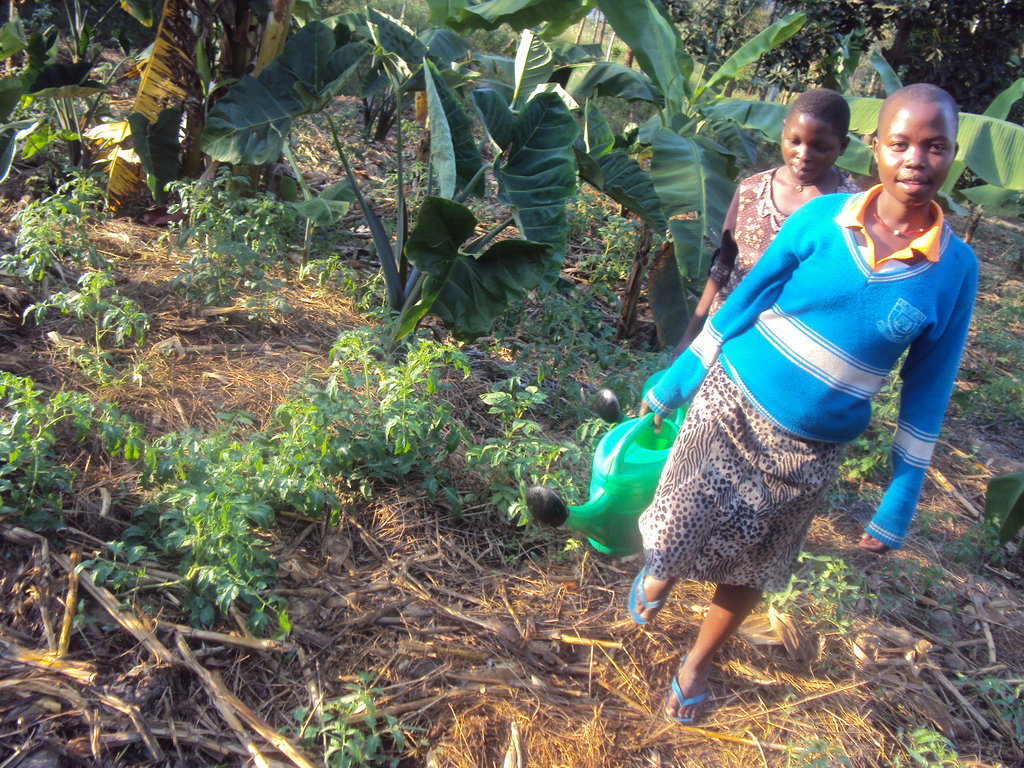
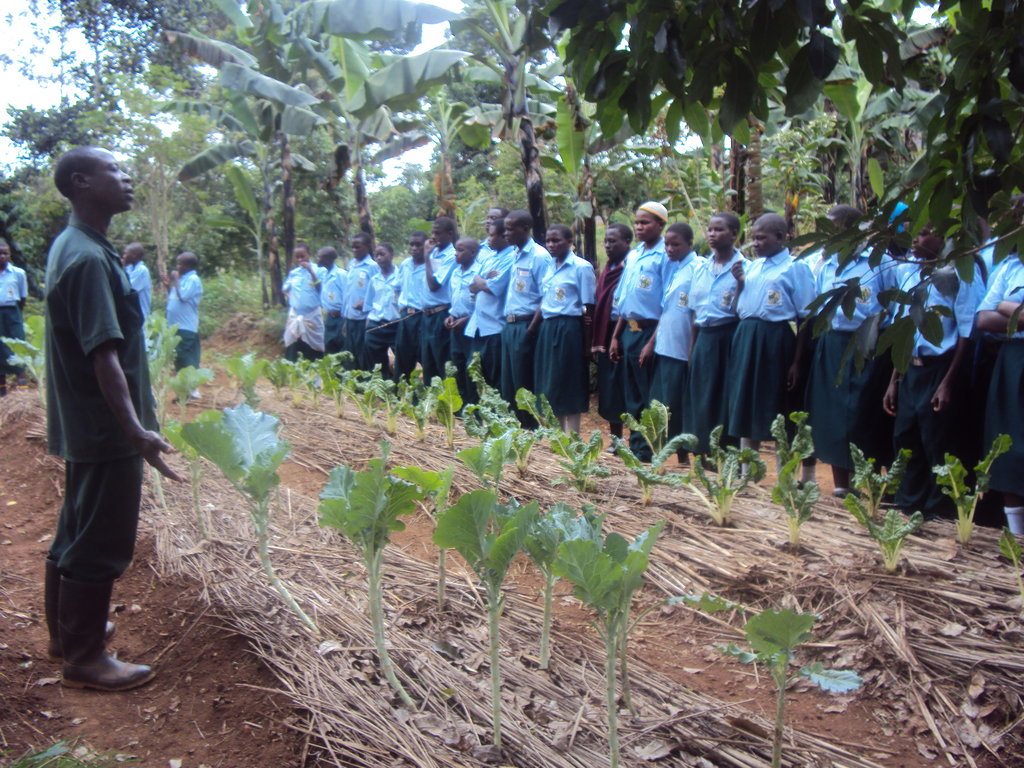
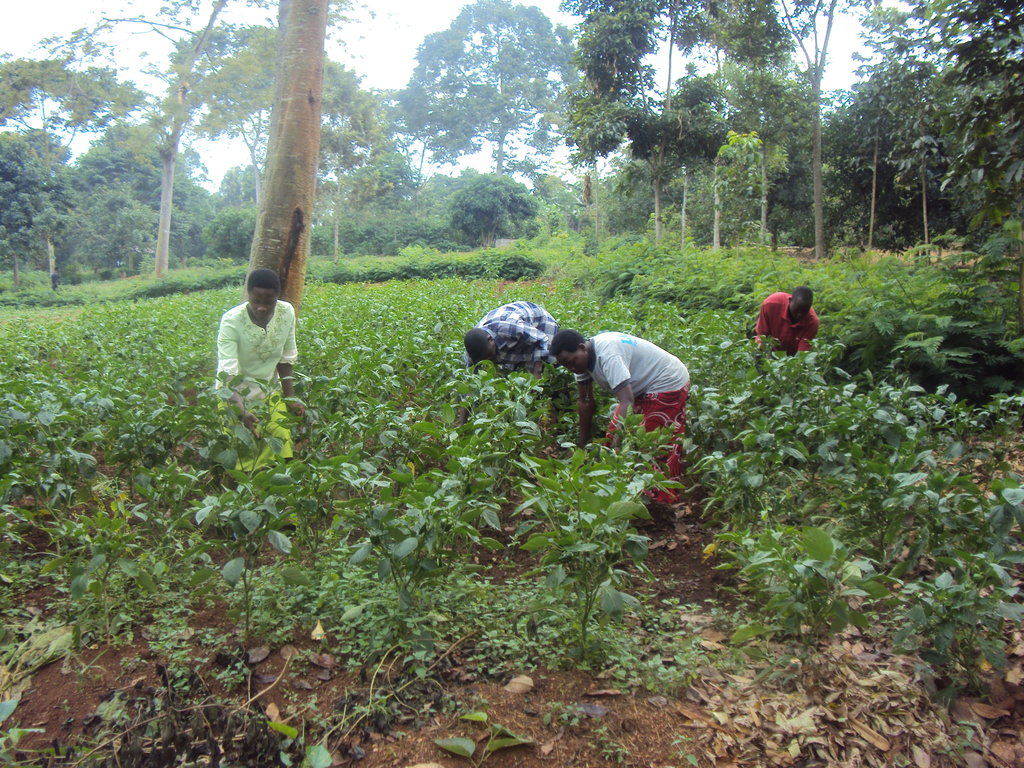
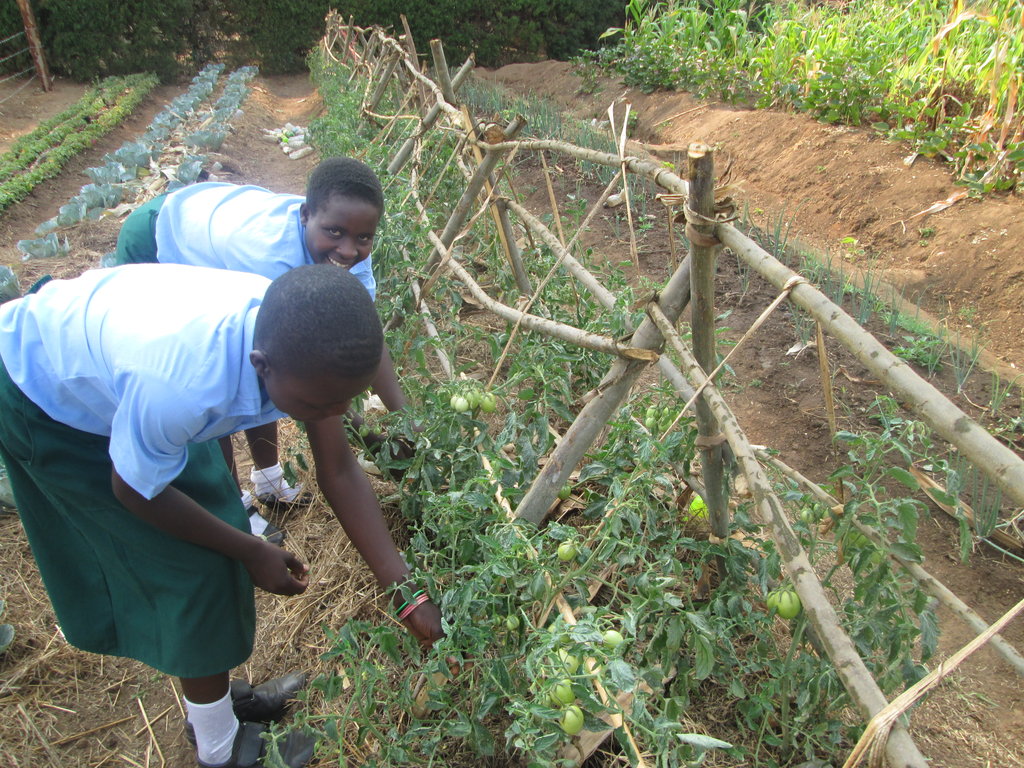
Currently, Empowering Orphans ingrains issues of environmental protection and sustainability into its agricultural trainings. Beneficiaries are taught about soil preservation, animal and plant-waste recycling, natural fertilization, water conservation and rainwater harvesting and other organic farming techniques. Beneficiaries are also encouraged to plant native fruit trees to prevent deforestation and soil erosion.
Through a working relationship with Foundation for Sustainable Development (FSD), the Project will continually benefit from young professionals and academics specializing in the issues of environmental protection who are dedicated to sharing knowledge, conducting research, and looking for ways to continue to improve on issues of environmental stewardship.
My gracious host, Kitovu Mobile Aids Organization
Kitovu Mobile AIDS Organization is a Faith Based Organization dealing in HIV and AIDS related activities. Kitovu was founded by the Medical Missionaries Mary (MMM) in 1987 as a response to the HIV and AIDS crisis in Rakai District with its vision to have an empowered community to cope with HIV and AIDS and its impacts. It accomplishes this through a providing medical services, training, mentorship and capacity building.
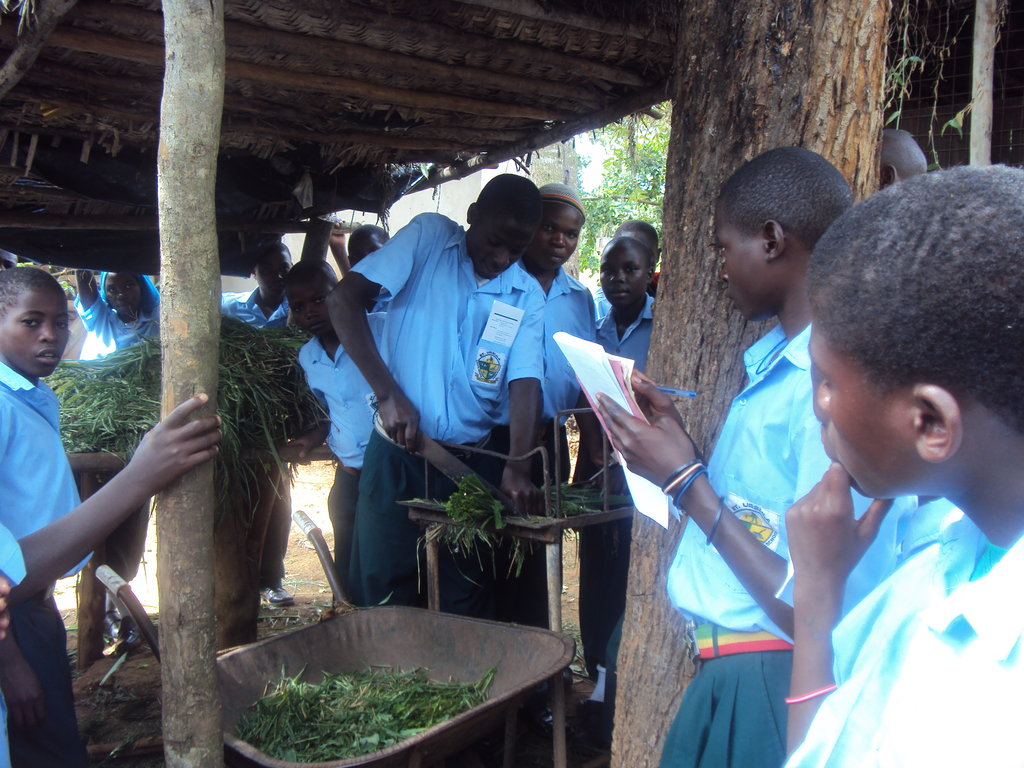
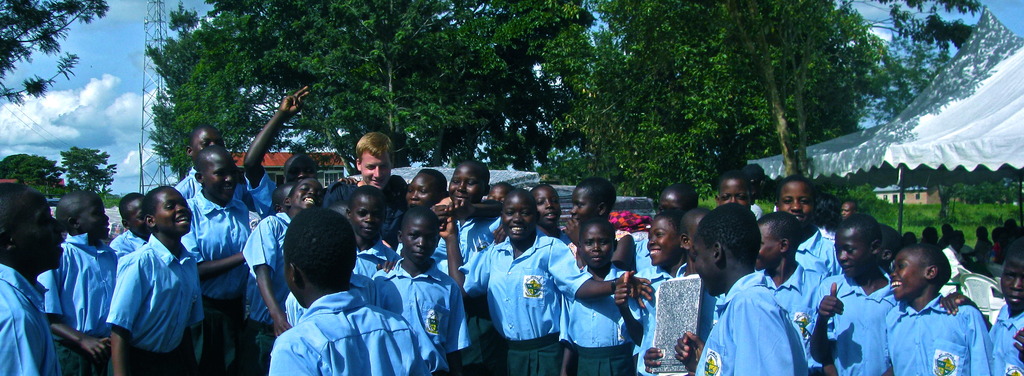
The Orphans and Family Support Program of Kitovu Mobile focuses on providing psychosocial care and support and capacity building for orphans and other vulnerable children (OVC) and their families. It does this through a number of interventions, most notably the Mobile Farm School. This is a four-year training program concentrating in equipping trainees withs modern farming skills so that orphans and other vulnerable children can improve their income and food security and increase their capacity to cope with the psychosocial impacts of HIV and AIDs. The project has operated in 20 Sub Counties with 25 Mobile Farm Schools in the original districts of Masaka, Rakai and Ssembabule. The Mobile Farm School enrolls 100 Teenager School Drop Outs from each Sub-County into the four-year program.
Thank you for all the support.
Sincerely,
Christopher T. Vance, Project Manager
908 4187585
Links:
Project reports on GlobalGiving are posted directly to globalgiving.org by Project Leaders as they are completed, generally every 3-4 months. To protect the integrity of these documents, GlobalGiving does not alter them; therefore you may find some language or formatting issues.
If you donate to this project or have donated to this project, you can receive an email when this project posts a report. You can also subscribe for reports without donating.