By Susan Hansen | Executive Director
We are grateful for the opportunity to update you on what your funding and support is allowing us to do for wildlife this season!
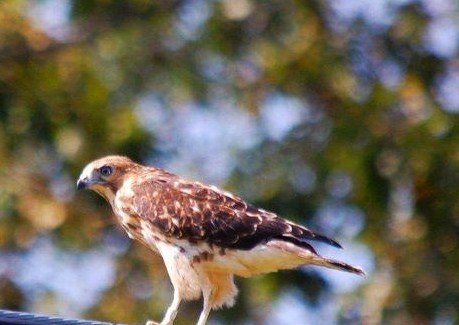
Although winter can be a slower season for some species of animals (i.e.: nesting and breeding songbirds and small mammals, and migrating raptors and waterbirds), it can prove be a treacherous time for those winter residents that struggle to survive in the often extreme and harsh conditions. Winter can be the toughest season for our juvenile raptors as they struggle to gain the skills of searching for and catching prey- with less prey around as small mammals and reptiles hibernate, songbirds migrate, and snow provides an excellent hiding spot for those prey left.
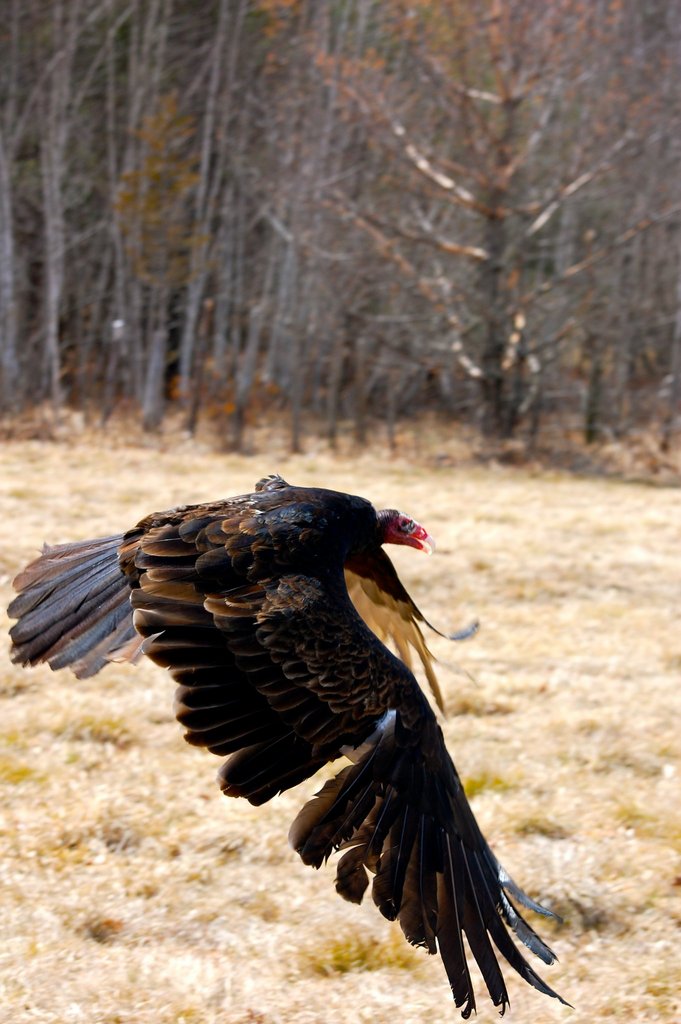
With a naturally occurring 85% mortality rate across the board for owls, hawks, falcons, osprey, eagles, and vultures when we add road mortality this can prove devastating for local populations. Juvenile raptors often see the road as a great open space to catch prey without the cover of snow, and end up hunting in dangerous conditions. It is no coincidence that Center for Wildlife admits more raptors that are emaciated or have suffered injuries after being hit by cars this time of year.
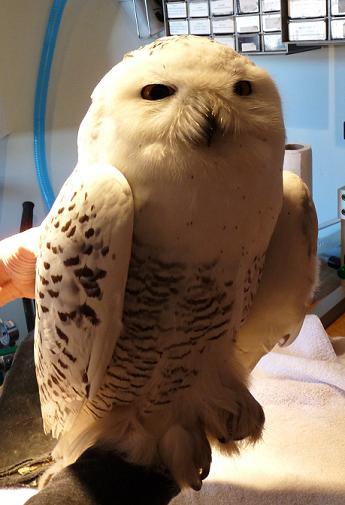
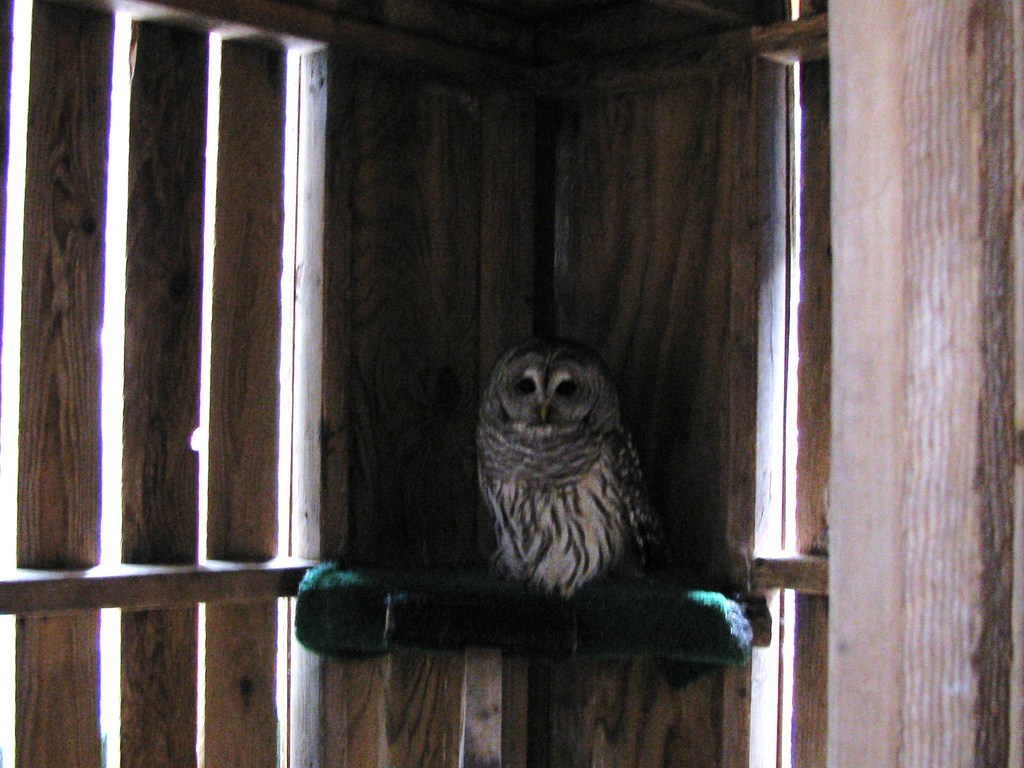
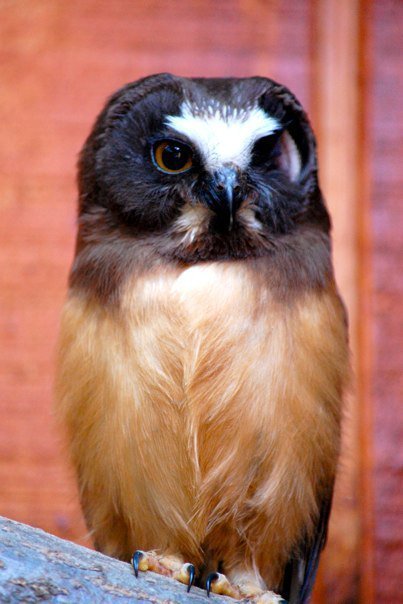
Unfortunately this winter has been no exception, and with an influx of snowy owls from Canada (due to cyclical populations) we have admitted 3 different species of owls that have been hit by cars or emaciated including: barred owls, Northern saw whet owls, and snowy owls. Thanks to your funding and support, our medical staff have worked hard with patients whose injuries are not too severe, and we are hopeful that some will be released back into the wild where they belong!
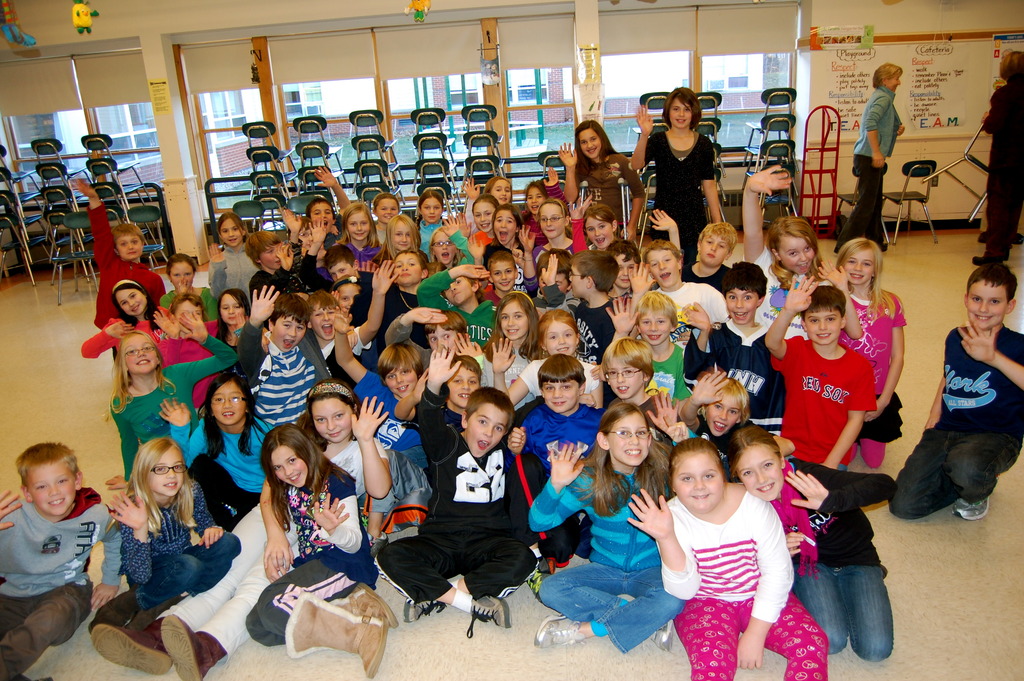
In addition to our busy medical clinic, our education and outreach programs have been hard at work connecting students young and old to the wonder and importance of wildlife to ecosystems, agriculture, and even human health! This month alone we will present over 15 public and private ecology themed programs on the topics of winter wildlife strategies, signs of wildlife, owl adaptations, and more! We were also touched by the 4th grade students at Coastal Ridge Elementary who for the 5th year in a row raised funds to support Center for Wildlife instead of a gift exchange. We are truly fortunate to have such a caring community!
Links:
By Susan Hansen | Executive Director
By Susan M. Hansen Ed.D. | Executive Director
Project reports on GlobalGiving are posted directly to globalgiving.org by Project Leaders as they are completed, generally every 3-4 months. To protect the integrity of these documents, GlobalGiving does not alter them; therefore you may find some language or formatting issues.
If you donate to this project or have donated to this project, you can receive an email when this project posts a report. You can also subscribe for reports without donating.