By Kristen E. Lamb | Director for Education & Outreach
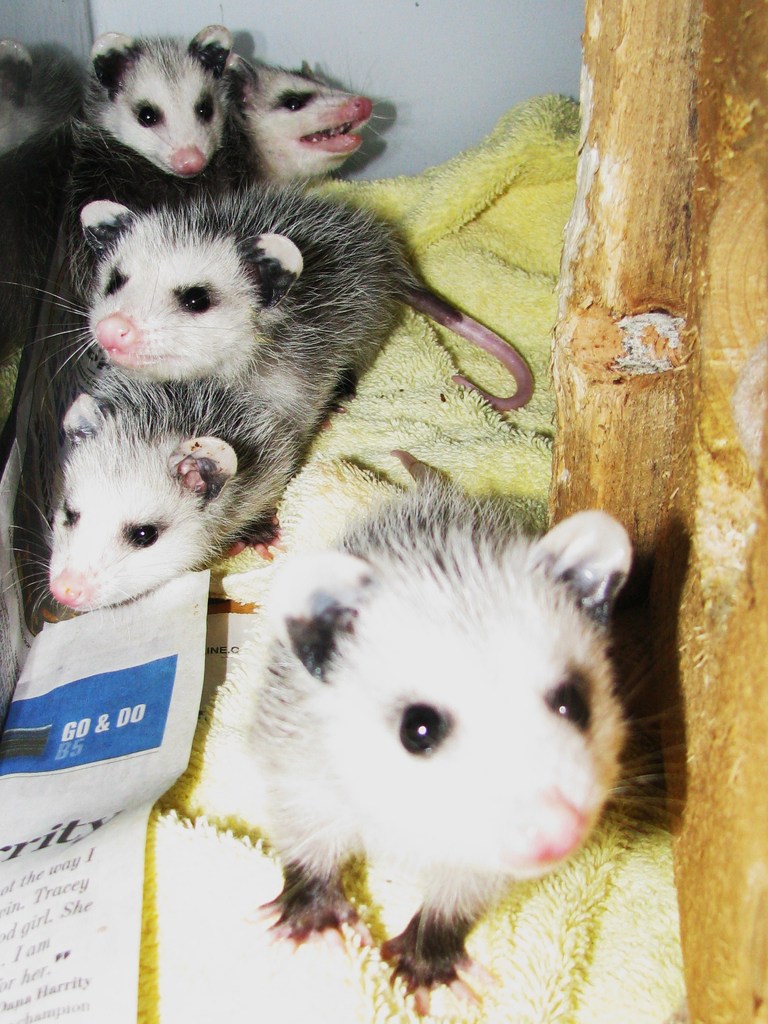
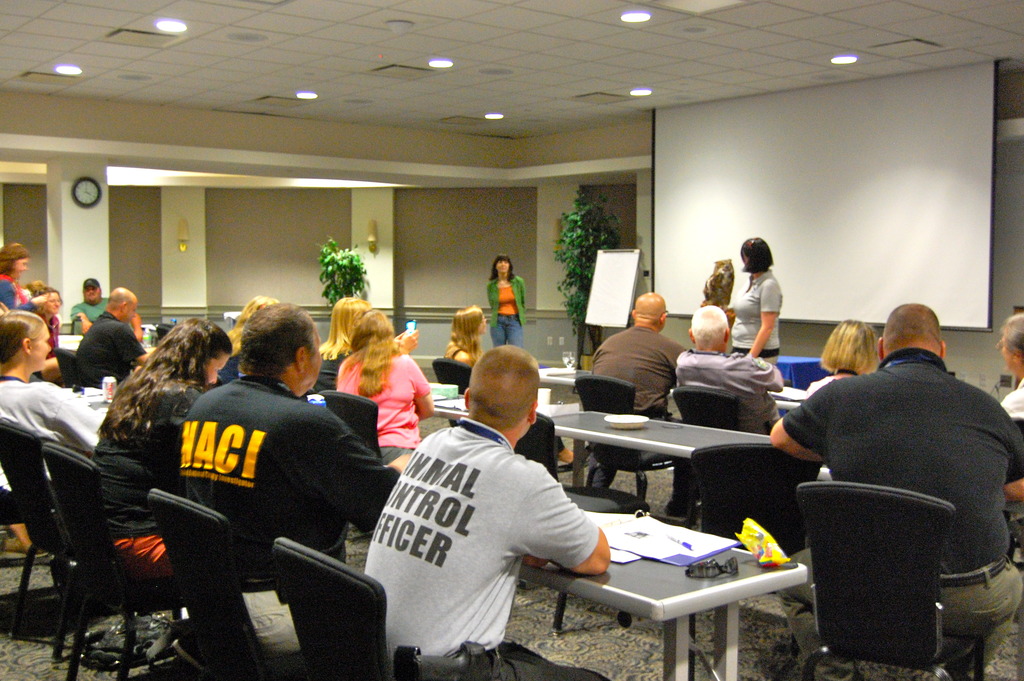
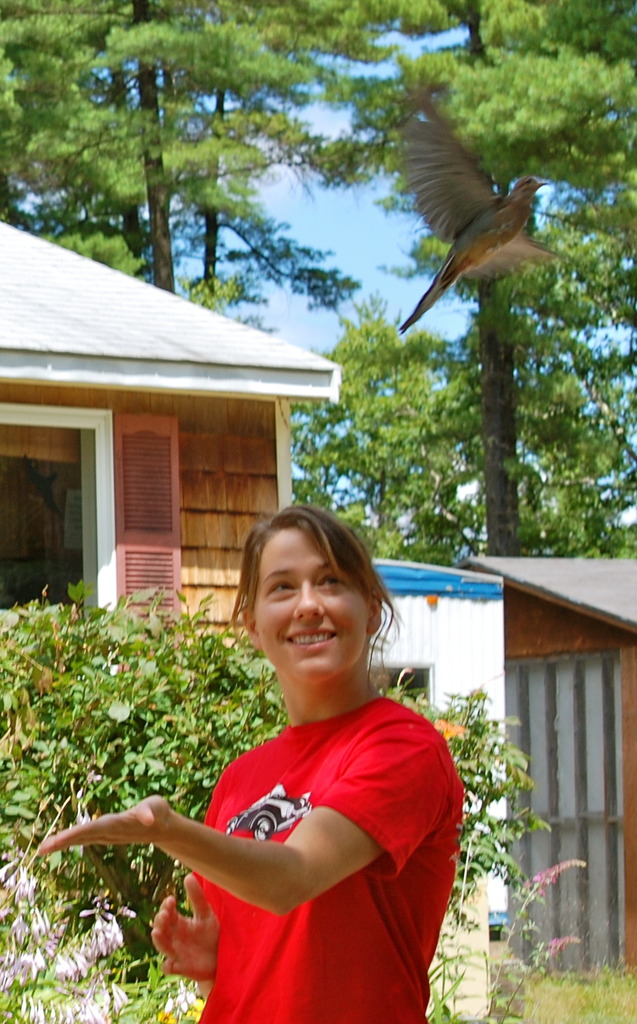
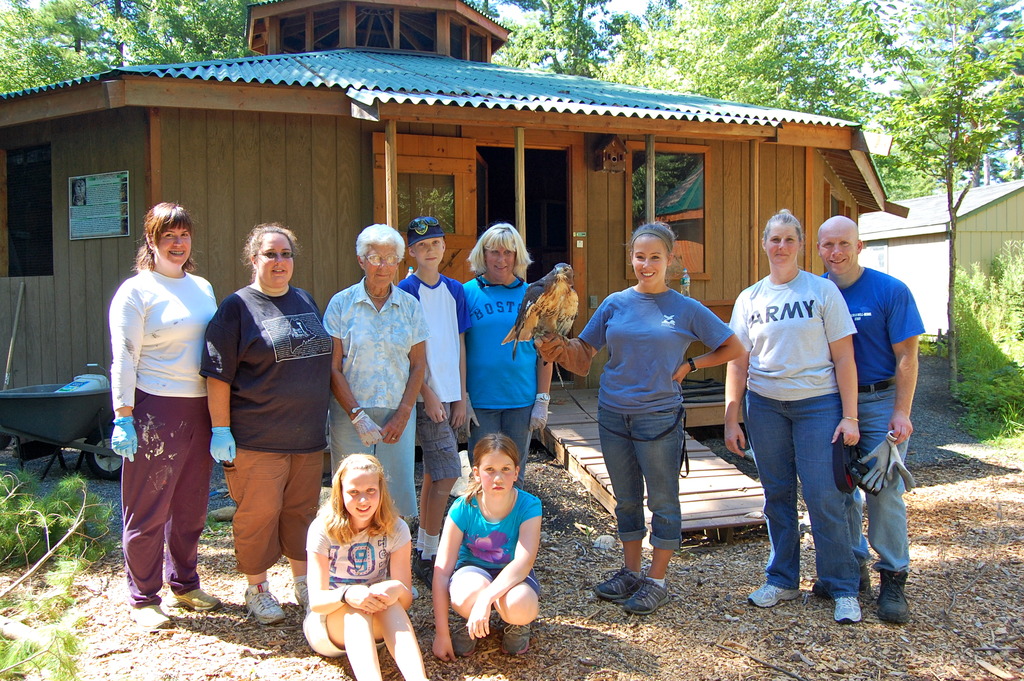
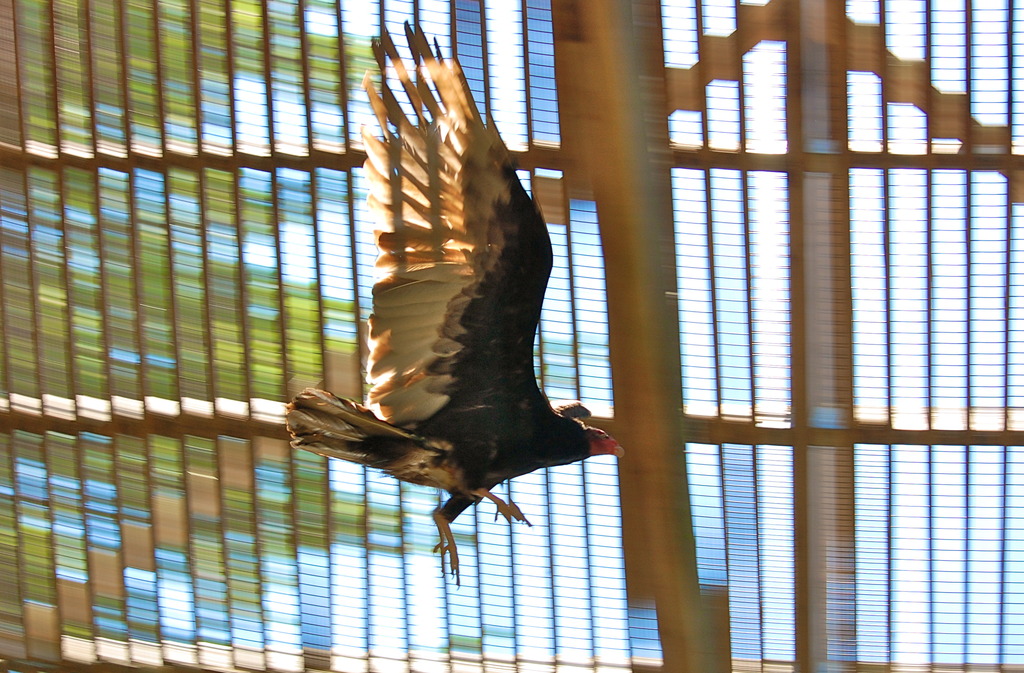
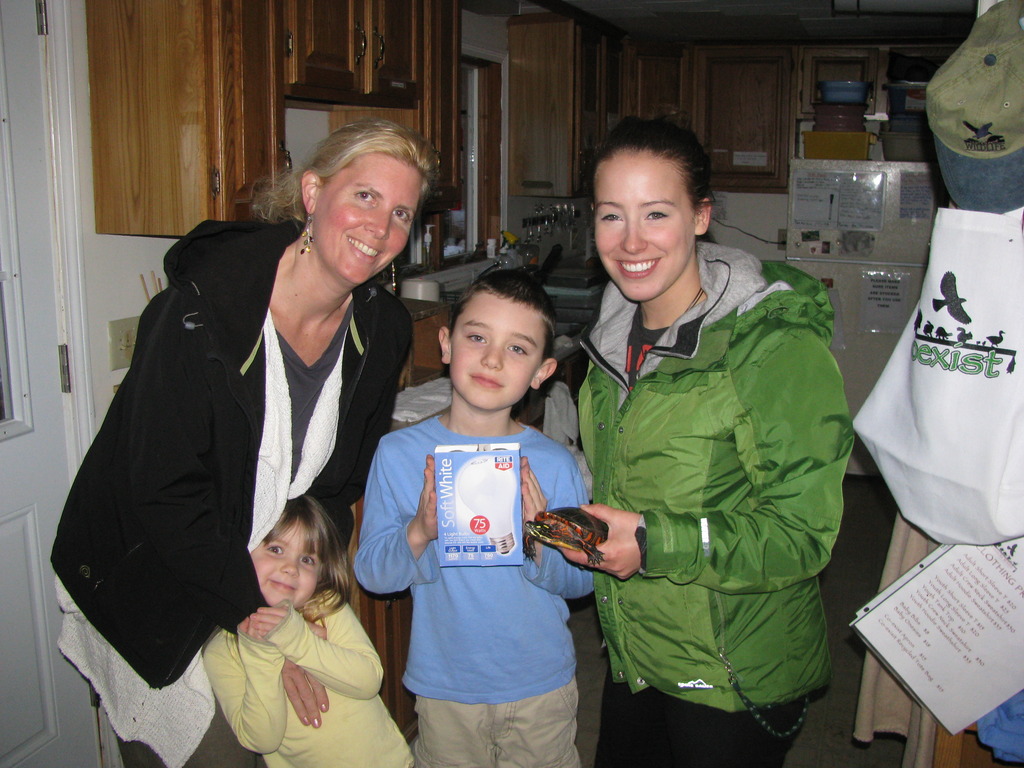
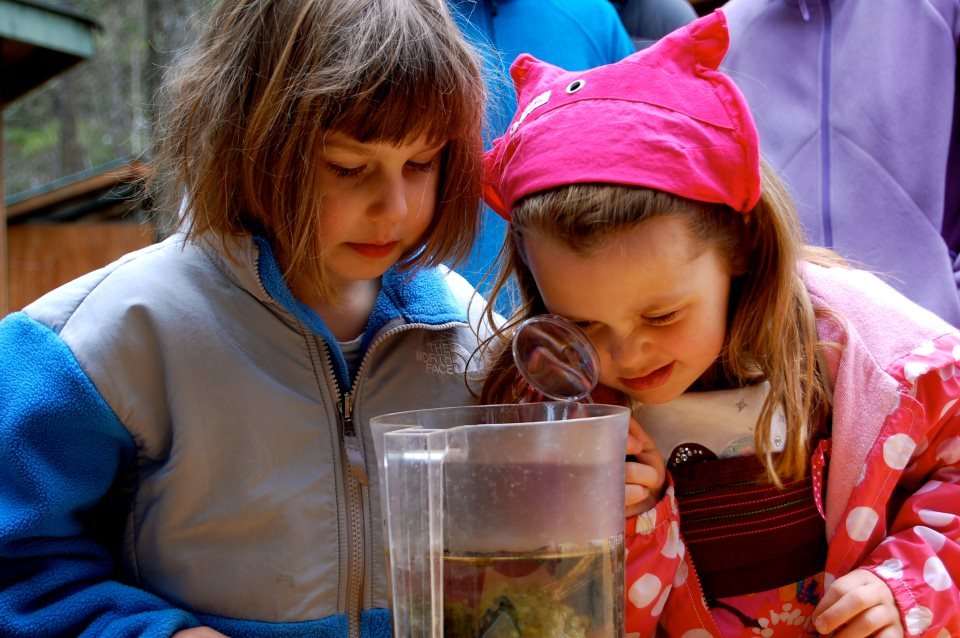
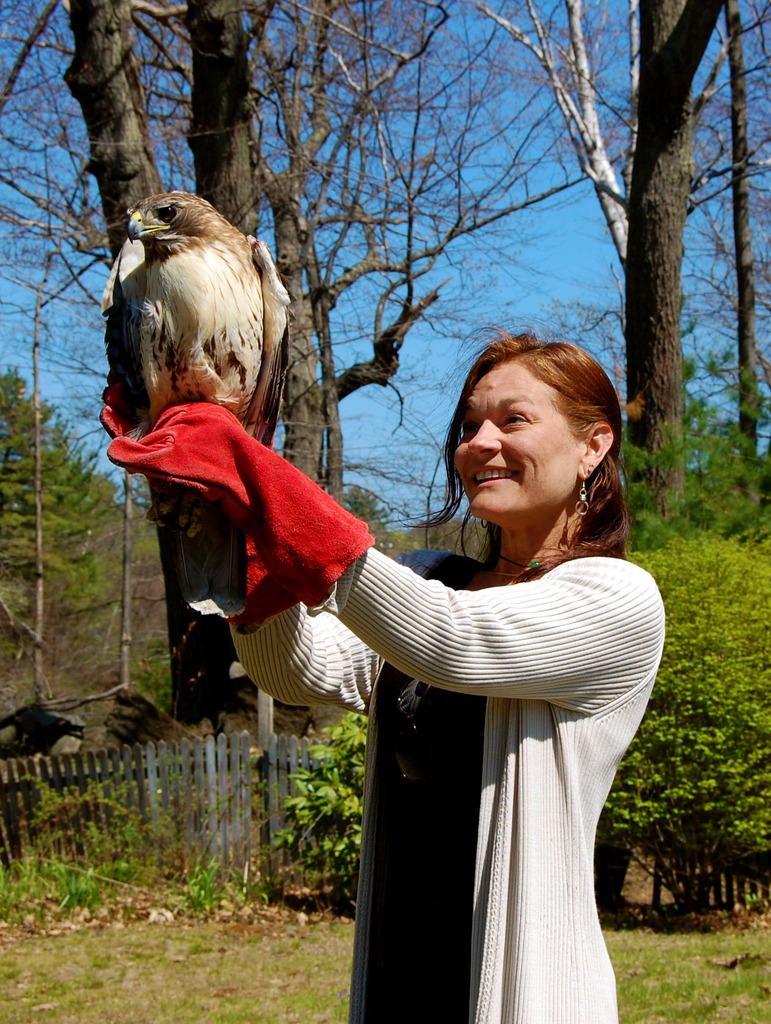
Nesting season is wrapping up, and Center for Wildlife has admitted a whopping 1,106 injured and orphaned wild animals from April to September alone. These were native songbirds, raptors, waterbirds, small mammals, turtles, snakes, and the occasional amphibian that became injured or orphaned due to vehicle collisions, domestic pet attacks, fishing hooks and line, and other non-natural causes. Our 3 medical clinic staff worked hard alongside our volunteer veterinarian, 50 volunteers, and 20 college interns to provide supportive and intensive medical care, rehabilitation, and release back into the wild for many of these patients! In addition to our wildlife patient admissions, our education and outreach program is going strong- serving over 3,000 participants this season and educating about wildlife, ecology, stewardship, and more. We also had a chance to present adult workshops at conferences including the New England Animal Control Academy and the Maine Environmental Education Association's Annual Conference.
Your donations and support have made a second chance for these amazing creatures with no "owners" to care for them. Each wild animal put back into the wild also helps to sustain the habitats and ecosystems they are a part of!
Here's a highlight and success story from the summer:
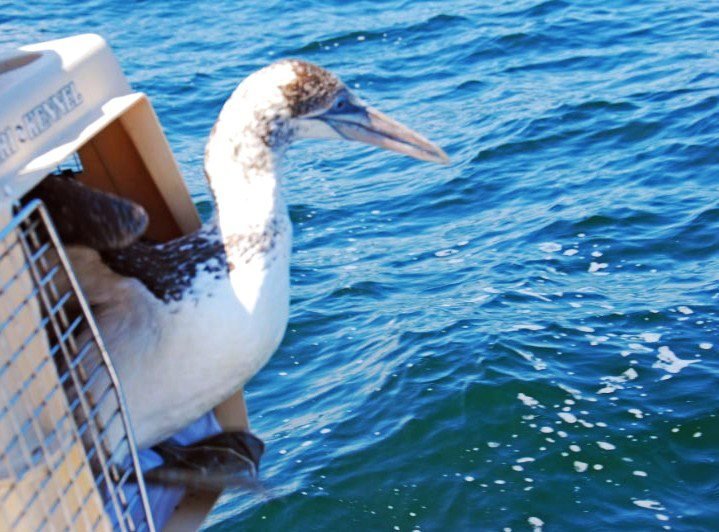
A beautiful Northern gannet was admitted on August 8th after he was found hopping in the road near Goose Rocks beach in Kennebunkport. Gannets are "pelagic" waterbirds, meaning that they spend their lives on the open ocean, not on shore. The rescuers knew that something was wrong, got the impressive bird into a box, and brought him straight to the Center for Wildlife. Upon initial examination our staff could tell by the plumage that the bird was likely ~ 2-3 years old (juveniles are all dark with white spotting, and don't get their full adult plumage until they're 3-5 years old). Our Wildlife Specialists also noticed that the bird had plaque in his mouth. They took a mouth swab and ran blood-work and determined that the bird was suffering from a bacterial infection. They immediately put him on antibiotics and began supportive treatment to get the bird's weight up as well.
After daily hand-feeding and completing antibiotics the gannet was back to full strength. Staff could tell from blood-work that the infection had subsided. They put the gannet in our grant-funded waterbird enclosure with deep filtrated pools to ensure that the bird could dive, preen, and had complete waterproofing. Because of the natural shape of their feathers along with natural oils, these birds can live their entire lives in the ocean (average life span 17 years) without getting wet! Assisted by amazing boat captain extraordinaire Phil, our staff and volunteers headed out earlier this week to bring this amazing bird home.
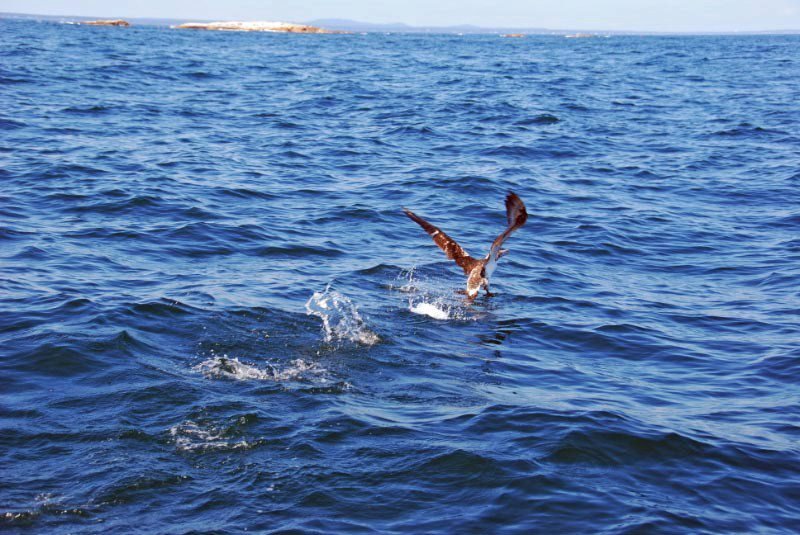
"We took him out to sea near the Isle of Shoals, placed the carrier at the side of the boat facing the ocean, and opened the door. He paused for a few seconds in the door of the carrier surveying the waves, then launched himself away from the boat. He flew a short distance away and then stopped to dip his bill into the ocean and preen. Then he took flight in earnest, skimming just above the waves in the direction of other gannets. We watched him fly until he was out of sight--blended into the ocean and sky."- Wildlife Specialist Laura Graham.
After admissions of orphaned wildlife from the summer slow down, so do our summer tours and programming opportunities. This coupled with a continually struggling economy means that donations decrease exponentially. However, our intensive and long-term medical care increases dramatically during this season.
The injured wildlife brought to us from a 100-mile radius shift to:
In a world of diminishing wildlife populations, mass production of chemicals and other pollutants, and exponential development, we remain committed to medically treating and promoting protection and awareness to local wildlife and their habitats.
We are so grateful for your ongoing support toward our ever-increasing work with wildlife and our communities. We truly could not do our work without you!!
Links:
By Susan Hansen | Executive Director
By Susan Hansen | Executive Director
Project reports on GlobalGiving are posted directly to globalgiving.org by Project Leaders as they are completed, generally every 3-4 months. To protect the integrity of these documents, GlobalGiving does not alter them; therefore you may find some language or formatting issues.
If you donate to this project or have donated to this project, you can receive an email when this project posts a report. You can also subscribe for reports without donating.